

Yes, a hammer is a hand tool because it is powered by the user, not a motor.
A hammer is one of the oldest and most useful hand tools. It uses a simple design to deliver force through a heavy head and a handle. This guide explains why a hammer is a hand tool, how different hammer types work, and how to use one safely and correctly.
Is a hammer a hand tool?
Yes, a hammer is a hand tool. A hand tool is an item operated by human strength rather than electricity, fuel, or a built-in motor. Since you hold and swing a hammer by hand, it fits this definition.
A hammer transfers the force of your arm into a small striking surface. That force can drive a nail, break a surface, shape metal, or fit parts together. The tool may look simple, but its design helps turn a swing into controlled impact.
A hammer remains a hand tool even when it has a special shape or advanced material. A framing hammer, ball-peen hammer, and rubber mallet all belong to the hand tool family.

Why is a hammer classified as a hand tool?
The main reason is its power source. A hammer has no motor, battery, air line, or engine. The user supplies all the energy by lifting and moving the tool.
A hammer also meets the main traits of a hand tool:
• It is held and guided by the user.
• It uses human force to perform work.
• It has a simple mechanical design.
• It does not need electricity or fuel.
• It gives the user direct control over force and placement.
A power tool, such as an electric impact driver, works in a different way. Its motor creates the force. A hammer only focuses and transfers the force created by your arm.
This difference matters in tool safety and workplace training. Hand tools may have fewer mechanical parts, but they can still cause serious injuries when used carelessly. The Occupational Safety and Health Administration advises workers to inspect hand tools, use the correct tool, and wear suitable protective equipment.
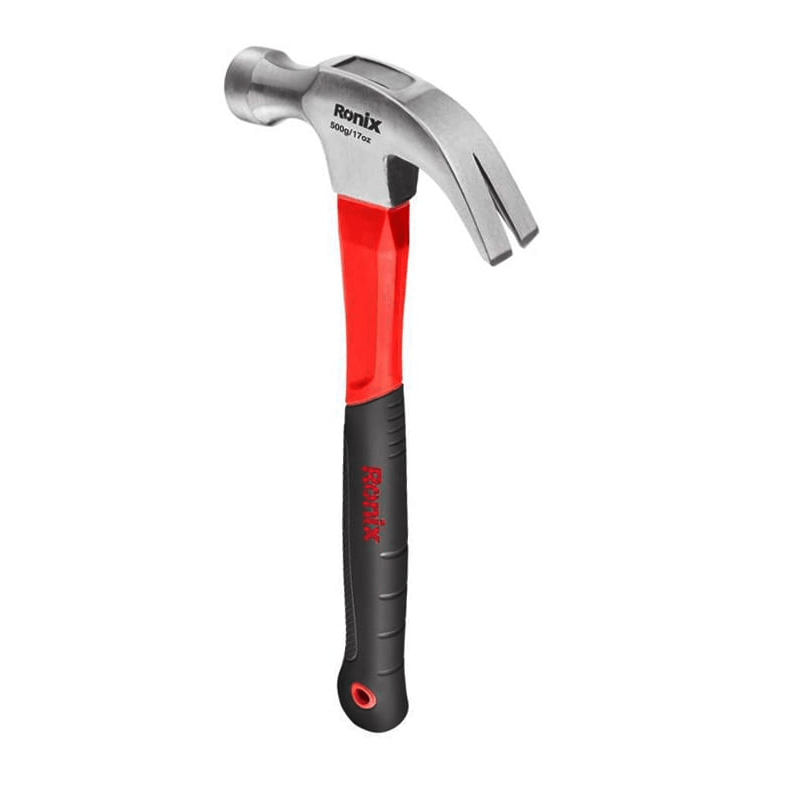
What type of tool is a hammer?
A hammer is a striking hand tool. It belongs to a larger group of tools designed to hit, shape, break, or move another object.
Some hammers are also used for fastening. For example, a claw hammer drives nails into wood. Its claw can then pull nails out. Other hammers serve more specialized jobs.
Common hammer categories include:
• Striking hammers for hitting nails, chisels, punches, and other objects.
• Claw hammers for general carpentry and nail removal.
• Ball-peen hammers for shaping metal and setting rivets.
• Sledgehammers for heavy demolition and construction work.
• Mallets for controlled impact without heavily marking a surface.
• Dead-blow hammers for reducing bounce and improving control.
The head shape, weight, face, and handle material determine the best use. A small tack hammer is not suited to breaking concrete. A heavy sledgehammer is not a good choice for hanging a picture.
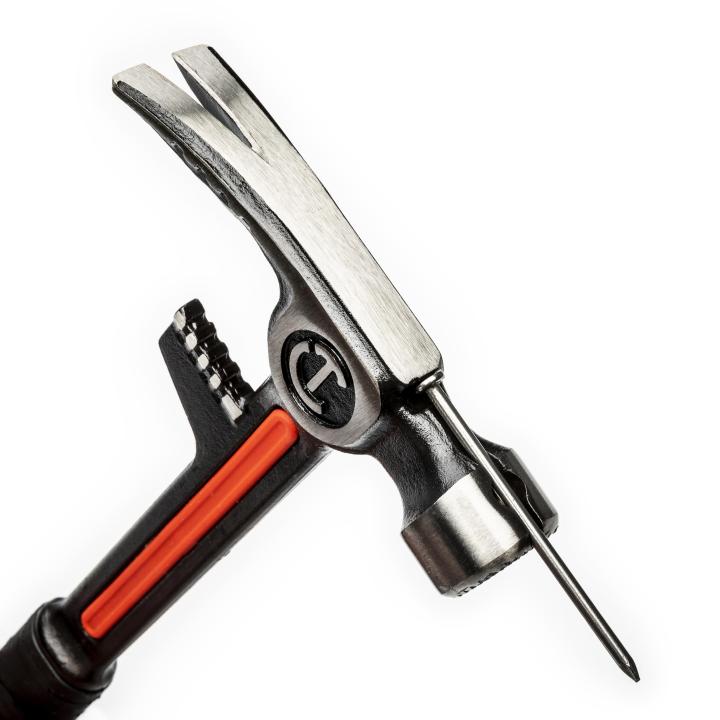
Main parts of a hammer
Understanding the parts of a hammer helps you choose and use it well. Most hammers have four main parts.
Head
The head is the heavy part that delivers the blow. It may have a flat face, curved claw, peen, wedge, or soft striking surface.
The striking face should be smooth and secure. A damaged face can chip or send metal pieces into the air. Never use a hammer with a badly cracked or loose head.
Face
The face is the part that contacts the nail or workpiece. A smooth face is useful for finish work. A textured face gives better grip on a nail head but can leave marks in wood.
Claw or peen
A claw removes nails and can sometimes pry small objects. A ball peen shapes metal and works with rivets. These parts are not interchangeable, so use the correct hammer for the job.
Handle
The handle gives you control and helps absorb vibration. Wood, fiberglass, and steel are common handle materials. A handle should feel comfortable and should not have cracks, splinters, or loose fittings.
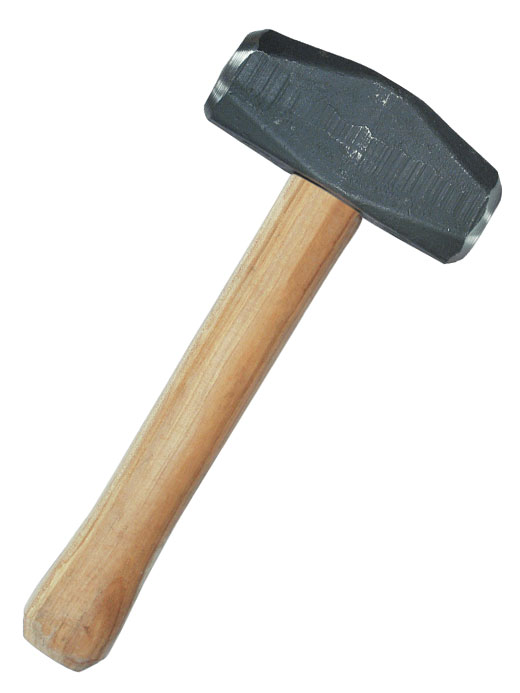
Common types of hammers and their uses
A hammer is a hand tool with many designs. Each design matches a certain task.
Claw hammer
The claw hammer is the most common household hammer. It drives and removes nails. A curved claw offers leverage, while a straight claw is often stronger for rough carpentry and pulling boards apart.
For home repairs, a claw hammer weighing about 16 ounces is a useful all-purpose choice. Smaller models offer better control for light work.
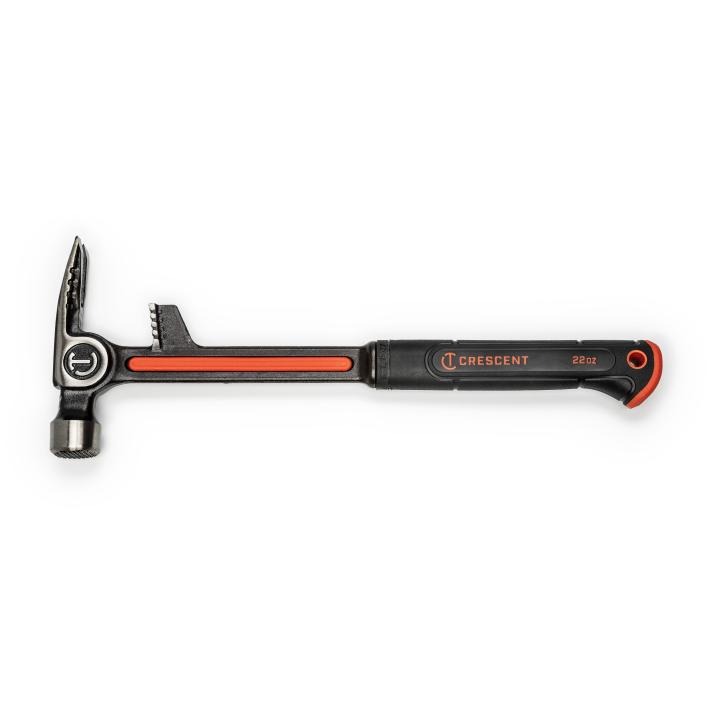
Framing hammer
A framing hammer is built for heavy wood construction. It often has a long handle, a heavier head, and a textured face. The added weight helps drive large nails with fewer swings.
The textured face can leave marks on wood. For visible trim, choose a smooth-faced hammer instead.
Ball-peen hammer
A ball-peen hammer has one flat face and one rounded peen. Machinists use it to shape metal, set rivets, and expand metal ends.
It is not the best tool for driving wood nails. Using the wrong hammer can damage both the tool and the workpiece.
Sledgehammer
A sledgehammer has a large head and a long handle. It is used for demolition, driving stakes, breaking masonry, and moving heavy materials.
Because it creates great force, use both hands and keep other people well away from the swing path.
Rubber mallet
A rubber mallet has a soft head. It can tap tiles, furniture joints, and sheet materials without leaving large dents.
A rubber mallet is still a hand tool. The soft head changes the impact, but the user still supplies the power.
Dead-blow hammer
A dead-blow hammer contains material inside the head that reduces rebound. This design gives better control and limits unwanted bounce.
It is useful when you need to move a part without damaging its surface. Mechanics often use dead-blow hammers for this reason.

How does a hammer work?
A hammer works by transferring energy from your arm to the object. When you swing it, your arm moves the handle and head. The heavy head then strikes the target with concentrated force.
The handle gives you leverage. A longer handle can create more swing speed, but it may be harder to control. A heavier head can also create more impact, but it can tire your arm faster.
Good hammer use depends on three factors:
• Correct alignment with the target.
• A firm but relaxed grip.
• A controlled swing that matches the task.
Do not rely only on strength. Accuracy matters more than wild force. A clean, centered strike is safer and more effective than a hard strike that misses.

Hammer versus power tool
The key difference between a hammer and a power tool is the source of energy. A hammer is a hand tool. An electric drill, impact driver, or powered hammer uses a motor.
Each type has benefits and limits.
Benefits of a hammer
• It does not need batteries, fuel, or electricity.
• It is easy to carry and store.
• It usually costs less than a power tool.
• It offers strong control for small tasks.
• It can work in places without power.
• It has fewer parts that can fail.
Limits of a hammer
• It can cause hand, wrist, and shoulder fatigue.
• It may take more time for large jobs.
• It can damage a surface if used with too much force.
• It needs good aim and proper technique.
• It may not be suitable for repeated heavy impact.
A hammer is often the best choice for a few nails or light adjustments. For hundreds of fasteners, a power tool may save time and reduce repeated strain. The right choice depends on the task, material, work time, and user skill.
How to choose the right hammer
Choosing a hammer is easier when you start with the job. Do not choose only by appearance or weight.
Consider these points:
• Task: Select a claw hammer for nails, a ball-peen hammer for metal, or a sledgehammer for demolition.
• Weight: Choose a weight you can control without straining your wrist.
• Face: Use a smooth face for finish work and a textured face for rough framing.
• Handle: Look for a handle that fits your hand and reduces vibration.
• Balance: The head and handle should feel stable during a slow practice swing.
• Build quality: Avoid loose heads, damaged handles, and rough edges.
For general home use, a medium claw hammer is often enough. For small craft work, a lighter hammer may be more suitable. For heavy work, use a tool made for that force instead of overloading a small hammer.
Safe hammer use
A hammer is a hand tool, but it is not harmless. The U.S. Consumer Product Safety Commission reports many injuries linked to hand tools each year. Good habits reduce the risk.
Follow these steps:
Inspect the hammer before use.
Make sure the head is tight and the handle is sound.
Wear safety glasses when striking hard objects.
Hold the handle near the end for normal swings.
Keep your fingers away from the striking area.
Support the workpiece on a stable surface.
Check that no one is in the swing path.
Use the lightest force that completes the task.
Stop if the hammer, nail, or workpiece becomes damaged.
Store the hammer in a dry, secure place.
Never strike a hardened steel tool with a hammer unless the tool is designed for that use. Metal fragments can chip from the striking surface. Also, do not use a hammer as a pry bar, wedge, or substitute for a tool with a safer design.
Common mistakes to avoid
Many hammer injuries come from simple mistakes. The most common error is using the wrong hammer for the material or task.
Avoid these problems:
• Using a claw hammer to strike a hardened punch.
• Holding the hammer too close to the head.
• Striking at an angle and causing the hammer to glance off.
• Using a damaged or loose hammer.
• Hitting a nail with bent fingers nearby.
• Using excessive force when a smaller hammer would work.
• Striking glass, stone, or metal without eye protection.
• Leaving the hammer where someone can trip over it.
One practical lesson from workshop work is that control beats power. A new user may swing too hard because the nail does not move at once. A better approach is to use short, accurate blows and check the nail after each one.
Hammer maintenance and storage
Basic care can extend the life of a hammer. Wipe the head after use, especially if it contacts moisture or chemicals. A thin protective coating can help prevent rust on steel surfaces.
Check the handle often. Replace a cracked wooden handle or a damaged fiberglass handle. Do not try to hide a serious crack with tape.
Store the hammer where it cannot fall or damage other tools. A toolbox, wall rack, or tool drawer works well. Keep the striking face away from sharp objects that could damage it.
A loose hammer head is a serious warning. Do not continue using it. Repair or replace the handle and secure the head before returning the tool to service.
Is a hammer useful for every material?
No. A hammer is a hand tool, but each hammer has limits. Wood, drywall, metal, masonry, tile, and plastic react differently to impact.
Use a suitable tool and technique for each material:
• Wood: Use a claw hammer or finish hammer.
• Metal: Use a ball-peen hammer or another metalworking hammer.
• Tile: Use a rubber mallet for gentle adjustment.
• Masonry: Use a masonry hammer or sledgehammer for heavy work.
• Plastic: Use a soft mallet to reduce cracks and dents.
• Drywall: Use a drywall hammer with a shaped face.
When unsure, test on scrap material first. This small step can prevent a visible dent, crack, or expensive repair.
Frequently Asked Questions About Is a Hammer a Hand Tool
Is a hammer considered a hand tool?
Yes, a hammer is considered a hand tool because a person supplies its power. It has no motor, battery, or external power source.
What category of tool is a hammer?
A hammer is a striking hand tool. Some types also act as fastening, shaping, pulling, or demolition tools.
Is a mallet also a hand tool?
Yes, a mallet is a hand tool. Like a hammer, it is powered by the user, but its softer head is made for lighter or less damaging impacts.
Is an electric hammer a hand tool?
An electric hammer is generally classified as a power tool because a motor creates the impact. Although the user holds it by hand, it does not meet the usual definition of a manual hand tool.
What is the most common hammer for home use?
A medium claw hammer is the most common choice for general home repairs. It can drive nails and remove them, making it useful for many small tasks.
Can a hammer be used as a pry bar?
A claw may remove nails and provide limited leverage, but a hammer should not replace a proper pry bar. Excessive prying can bend the tool, damage the handle, or cause an injury.
Conclusion
A hammer is a hand tool because it uses human force instead of a motor or other powered system. Its simple design lets it drive nails, remove fasteners, shape metal, adjust parts, and handle demolition work.
The best results come from matching the hammer to the task, checking its condition, and using steady control rather than excessive force. Choose the right type, wear eye protection, and replace any damaged tool. Explore more hand tool guides, and share your own hammer tips or workshop lessons in the comments.
