How To Use Hand Tools Safely: Essential Safety Tips
Use the right tool, inspect it first, wear proper protection, and keep your hands clear of moving or striking parts.
Learning how to use hand tools safely is more than avoiding cuts and bruises. It means matching each tool to the job, using sound technique, and spotting hazards before they cause harm. This guide explains proven workshop habits, common mistakes, and simple steps that help protect both beginners and experienced DIY users.
Why Hand Tool Safety Matters
Hand tools seem simple, but they can cause serious injuries when used the wrong way. A screwdriver can slip into your hand. A hammer can send a chip into your eye. A dull utility knife can require more force and suddenly slide off the material.
The main risks include:
• Cuts and puncture wounds from blades, nails, and sharp edges
• Eye injuries from flying chips, dust, or broken tool parts
• Bruises and crushed fingers from hammers and clamps
• Muscle strain from poor posture or excessive force
• Electric shock when a hand tool contacts hidden wiring
• Hearing damage from repeated striking or noisy work areas
Knowing how to use hand tools safely helps you control these risks before work begins. Good technique works like a seat belt: you may not notice it during a normal task, but it can make a major difference when something goes wrong.
Safety guidance from workplace regulators and tool manufacturers commonly stresses the same basics: use tools as designed, keep them in good condition, and wear protective equipment suited to the task.

Inspect Hand Tools Before Use
A quick inspection can prevent many tool accidents. Look at the tool before every job, even if you used it yesterday. Small cracks and loose parts can grow into serious failures under pressure.
Check these areas:
• Handles: Look for cracks, splinters, oil, or loose grips.
• Blades and edges: Check for chips, bends, rust, or excessive dullness.
• Striking faces: Make sure hammer heads are not mushroomed, cracked, or loose.
• Fasteners: Confirm that screws, pins, and joints are secure.
• Cutting tools: Check that blades lock in place and retract fully when designed to do so.
• Insulated tools: Inspect the insulation for cuts, burns, or exposed metal.
Do not use a damaged tool until it has been repaired correctly. Tape around a cracked handle is not a reliable repair. A loose hammer head should be fixed or replaced, not used “just one more time.”
One common workshop mistake is focusing on the tool’s working end while ignoring the handle. A handle controls your grip and direction. If it fails, the tool may travel anywhere.
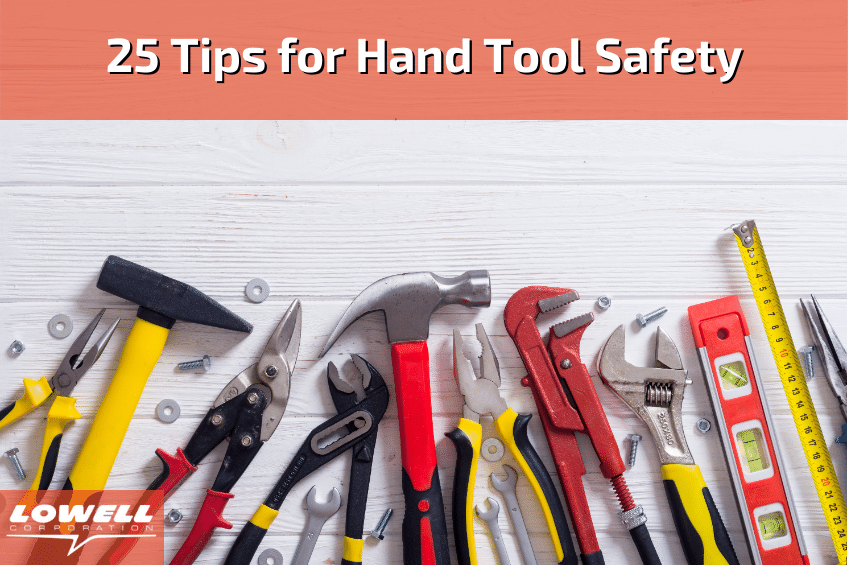
Choose the Right Tool for the Job
The safest tool is usually the one designed for the task. Pliers are not a substitute for a wrench, and a screwdriver is not a pry bar. Improvising may save a minute, but it can create a painful and costly mistake.
Use these rules when selecting a hand tool:
• Choose the correct size for the fastener or material.
• Select a tool made for the force required.
• Use a non-sparking tool in areas where flammable vapors may exist.
• Use insulated tools for electrical work, but never treat insulation as permission to work on live circuits.
• Select a tool with a grip that fits your hand and feels stable.
• Use a tool made for your dominant task instead of forcing a general-purpose tool to do specialized work.
For example, an adjustable wrench can work well for many jobs, but an open-end or box-end wrench often gives better contact. A box cutter may work for cardboard, while a handsaw is better for cutting wood. Matching the tool to the material reduces slipping and limits the force you need.
Understanding how to use hand tools safely also means knowing when not to use one. If a task needs a power tool, a special fixture, or professional electrical work, stop and choose the safer option.

Wear the Right Personal Protective Equipment
Protective equipment cannot replace good technique, but it adds an important layer of protection. Choose gear based on the hazard, not on appearance or habit.
Useful equipment includes:
• Safety glasses for cutting, striking, drilling, scraping, or handling brittle materials
• Cut-resistant gloves for some cutting and handling tasks
• Work gloves that improve grip without creating a snag risk
• Hearing protection during repeated hammering or loud work
• Work boots with firm soles and protective toes when heavy objects may fall
• A dust mask or respirator when the material and work area call for respiratory protection
Do not wear loose gloves near rotating machinery. Hand tools usually do not create the same entanglement risk as power tools, but nearby equipment can. Avoid loose sleeves, dangling jewelry, and long hair that can catch on objects.
Safety glasses should fit well and sit securely. Regular prescription glasses may not provide side protection or impact protection unless they are designed and rated for that purpose.

Prepare a Safe Work Area
A clean work area gives you better control. Clutter can catch your feet, hide sharp objects, and force you to work at an awkward angle.
Before starting:
- Clear the floor and bench of unnecessary items.
- Improve lighting so you can see the tool, material, and your hands.
- Keep walkways dry and free of cords or scrap.
- Secure the workpiece with a vise, clamp, or other suitable support.
- Keep children and pets away from the work zone.
- Place tools where you can reach them without crossing your body.
- Keep a first-aid kit nearby.
Never hold a small object in your hand while cutting or striking it. Your hand can become the support surface if the tool slips. Clamp the object instead, or use a stable workbench.
A stable work surface is one of the simplest ways to learn how to use hand tools safely. It lets your body stay balanced and directs force into the material instead of into your wrist or fingers.

Use Safe Body Position and Grip
Your stance affects control. Stand with your feet about shoulder-width apart and keep your balance as you work. Place one foot slightly ahead of the other when you need to apply force.
Keep these points in mind:
• Hold the tool firmly, but do not squeeze until your hand is tired.
• Keep your wrist in a natural, straight position.
• Keep your free hand outside the tool’s travel path.
• Pull a tool toward your body only when the tool and task are designed for that motion and the path is clear.
• Push cutting tools away from your body whenever possible.
• Avoid reaching across sharp edges or unstable materials.
• Stop when fatigue affects your grip or judgment.
Many injuries happen when a person loses balance and grabs for support. If the tool is in your hand, that sudden movement can turn a small slip into a deep cut.
A useful rule is to imagine a clear “strike zone” around the tool. Keep your fingers, knees, face, and other people outside that zone.

How to Use Common Hand Tools Safely
Different tools require different habits. The general rules stay the same, but the danger point changes from one tool to another.
Hammers and Mallets
Choose a hammer with the correct weight and a secure handle. Keep the striking face square to the surface. A glancing blow can send the hammer sideways or chip the material.
Hold the handle near the end for controlled swings. Keep your other hand away from the striking area. Wear safety glasses when hitting nails, masonry, metal, or any material that may break apart.
Do not use a hammer with a damaged face or loose head. Never use a hammer to strike a hardened steel object unless the tool is designed for that purpose.
Screwdrivers
Use the correct tip and size. A poor fit causes the screwdriver to slip, which can damage the fastener or injure your hand.
Keep the workpiece secured and place your free hand away from the screwdriver tip. Never use a screwdriver as a chisel, pry bar, punch, or scraper unless the manufacturer specifically designed it for that use.
For electrical work, use properly rated insulated tools and follow safe electrical procedures. Insulated handles do not make a live circuit safe.
Pliers
Choose pliers that match the task. Locking pliers, slip-joint pliers, needle-nose pliers, and cutting pliers each have a different purpose.
Keep fingers away from the jaws and cutting edges. Do not extend a wrench or use a pipe for extra leverage on pliers unless the tool is specifically designed for that method.
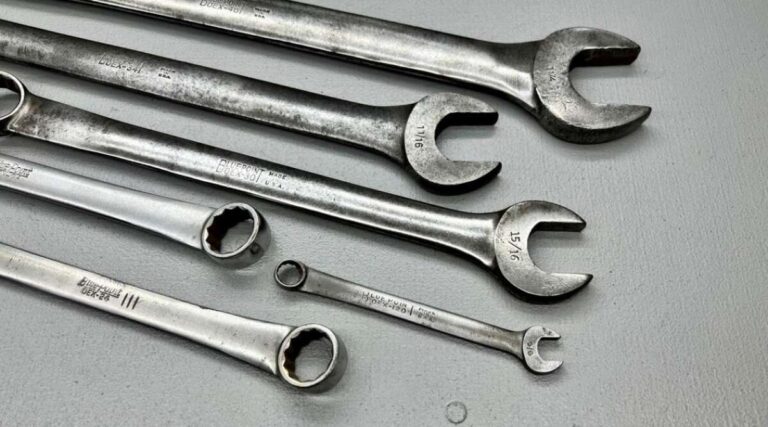
Wrenches
Use a wrench that fits the fastener closely. Make sure the jaws or socket are fully seated before applying force.
Pull smoothly rather than jerking. Keep your knuckles away from nearby surfaces, and check where your hand will go if the fastener suddenly releases.
Utility Knives and Blades
Always cut away from your body and keep the other hand out of the cutting path. Extend only as much blade as needed. A shorter blade is easier to control.
Use a sharp blade for the material. Dull blades require extra force and are more likely to slip. Retract the blade immediately after use, and place used blades in a puncture-resistant container.
Saws and Files
Secure the material before sawing or filing. Start with slow strokes to create a groove, then use steady motion. Keep both hands away from the teeth or edge.
A file should have a secure handle. Never use a file with a bare tang, because the tang can puncture your palm when force is applied.
These examples show why how to use hand tools safely depends on both the tool and the task. Read the manufacturer’s instructions when a tool has a special design or safety feature.

Use Force Carefully
More force does not always mean more progress. Excess force can break the tool, damage the workpiece, or cause you to lose control.
Try these safer methods:
• Use a larger or better-matched tool instead of forcing a small one.
• Apply slow, even pressure.
• Check for hidden screws, nails, wires, or pipes before cutting or drilling.
• Use penetrating oil or another suitable aid when a fastener is stuck.
• Change your body position instead of twisting your wrist.
• Stop and reassess if the tool slips more than once.
A practical lesson from repair work is that resistance often provides information. A stuck screw may have the wrong driver, rust, paint, or damaged threads. Pushing harder can make the problem worse. Inspect the cause before increasing force.

Store, Clean, and Maintain Tools
Tool safety continues after the task ends. Clean tools are easier to inspect and safer to handle.
Follow these storage habits:
• Wipe away oil, dirt, and moisture after use.
• Store sharp tools with covers or guards when available.
• Keep blades closed or retracted.
• Hang or place tools so they cannot fall.
• Store heavy tools on low shelves.
• Keep tools dry to reduce rust.
• Replace worn handles and damaged parts before the next job.
• Keep tools away from children and unauthorized users.
Do not carry sharp tools in a pocket. Use a tool pouch, box, or sheath. When handing a sharp tool to another person, offer the handle first and keep the point facing down.
Good maintenance also protects the tool’s performance. A clean, sharp, well-fitted tool usually needs less force, which makes safe control easier.

Common Hand Tool Safety Mistakes to Avoid
Many accidents come from small shortcuts rather than difficult tasks. Watch for these common errors:
• Using a knife as a screwdriver
• Carrying sharp tools with the point exposed
• Striking a hardened object with the wrong hammer
• Holding a workpiece in one hand while cutting with the other
• Using a dull blade and pushing harder
• Working in poor light
• Leaving tools on the edge of a bench
• Ignoring a cracked handle
• Wearing gloves that reduce grip or create a snag risk
• Continuing to work while tired, rushed, or distracted
One of the most preventable mistakes is failing to secure the workpiece. When the material moves, your instinct is often to chase it with the tool. Clamp it first and keep your hands out of the line of fire.
What to Do After a Tool Injury
Stop work after an injury and move away from the hazard. For a small cut, apply clean pressure, rinse the wound with clean running water, and cover it with a sterile dressing.
Seek medical care for deep cuts, heavy bleeding, numbness, loss of movement, embedded objects, eye injuries, or wounds caused by dirty or rusty objects. Get urgent help if bleeding does not stop with firm pressure.
For an eye injury, do not rub the eye or try to remove an embedded object. Get professional medical help promptly. When in doubt, contact a health professional or emergency service.
A first-aid kit is useful, but it cannot replace medical care. Keep emergency numbers available, especially in a garage, workshop, or remote work area.
A Simple Hand Tool Safety Checklist
Use this checklist before starting any repair or project:
• Do I have the correct tool?
• Is the tool clean, sharp, and free of damage?
• Is the workpiece stable and secured?
• Is my work area bright, dry, and uncluttered?
• Are my eyes, hands, feet, and hearing protected as needed?
• Is my free hand outside the tool’s path?
• Do I know where the tool will go if it slips?
• Could there be hidden wires, pipes, or fasteners?
• Am I rested and focused enough to work?
• Do I know how I will store the tool afterward?
This short pause takes less than a minute. It can prevent hours of pain, repair, and lost work.
Frequently Asked Questions About How to Use Hand Tools Safely
What is the most important rule for using hand tools safely?
Use the correct tool for the job and inspect it before use. Keep the workpiece secure, maintain control, and never use a damaged tool.
Should I wear gloves when using hand tools?
Gloves can protect against cuts, splinters, heat, and rough surfaces, but they are not right for every task. Choose gloves that fit well and do not reduce grip or create an entanglement risk.
How should I use a utility knife safely?
Cut away from your body, keep your free hand out of the cutting path, and use only the blade length you need. Retract or cover the blade immediately after use.
How can I prevent a hammer from slipping?
Use a hammer with a clean, secure handle and hold it near the end of the grip. Strike the workpiece squarely while wearing safety glasses and keeping your other hand away from the impact area.
When should I replace a hand tool?
Replace a tool when it has a cracked handle, loose head, damaged insulation, broken blade, badly worn tip, or another defect that affects control. Do not rely on temporary repairs for parts that carry force.
Is it safe to use a screwdriver as a pry bar?
Usually, no. A standard screwdriver can bend, break, or slip when used for prying, so choose a pry bar or a screwdriver specifically designed for that purpose.
How should sharp hand tools be stored?
Store sharp tools with their points and edges covered whenever possible. Keep blades retracted, use a tool box or sheath, and never carry sharp tools loose in a pocket.
Conclusion
Safe hand tool use starts with simple choices: select the right tool, inspect it, secure the material, protect your eyes and hands, and keep your body out of the tool’s path. Work slowly enough to stay in control, and stop when a tool or task does not feel right.
The best way to learn how to use hand tools safely is to practice these habits on every project, from a small home repair to a full workshop job. Use the checklist before you begin, share these tips with others, and explore trusted safety guidance before taking on unfamiliar work.
Recent Tool Guides
 Hammer
How To Hammer Flowers Onto Paper: Easy Guide
Learn how to hammer flowers onto paper with simple steps, helpful tips, and beautiful results for...
Read Guide → Wrench
How To Use A Hex Wrench: Easy Step-By-Step Guide
Learn how to use a hex wrench correctly with simple steps, helpful tips, and common mistakes...
Read Guide → Hacksaw
How To Cut Curtain Pole With Hacksaw: Easy Guide
Learn how to cut curtain pole with hacksaw safely and neatly. Follow simple steps for accurate...
Read Guide → Wrench
How To Use A Husky Torque Wrench: Easy Guide
Learn how to use a Husky torque wrench correctly with simple steps, torque settings, and safety...
Read Guide → Hammer
How To Hold A Hammer: Safe Grip Guide
Learn how to hold a hammer with the right grip, stance, and technique for safer, more...
Read Guide → Hacksaw
How To Cut Flexible Metal Conduit With Hacksaw: Easy Guide
Learn how to cut flexible metal conduit with hacksaw safely and cleanly. Follow simple steps for...
Read Guide →