How To Clean Hand Tools: Easy Rust-Free Guide
Clean hand tools by removing dirt, drying fully, and protecting metal with light oil.
Keeping your tools clean is one of those small habits that pays off every time you reach for a wrench, pliers, hammer, or screwdriver. I’ve seen dirty tools fail sooner, slip in the hand, and even spread rust to other items in the box. If you want your hand tools to last longer, work better, and stay safer, learning how to clean hand tools the right way is worth your time.
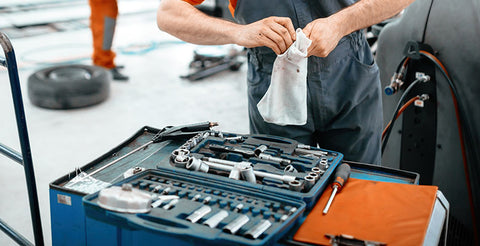
Why cleaning hand tools matters
Dirty tools are more than an eyesore. Dust, grease, mud, resin, and rust can build up fast, especially if you use tools in a garage, shop, yard, or jobsite. Once that buildup gets into moving parts or metal surfaces, it can shorten tool life and make the tool harder to use.
From experience, the biggest mistake people make is waiting too long. A little grime is easy to clean. Heavy rust, stuck-on paint, and old grease usually take more effort and may cause permanent damage.
Cleaning hand tools also helps with:
- Better grip and control
- Less wear on moving parts
- Slower rust formation
- Safer use
- Easier storage and organization
If you take care of your tools, they take care of your work.
What you need to clean hand tools
You do not need fancy gear to get started. In most cases, a few basic supplies are enough to clean hand tools well.
Here’s a simple cleaning kit:
- Warm water
- Mild dish soap
- Bucket or sink
- Soft cloths or microfiber towels
- Nylon brush or old toothbrush
- Nonabrasive sponge
- White vinegar for light rust
- Mineral oil or light machine oil
- Rust remover for stubborn corrosion
- Fine steel wool or a brass brush for tough spots
- Gloves for hand protection
I like to keep these items in a small cleaning caddy. It saves time and makes it easier to clean tools right after use, which is when the job is easiest.
How to clean hand tools step by step
The best way to clean hand tools depends on the material and the type of dirt on them, but the basic process is simple. Start gentle, then move to stronger methods only if needed.
1. Remove loose dirt and dust
Tap the tool lightly or wipe it with a dry cloth first. This keeps grit from scratching the surface when you add water.
For tools with joints, hinges, or teeth, use a brush to clear out dust and debris. A toothbrush works well around tight spots.
2. Wash with warm soapy water
Mix warm water with a few drops of mild dish soap. Dip a cloth or sponge into the solution and wipe down the tool.
For heavy grime, scrub gently with a nylon brush. Avoid soaking wooden handles or battery areas on specialty hand tools, since excess moisture can cause damage.
3. Rinse and dry completely
Use a clean damp cloth to remove soap residue. Then dry every part of the tool right away with a towel.
This step matters a lot. Water left on steel is one of the fastest ways to trigger rust. I learned that the hard way after leaving a pair of pliers on a damp bench overnight.
4. Remove rust if needed
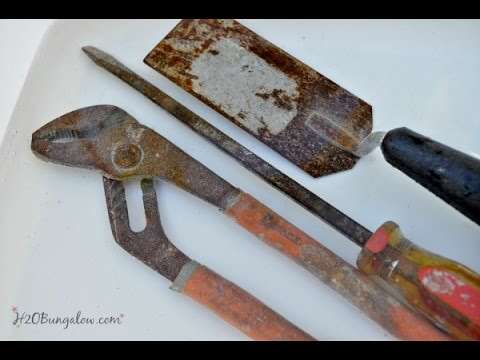
If you see orange or brown rust spots, act fast. Light rust can often be handled with white vinegar, a soft brush, or fine steel wool.
A simple method:
- Soak a cloth in white vinegar and wrap it around the rusty area
- Let it sit for 30 to 60 minutes
– Scrub the spot with a brush or steel wool - Wipe clean and dry fully
For deeper rust, use a commercial rust remover made for hand tools. Always follow the label and test a small area first.
5. Lubricate moving parts
Once the tool is clean and dry, add a small amount of light oil to hinges, pivots, and joints. This helps prevent rust and keeps the tool moving smoothly.
Do not overdo it. A thin coat is enough. Too much oil attracts dust and makes the tool sticky.
6. Protect the surface before storage
After cleaning hand tools, store them in a dry place. A tool chest, drawer, pegboard, or sealed bin works well if the area stays dry.
For extra protection, you can wipe metal surfaces with a lightly oiled cloth before storage. This is especially useful for tools you do not use every day.

How to clean hand tools made from different materials
Not every tool should be cleaned the same way. The cleaning method should match the material.
Steel tools
Steel tools are strong, but they rust easily. Clean them with soap and water, dry them fast, and apply a light oil coating after cleaning.
Chrome-plated tools
Chrome plating helps resist corrosion, but grime can still build up in seams and joints. Use mild soap and a soft cloth, since harsh abrasives can dull the finish.
Wooden-handled tools
Wood needs gentler care. Wipe the metal part carefully and avoid soaking the handle. If the handle looks dry, a small amount of linseed oil or wood-safe conditioner can help maintain it.
Plastic or rubber-grip tools
These are easy to clean, but oils and solvents can damage the grip. Stick with soap and water unless the manufacturer allows another cleaner.
Precision hand tools
For calipers, snips, files, and other precision tools, keep moisture to a minimum. Use a soft cloth and a small brush, then store them in a dry case.
How to remove grease, adhesive, and stubborn buildup
Sometimes water and soap are not enough. Grease, adhesive, paint splatter, or sticky residue needs a stronger but still controlled approach.
Try these options:
- Degreaser for heavy oil and grease
- Rubbing alcohol for adhesive residue
- Mineral spirits for stubborn grime on metal surfaces
- Plastic scraper for thick buildup
Use stronger cleaners in a ventilated area. Wear gloves, and do not mix chemicals unless the product label says it is safe.
A mistake I made early on was using too much solvent on a tool with a rubber grip. It cleaned the metal well, but it also softened the grip. Since then, I always check the material first.
How to clean rusty hand tools safely
Rust is common, but it does not always mean the tool is ruined. In many cases, you can restore the surface and keep using it.
For light rust:
- Use vinegar or a rust eraser
- Scrub with fine steel wool
- Wipe clean and dry
For moderate rust:
- Use a rust remover gel or soak designed for tools
- Scrub with a brass brush
- Repeat if needed
For severe rust:
- Consider sanding, wire brushing, or a stronger rust treatment
- Check whether the tool is still safe to use
- Replace the tool if rust has weakened a critical part
If the rust has reached a cutting edge, spring joint, or load-bearing area, do not guess. Safety comes first.
Best practices for cleaning hand tools regularly
The easiest way to clean hand tools is to do a little at a time. Small habits prevent big problems later.
Good habits include:
- Wipe tools after each use
- Clean off wet dirt before it hardens
- Dry tools before putting them away
- Check for rust once a month
- Oil moving parts on a regular schedule
- Store tools away from damp floors or concrete
Concrete floors can hold moisture, even when they look dry. If you store tools directly on concrete, use a shelf, mat, or cabinet.
Common mistakes to avoid when cleaning hand tools
A lot of tool damage happens during cleaning, not during use. That sounds strange, but it is true.
Avoid these mistakes:
- Soaking wooden handles too long
- Using harsh abrasives on plated finishes
- Leaving tools wet after washing
- Over-oiling moving parts
- Using the wrong chemical on rubber or plastic
- Storing dirty tools in closed boxes
Think of your tools like kitchen knives. Cleaning them well matters, but cleaning them carelessly can do just as much harm as neglect.
How often should you clean hand tools?
The answer depends on how often you use them and what environment you work in. If you use tools daily in a dusty or wet setting, wipe them down after every job.
A good rule of thumb:
- Clean after heavy use
- Wipe dry after exposure to moisture
- Deep clean monthly for regular-use tools
- Inspect seasonal tools before and after storage
If you only use a tool now and then, a quick wipe and dry storage may be enough. For outdoor tools, though, more frequent cleaning helps prevent rust and corrosion.
Tools that benefit most from regular cleaning
Some hand tools need more attention than others because of their shape, use, or exposure.
Examples include:
- Pliers
- Wrenches
- Screwdrivers
- Hammers
- Snips
- Files
- Chisels
- Hand saws
- Socket and ratchet tools
- Garden hand tools
Tools with moving parts or sharp edges especially benefit from cleaning hand tools on a regular schedule. Dirt in a pivot joint can make a tool feel stiff, sloppy, or unreliable.
Frequently Asked Questions of how to clean hand tools
What is the best way to clean hand tools?
The best way is to remove loose dirt, wash with mild soap and warm water, dry the tool completely, and apply light oil to metal parts. This method works for most hand tools and helps prevent rust.
Can I use vinegar to clean rusty hand tools?
Yes, vinegar can help remove light rust from steel tools. Use it carefully, rinse or wipe the tool clean afterward, and dry it fully so the acid does not keep working on the metal.
How do I clean hand tools without causing rust?
Use as little water as possible, dry tools right away, and store them in a dry place. Adding a thin coat of oil after cleaning also helps block moisture from reaching the metal.
Can I put hand tools in the dishwasher?
No, that is usually a bad idea. The heat, water pressure, and detergents can damage handles, finishes, and moving parts, and they may also leave tools wet long enough to rust.
What should I use to clean greasy hand tools?
A mild degreaser, dish soap, or mineral spirits can work depending on the buildup. Always match the cleaner to the tool material and rinse or wipe the surface clean before drying it.
Conclusion
Knowing how to clean hand tools is one of the simplest ways to protect your investment and keep your work smooth. A little soap, a dry cloth, and some light oil can go a long way when you do them consistently. If you build the habit now, your tools will stay safer, sharper, and ready when you need them.
Start with the tools you use most, and make cleaning part of your routine. If you found this guide helpful, save it, share it, or leave a comment with the cleaning tip that works best for you.
Recent Tool Guides
 Hammer
How To Hammer Flowers Onto Paper: Easy Guide
Learn how to hammer flowers onto paper with simple steps, helpful tips, and beautiful results for...
Read Guide → Wrench
How To Use A Hex Wrench: Easy Step-By-Step Guide
Learn how to use a hex wrench correctly with simple steps, helpful tips, and common mistakes...
Read Guide → Hacksaw
How To Cut Curtain Pole With Hacksaw: Easy Guide
Learn how to cut curtain pole with hacksaw safely and neatly. Follow simple steps for accurate...
Read Guide → Wrench
How To Use A Husky Torque Wrench: Easy Guide
Learn how to use a Husky torque wrench correctly with simple steps, torque settings, and safety...
Read Guide → Hammer
How To Hold A Hammer: Safe Grip Guide
Learn how to hold a hammer with the right grip, stance, and technique for safer, more...
Read Guide → Hacksaw
How To Cut Flexible Metal Conduit With Hacksaw: Easy Guide
Learn how to cut flexible metal conduit with hacksaw safely and cleanly. Follow simple steps for...
Read Guide →