What Size Wrench Fits A 3/4 Bolt: Find The Right Fit
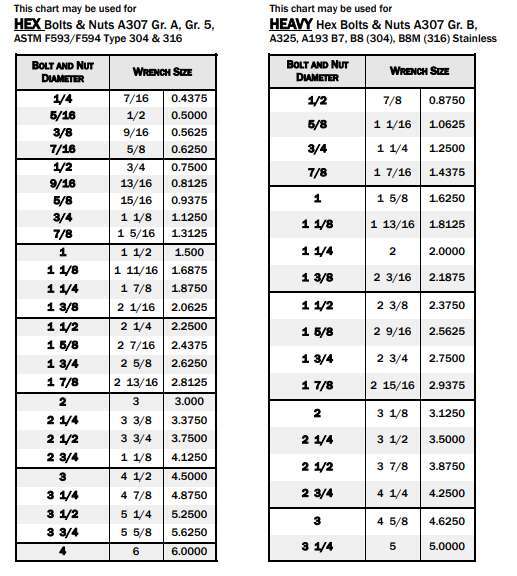
A 1-1/8-inch wrench or socket usually fits a standard 3/4-inch hex-head bolt in the United States. The 3/4-inch size refers to the bolt’s nominal diameter, not the size of the wrench.
Some 3/4-inch bolts use a larger 1-1/4-inch head, especially heavy-hex and structural bolts. Before applying force, check the bolt head or measure the distance between two flat sides.
This guide explains how to identify the correct wrench size, why bolt size and wrench size differ, and what to do when a 3/4-inch bolt does not match the usual size.

Quick Answer: Use a 1-1/8-Inch Wrench for a Standard 3/4-Inch Bolt
For a common SAE hex-head bolt, use:
- 1-1/8-inch open-end wrench
- 1-1/8-inch box-end wrench
- 1-1/8-inch combination wrench
- 1-1/8-inch socket
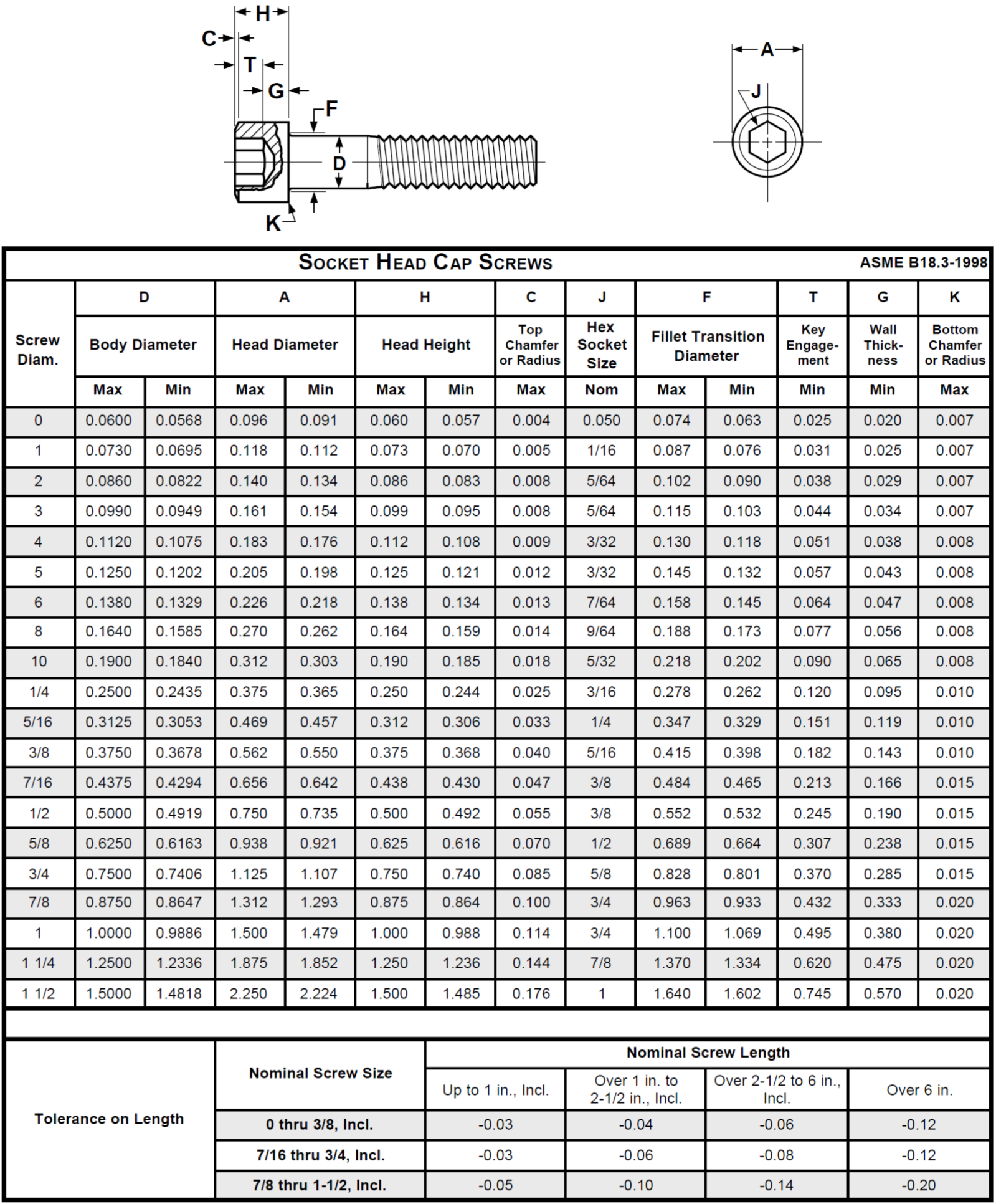
The wrench size is based on the bolt head’s width across the flats, often called WAF. It is not based on the bolt’s threaded diameter.
A standard 3/4-inch bolt has a nominal shank diameter of about 3/4 inch. Its head is wider so the wrench can grip it and turn it.
Common 3/4-inch bolt head sizes
| Bolt type | Typical wrench or socket size |
|---|---|
| Standard hex-head bolt | 1-1/8 inch |
| Heavy-hex bolt | 1-1/4 inch |
| Structural or heavy structural bolt | Often 1-1/4 inch |
| Bolt marked with a 3/4-inch head size | 3/4 inch |
The last row is different. If someone says “a 3/4-inch bolt,” they may mean a bolt with a 3/4-inch threaded diameter. If they say “a bolt that takes a 3/4-inch wrench,” they are describing the head size.

What Does “3/4-Inch Bolt” Mean?
A 3/4-inch bolt normally has a threaded section with a nominal diameter of 3/4 inch. The actual measured diameter may be slightly smaller because of thread shape and manufacturing tolerances.
The bolt may also have a thread designation such as:
- 3/4-10: 10 threads per inch, or coarse thread
- 3/4-16: 16 threads per inch, or fine thread
The thread count helps you select the matching nut. It does not tell you which wrench fits the bolt head.
For example, both a 3/4-10 bolt and a 3/4-16 bolt may use a 1-1/8-inch wrench if they have the same standard hex-head design.
The three measurements to keep separate
A bolt has several important dimensions:
- Nominal diameter — the bolt shaft or thread size, such as 3/4 inch.
- Thread pitch — the number of threads per inch, such as 10 or 16.
- Head width — the distance across the flat sides of the head, which determines wrench size.
Confusing these measurements is the most common reason people reach for the wrong wrench.
Standard Hex vs. Heavy-Hex Bolt Sizes
A standard 3/4-inch hex bolt usually takes a 1-1/8-inch wrench. A heavy-hex bolt of the same nominal diameter usually takes a 1-1/4-inch wrench.
Heavy-hex bolts have a larger head. They are common in structural steel work, bridge work, machinery, and other jobs that use high-strength fasteners.
The bolt diameter stays the same, but the head design changes. That is why two 3/4-inch bolts can require different wrench sizes.
Comparison table
| Nominal bolt diameter | Standard hex head | Heavy-hex head |
|---|---|---|
| 1/2 inch | 3/4 inch | 7/8 inch |
| 5/8 inch | 15/16 inch | 1-1/16 inch |
| 3/4 inch | 1-1/8 inch | 1-1/4 inch |
| 7/8 inch | 1-5/16 inch | 1-7/16 inch |
| 1 inch | 1-1/2 inch | 1-5/8 inch |
These are common U.S. customary sizes. The exact head size can vary by bolt standard, manufacturer, age, and application.
How to tell the difference
A heavy-hex bolt has a visibly wider and thicker head than a standard hex bolt. If a 1-1/8-inch wrench is too small but a 1-1/4-inch wrench fits snugly, the bolt may be a heavy-hex type.
Do not force a wrench that is too small. It can round the corners of the head and make removal harder.

How to Measure the Correct Wrench Size
The most reliable method is to measure the bolt head across two opposite flat sides.
Follow these steps
- Clean the bolt head. Remove dirt, paint, rust, and packed grease.
- Place a ruler or caliper across the flats. Measure from one flat side directly to the opposite flat side.
- Read the measurement in inches.
- Choose the closest exact wrench size.
- Test the fit by hand before using a ratchet or breaker bar.
A correct wrench should slide fully onto the head. It should not rock from side to side.
If you have a socket set, try the likely size first. For a standard 3/4-inch bolt, start with a 1-1/8-inch socket. If it does not fit, try 1-1/4 inch only after checking that the bolt head is a heavy-hex style.
Use the right fit test
A good wrench should:
- Sit fully on the bolt head
- Contact the flat sides evenly
- Have very little side-to-side movement
- Stay seated when you apply light hand pressure
A wrench that feels loose may be the wrong size, a metric size, or a tool with worn jaws.
What If a 3/4-Inch Bolt Does Not Fit a 1-1/8-Inch Wrench?
If the usual wrench does not fit, check the bolt before applying more force.
Possible causes
1. The bolt has a heavy-hex head
Try a 1-1/4-inch wrench if the head is clearly larger than a standard hex head.
2. The fastener is metric
A metric bolt may look close to a U.S. bolt. A 19 mm wrench is close to 3/4 inch, but the sizes are not identical:
- 3/4 inch = 19.05 mm
- 19 mm = about 0.748 inch
That small difference can matter. A 19 mm wrench may fit some 3/4-inch heads loosely, but it can slip under heavy force. Use the exact system and size whenever possible.
3. The bolt head is damaged
Rounded corners can prevent a proper fit. A worn wrench can make the problem worse.
4. The bolt uses a special head
Flange bolts, square-head bolts, twelve-point bolts, and low-profile bolts may require a different tool or size.
5. The fastener is not actually 3/4 inch
A bolt may be labeled by its thread size, package description, or a nearby part. Measure the head instead of relying only on appearance.

SAE and Metric Wrench Sizes: Which Should You Use?
Use an SAE wrench for a U.S. customary bolt whenever possible. Use a metric wrench for a metric fastener.
SAE wrench sizes are measured in fractions of an inch, such as:
- 3/4 inch
- 7/8 inch
- 1 inch
- 1-1/8 inch
- 1-1/4 inch
Metric wrench sizes are measured in millimeters, such as:
- 18 mm
- 19 mm
- 21 mm
- 24 mm
- 32 mm
A near-match may seem to work during light hand tightening, but it can slip when the fastener is stuck. Slipping can damage the bolt and injure your hand.
Why 19 mm is not the same as 3/4 inch
A 3/4-inch wrench is 0.05 mm larger than a 19 mm wrench. That difference is small, but the fit also depends on manufacturing tolerance, wear, corrosion, and whether the bolt head has been damaged.
For a clean, undamaged 3/4-inch bolt, use a 1-1/8-inch SAE wrench when the head matches the standard size. Do not select 19 mm simply because 3/4 inch is close to 19 mm. The wrench must match the head width, not only the bolt’s name.
Can You Use a Socket Instead of a Wrench?
Yes. A socket is often the better choice when the bolt is accessible.
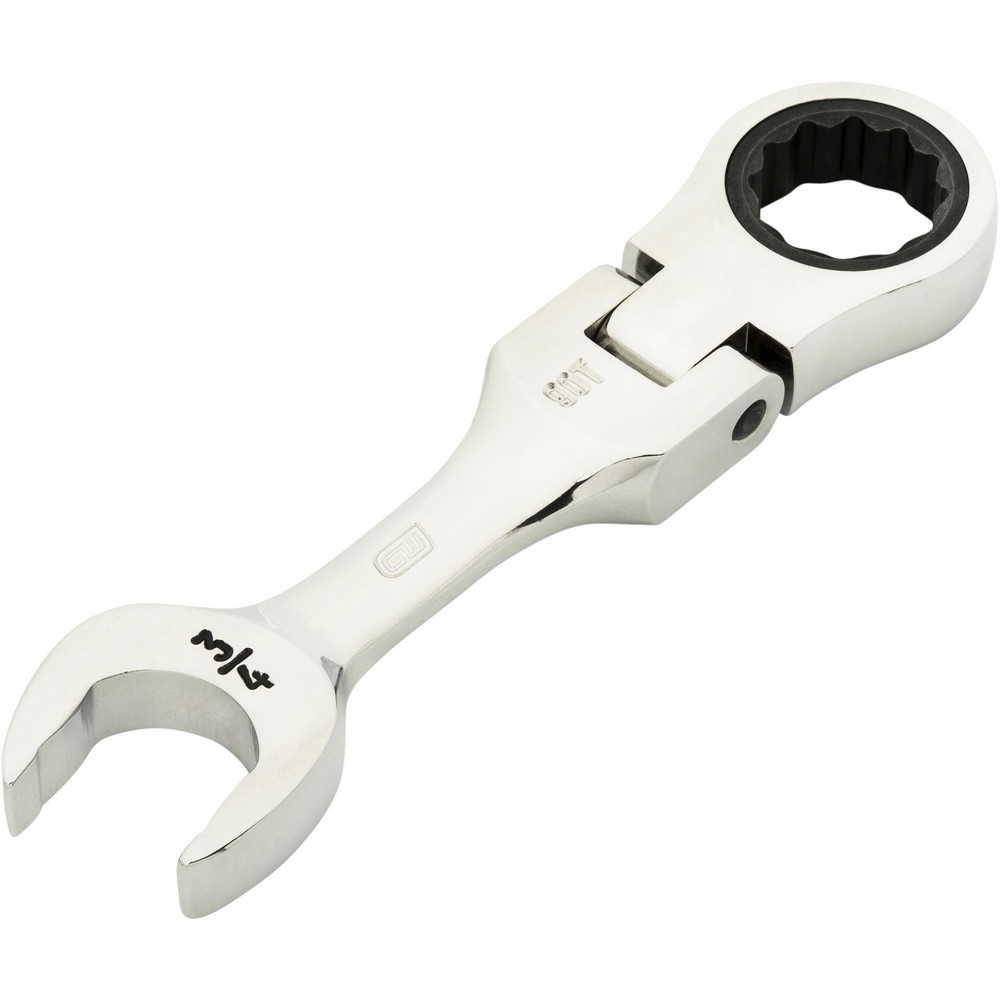
A 1-1/8-inch socket fits a standard 3/4-inch hex-head bolt. A socket grips more of the head than an open-end wrench and is less likely to slip when used straight and fully seated.
Use:
- A standard socket for normal access
- A deep socket when the bolt extends far through the nut
- A six-point socket for stubborn or high-torque fasteners
- An impact-rated socket with an impact wrench
A six-point socket is usually preferable to a twelve-point socket for a tight or damaged bolt. It places force on the flats rather than mainly on the corners.
Do not use a chrome hand-tool socket with an impact wrench. Use a socket rated for impact use.
Wrench Size Chart for Common Bolt Diameters
The following chart shows common standard hex-head sizes used with U.S. customary bolts. It is a quick reference, not a substitute for measuring the actual head.
| Nominal bolt size | Common standard wrench size |
|---|---|
| 1/4 inch | 7/16 inch |
| 5/16 inch | 1/2 inch |
| 3/8 inch | 9/16 inch |
| 7/16 inch | 5/8 inch |
| 1/2 inch | 3/4 inch |
| 9/16 inch | 7/8 inch |
| 5/8 inch | 15/16 inch |
| 3/4 inch | 1-1/8 inch |
| 7/8 inch | 1-5/16 inch |
| 1 inch | 1-1/2 inch |
The chart applies to common standard hex-head bolts. Heavy-hex bolts, flange bolts, structural bolts, and older fasteners may use different head dimensions.
Common Mistakes to Avoid
Mistaking the thread size for the wrench size
A 3/4-inch bolt does not normally take a 3/4-inch wrench. The bolt diameter and head width are separate measurements.
Using a loose wrench
A loose fit can round the bolt head. Stop if the tool rocks or slips.
Mixing SAE and metric tools
A nearby metric size may fit poorly. Use the correct wrench system when the fastener type is known.
Using an adjustable wrench for high force
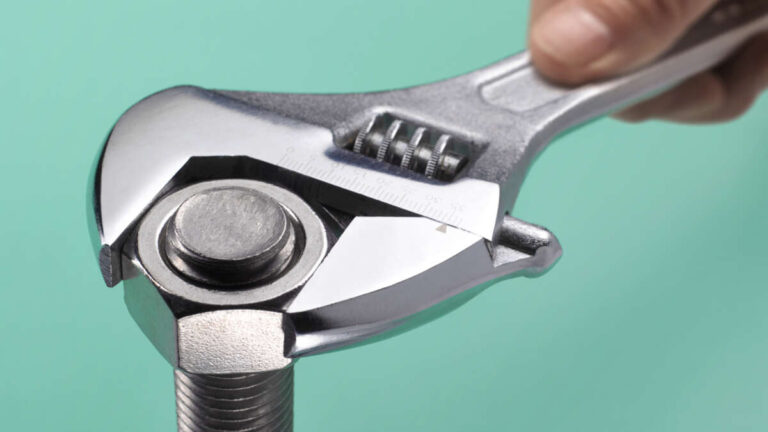
An adjustable wrench can work in a limited-access area, but it is more likely to slip than a properly sized fixed wrench or socket. Keep the movable jaw tight against the load side if an adjustable wrench is unavoidable.
Pulling the wrench toward your body
Whenever possible, pull with a controlled motion while keeping your hand clear if the tool slips. Avoid adding a pipe extension unless the tool and fastener are designed for that force.
Guessing torque from wrench size
The wrench size does not tell you the correct tightening torque. Torque depends on the bolt grade, thread condition, lubrication, joint design, and manufacturer or engineering requirements.
Use the service manual, project specification, or fastener manufacturer’s torque guidance for critical joints.
Safe Removal and Tightening Tips
Before working on a 3/4-inch bolt, make sure the vehicle, machine, or structure is stable. Support heavy parts with approved stands or supports. Never rely only on a jack when working beneath a vehicle.
For removal:
- Select the correct wrench or socket.
- Clean the bolt head and threads if accessible.
- Seat the tool completely on the bolt.
- Apply steady force.
- Stop if the head begins to round.
- Use penetrating oil or a suitable removal method when corrosion is present.
For tightening, start the nut by hand to avoid cross-threading. Tighten to the specified torque when the joint has a torque requirement.
If the bolt is part of a brake system, suspension, pressure vessel, structural connection, gas system, or other safety-critical assembly, follow the applicable repair instructions or ask a qualified professional.
Key Takeaways
- A standard 3/4-inch hex-head bolt usually takes a 1-1/8-inch wrench or socket.
- A heavy-hex 3/4-inch bolt often takes a 1-1/4-inch wrench.
- The bolt’s 3/4-inch size refers to its nominal diameter, not its head width.
- Measure across the flat sides of the bolt head for the most reliable answer.
- Do not force a loose SAE or metric wrench onto a bolt.
- A wrench size does not determine the correct tightening torque.
Frequently Asked Questions
Does a 3/4-inch bolt take a 3/4-inch wrench?
Usually, no. A standard 3/4-inch hex-head bolt normally takes a 1-1/8-inch wrench. The 3/4-inch measurement describes the bolt’s nominal diameter.
What size socket fits a 3/4-inch bolt?
A 1-1/8-inch socket usually fits a standard 3/4-inch hex-head bolt. A heavy-hex version may require a 1-1/4-inch socket.
Is a 19 mm wrench the same as a 3/4-inch wrench?
No. They are close, but not identical. A 3/4-inch wrench measures 19.05 mm, while a 19 mm wrench measures about 0.05 mm less. Use the correct wrench size to reduce slipping and damage.
What size wrench fits a 3/4-10 bolt?
The “3/4-10” marking means the bolt has a 3/4-inch nominal diameter and 10 threads per inch. A standard hex head commonly takes a 1-1/8-inch wrench, while a heavy-hex head commonly takes 1-1/4 inches.
What should I do if the bolt head is rounded?
Do not keep using a loose wrench. Clean the head, try a correctly sized six-point socket, and use penetrating oil if corrosion is present. If the fastener is badly damaged or part of a critical assembly, use a suitable extraction method or contact a qualified mechanic.
Conclusion
For most standard U.S. bolts, the answer is simple: a 3/4-inch bolt takes a 1-1/8-inch wrench or socket. If that size does not fit, check whether the bolt is heavy-hex, metric, damaged, or a different type of fastener.
The safest next step is to measure the bolt head across its flat sides, choose the exact matching wrench, and keep the tool fully seated before applying force.
Recent Tool Guides
 Hammer
How To Hammer Flowers Onto Paper: Easy Guide
Learn how to hammer flowers onto paper with simple steps, helpful tips, and beautiful results for...
Read Guide → Wrench
How To Use A Hex Wrench: Easy Step-By-Step Guide
Learn how to use a hex wrench correctly with simple steps, helpful tips, and common mistakes...
Read Guide → Hacksaw
How To Cut Curtain Pole With Hacksaw: Easy Guide
Learn how to cut curtain pole with hacksaw safely and neatly. Follow simple steps for accurate...
Read Guide → Wrench
How To Use A Husky Torque Wrench: Easy Guide
Learn how to use a Husky torque wrench correctly with simple steps, torque settings, and safety...
Read Guide → Hammer
How To Hold A Hammer: Safe Grip Guide
Learn how to hold a hammer with the right grip, stance, and technique for safer, more...
Read Guide → Hacksaw
How To Cut Flexible Metal Conduit With Hacksaw: Easy Guide
Learn how to cut flexible metal conduit with hacksaw safely and cleanly. Follow simple steps for...
Read Guide →