What Are Adjustable Wrenches Used For: Common Uses And Tips
An adjustable wrench is a hand tool used to turn nuts, bolts, and other fasteners of different sizes. In the United States, many people call it a crescent wrench, although Crescent is a brand name. Its movable jaw lets one wrench fit several fastener sizes.
Adjustable wrenches are useful for home repairs, plumbing work, automotive maintenance, furniture assembly, and general work in a U.S. garage or workshop. They are handy when you do not know the exact fastener size or need one compact tool for several jobs.
They are not the best choice for every task. A fixed-size wrench or socket usually grips better and is less likely to damage a fastener. The right tool depends on the fastener, the space around it, and how much force the job needs.
How an Adjustable Wrench Works
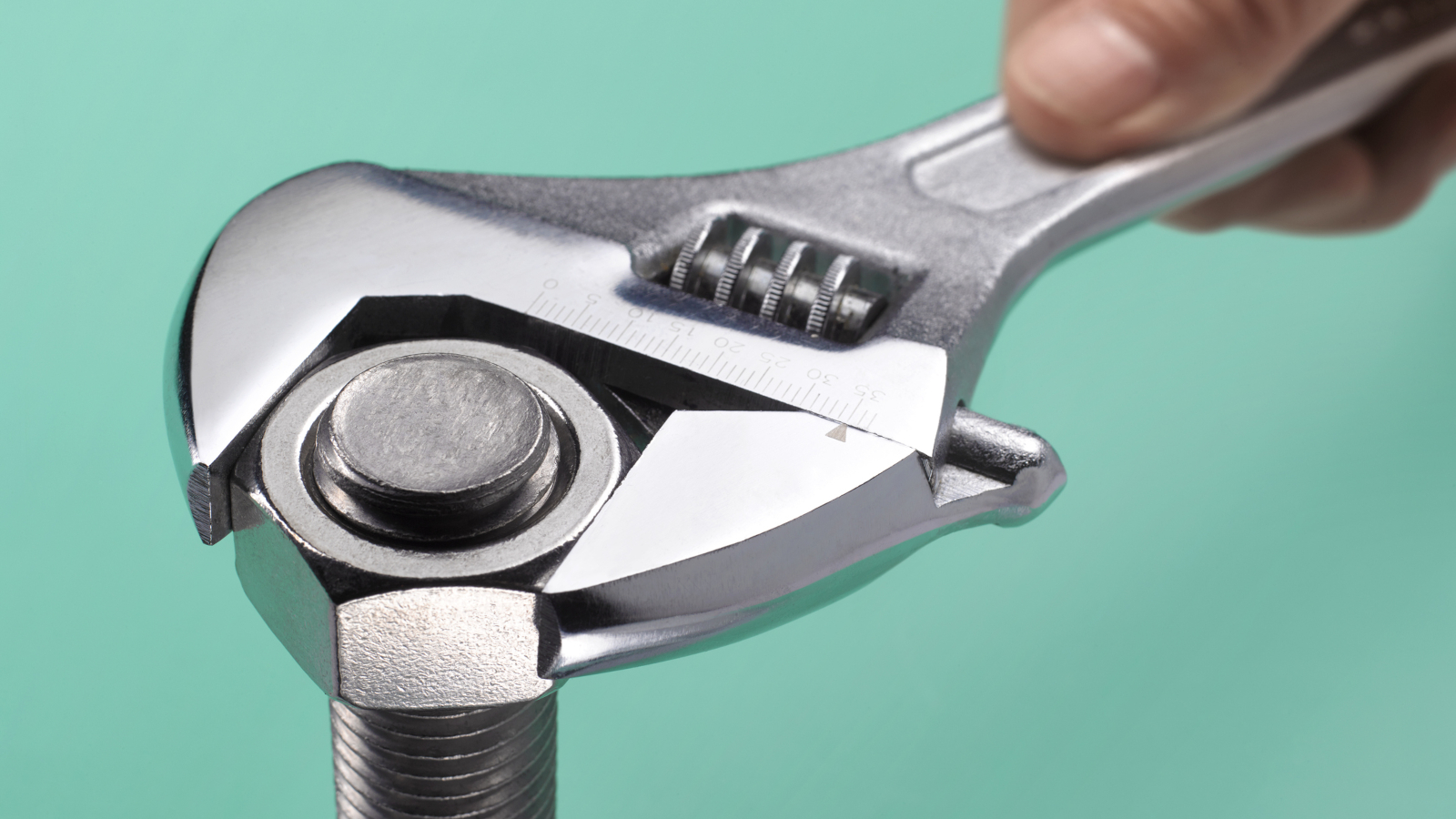
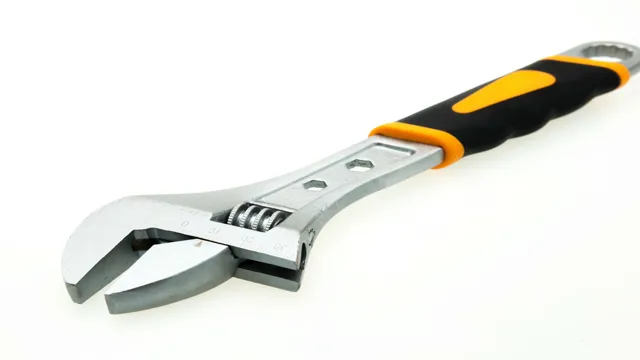
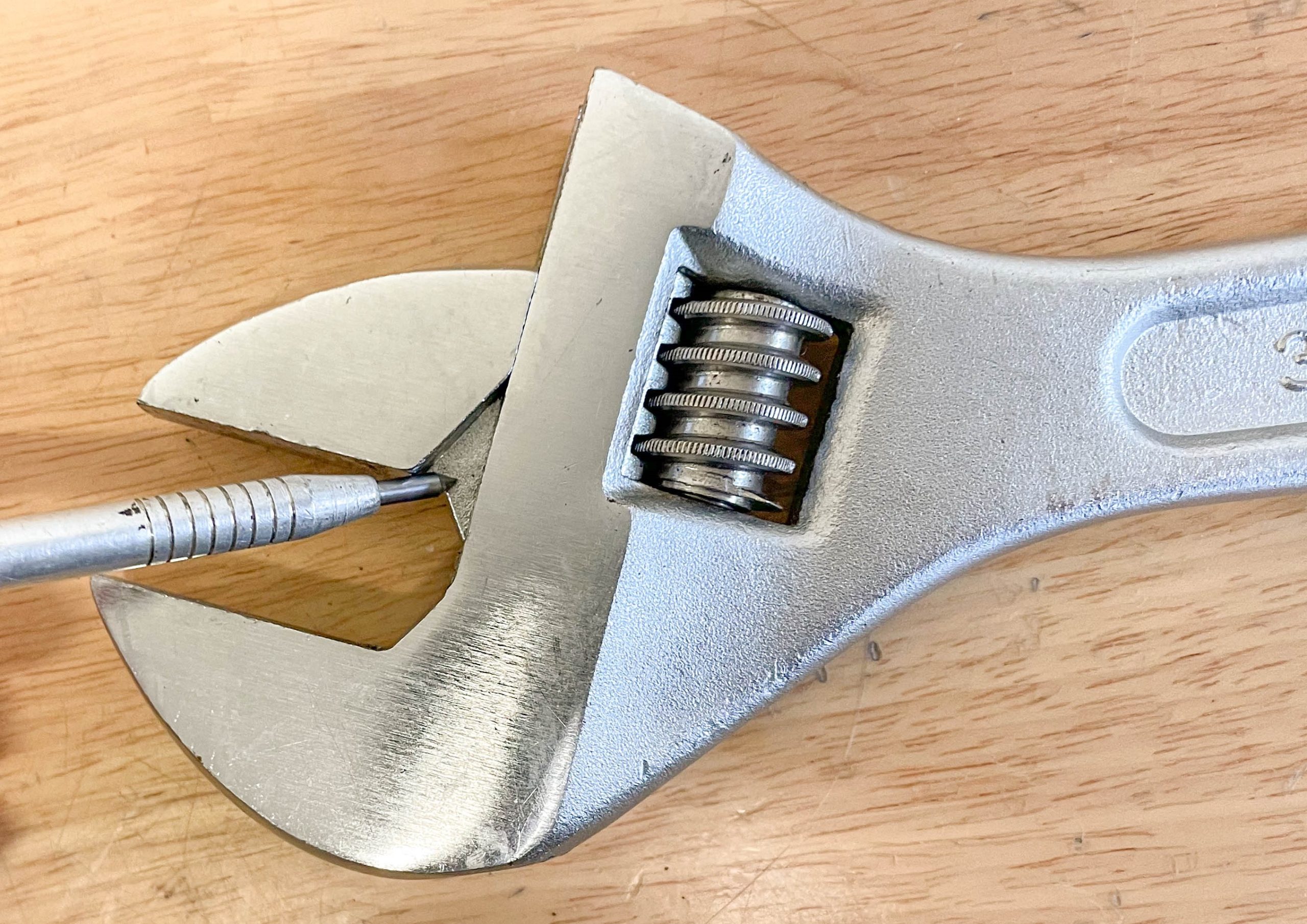
An adjustable wrench has a fixed jaw, a movable jaw, and a worm gear that opens or closes the jaw. You turn the worm gear by hand to set the opening to the width of the nut or bolt head.
The jaws should fit the fastener closely. A loose fit can cause the wrench to slip, round the fastener, or injure your hand.
Most adjustable wrenches have smooth, flat jaws. This design works well on hex-shaped nuts and bolts. It is not intended to grip round pipe, tubing, or other smooth objects.
Main parts of an adjustable wrench
- Fixed jaw: The stationary jaw that supports the fastener.
- Movable jaw: The jaw that slides as you turn the adjustment screw.
- Worm gear: The small screw that controls jaw width.
- Handle: The part you hold to apply turning force.
- Jaw opening: The maximum fastener size the wrench can fit.
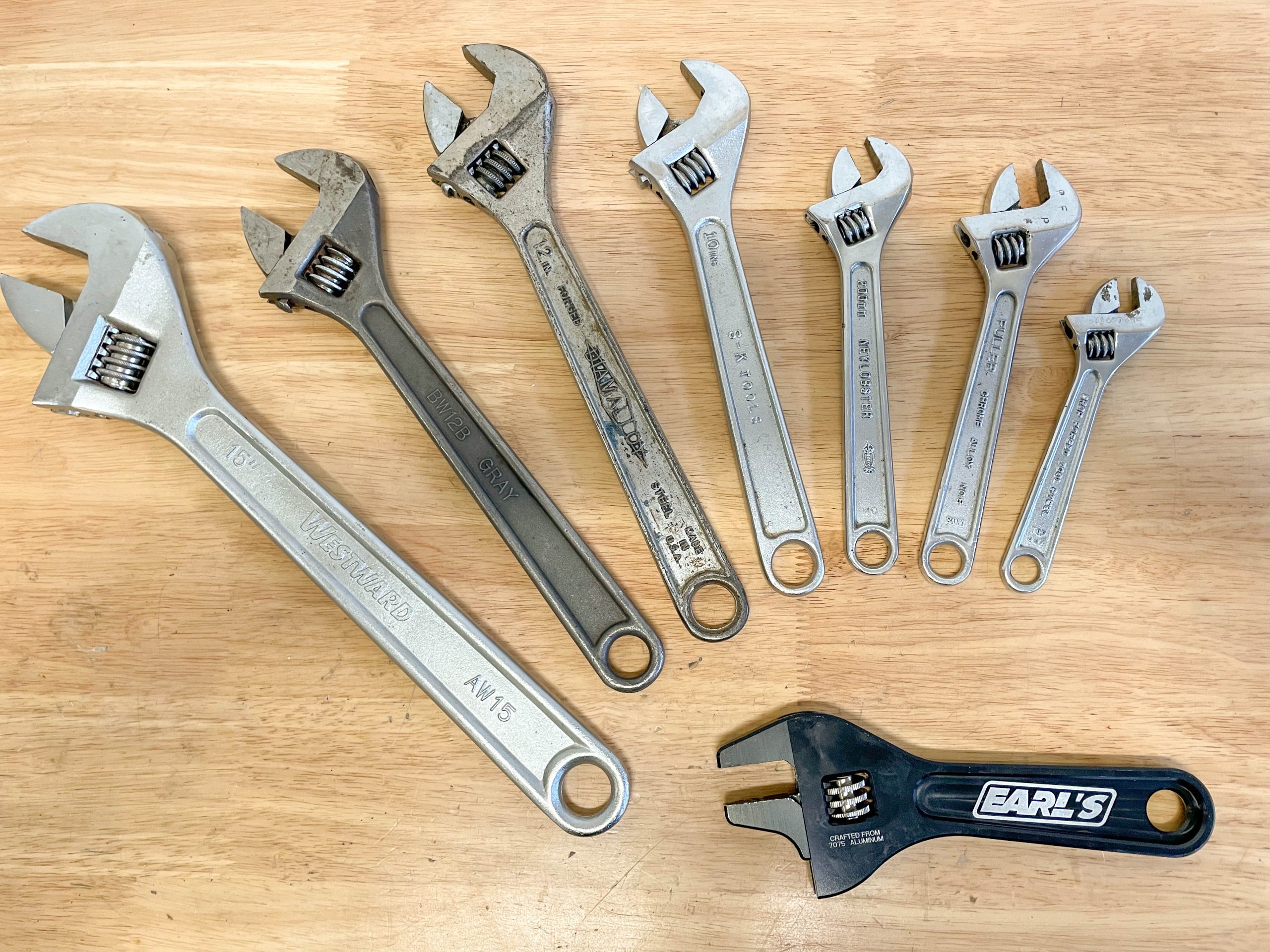
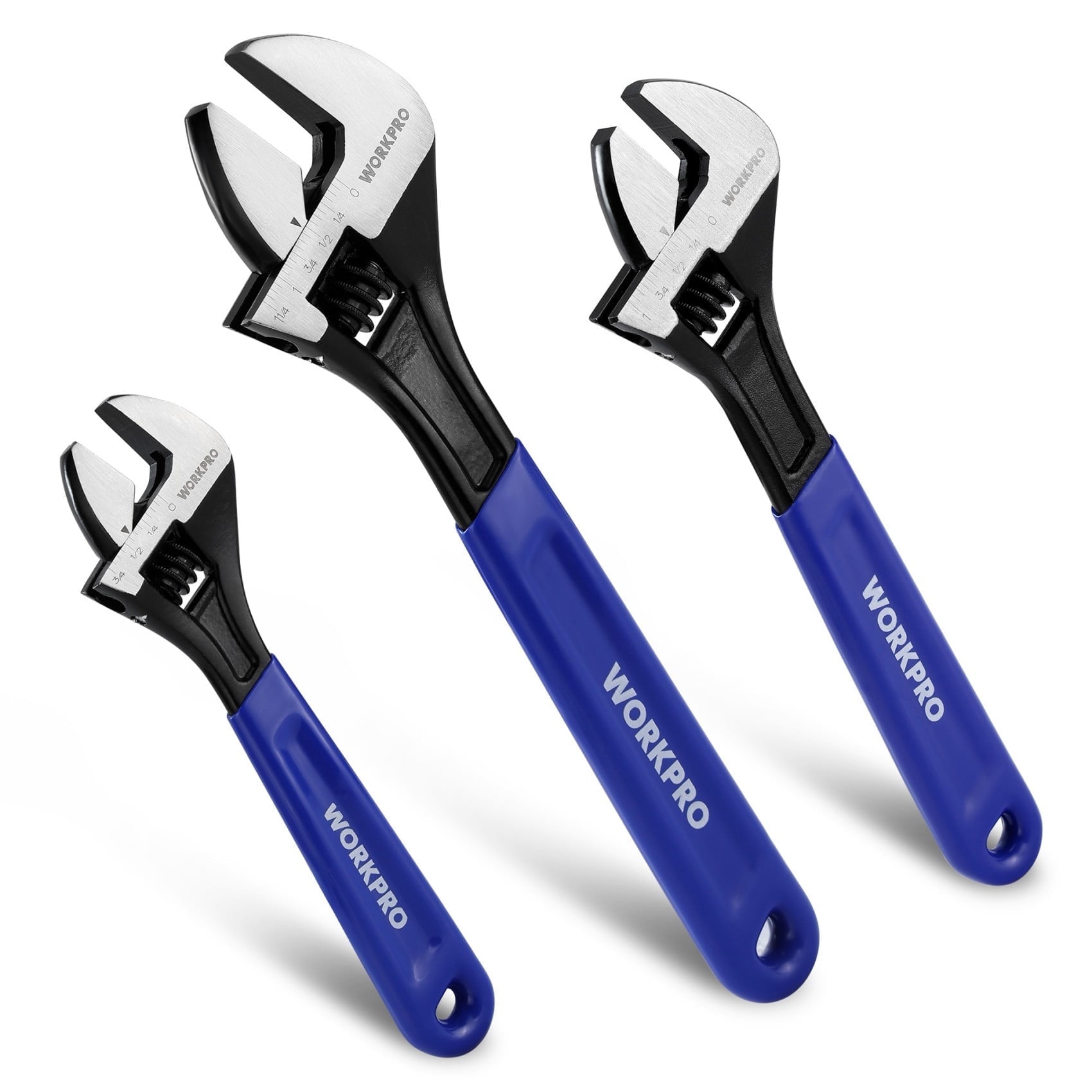
Adjustable wrench sizes are usually based on overall length or maximum jaw opening. Common U.S. sizes include 6-inch, 8-inch, 10-inch, and 12-inch models. A longer wrench can provide more leverage, but it may not fit in a tight space.
What Are Adjustable Wrenches Used For?
Adjustable wrenches are used to loosen or tighten hex nuts and bolt heads when a fixed-size wrench is unavailable, when the fastener size varies, or when carrying several tools is not practical.
1. Home repairs
An adjustable wrench is useful for many basic repairs around a U.S. home, such as:
- Tightening loose nuts on furniture
- Installing or removing appliance connections
- Adjusting bolts on lawn equipment
- Assembling shelves, grills, and exercise equipment
- Working on bicycles and outdoor tools
- Tightening hardware on doors, gates, and fences
For light work, one 6-inch or 8-inch wrench may handle many common tasks. Check the fastener and the tool instructions before applying force.
2. Plumbing work
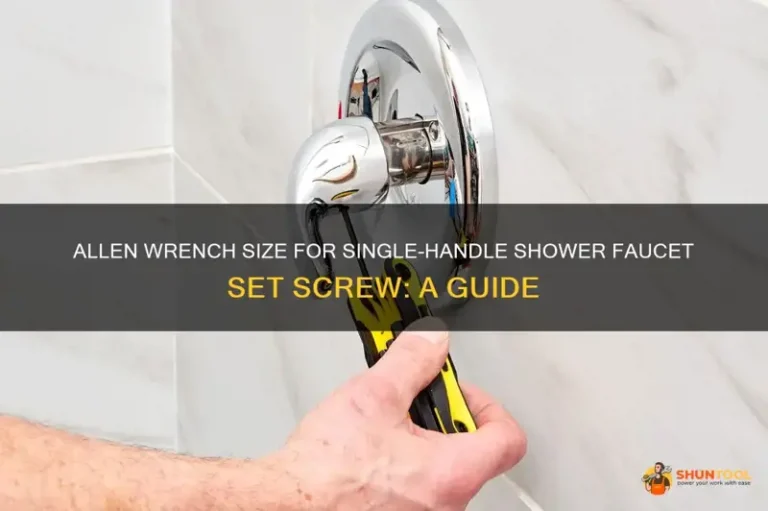
Adjustable wrenches can turn hex fittings on water supply lines, compression fittings, and some plumbing valves. They are especially useful when a fitting has flat sides designed for a wrench.
Use care around plumbing connections. Too much force can damage a fitting, split a plastic part, or cause a leak. For round pipe, use a pipe wrench or a tool made for that fitting instead.
When working on a water line:
- Shut off the correct water supply.
- Open a faucet to release pressure.
- Fit the wrench fully on the hex section.
- Turn slowly.
- Restore water pressure and check for leaks.
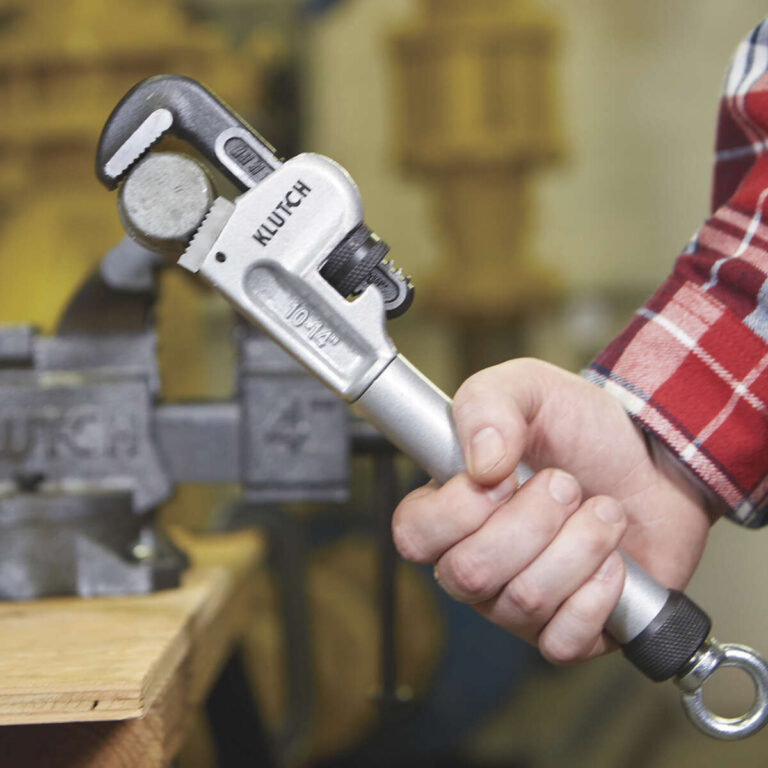
Do not use an adjustable wrench as a substitute for a pipe wrench on round, threaded pipe. The smooth jaws may slip and can damage the pipe surface.
3. Automotive maintenance
An adjustable wrench can help with light automotive work, including:
- Removing or tightening battery terminal nuts
- Adjusting certain brackets
- Turning accessible nuts and bolts
- Holding a nut while another tool turns the bolt
- Making temporary roadside repairs
It is less suitable for engine or suspension fasteners that require a precise torque value. A socket, box-end wrench, or torque wrench usually gives a better grip and more reliable control.
Before working on a vehicle, park on a stable surface, set the parking brake, and follow the vehicle manufacturer’s instructions. Never rely on a jack alone when working under a raised vehicle. Use properly rated jack stands.
4. Furniture and equipment assembly
Many products use standard hex nuts and bolts. An adjustable wrench can tighten these fasteners when the package does not include a tool or when several sizes are used.
Use only moderate force. Over-tightening can strip threads, crack wood, bend thin metal, or damage plastic parts. If the instructions provide a torque value, use a torque wrench rather than guessing with an adjustable wrench.
5. General maintenance and repair
Maintenance workers use adjustable wrenches for quick adjustments, especially when fastener sizes are unknown or change from one task to another. The tool also works well as a backup when a toolbox has limited space.
Its main value is flexibility. One tool can cover several sizes, but that flexibility comes with a trade-off: the movable jaw does not grip as securely as a correctly sized fixed wrench.
How to Use an Adjustable Wrench Correctly
Use an adjustable wrench by setting the jaws tightly around the fastener, keeping the force on the fixed jaw, and turning with steady pressure.
Step 1: Choose the right wrench size
Select a wrench that fits the work area and the fastener. A small wrench may not provide enough jaw capacity. A large wrench may not fit around nearby parts.
The handle should also be long enough for controlled force. Do not choose a very large wrench simply to gain leverage.
Step 2: Inspect the tool
Before use, check for:
- Cracked or bent metal
- Damaged jaws
- A loose movable jaw
- A worn or stuck worm gear
- Oil, grease, or dirt on the handle
- Signs of spreading or distortion
Do not use a wrench with damaged jaws or a loose adjustment mechanism.
Step 3: Set the jaw opening
Turn the worm gear until the jaws are slightly wider than the fastener. Place the wrench over the nut or bolt head. Then turn the worm gear until both jaws contact the flat sides.
The fit should be snug. You should not see a large gap between the jaws and the fastener.
Step 4: Position the wrench
Whenever possible, place the fastener against the fixed jaw. Apply force so the handle moves toward the fixed jaw rather than away from it.
This position reduces the chance that the movable jaw will shift or spread under load.
Step 5: Turn slowly
Use steady pressure. Keep your hand positioned so it will not strike a sharp edge if the wrench slips.
If the fastener does not move, stop and reassess. The fastener may be seized, corroded, cross-threaded, or too tight for an adjustable wrench.
Step 6: Reset the wrench when needed
For a large turn, remove the wrench, reposition it, and turn again. Do not twist the wrench at an angle or let only the corner of the jaw contact the fastener.
A correct setup should leave the fastener edges sharp and the wrench jaws seated flat after use.

Which Way Should an Adjustable Wrench Face?
The adjustable wrench should face so that turning force presses the fastener into the fixed jaw. This placement gives the tool better support and helps reduce jaw movement.
For example, if you are loosening a standard right-hand thread, turn the wrench counterclockwise while keeping the fixed jaw on the side that receives the load. The exact handle position depends on the wrench orientation and the direction of rotation.
The key rule is simple:
Load the fixed jaw, not the movable jaw.
If you cannot place the fixed jaw against the load, reposition the tool or use a different wrench. Forcing the wrong position can cause slipping and damage.
Adjustable Wrench vs. Other Wrenches
An adjustable wrench is convenient, but another wrench may work better for a specific job.
| Tool | Best use | Main advantage | Main limitation |
|---|---|---|---|
| Adjustable wrench | Several nut and bolt sizes | One tool covers many sizes | More likely to slip if poorly adjusted |
| Open-end wrench | Fasteners in narrow spaces | Fits over a fastener from the side | Can slip under high force |
| Box-end wrench | Regular tightening and loosening | Surrounds the fastener | Needs access over the fastener |
| Combination wrench | General repair work | Open end and box end in one tool | Each end fits one size |
| Socket wrench | Repeated work and deep access | Strong grip and quick operation | Requires sockets and clearance |
| Torque wrench | Final tightening to a specified value | Controls tightening force | Not a general-purpose loosening tool |
| Pipe wrench | Round pipe and fittings | Teeth grip round surfaces | Can damage finished surfaces |
| Locking pliers | Holding or turning damaged parts | Clamps onto difficult shapes | Can crush or damage the workpiece |
Use an adjustable wrench when flexibility matters more than maximum grip. Use a fixed wrench or socket when the fastener is tight, delicate, or important to safety.
When Should You Not Use an Adjustable Wrench?
Do not use an adjustable wrench when the tool cannot grip the fastener securely or when the work requires a specific torque.
Avoid using one for:
- Severely corroded or seized fasteners
- Rounded nuts and bolt heads
- High-torque automotive suspension parts
- Structural bolts
- Fasteners with a required torque specification
- Round pipe or smooth tubing
- Turning electrical components while power is on
- Striking, prying, or hammering
- Extending the handle with a pipe
- Removing stuck fasteners with sudden force
A torque wrench is needed when the manufacturer specifies a tightening value. This is common for vehicle wheel lug nuts, engine parts, pressure equipment, and other safety-related assemblies.
An adjustable wrench also should not be used on live electrical equipment. Although the wrench itself is metal, it is not automatically insulated or rated for electrical work. De-energize the equipment and follow appropriate electrical safety procedures.
How to Prevent Damage and Slips
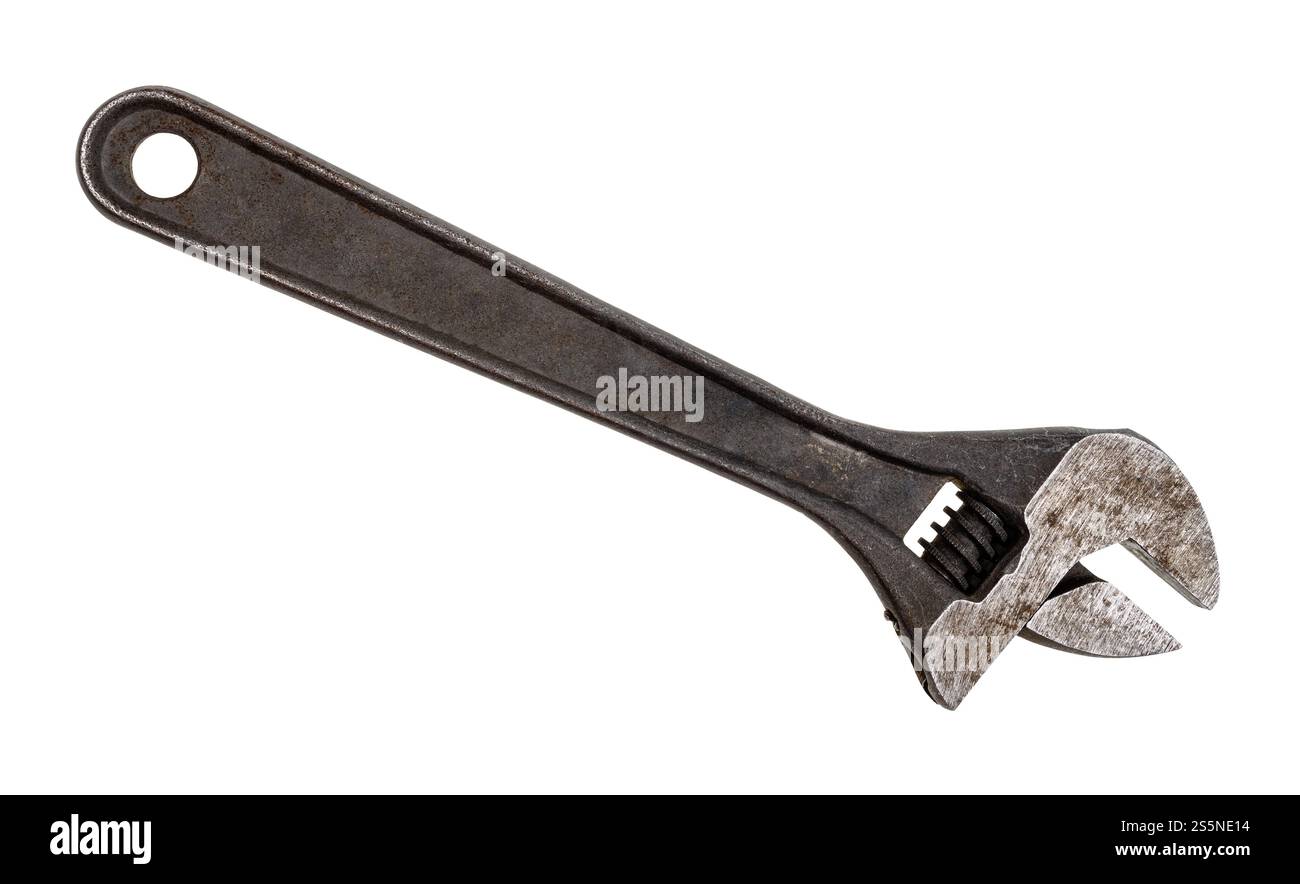
Most problems come from a poor fit, the wrong direction of force, or excessive pressure. These simple habits help protect both the tool and the fastener.
Keep the jaws square
The wrench should sit straight across the fastener. Do not hold it at an angle. Angled contact places force on the corners instead of the flat sides.
Tighten the adjustment
Set the movable jaw firmly against the fastener before turning. Do not leave the jaw loose.
Pull instead of push when practical
Pulling gives you more control and keeps your hand away from the work if the tool slips. If you must push, use an open hand and keep your body balanced.
Do not use a cheater bar
A cheater bar is a pipe or other extension placed over a wrench handle. It increases leverage beyond the tool’s intended design and can bend the wrench, break the fastener, or cause injury.
Clean and store the wrench
Wipe off dirt and moisture after use. A small amount of suitable lubricant on the adjustment screw can help prevent binding. Store the wrench in a dry place with the jaws slightly open.

What to Do If the Fastener Will Not Move
If an adjustable wrench slips or the fastener will not turn, stop rather than applying more force.
- Remove the wrench and inspect the fastener.
- Clean dirt, rust, or paint from the flat sides.
- Check that you are turning in the correct direction.
- Reset the jaws so they fit tightly.
- Move the wrench so the fixed jaw receives the load.
- Try a correctly sized box-end wrench or socket.
- Use an approved penetrating product if suitable for the material and task.
- Replace the fastener if its corners are becoming rounded.
- Ask a qualified mechanic, plumber, or repair professional for help when the part is pressurized, structural, or safety-critical.
Do not keep turning after the wrench begins to round the fastener. A damaged fastener is harder to remove and may require a specialized extractor.

Common Adjustable Wrench Mistakes
Using the wrong jaw size
A wrench that is too large for the fastener can slip. Select a smaller wrench if its jaw opening can still fit the fastener without crowding the work area.
Gripping the corners
The jaws should contact the flat sides of the nut or bolt head. Corner contact can quickly round the edges.
Loading the movable jaw
The movable jaw can shift under force. Turn the tool so the fixed jaw supports the load.
Using the wrench as a hammer
Adjustable wrenches are designed for turning, not striking. Hammering can damage the tool and send metal fragments into the air.
Applying too much force
If normal hand pressure does not work, use a better-fitting tool or address the cause of the resistance. More force is not always the safer answer.
Forgetting clearance
A wrench handle can swing into a wall, sharp edge, hot surface, or moving machine part. Check the path before turning.

How to Choose an Adjustable Wrench
Choose an adjustable wrench based on jaw capacity, handle length, access, and the type of work.
Jaw capacity
The maximum opening must fit the largest fastener you expect to turn. A larger capacity does not always mean a better tool if the wrench cannot fit into the work area.
Length
A 6-inch wrench is compact and useful for light repairs. An 8-inch wrench is a common general-purpose size. A 10-inch or 12-inch wrench provides more capacity and leverage but needs more room.
Jaw movement
The movable jaw should slide smoothly with little side-to-side play. Excess movement makes it harder to maintain a tight fit.
Handle design
A comfortable handle can help with control during repeated work. Avoid oily or smooth handles that are difficult to hold.
Material and finish
Quality tools are commonly made from forged steel or similar strong metal. A corrosion-resistant finish can help with storage and routine use, but no finish makes a wrench safe for live electrical work.
Measurement system
Many fasteners in the United States use both inch-based and metric sizes. An adjustable wrench can fit either, as long as the jaw opening matches the fastener. For frequent work, a set of inch and metric fixed wrenches may provide a better grip.
Key Takeaways
- An adjustable wrench turns nuts, bolts, and other hex fasteners of different sizes.
- In the United States, it is often called a crescent wrench.
- Set the jaws tightly and place the fixed jaw against the load.
- Use it for light home, plumbing, automotive, and maintenance work.
- Use a socket, box-end wrench, or torque wrench when grip or accuracy matters.
- Never use an adjustable wrench as a hammer, pry bar, pipe wrench, or cheater-bar tool.
- Stop if the tool slips or the fastener begins to round.
Frequently Asked Questions
Can an adjustable wrench replace a full wrench set?
It can cover several sizes, but it should not replace a full wrench set for regular or high-force work. A correctly sized fixed wrench usually grips better and is less likely to damage the fastener.
Is an adjustable wrench the same as a crescent wrench?
In common U.S. usage, the terms often mean the same type of tool. Crescent is a brand name that became widely associated with adjustable wrenches.
Can I use an adjustable wrench on a pipe?
Use it only on a pipe fitting with flat hex sides. Do not use it on smooth, round pipe. A pipe wrench is designed for round pipe, while an adjustable wrench may slip or damage the surface.
Why does my adjustable wrench keep slipping?
The jaws may be too loose, the wrench may be angled, the movable jaw may be worn, or the fastener may be rounded. Clean the fastener, tighten the adjustment, load the fixed jaw, and switch to a fixed-size wrench if the problem continues.
What size adjustable wrench should I buy first?
An 8-inch adjustable wrench is a practical general-purpose starting size for many home repairs. Add a smaller wrench for tight spaces and a larger one only when your work requires greater jaw capacity.
Conclusion
An adjustable wrench is a flexible tool for turning many different nut and bolt sizes with one compact handle. It works best when the jaws fit tightly, the tool sits squarely on the fastener, and force is directed into the fixed jaw.
For light repairs and quick adjustments, it may be all you need. For high torque, precise tightening, damaged fasteners, or safety-critical work, choose a properly sized fixed wrench, socket, pipe wrench, or torque wrench instead.
Recent Tool Guides
 Hammer
How To Hammer Flowers Onto Paper: Easy Guide
Learn how to hammer flowers onto paper with simple steps, helpful tips, and beautiful results for...
Read Guide → Wrench
How To Use A Hex Wrench: Easy Step-By-Step Guide
Learn how to use a hex wrench correctly with simple steps, helpful tips, and common mistakes...
Read Guide → Hacksaw
How To Cut Curtain Pole With Hacksaw: Easy Guide
Learn how to cut curtain pole with hacksaw safely and neatly. Follow simple steps for accurate...
Read Guide → Wrench
How To Use A Husky Torque Wrench: Easy Guide
Learn how to use a Husky torque wrench correctly with simple steps, torque settings, and safety...
Read Guide → Hammer
How To Hold A Hammer: Safe Grip Guide
Learn how to hold a hammer with the right grip, stance, and technique for safer, more...
Read Guide → Hacksaw
How To Cut Flexible Metal Conduit With Hacksaw: Easy Guide
Learn how to cut flexible metal conduit with hacksaw safely and cleanly. Follow simple steps for...
Read Guide →