What Is A Combination Wrench Used For: Essential Guide
A combination wrench is used to tighten and loosen nuts and bolts. It has two ends: an open-end jaw for quick access and a closed box end for a stronger grip. In the United States, combination wrenches are sold in both SAE inch sizes and metric sizes, so choosing the right size is essential.
This simple hand tool is common in American garages, home workshops, farms, and job sites. It works well when a socket cannot fit or when you need to hold a nut while turning a bolt from the other side.
What Is a Combination Wrench?
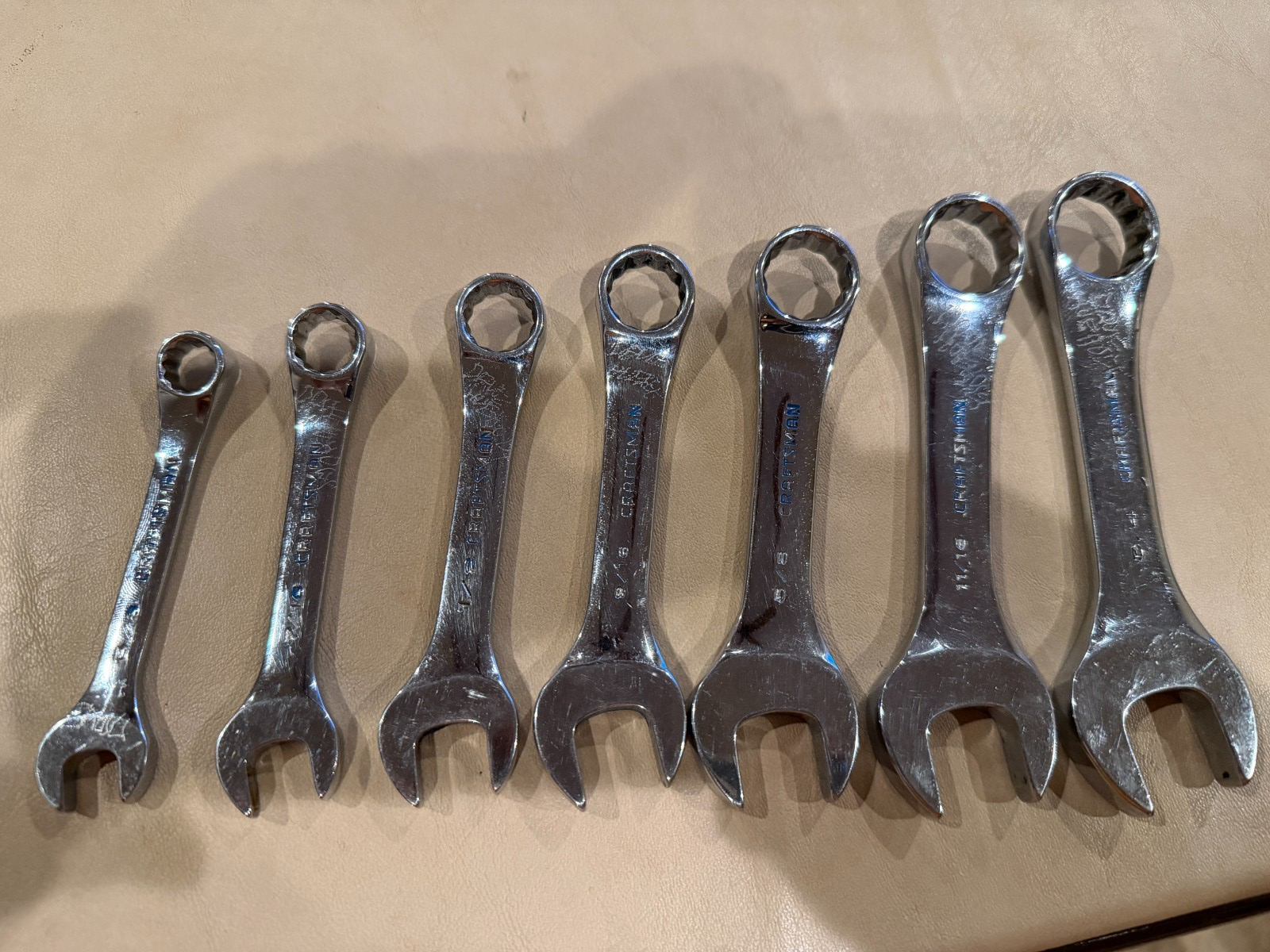
A combination wrench is one solid wrench with two working ends of the same size. For example, a 1/2-inch combination wrench has a 1/2-inch open end and a 1/2-inch box end.
The two ends serve different purposes:
- Open end: Fits over one side of a nut or bolt. It is useful when space around the fastener is limited.
- Box end: Surrounds the fastener. It usually provides better contact and is less likely to slip when used correctly.
- Handle: Gives you leverage, or turning force.
- Offset head: Some box ends angle away from the handle. This can help clear nearby parts.
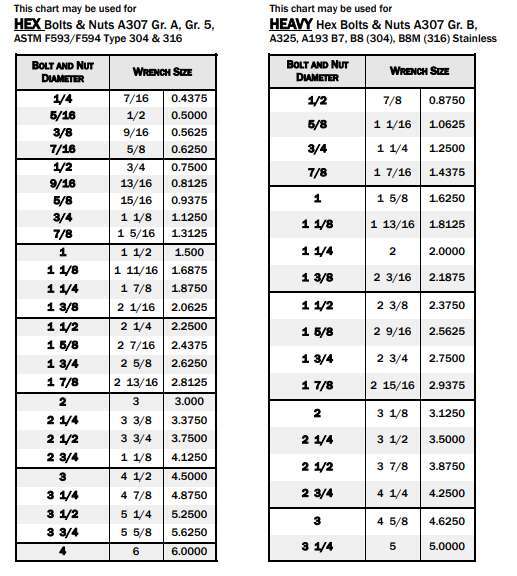
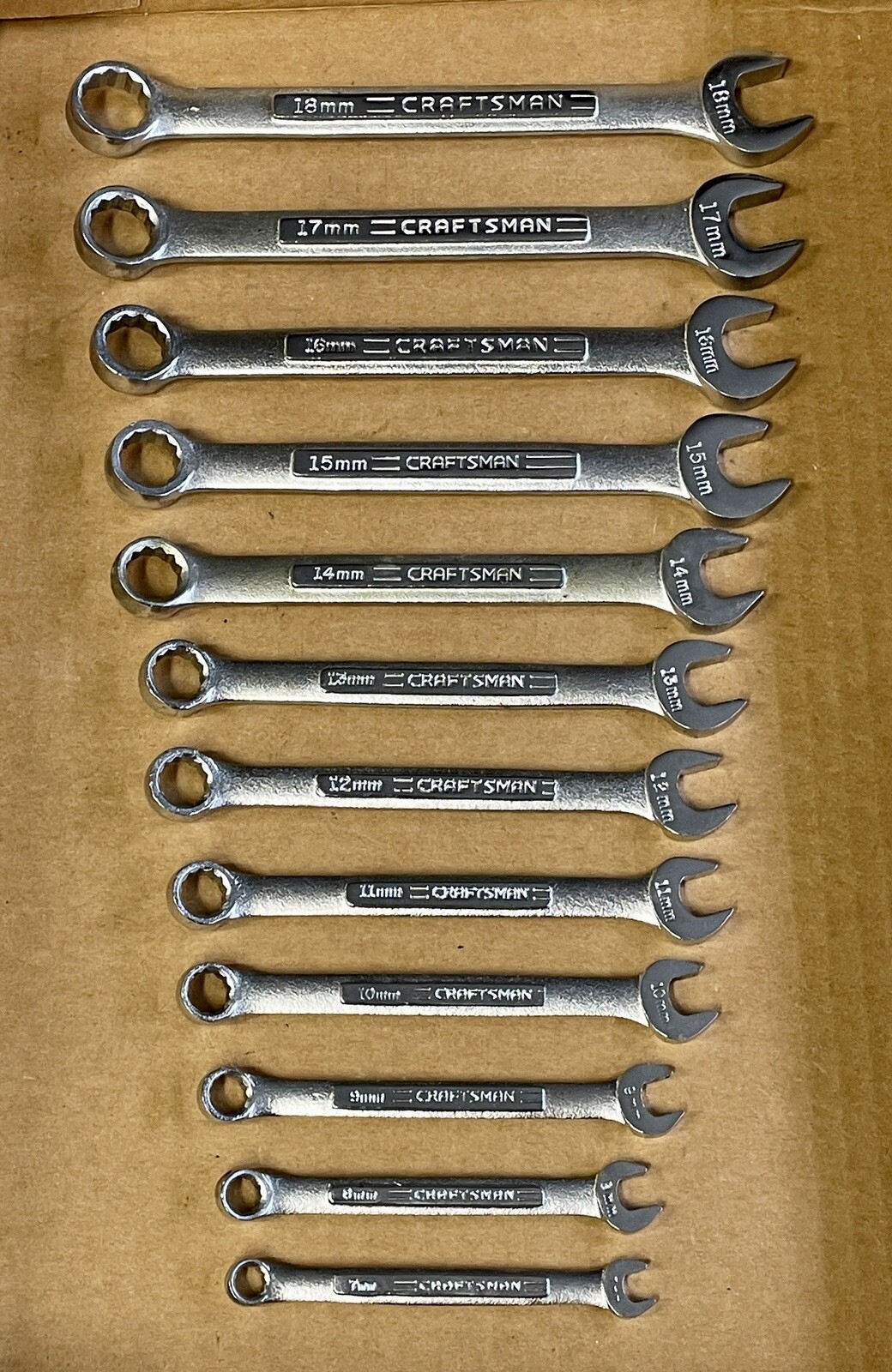
The wrench size refers to the width across the flat sides of the nut or bolt head. A 13 mm wrench fits a 13 mm fastener. A 1/2-inch wrench fits a 1/2-inch fastener.
A combination wrench is not the same as an adjustable wrench. An adjustable wrench has a movable jaw, while a combination wrench has a fixed size. The fixed jaws usually fit the fastener more closely.

What Is a Combination Wrench Used For?
A combination wrench is used for several common fastening jobs.
Tightening nuts and bolts
Use the wrench to turn a nut or bolt clockwise when viewed from the fastener side. This usually tightens a standard right-hand thread.
The box end is often the better choice for final tightening because it grips more sides of the fastener. The open end is useful for starting the fastener or working in a tight space.
Loosening stuck fasteners
A combination wrench can loosen a tight nut or bolt when you need more control than an adjustable wrench provides.
Place the box end fully over the fastener when possible. Apply steady force rather than sudden jerks. If the fastener will not move, stop before the wrench slips or the fastener begins to round.
Holding a nut while turning a bolt
Many assemblies have a bolt and nut that turn together. Use one combination wrench to hold the nut and another tool to turn the bolt head.
This is common on:
- Car brackets
- Lawn equipment
- Furniture
- Bicycles
- Trailer parts
- Plumbing supports
- Machinery frames
Working in narrow spaces
The open end can slide onto a nut from the side. This helps when a bolt or stud prevents you from sliding a closed tool over the top.
The box end also helps in tight spaces when you can move the wrench only a small amount. Lift the wrench, reposition it, and turn again.
Turning fasteners in repeated steps
A combination wrench is useful when a socket and ratchet are too large or cannot reach the fastener. Its slim profile often fits between brackets, panels, and other parts.

How to Use a Combination Wrench Correctly
Use the following steps for most basic fastening work.
1. Identify the fastener size
Check whether the fastener uses:
- SAE sizing: Measured in inches, such as 3/8 inch or 1/2 inch
- Metric sizing: Measured in millimeters, such as 10 mm or 13 mm
Do not assume that a nearby size will work. A wrench that is slightly too large can slip and damage the fastener.
2. Choose the best end
Use the box end when:
- You can slide it fully over the fastener
- The fastener is tight
- You need a firm grip
- You want to reduce the chance of rounding the corners
Use the open end when:
- You cannot reach the fastener from above
- A stud blocks the box end
- You need to work around a wire, tube, or bracket
- You must remove and replace the wrench from the side
3. Seat the wrench fully
Push the wrench all the way onto the fastener. The wrench should sit flat and square, not at an angle.
A poor fit creates extra stress on the corners. It also raises the chance that the wrench will slip.
4. Turn with controlled force
Pull the wrench with a smooth motion. Keep your hand clear of nearby edges and moving parts.
When possible, pull the wrench toward your body rather than pushing it away. If the wrench slips, this position may give you better control. Still, keep your body balanced and avoid placing your face or hand in the tool’s path.
5. Reposition as needed
In a tight area, turn the wrench a small amount, remove it, and place it back at a new angle. Repeat until the fastener is loose or tight enough.
Do not strike a standard combination wrench with a hammer unless the wrench is specifically designed for striking. Do not add a pipe to the handle for more leverage.
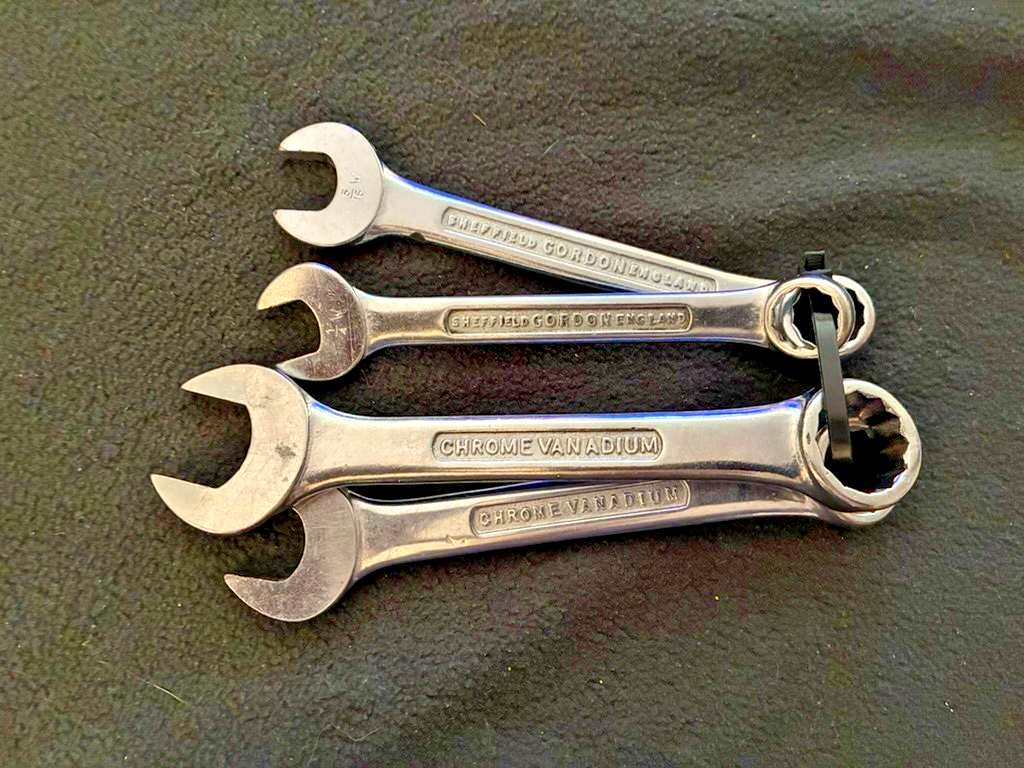
Combination Wrench vs. Other Wrenches
The right tool depends on access, fastener condition, and the required force.
| Tool | Main advantage | Main limitation |
|---|---|---|
| Combination wrench | Open and closed ends in one tool | Requires the exact size |
| Socket and ratchet | Fast turning and strong access from above | May not fit around side obstructions |
| Adjustable wrench | One tool fits many sizes | Can slip if poorly adjusted |
| Open-end wrench | Works from the side | Less contact with the fastener |
| Box-end wrench | Strong grip around the fastener | Needs top or end access |
| Flare-nut wrench | More contact around tubing nuts | Designed for specific line fittings |
| Crowfoot wrench | Reaches some deep or awkward fasteners | Often needs a ratchet or torque wrench |
A combination wrench is a good general-purpose choice. A socket set is usually faster for many repeated turns. An adjustable wrench is convenient, but it should not replace a correctly sized fixed wrench when the fastener is tight.
Combination wrench or socket?
Choose a combination wrench when a side opening helps you reach the fastener. Choose a socket when you can approach the fastener from above and need quick, repeated turns.
A socket also works well with a torque wrench. If the manufacturer gives a specific torque value, follow that value and use a calibrated torque tool when required.
Combination wrench or adjustable wrench?
Choose a combination wrench for a firm, exact fit. Choose an adjustable wrench when the fastener size is unknown or unusual and the load is modest.
Always adjust the movable jaw tightly against the fastener. The fixed jaw should take most of the load. Even then, an adjustable wrench can slip more easily than a properly sized combination wrench.
Combination wrench or flare-nut wrench?
Use a flare-nut wrench on brake lines, fuel lines, and other tubing fittings when the fitting design calls for it. A standard combination wrench may not grip enough of a soft tube nut and can damage its corners.

What Do the 6-Point and 12-Point Ends Mean?
The number of points describes the shape inside the box end.
6-point box end
A 6-point end contacts the six flat sides of a standard hex nut or bolt head. It is often the better choice for:
- Tight or stuck fasteners
- Rusted hardware
- High turning force
- Fasteners with worn corners
Its broad contact can help reduce stress on the corners.
12-point box end
A 12-point end has twice as many contact positions. This lets you place the wrench at more angles, which helps in confined spaces.
A 12-point end can be useful for:
- Small turning arcs
- Crowded engine areas
- Fasteners that are easy to turn
- Jobs where repositioning space is limited
For a badly stuck or damaged fastener, a 6-point tool is usually the safer starting choice. Neither design can guarantee success if the size is wrong or the fastener is severely damaged.

How Much Force Can a Combination Wrench Take?
A combination wrench can handle normal hand force within its design limits. Its safe working force depends on the wrench size, material, design, condition, and the fastener.
Do not judge capacity only by the length of the handle. A longer wrench gives more leverage, but it also creates more force on the fastener and the tool.
The basic relationship is:
Torque = Force × Distance
For example, applying 20 pounds of force at the end of a 1-foot handle produces about 20 pound-feet of torque. This is a hypothetical calculation, not a safe rating for a particular wrench.
For torque-critical work, use a torque wrench and follow the equipment maker’s instructions. A combination wrench is not a substitute for a torque wrench when a precise torque value matters.
Never use these methods to gain leverage:
- A cheater pipe over the handle
- A hammer strike
- A second wrench joined to the first
- A powered tool attached to the wrench
These actions can overload the wrench, damage the fastener, or cause a sudden slip.

Common Mistakes When Using a Combination Wrench
Most wrench damage comes from a poor fit, poor alignment, or excessive force.
Using the wrong size
A metric wrench may seem close to an SAE size, but it may not fit correctly. The same is true in reverse. Use the exact size whenever possible.
Using the open end on a very tight fastener
The open end contacts fewer surfaces than the box end. It can spread or slip under high force.
Use the box end for the first attempt when access allows. If the fastener is damaged, stop and choose a tool made for damaged hardware.
Working at an angle
A wrench should sit squarely on the fastener. An angled fit places uneven force on the corners and makes slipping more likely.
Pulling from the wrong side
If the wrench slips, your hand can hit a sharp edge or hot part. Plan the direction of movement before applying force.
Using a damaged wrench
Do not use a wrench with:
- Cracks
- Bent jaws
- Spread open-end jaws
- Rounded box-end points
- Severe rust
- A visibly distorted handle
A damaged wrench may not hold the fastener correctly.
Using a wrench as a hammer
A normal combination wrench is not a striking tool. Hitting it can damage the wrench and send metal fragments into the air.
Turning the wrong part
Before applying force, confirm that you are turning the nut or bolt you intend to remove. On machinery and vehicles, a fastener may hold a spring-loaded, hot, or heavy part.

Safety Tips for Using a Combination Wrench
Good technique helps prevent hand injuries and damaged hardware.
- Wear safety glasses when rust, dirt, or metal may break loose.
- Use gloves when they improve grip without reducing control.
- Keep the wrench and fastener clean.
- Disconnect power before working on powered equipment.
- Let hot vehicle or machine parts cool before touching them.
- Support vehicles with properly rated jack stands; never rely on a jack alone.
- Keep fingers away from pinch points.
- Do not use a wrench near live electrical parts unless the tool and work method are rated for that task.
- Use the manufacturer’s repair instructions for vehicles, machines, and pressure systems.
- Stop if the fastener, tool, or surrounding part begins to deform.
The Occupational Safety and Health Administration advises employers to keep hand tools in safe condition and use them for their intended purpose. Home users should follow the same basic rule: use the right tool, inspect it, and do not force a tool beyond its design.

How to Choose the Right Combination Wrench
Choose a wrench based on the fastener, available space, and required force.
Check the measurement system
For American vehicles and equipment, you may encounter both SAE and metric fasteners. Newer equipment often uses metric hardware, while older American vehicles and machines may use SAE sizes. Check the fastener rather than guessing from the product’s country of origin.
Pick the correct point style
A 6-point box end is a strong choice for tight fasteners. A 12-point end can save time when the wrench must be repositioned often.
Consider the head shape
A straight head may work best in open areas. An offset head can provide clearance over a panel or nearby obstruction.
Inspect the finish and markings
Clear size markings make tool selection faster. A smooth finish is easier to clean, while a textured finish may improve grip. These features affect comfort and convenience, not the basic purpose of the wrench.
Build a useful size range
For general home repairs, a small set that covers common SAE and metric sizes is more useful than one large wrench. Add specialty sizes only when a repair requires them.

Can You Use a Combination Wrench on a Torque-Critical Fastener?
You can use a combination wrench to turn a fastener, but you should use a torque wrench for the final tightening when the specification matters.
Torque requirements are common on:
- Wheel lug nuts
- Engine parts
- Suspension components
- Brake components
- Pressure equipment
- Structural connections
- Electrical terminals with specified torque
Follow the service manual or equipment instructions. The correct torque may change with lubrication, thread condition, fastener grade, or the use of a washer.
A combination wrench can also be used to hold a fastener while a torque wrench turns the matching nut or bolt. If an adapter changes the effective length of a torque wrench, follow the torque tool maker’s instructions.

What Should You Do If the Wrench Keeps Slipping?
A slipping wrench usually points to a size, fit, alignment, or fastener problem.
Check these causes in order:
- Confirm the size. Try the correct SAE or metric size.
- Clean the fastener. Remove dirt, paint, or rust that prevents full seating.
- Seat the wrench squarely. Push it fully onto the fastener.
- Switch to the box end. It usually provides more contact.
- Try a 6-point design. This may help with a tight or worn fastener.
- Stop if the corners are rounding. More force may make the problem worse.
- Use a suitable extraction method. A damaged fastener may need a bolt extractor or professional repair.
Do not keep forcing a slipping wrench. A single slip can injure your hand and turn a simple repair into a difficult one.
Frequently Asked Questions
Is a combination wrench better than an adjustable wrench?
A combination wrench usually gives a more precise fit because its size is fixed. An adjustable wrench is more flexible, but it can slip if the jaw is not adjusted tightly or if the fastener is heavily loaded.
Can a combination wrench loosen a rusted bolt?
It can, if the wrench fits correctly and the fastener is not too damaged. Use the box end, apply steady force, and use an approved penetrating product if appropriate. Do not add a pipe or strike a standard wrench.
Why does a combination wrench have two different ends?
The open end provides side access and quick placement. The box end surrounds the fastener and usually gives a more secure grip. The two ends make one tool useful in both open and confined spaces.
Should I use a metric or SAE combination wrench?
Use the system that matches the fastener. Do not force a near-size wrench onto the nut or bolt. If the fastener is between sizes, inspect it closely and test the fit without applying force.
Can I use a combination wrench on a pipe fitting?
Usually, no. Standard combination wrenches are made for hex nuts and bolt heads. Pipe fittings and tubing nuts may need a pipe wrench, flare-nut wrench, or another tool designed for that fitting.
Key Takeaways
- A combination wrench has an open end and a box end of the same size.
- It is mainly used to tighten and loosen nuts and bolts.
- Use the open end for side access and the box end for a stronger grip.
- Match the wrench to the exact SAE or metric fastener size.
- Use a 6-point end for many tight fasteners and a 12-point end when access angles are limited.
- Do not use pipes, hammers, or powered tools to increase force on a standard wrench.
- Use a torque wrench when the fastener requires a precise torque value.
Conclusion
A combination wrench is a versatile hand tool for everyday fastening work. Its open end reaches fasteners from the side, while its box end gives a more secure grip when space allows.
For safe results, choose the exact size, keep the wrench square to the fastener, use controlled force, and stop when the tool or fastener begins to slip. For repairs with a required torque value, use the combination wrench for access or support and finish with the correct torque tool.
Recent Tool Guides
 Hammer
How To Hammer Flowers Onto Paper: Easy Guide
Learn how to hammer flowers onto paper with simple steps, helpful tips, and beautiful results for...
Read Guide → Wrench
How To Use A Hex Wrench: Easy Step-By-Step Guide
Learn how to use a hex wrench correctly with simple steps, helpful tips, and common mistakes...
Read Guide → Hacksaw
How To Cut Curtain Pole With Hacksaw: Easy Guide
Learn how to cut curtain pole with hacksaw safely and neatly. Follow simple steps for accurate...
Read Guide → Wrench
How To Use A Husky Torque Wrench: Easy Guide
Learn how to use a Husky torque wrench correctly with simple steps, torque settings, and safety...
Read Guide → Hammer
How To Hold A Hammer: Safe Grip Guide
Learn how to hold a hammer with the right grip, stance, and technique for safer, more...
Read Guide → Hacksaw
How To Cut Flexible Metal Conduit With Hacksaw: Easy Guide
Learn how to cut flexible metal conduit with hacksaw safely and cleanly. Follow simple steps for...
Read Guide →