What Is A Small Sledge Hammer Called: Mini Sledge Guide
Introduction
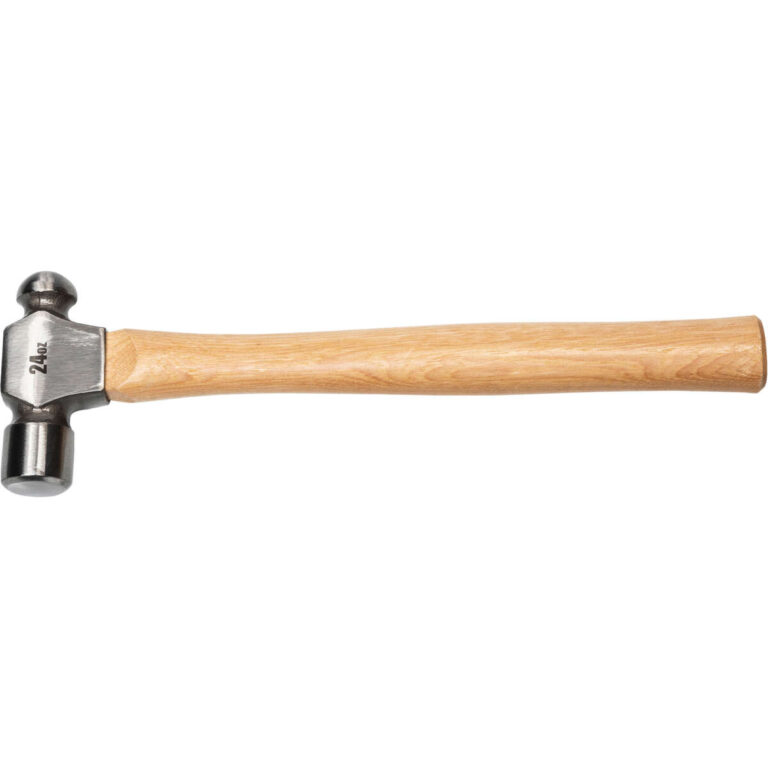
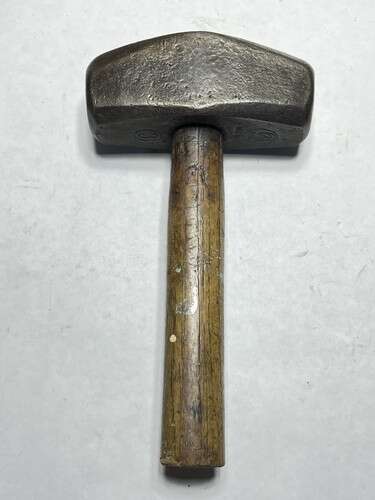
In the United States, a small sledge hammer is most often called a drilling hammer, hand sledge, or mini sledgehammer. The best name depends on its weight, handle length, and intended use.
For most home repairs, a 2- to 4-pound drilling hammer is the clearest match. It has a short handle and a double-faced steel head. A heavier tool may be sold as a short-handled sledgehammer or hand sledge.
The terms overlap in stores and tool catalogs, so the name alone does not tell the whole story. Check the hammer’s weight and design before you buy or use it.

What Is the Correct Name for a Small Sledge Hammer?
The most common American names are drilling hammer and hand sledge.
A drilling hammer is a compact sledge-style hammer made for forceful, controlled blows. It usually has:
- A head weighing about 2 to 4 pounds
- A short handle, often around 10 to 16 inches
- Two striking faces
- A steel head made for driving punches, chisels, stakes, and similar tools
A hand sledge is a broader term. It can describe a short-handled sledgehammer weighing roughly 3 to 10 pounds. A 3-pound hand sledge may look almost the same as a drilling hammer, while a heavier 8- or 10-pound hand sledge is clearly a larger tool.
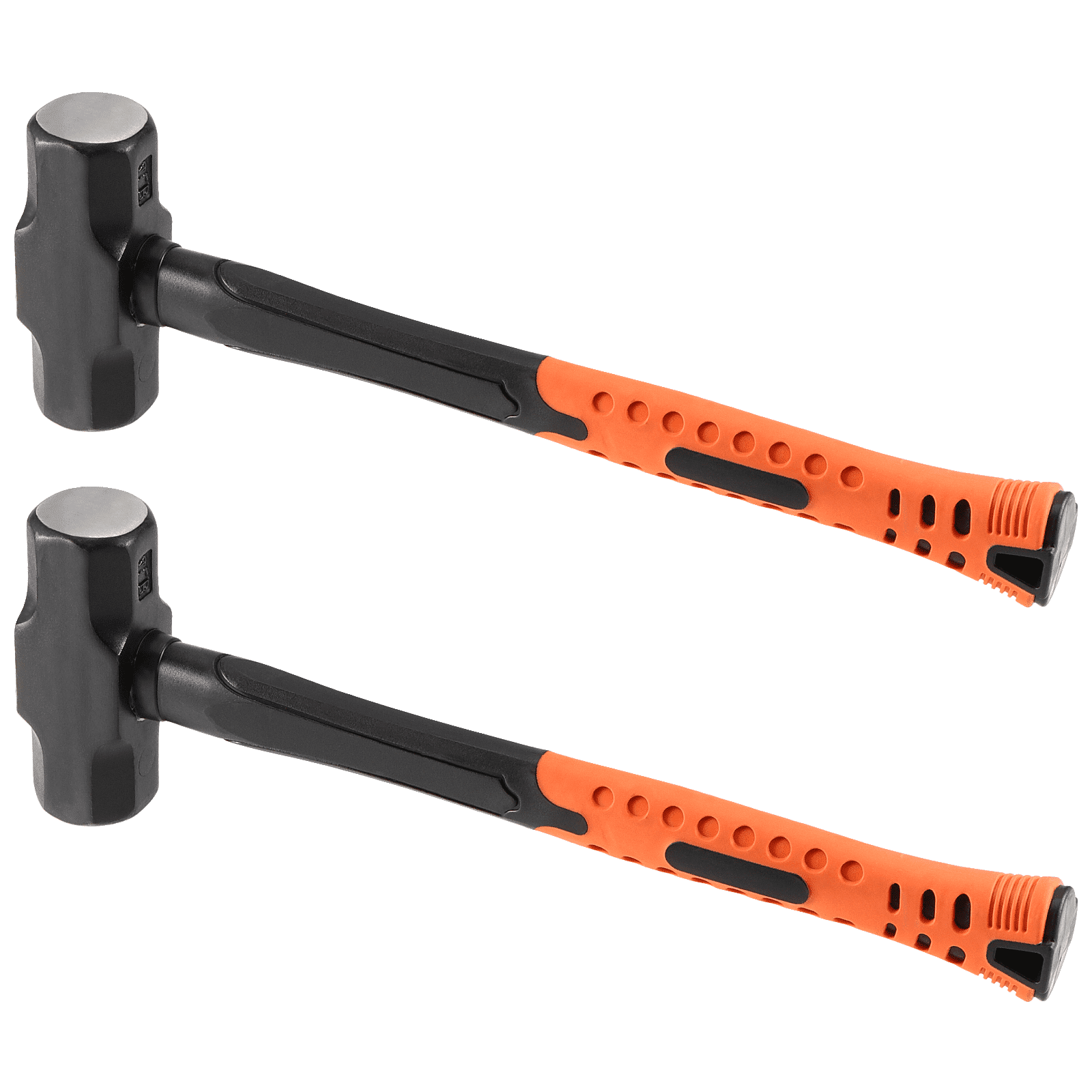
Mini sledgehammer is a common informal name. Hardware stores and online sellers may use it for compact hammers from about 2 to 6 pounds. It is useful search wording, but it is not a precise technical category.
Quick name guide
| Name | Usual meaning in the United States | Typical use |
|---|---|---|
| Drilling hammer | Small, short-handled hammer, often 2–4 lb | Driving punches, chisels, and small stakes |
| Hand sledge | Short-handled sledgehammer, often 3–10 lb | Demolition, masonry, posts, and heavy repair work |
| Mini sledgehammer | Informal retail term for a compact sledge | General home and workshop tasks |
| Club hammer | Small heavy hammer; more common in British tool naming | Masonry, chisels, and light demolition |
| Engineer’s hammer | A small heavy hammer, often similar to a drilling hammer | Metalwork and general striking |
The name can vary by brand. Two tools with nearly identical designs may appear under different labels.

Drilling Hammer vs. Small Sledgehammer
A drilling hammer is usually the most specific name for a small sledge-style hammer. A small sledgehammer is a broader description based mainly on size.
The difference is easier to understand this way:
- Drilling hammer describes a compact tool made for accurate, powerful strikes.
- Small sledgehammer describes any reduced-size sledgehammer.
- Hand sledge describes the general tool family.
- Mini sledgehammer describes a small retail version, not a strict standard.
A drilling hammer normally has a symmetrical head with two flat striking faces. Some models have one slightly crowned face, but both ends are made for striking. A regular framing hammer has one striking face and a claw, so it is not a small sledgehammer.
A hatchet-style hammer is also different. It may have a cutting blade or an offset face. That design serves specialized work and should not be confused with a drilling hammer.
Why the word “drilling” is used
The name comes from work such as driving a cold chisel or punch into hard material. One hand holds the chisel, while the other uses the short hammer. The compact size gives better control than a full-size sledgehammer.
Do not use the word “drilling” to mean drilling holes with a power drill. A drilling hammer is a striking tool.

What Size Is Considered a Small Sledgehammer?
A hammer weighing about 2 to 4 pounds is usually considered small when compared with a full-size sledgehammer.
There is no single U.S. rule that sets one exact weight for the phrase “small sledgehammer.” Tool makers use different product names, and the boundaries overlap.
A practical size guide looks like this:
| Head weight | Common description | Best fit |
|---|---|---|
| 1–2 lb | Heavy hammer or light drilling hammer | Small pins, light chisels, and careful repair |
| 2–4 lb | Drilling hammer or mini sledge | General home, masonry, and metal work |
| 4–6 lb | Small hand sledge | Tougher demolition and driving tasks |
| 6–10 lb | Hand sledge | Posts, concrete work, and heavier demolition |
| More than 10 lb | Sledgehammer | Major demolition and high-force work |
The head weight affects both force and control. A heavier head can deliver more energy, but it also tires the user faster and can cause more damage if the blow misses.
A 2-pound hammer is often enough for a small punch or cold chisel. A 4-pound model may work better for breaking light masonry or driving a stubborn stake. These are general examples, not a substitute for the tool maker’s instructions or job-specific requirements.

Which Small Sledge Hammer Should You Use?
Choose the hammer by the job, not by the name printed on the package.
For punches and chisels
Use a 2- to 4-pound drilling hammer. Its short handle helps you make controlled blows. The two-sided head also makes it easy to use in tight spaces.
Use only a punch or chisel designed for striking. Do not strike a screwdriver, drill bit, knife, or other tool that is not rated for hammer impact.
For light demolition
A 3- to 6-pound hand sledge may be more suitable. It can break small sections of mortar, tile, drywall, or lightweight masonry when used with care.
Before demolition, check for hidden electrical wires, plumbing, gas lines, and structural components. In an occupied home, turn off utilities when appropriate and follow local requirements.
For fence posts and stakes
A small hand sledge can drive some metal stakes and short posts. The correct weight depends on the post material, ground condition, and available space.
A hammer that is too light may require many blows. A hammer that is too heavy may bend the stake or damage its top. Use a driving cap when the manufacturer recommends one.
For metalwork
A drilling hammer or engineer’s hammer may suit basic metalwork. Use a hammer with a face that is smooth, clean, and free from chips.
Do not use a damaged hammer on hardened steel. Small pieces can break from the striking face and become dangerous fragments.

How Is a Small Sledgehammer Different From Other Hammers?
A small sledgehammer has a short handle and a heavy head. That combination gives it more impact than a claw hammer but more control than a full-size sledgehammer.
| Tool | Main design | Typical role |
|---|---|---|
| Claw hammer | One face and a claw | Nails, trim, and light construction |
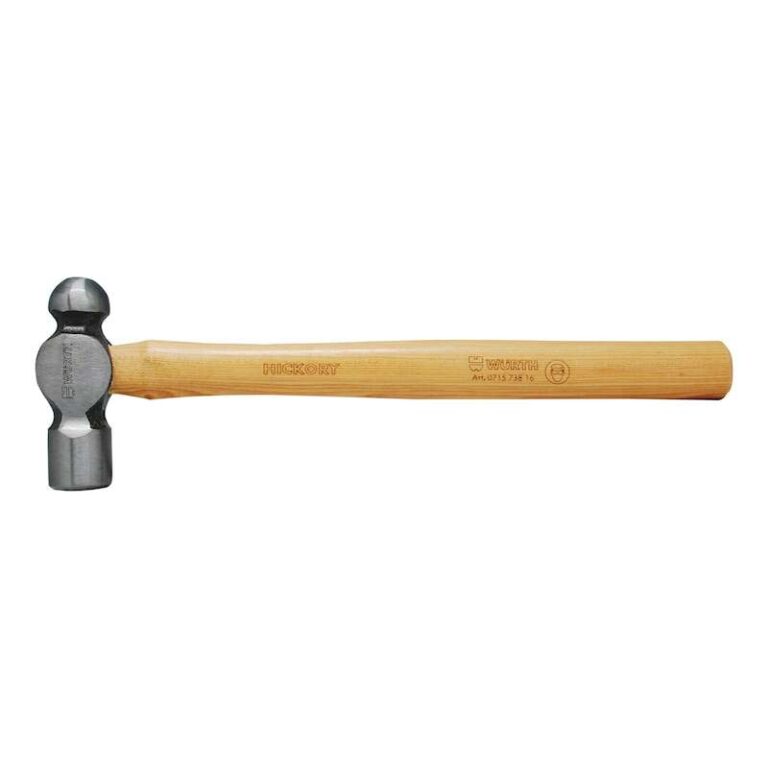
| Ball-peen hammer | Flat face and rounded peen | Metal shaping and shop work |
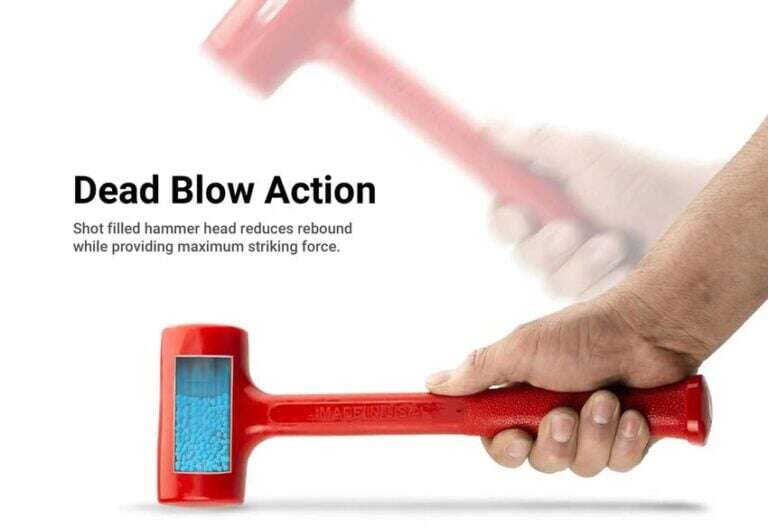
| Dead-blow hammer | Filled head that reduces rebound | Assembly and controlled impact |
| Rubber mallet | Soft striking face | Surfaces that can be damaged by steel |
| Drilling hammer | Short handle and heavy steel head | Chisels, punches, and forceful strikes |
| Full-size sledgehammer | Long handle and heavy head | High-force demolition and driving |
Do not replace a soft-face mallet with a steel drilling hammer just because the tools look similar. Steel can dent, crack, or shatter the workpiece.
Likewise, a small sledgehammer is not a safe replacement for a specialized tool used near live electrical equipment, pressurized systems, or fragile machine parts.

What Should You Look for When Buying One?
The most useful specifications are head weight, handle length, face condition, handle material, and intended use.
Head weight
Pick the lightest hammer that can complete the task. This approach usually gives better control and reduces fatigue.
A 2-pound hammer is easier to manage for repeated, precise blows. A 4-pound hammer may provide more force for tough material but can be harder to stop after a missed strike.
Handle length
A short handle improves control and fits in narrow spaces. A longer handle can increase swing speed and impact, but it needs more room and demands better control.
For indoor repair work, a short handle is often more practical. For outdoor driving or demolition, a longer hand-sledge handle may be useful.
Handle material
Common handle materials include:
- Fiberglass
- Hickory
- Steel
- Composite materials
Hickory can absorb some vibration and may be replaced if properly fitted. Fiberglass handles are common and resist some types of damage, but they can still fail. Steel handles are strong but may transmit more vibration to the hand.
Inspect any handle before use. Do not use a hammer with a loose head, split handle, deep crack, mushroomed face, or sharp chip.
Head and face design
A double-faced head works well for general striking. A smooth face is usually safer for ordinary work than a heavily damaged or chipped face.
Avoid using a hammer face that has mushroomed edges. Repeated striking can send metal fragments outward. Replace the hammer or have it repaired by a qualified tool professional if the manufacturer allows repair.

Small Sledgehammer Safety
A small sledgehammer can cause serious injury even though it is smaller than a full-size model.
Wear safety glasses or a face shield when striking metal, masonry, hardened tools, or any material that may chip. Use hearing protection during repeated impacts, especially indoors or near hard surfaces.
Keep both feet stable. Hold the handle near its end unless the task requires a controlled short grip. Make sure the striking face meets the target squarely.
Follow these basic safety rules:
- Check the hammer before each use.
- Keep other people outside the swing and fragment zone.
- Use the correct striking tool for the job.
- Never strike a damaged chisel, punch, or hammer.
- Keep your hands away from the impact area.
- Stop if the handle loosens or the head moves.
- Use proper support under the workpiece.
- Wear gloves that fit well and do not reduce control.
Gloves can protect against sharp edges, but they do not make an unsafe grip safe. Do not wear loose clothing, jewelry, or anything that could catch during a swing.
If the job involves structural concrete, buried utilities, gas lines, live electrical equipment, or major demolition, stop and get qualified help when you cannot identify the risks.

Common Mistakes When Choosing a Small Sledgehammer
The most common mistake is buying by the word “mini” alone. A mini sledgehammer may weigh 2 pounds, 4 pounds, or more than 6 pounds, depending on the seller.
Another mistake is choosing the heaviest hammer available. More weight does not always mean better performance. It can reduce accuracy, increase fatigue, and damage the workpiece.
Some users also mistake a club hammer for a drilling hammer. The names can overlap, but “club hammer” is more common in British and international tool descriptions. In a U.S. store, the same basic tool may be labeled a drilling hammer or hand sledge.
Do not use a steel hammer on a surface that needs a soft impact. A dead-blow hammer, rubber mallet, wood mallet, or plastic-faced hammer may be the better choice.
Finally, do not ignore the accessory being struck. A punch or chisel with a flared, chipped, or mushroomed head can break during impact. Replace it before using the hammer.
Frequently Asked Questions
Is a 2-pound hammer a sledgehammer?
It can be sold as a mini sledgehammer or drilling hammer, but many people simply call it a heavy hammer. The label depends on the manufacturer. Its short handle and heavy double-faced head make it sledge-like.
What is another word for a small sledgehammer?
Common alternatives include drilling hammer, hand sledge, mini sledgehammer, club hammer, and engineer’s hammer. These terms are similar but not always identical.
Is a club hammer the same as a drilling hammer?
Often, the tools are very similar. Both are compact, heavy hammers used for chisels, punches, and light demolition. “Club hammer” is more common in British naming, while “drilling hammer” is widely used in the United States.
What size sledgehammer is best for home use?
A 2- to 4-pound drilling hammer handles many small home and workshop tasks. Choose a heavier hand sledge only when the material and job require more impact.
Can I use a small sledgehammer to break concrete?
You can use one for light concrete or mortar work if the material, location, and tool are suitable. For thick or structural concrete, first check for reinforcement and hidden utilities. Major concrete demolition may require specialized equipment and qualified assistance.
What is the difference between a hand sledge and a full-size sledgehammer?
A hand sledge has a shorter handle and lighter head. A full-size sledgehammer has a longer handle and heavier head, so it produces more impact but needs more space and control.
Conclusion
In the United States, the most precise name for a small sledge hammer is usually drilling hammer. Hand sledge is the broader American term, while mini sledgehammer is common informal retail wording.
For general home and workshop use, start by checking 2- to 4-pound models with a short handle. Match the hammer to the material, use a strike-rated punch or chisel, inspect the tool first, and wear eye protection.
When shopping, search for 2 lb drilling hammer, 3 lb drilling hammer, short-handled hand sledge, or mini sledgehammer. Then compare the actual head weight and handle length rather than relying on the product name alone.
Recent Tool Guides
 Hammer
How To Hammer Flowers Onto Paper: Easy Guide
Learn how to hammer flowers onto paper with simple steps, helpful tips, and beautiful results for...
Read Guide → Wrench
How To Use A Hex Wrench: Easy Step-By-Step Guide
Learn how to use a hex wrench correctly with simple steps, helpful tips, and common mistakes...
Read Guide → Hacksaw
How To Cut Curtain Pole With Hacksaw: Easy Guide
Learn how to cut curtain pole with hacksaw safely and neatly. Follow simple steps for accurate...
Read Guide → Wrench
How To Use A Husky Torque Wrench: Easy Guide
Learn how to use a Husky torque wrench correctly with simple steps, torque settings, and safety...
Read Guide → Hammer
How To Hold A Hammer: Safe Grip Guide
Learn how to hold a hammer with the right grip, stance, and technique for safer, more...
Read Guide → Hacksaw
How To Cut Flexible Metal Conduit With Hacksaw: Easy Guide
Learn how to cut flexible metal conduit with hacksaw safely and cleanly. Follow simple steps for...
Read Guide →