What Is A Framing Hammer Used For: Uses And Tips
A framing hammer is a heavy-duty hand tool used mainly to drive large nails into structural wood during home construction and repair work in the United States. It is common in house framing, roof work, deck building, shed construction, and other jobs where speed and striking force matter more than a smooth finish.
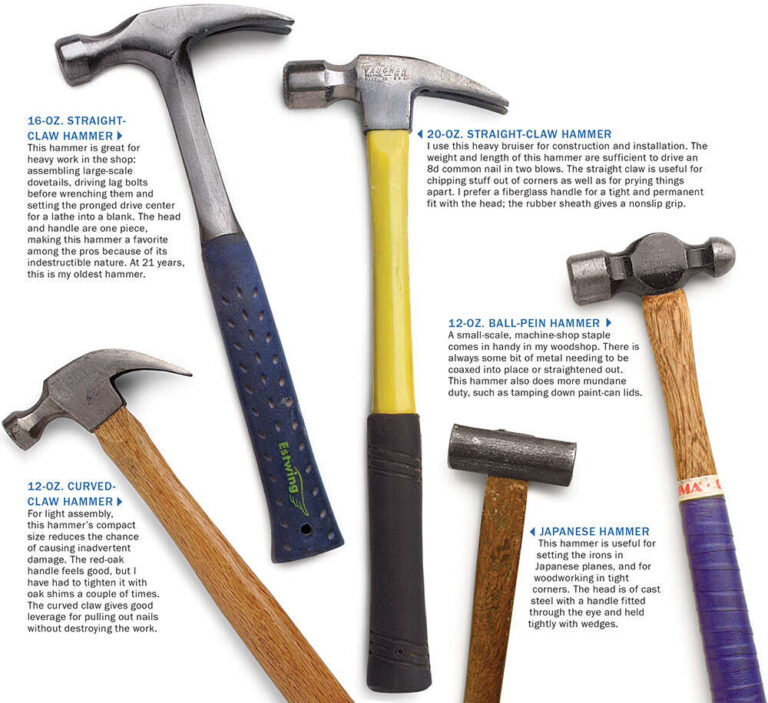
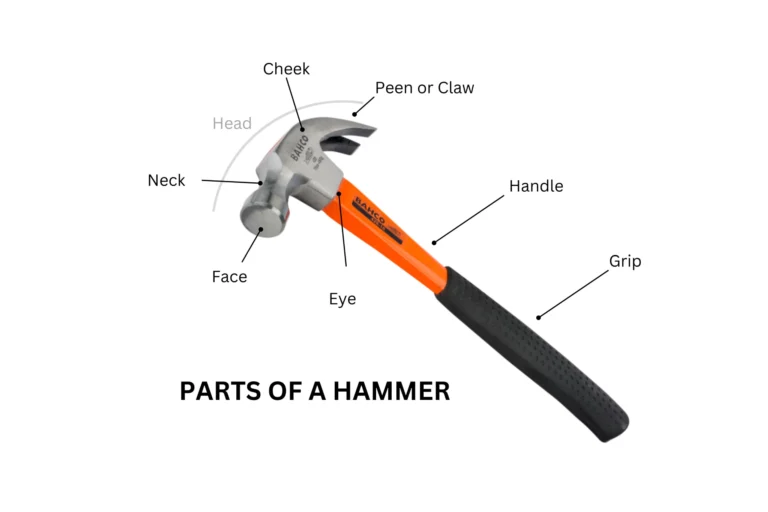
Compared with a general claw hammer, a framing hammer often has a heavier head, a longer handle, a straight claw, and a textured face. These features help it drive long nails into lumber, pull nails, and handle demanding work on a job site.
What Does a Framing Hammer Do?
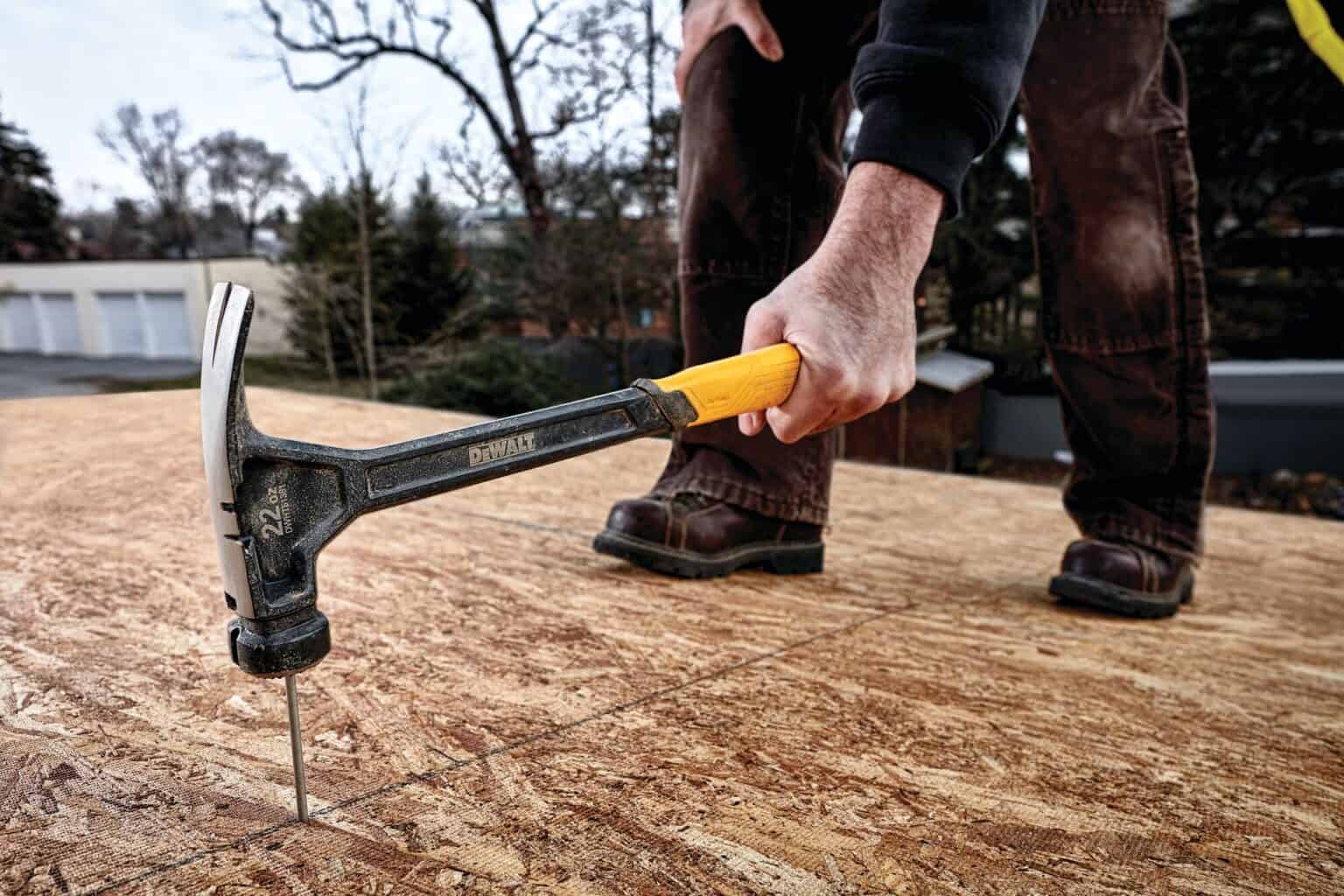
A framing hammer drives large nails through wood and into another piece of wood. Its weight helps create more force with each swing, so you can set nails with fewer blows.
A typical framing hammer may also help you:
- Pull bent or misplaced nails
- Start nails in tight spaces
- Break apart light wood assemblies
- Remove small sections of trim or sheathing
- Tap framing members into position
- Work on decks, sheds, fences, and roof structures
The hammer does not replace a pry bar, demolition hammer, or nail gun. It is best for tasks that need controlled impact from a hand tool.
How it differs from a regular claw hammer
A framing hammer is built for rough structural work. A standard claw hammer is more suited to general repairs, finish carpentry, and smaller nails.
| Feature | Framing hammer | General claw hammer |
|---|---|---|
| Typical head weight | About 20 to 32 ounces | Often about 8 to 20 ounces |
| Main work | Framing and structural wood | General repairs and finish work |
| Face | Often milled or textured | Usually smooth |
| Claw shape | Often straight | Usually curved |
| Handle | Commonly longer | Often shorter |
| Surface protection | Lower priority | More important |
These are common ranges, not fixed rules. Hammer design varies by brand and model.
The main trade-off is simple: a heavier framing hammer delivers more force, but it can cause more fatigue and damage if used on delicate surfaces.

Where Is a Framing Hammer Used?
A framing hammer is used wherever workers join, adjust, or remove pieces of wood with nails. It is especially useful in structural carpentry.
House framing
Framers use the tool to drive nails into wall studs, plates, headers, joists, and rafters. These parts form the wood skeleton of a house.
Many framing jobs use a pneumatic or cordless nail gun for speed. Even on those jobs, a framing hammer remains useful for:
- Driving a missed nail
- Setting a nail in a tight corner
- Pulling a nail placed incorrectly
- Adjusting boards before fastening
- Completing small repairs without setting up a compressor or battery tool
Roof construction
Roofers and carpenters may use a framing hammer to attach roof framing, blocking, and some types of sheathing. The correct fastener depends on the design, local building rules, material, and manufacturer instructions.
Do not assume that any nail is acceptable for structural work. Some connections require specific nail types, lengths, coatings, or patterns.
Deck building
a framing hammer can drive large galvanized or coated nails during deck construction. However, many modern decks use structural screws instead of nails for key connections.
A hammer may still help with:
- Temporary fastening
- Setting nails in blocking
- Pulling damaged fasteners
- Tapping boards into alignment
Use fasteners approved for the lumber and outdoor exposure. Pressure-treated wood can be corrosive to unsuitable metal fasteners.
Sheds, fences, and outdoor structures
A framing hammer works well for building sheds, fences, garden structures, and similar projects. It can drive long nails through thicker boards without the repeated blows needed from a lighter hammer.
For fences, avoid striking boards so hard that you crush the wood fibers. Split or crushed wood can weaken the connection and allow water to enter.
Remodeling and light demolition
The straight claw on many framing hammers can pull nails and separate wood parts. It can also help remove small pieces of trim, blocking, or sheathing.
Use caution during demolition. Before pulling or breaking material, check for electrical wires, plumbing, gas lines, and structural members. A framing hammer is not a safe substitute for locating hidden services.

What Features Make a Framing Hammer Different?
The main features of a framing hammer support force, control, and repeated use.
Heavy head
The head is often heavier than the head on a household claw hammer. More head mass can deliver more impact when the hammer moves at the same speed.
A heavier hammer is not always better. It may slow you down, increase arm strain, and make missed blows more damaging. Choose a weight that you can control for a full work session.
Textured or milled face
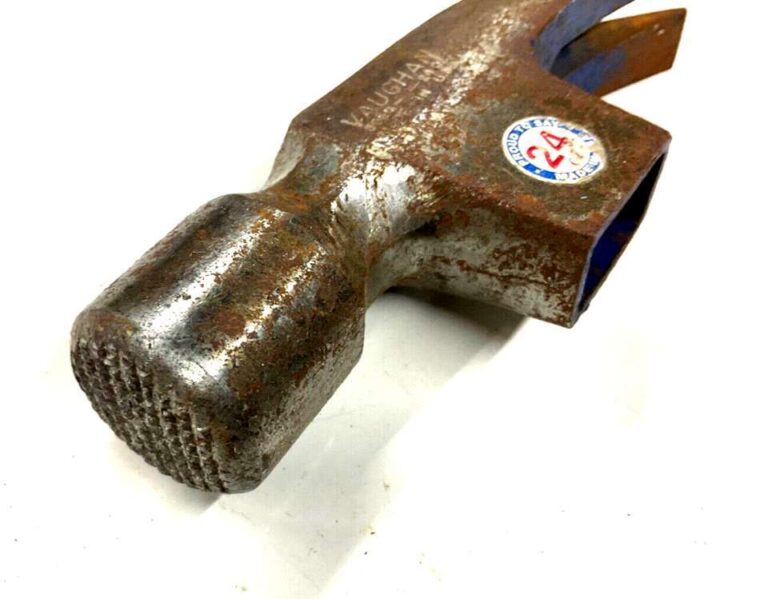
Many framing hammers have a checkered, milled, or textured striking face. The texture helps reduce slipping when the face meets the nail head.
It can also leave a pattern in the wood. That mark usually does not matter in rough framing, but it can damage visible trim, finished flooring, cabinets, or painted surfaces.
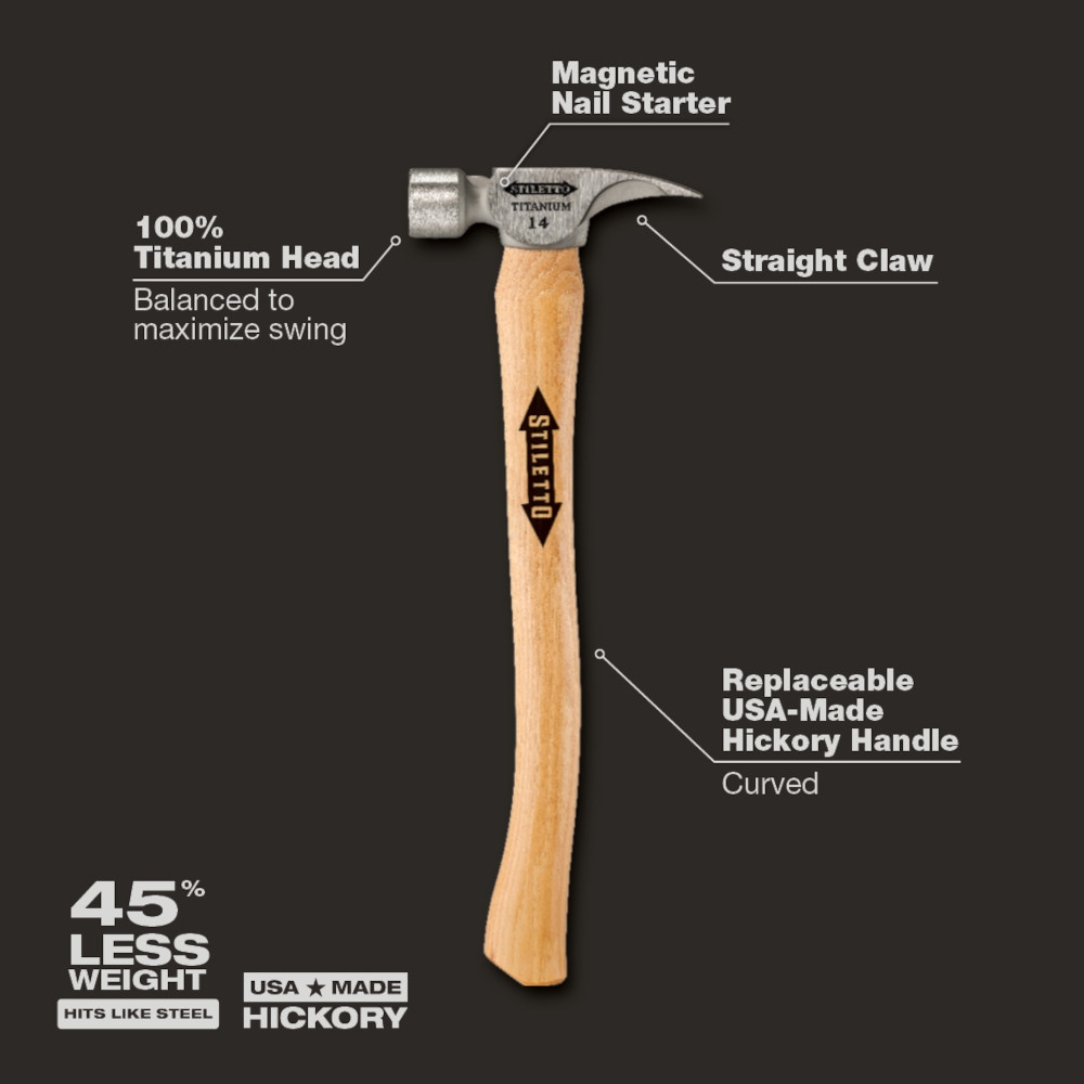
Straight claw
A straight claw is useful for pulling nails and prying apart wood. It can reach into gaps and may provide more leverage for rough work than a curved claw.
The claw can damage the wood around a nail. Place a scrap wood block under the claw when you want to protect the surface and spread the load.
Long handle
A longer handle can increase swing speed and leverage. It may also make it easier to drive large nails.
The cost is control. A long-handled hammer needs more room and can be harder to use near walls, corners, pipes, and other workers.
Nail-starting feature
Some framing hammers include a magnetic nail slot or nail starter. This feature holds a nail for the first blow, which can help when working in a tight spot.
It does not remove the need for eye protection or careful hand placement. Once the nail is stable, keep your free hand away from the striking path.
Handle materials
Framing hammers may have wood, fiberglass, or steel handles.
- Wood handles can feel comfortable and help reduce vibration, but they can split or loosen.
- Fiberglass handles are often designed to resist breakage and may reduce some vibration.
- Steel handles can be strong, but they may transmit more shock to the hand unless the grip is well designed.
Inspect any handle before use. Do not use a hammer with a loose head, cracked handle, mushroomed striking surface, or damaged grip.

How Do You Use a Framing Hammer Correctly?
Use a framing hammer by setting the nail, aligning the face, and striking with controlled swings. Good technique matters more than brute force.
1. Pick the right nail and work surface
Use a nail that matches the materials and the connection. For structural work, follow the plans, building code, and fastener instructions.
Place the wood on a stable surface. Do not hold a small board in your hand while striking it with a heavy hammer.
2. Set the nail
Hold the nail near its upper end. Place the point where you want the nail to enter.
Tap the nail lightly until it stands on its own. Move your fingers away before using stronger blows.
If the nail will not stay upright, use a nail-starting feature or hold the nail with pliers for the first tap. Do not place your fingers near the impact point.
3. Align the hammer face
Keep the face square to the nail head. A tilted strike can bend the nail, glance off the head, or damage the wood.
Look at the nail, not at the hammer head, as you swing. Keep your wrist firm and let the handle move through a controlled arc.
4. Use steady blows
Start with moderate force. Increase the force only after the nail is straight and stable.
Short, controlled swings are safer and often more efficient than wide swings. Let the hammer’s weight do much of the work.
5. Finish without crushing the wood
Stop when the nail is properly seated. Do not keep striking after the nail head is below the surface unless the work requires it.
Overdriving can crush wood fibers and reduce the quality of the connection. For visible wood, switch to a smooth-face hammer or use another fastening method.
Signs of a good strike
A good strike usually leaves the nail straight, seats the head evenly, and does not create major dents or splits.
If the nail bends, check these points:
- The hammer face may be striking at an angle.
- The nail may be too small or too long for the material.
- The wood may be too hard or close to an edge.
- The nail may have hit another fastener or a hidden obstruction.
- The hammer may be too heavy for your level of control.
Pull a bent nail rather than driving it farther. A damaged nail may not hold as intended.

Framing Hammer vs. Other Hammers
The right hammer depends on the material, fastener, surface, and amount of force required.
| Hammer type | Best use | Main advantage | Main limitation |
|---|---|---|---|
| Framing hammer | Structural wood and large nails | High driving force | Can dent surfaces and cause fatigue |
| General claw hammer | Household repairs | Versatile and easier to control | Less efficient for large nails |
| Finish hammer | Trim and visible wood | Smooth, controlled strikes | Not designed for heavy framing |
| Roofing hammer | Roofing materials and specialized nails | Designed for roofing tasks | Less versatile for general framing |
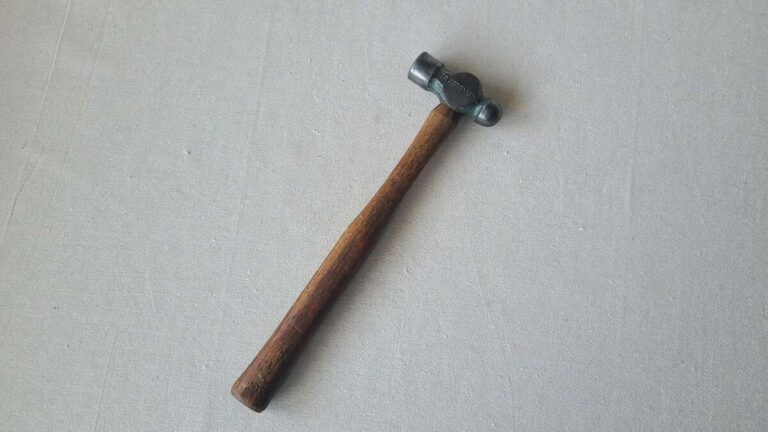
| Ball-peen hammer | Metalwork | Shapes and peens metal | Not intended for wood framing |
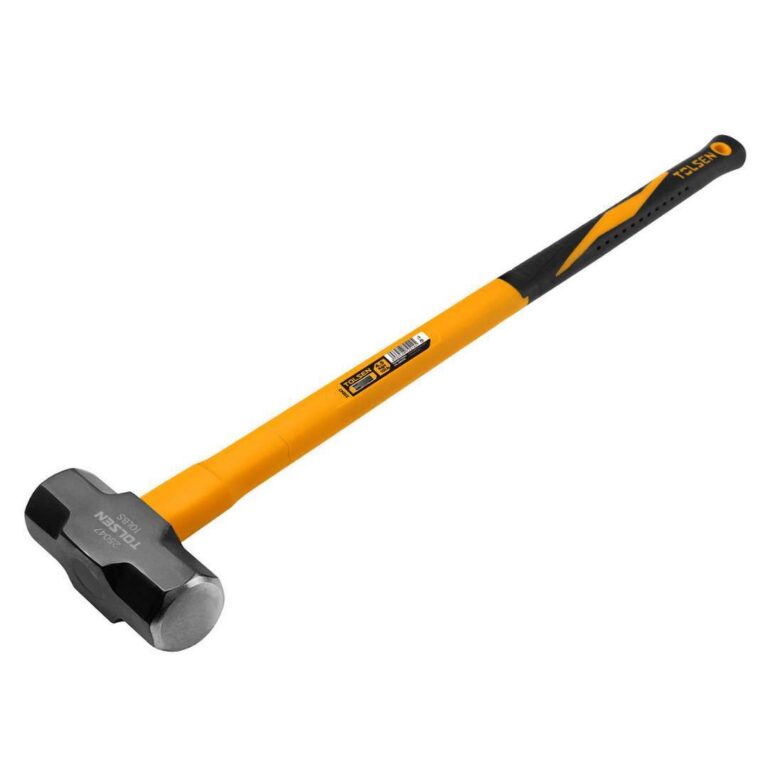
| Sledgehammer | Heavy demolition | Very high impact | Too large for nail driving |
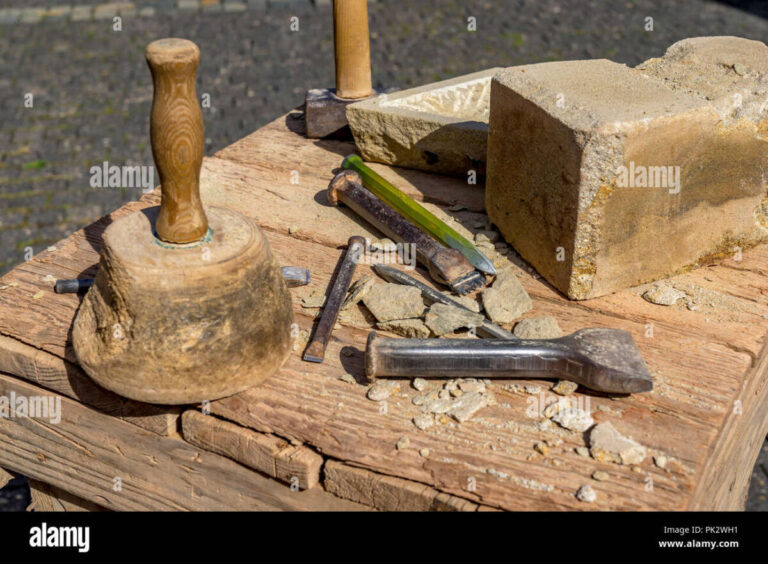
| Mallet | Wood assembly and delicate surfaces | Lower surface damage | Usually cannot drive large nails |
A framing hammer is usually the wrong choice for finish carpentry. Its milled face can leave deep marks, and its extra weight can split thin trim.
It is also not the best tool for driving masonry nails, hardened steel, or other specialty fasteners unless the tool and fastener maker specifically allow that use. A hardened fastener can chip or send fragments into the air when struck incorrectly.

How Heavy Should a Framing Hammer Be?
Choose the lightest framing hammer that can drive your common nails without excessive effort. For many users, a head in the roughly 20- to 28-ounce range offers a practical balance between force and control.
A heavier head may help with:
- Long nails
- Dense lumber
- High-volume framing
- Work where each nail needs strong impact
A lighter head may suit:
- Smaller users
- Occasional repairs
- Overhead work
- Long work sessions
- Jobs that require more control than force
The total tool weight includes the head and handle. Balance also matters. A well-balanced hammer may feel easier to control than a heavier tool with poor balance.
If your hand, wrist, elbow, or shoulder begins to hurt, stop and reassess. Pain can signal poor technique, excessive tool weight, too much repetition, or an existing injury. A lighter hammer, improved grip, work breaks, or a powered nailer may reduce strain, but persistent pain needs medical advice.

Framing Hammer Safety Tips
Use eye protection whenever you drive or pull nails. A nail head, metal fragment, or piece of wood can break loose without warning.
Follow these safety practices:
- Inspect the hammer before each use.
- Make sure the head is tight.
- Replace a cracked or split handle.
- Keep the striking face free of severe damage.
- Wear safety glasses with side protection.
- Keep bystanders outside the swing path.
- Do not strike one hammer with another unless the manufacturer permits it.
- Do not use a hammer as a pry bar if the tool is not designed for that purpose.
- Keep your feet stable when working on ladders or elevated surfaces.
- Use fall protection and proper access equipment for roof or elevated work.
- Check behind surfaces before demolition.
- Do not use a damaged nail or fastener for a load-bearing connection.
A hammer can also cause repetitive strain. Change position when possible, take short breaks, and avoid gripping the handle harder than needed.
When working on a house, follow the construction plans and applicable local requirements. A framing hammer can drive a nail, but it cannot determine whether that nail creates a safe structural connection.
Common Framing Hammer Mistakes
The most common mistake is using too much force too soon. A hard first blow can bend the nail, split the board, or cause the hammer to glance off the nail head.
Other common errors include:
Using a framing hammer on finished surfaces
A textured face can leave permanent marks. Use a smooth-face hammer or protect the surface with a suitable method.
Choosing a hammer that is too heavy
A heavy tool may feel powerful at first but can reduce accuracy and increase fatigue. Control and repeatability matter more than maximum weight.
Striking at an angle
An angled face can bend nails and damage the wood. Keep the face square to the nail head.
Driving nails too close to an edge
Even the correct nail can split wood when placed too close to an edge or end. Follow the project design and predrill only when the instructions or material call for it.
Treating all nails as interchangeable
Nail length, diameter, coating, head style, and material affect performance. Structural connections may require specific fasteners.
Using the claw without protecting the wood
The claw can gouge a board when you pull a nail. Put a small wood block beneath it when surface damage matters.
Ignoring overhead and elevated work risks
A framing hammer can fall from a roof or ladder and injure someone below. Secure tools when working above ground and keep the area below clear.

Do You Need a Framing Hammer or a Nail Gun?
A framing hammer is useful when you need a portable, simple tool for small jobs, repairs, or areas where a nail gun will not fit. A nail gun is often faster for high-volume framing, but it needs the correct power source, approved nails, adjustment, and safe handling.
Choose a framing hammer when:
- You are doing occasional repairs.
- You need to remove nails as well as drive them.
- You are working in a tight space.
- You do not want to set up a compressor or charge a battery.
- You need a tool that works without hoses, cords, or fuel cells.
Choose a nail gun when:
- You are driving many nails.
- The project requires consistent production speed.
- You can use the correct tool and fasteners.
- You understand the manufacturer’s safety instructions.
- The work area supports safe hose, cord, or battery use.
Neither tool decides the required connection. Use the fastener schedule, plans, and applicable building requirements for structural work.

How to Choose a Framing Hammer
Look for a hammer that matches your strength, project, and work conditions.
Check the head weight
Select a weight you can swing accurately for repeated strikes. Do not choose a heavier model simply because it appears more powerful.
Consider the face
A milled face helps reduce slipping but marks wood. A smooth face leaves a cleaner surface but may require more careful alignment.
Compare the claw
A straight claw supports nail pulling and rough prying. A curved claw may offer different leverage and can be more useful for general household work.
Evaluate balance and grip
Hold the hammer before buying it if possible. The handle should feel secure, and the tool should not twist during a normal swing.
Look at handle construction
Choose a handle that suits your comfort and the conditions of the job. Replace the tool if the handle loosens, cracks, or shows serious wear.
Match the tool to the work
For occasional home repairs, a mid-weight hammer may be more practical than a large framing model. For repeated structural framing, the extra mass and straight claw may save time.

Frequently Asked Questions
Can you use a framing hammer for regular household repairs?
Yes, but it may be more tool than you need. A framing hammer can drive common nails, but its weight and textured face may cause unnecessary damage on small or finished projects.
Why does a framing hammer have a textured face?
The texture helps the hammer face grip the nail head and reduces slipping during a strike. The trade-off is that it can leave a pattern in the wood.
Can a framing hammer split wood?
Yes. Wood may split when the nail is too close to an edge, the nail is too large, the material is dry or brittle, or the hammer blow is poorly controlled.
Is a framing hammer better than a nail gun?
Not in every situation. A nail gun is usually faster for large framing jobs, while a framing hammer is portable, simple, and useful for repairs, tight spaces, and nail removal.
Can a framing hammer drive screws?
No. A hammer is designed for nails and impact work, not for driving screws. Use the correct drill or driver for screws.
What should you do if the hammer head is loose?
Stop using the hammer. A loose head can fly off during a swing. Repair or replace the tool according to the manufacturer’s guidance.
Conclusion
A framing hammer is used to drive large nails into structural wood and to pull or adjust those nails during construction and repair. Its heavy head, long handle, straight claw, and often textured face make it well suited to framing walls, roofs, decks, sheds, and other wood structures.
Choose the hammer weight and face style based on your materials and control. For rough structural work, a framing hammer can be highly effective. For trim, cabinets, and other finished surfaces, use a lighter smooth-face hammer instead.
Before starting, inspect the tool, wear eye protection, select the correct fastener, and follow the project plans and local requirements.
Recent Tool Guides
 Hammer
How To Hammer Flowers Onto Paper: Easy Guide
Learn how to hammer flowers onto paper with simple steps, helpful tips, and beautiful results for...
Read Guide → Wrench
How To Use A Hex Wrench: Easy Step-By-Step Guide
Learn how to use a hex wrench correctly with simple steps, helpful tips, and common mistakes...
Read Guide → Hacksaw
How To Cut Curtain Pole With Hacksaw: Easy Guide
Learn how to cut curtain pole with hacksaw safely and neatly. Follow simple steps for accurate...
Read Guide → Wrench
How To Use A Husky Torque Wrench: Easy Guide
Learn how to use a Husky torque wrench correctly with simple steps, torque settings, and safety...
Read Guide → Hammer
How To Hold A Hammer: Safe Grip Guide
Learn how to hold a hammer with the right grip, stance, and technique for safer, more...
Read Guide → Hacksaw
How To Cut Flexible Metal Conduit With Hacksaw: Easy Guide
Learn how to cut flexible metal conduit with hacksaw safely and cleanly. Follow simple steps for...
Read Guide →