Why Do They Call It A Hacksaw: Origin And Meaning
In the United States, a hacksaw is the familiar hand tool with a thin, replaceable blade held in a metal frame. Its name comes from the older meaning of hack: to cut with short, rough strokes. A hacksaw is not named because it is a poor saw or because it “hacks” in the modern computer sense. The name describes the way it cuts hard materials, especially metal, with many short strokes.
Quick answer
They call it a hacksaw because the word hack once meant to cut roughly, unevenly, or with repeated blows. The tool’s fine blade makes short back-and-forth cuts through metal, plastic, and other hard materials. So, hacksaw means a saw used for rough or forceful cutting.
What is a hacksaw?
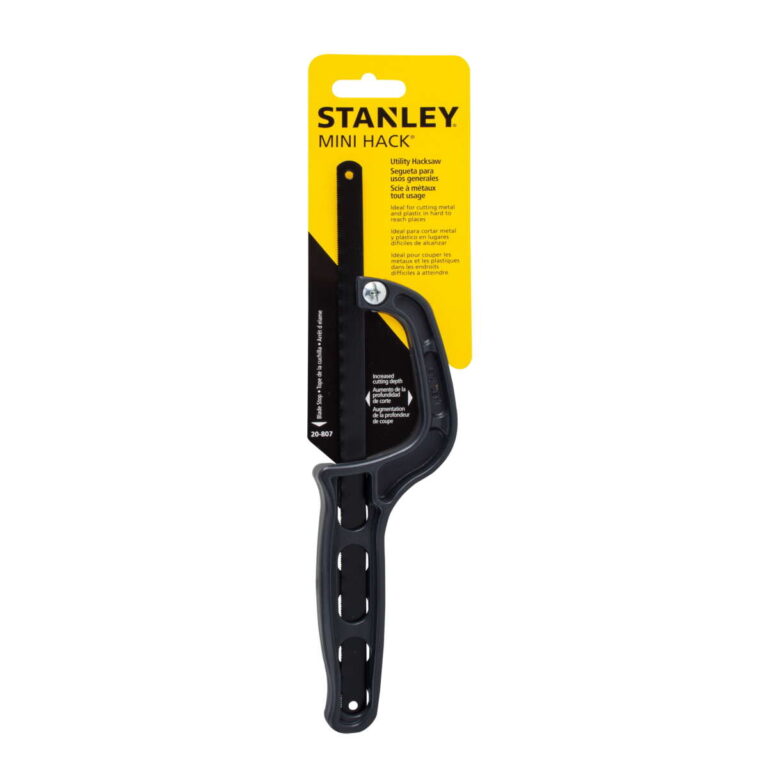
A hacksaw is a hand-operated saw made for cutting materials that are too hard for many wood saws. In the United States, the common design has four main parts:
- Frame: Holds the blade under tension.
- Blade: A thin strip of hardened steel with small teeth.
- Handle: Gives the user a firm grip.
- Tension screw or lever: Tightens the blade so it does not bend during a cut.
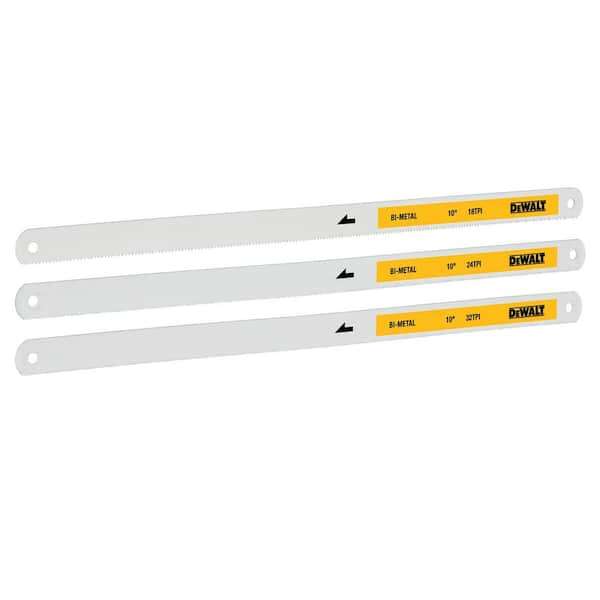
Most standard hacksaw blades are about 12 inches long, although shorter blades are also available. The blade may have different tooth counts, often described as teeth per inch, or TPI.
A coarse blade removes material faster from thick stock. A fine blade gives better control on thin metal. The right blade depends on the material and its thickness, not just on the saw itself.
Hacksaws are commonly used to cut:
- Steel bolts and threaded rod
- Copper and steel pipe
- Aluminum
- Sheet metal
- Plastic pipe
- Electrical conduit
- Metal brackets and hardware
A hacksaw is different from a wood saw. A wood saw often has larger teeth and a wider blade. A hacksaw has small teeth that can survive contact with hard metal and make a narrow cut.
Where does the word “hack” come from?
The key to the name is the older verb hack. English dictionaries describe hack as cutting with rough, repeated, or uneven blows. That meaning is much older than the modern use of hack for computer programming or a clever shortcut.
The Merriam-Webster entry for “hack” includes meanings related to cutting roughly or irregularly. Its entry for “hacksaw” defines the tool as a saw with a fine-toothed blade, usually held in a frame and used for cutting metal.
The Online Etymology Dictionary also connects hacksaw with the cutting sense of hack. It records the tool name in the late 19th century, when frame saws with fine blades were becoming common for metalwork.
The name therefore describes an action:
- The blade moves back and forth.
- Each tooth removes a small amount of material.
- Many short cuts join to form one line.
- The workpiece separates along that line.
In plain terms, the saw “hacks” through the material one small bite at a time.
This does not mean the cut must be crude or inaccurate. A skilled user can make a clean, square cut with a hacksaw. The word refers to the cutting motion and the older sense of hack, not to the quality of the finished work.
Why is it called a hacksaw instead of a metal saw?
“Hacksaw” became the more specific name because the tool was associated with a particular cutting method and design. “Metal saw” would describe its use, but it would not identify the familiar tensioned frame and narrow blade as clearly.
Many saw names follow a similar pattern. A bow saw is named for the shape of its frame. A keyhole saw is linked to the small opening it can cut. A coping saw is associated with coping cuts. A hacksaw is named for the rough, repeated cutting action of its blade.
The word also separates the tool from other metal-cutting saws, such as:
- Cold saws: Powered machines that cut metal with a circular blade.
- Band saws: Machines that use a continuous loop of toothed blade.
- Reciprocating saws: Power tools with a blade that moves back and forth.
- Rotary tools: Small powered tools that use abrasive wheels or cutting discs.
- Jeweler’s saws: Fine frame saws designed for delicate work.
A manual hacksaw is simple and portable. It does not need electricity, batteries, or a motor. That makes it useful for small repairs, plumbing work, automotive tasks, and metal fabrication.
Its trade-off is speed. A powered saw can remove material much faster, but it may create more noise, heat, sparks, or risk of damage. A hacksaw gives the user slower but more direct control.
Is “hack” in hacksaw related to computer hacking?
No. The word hack has several meanings, but the name hacksaw uses the old cutting meaning.
In computer use, hack may mean gaining unauthorized access, modifying software, or finding an inventive solution. That meaning developed much later and is not the source of the tool’s name.
The cutting sense appears in older uses of the word. Someone could hack wood, hack through brush, or hack at a branch. These actions suggest repeated, forceful cuts rather than one smooth slice.
A hacksaw does not strike the material like an ax. Its blade makes a series of small cuts. Still, the overall action fits the older idea of hacking: repeated strokes that gradually break through a tough material.
The two meanings share a broad idea of forceful work, but they are not directly connected in the tool’s name.
When did people start using the name “hacksaw”?
The exact first use is difficult to pin down without access to every historical trade record, catalog, and dictionary edition. However, major etymology references place hacksaw in the late 19th century.
That period matters because industrial production was expanding in the United States and Europe. Metal parts, pipes, rods, bolts, and machine components were becoming common in workshops and factories. Workers needed hand tools that could cut metal without the size of a full workshop machine.
The hacksaw developed from earlier frame-saw designs. A frame keeps a thin blade tight. Without that support, a narrow blade could buckle or twist under pressure.
Historical tool names often became standard through practical use. Tradespeople, tool makers, hardware catalogs, and manuals repeated the same term until it became familiar. The name likely survived because it was short and descriptive.
The evidence supports the general origin of the name. It does not establish one single inventor or one exact moment when the word was created. Claims that identify a precise person or event should be treated with caution unless they cite a primary historical record.
How does a hacksaw cut material?
A hacksaw cuts by removing a narrow strip of material called the kerf. The blade teeth act like many tiny cutting edges.
The user pushes the blade across the workpiece, then draws it back for the next stroke. Depending on the blade design, the teeth are slightly set to alternating sides. This creates a kerf wider than the blade itself and helps prevent the blade from binding.
For a clean cut:
- Secure the workpiece in a vise or clamp.
- Mark the cut line.
- Choose a blade suited to the material.
- Set the blade so the teeth point forward.
- Start with short, light strokes.
- Use longer strokes once the groove is established.
- Keep the blade aligned with the cut line.
- Slow down as the cut nears completion.
Most standard hacksaws cut on the forward stroke. The return stroke should use little pressure. Pressing hard on both strokes can bend the blade, damage the teeth, or cause the blade to slip.
The saw’s name describes this repeated action well. It does not glide through metal in one smooth pass. It makes many small cuts until the material gives way.
What does the “saw” part of hacksaw mean?
The word saw refers to a tool with a toothed edge used to cut material. In hacksaw, the second part identifies the tool’s basic function.
The name has two parts:
- Hack: Cut with rough or repeated strokes.
- Saw: Use a toothed cutting edge.
Together, the word points to a toothed tool that cuts through hard material with repeated strokes.
The term does not describe every feature of the tool. It does not tell you the blade length, tooth count, frame type, or handle style. Those details developed as the tool changed.
This is common in tool language. A name may preserve an old function even after the design improves. Modern hacksaw blades can make precise cuts, yet the original action-based name remains.
How should you choose the right hacksaw blade?
Choose the blade by matching its tooth spacing to the material’s thickness. A useful rule is to keep at least two or three teeth engaged in the workpiece during the cut.
| Workpiece | Typical blade choice | Reason |
|---|---|---|
| Thin sheet metal | Fine tooth count | Reduces snagging and tooth damage |
| Small bolts or tubing | Medium tooth count | Balances control and cutting speed |
| Thick steel bar | Coarser tooth count | Clears chips more easily |
| Plastic pipe | Fine or medium tooth count | Helps reduce grabbing and cracking |
| Aluminum | Blade suited to nonferrous metal | Helps limit clogging between teeth |
These are general guidelines, not a substitute for the blade maker’s instructions. Material hardness, thickness, blade quality, and cutting technique all affect the result.
Use a fine blade on thin stock. If the material is thinner than the distance between the teeth, the blade may catch and tear instead of cutting smoothly.
Use a coarse blade on thick stock. Fine teeth can fill with chips and cut slowly. They may also heat up or wear faster.
Common mistakes when using a hacksaw
A hacksaw is simple, but a few mistakes make it harder to use and can create safety problems.
Installing the blade backward
Most standard hacksaw blades are designed to cut on the forward stroke. Check the tooth direction before cutting. The teeth should usually point away from the handle.
Using too much force
Heavy pressure does not always cut faster. It can bend the blade and make the teeth catch. Let the teeth do the work.
Taking very short strokes
Short strokes may seem safer, but they wear only a small part of the blade. Use most of the blade length when the workpiece allows it.
Failing to support the material
Loose pipe, rod, or sheet can move during the cut. Clamp it firmly. Movement can produce a crooked cut or cause the blade to jump.
Choosing the wrong tooth spacing
If too few teeth contact thin material, the blade may snag. If too many teeth contact thick material, chips may clog the cut.
Continuing with a damaged blade
Replace a blade with missing teeth, cracks, severe rust, or a bent body. A damaged blade can break under tension.
Hacksaw safety basics
Wear eye protection because small metal chips can break free during cutting. Keep fingers away from the blade path and hold the workpiece with a vise or clamp rather than your hand.
Before cutting, check for hidden wires, pipes, or stored tension in the material. Do not cut a pressurized pipe or a component that supports a load unless the system has been properly isolated and made safe.
After the cut, the new edge may be sharp. Deburr it with a file or suitable abrasive tool. Remove loose chips with a brush, not bare fingers.
A manual hacksaw usually creates fewer hazards than a powered abrasive tool, but it can still cause cuts, punctures, eye injuries, and broken-blade accidents. Use the blade and frame according to their instructions.
FAQs about the name hacksaw
Is a hacksaw only for cutting metal?
No. Hacksaws can cut some plastics, composite materials, conduit, and other hard materials. They are most closely associated with metal because their fine blades and rigid frames work well on metal stock.
Is a hacksaw the same as a hand saw?
No. “Hand saw” is a broad category. A hacksaw is one type of hand saw with a tensioned frame and a narrow, fine-toothed blade. Many other hand saws are designed mainly for wood.
Why do hacksaw blades have different teeth per inch?
Different tooth spacing suits different material thicknesses. Fine teeth work better on thin material. Coarser teeth usually work better on thick material because they clear chips from the cut.
Can a hacksaw cut stainless steel?
Yes, if the blade is suitable and the workpiece is secured. Stainless steel is hard, so use a sharp blade made for the task and avoid excessive pressure. A dull blade can wander or overheat.
Why does my hacksaw blade keep breaking?
Common causes include too much pressure, a loose or over-tightened blade, a crooked cut, a damaged blade, or movement in the workpiece. Check the blade direction, tension, alignment, and clamping before trying again.
Conclusion: the name describes the cutting action
A hacksaw is called a hacksaw because hack once meant to cut roughly or with repeated strokes. The tool’s fine teeth make many small cuts through hard material, while the frame keeps the blade tight and aligned.
The term is old, but the idea is still clear. A hacksaw is a saw that works by repeated, forceful cutting rather than one smooth slice. For the next step, match the blade tooth spacing to the material, clamp the work securely, and let the teeth—not extra pressure—do the cutting.
Recent Tool Guides
 Hammer
How To Hammer Flowers Onto Paper: Easy Guide
Learn how to hammer flowers onto paper with simple steps, helpful tips, and beautiful results for...
Read Guide → Wrench
How To Use A Hex Wrench: Easy Step-By-Step Guide
Learn how to use a hex wrench correctly with simple steps, helpful tips, and common mistakes...
Read Guide → Hacksaw
How To Cut Curtain Pole With Hacksaw: Easy Guide
Learn how to cut curtain pole with hacksaw safely and neatly. Follow simple steps for accurate...
Read Guide → Wrench
How To Use A Husky Torque Wrench: Easy Guide
Learn how to use a Husky torque wrench correctly with simple steps, torque settings, and safety...
Read Guide → Hammer
How To Hold A Hammer: Safe Grip Guide
Learn how to hold a hammer with the right grip, stance, and technique for safer, more...
Read Guide → Hacksaw
How To Cut Flexible Metal Conduit With Hacksaw: Easy Guide
Learn how to cut flexible metal conduit with hacksaw safely and cleanly. Follow simple steps for...
Read Guide →