What Are Crowfoot Wrenches Used For: Best Uses Explained
Introduction
A crowfoot wrench is used to tighten or loosen nuts and fittings that a normal socket or box wrench cannot reach. In the United States, mechanics often use crowfoot wrenches on brake lines, fuel lines, power-steering fittings, hydraulic hoses, sensors, and other parts hidden behind brackets or inside narrow engine bays.
A crowfoot wrench has an open-end or flare-nut head attached to a square drive. The drive accepts a ratchet, breaker bar, extension, or torque wrench. This design gives you more reach and lets you work from a different angle.
The main trade-off is simple: a crowfoot wrench improves access, but its open design can slip more easily than a closed socket. Use the correct size, keep the wrench square on the fitting, and follow the tool maker’s torque instructions.

What Is a Crowfoot Wrench?
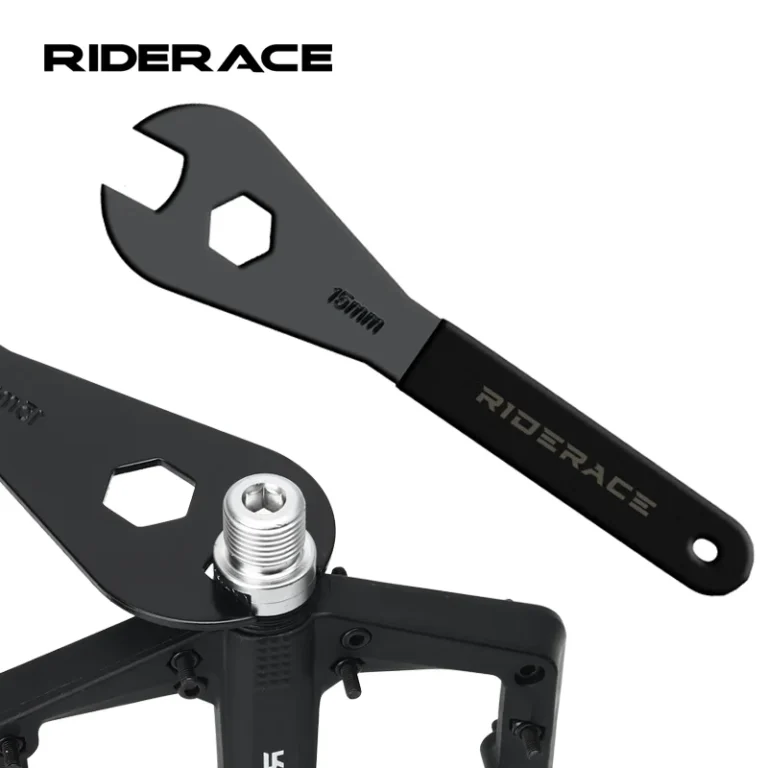
A crowfoot wrench is an open-ended wrench head with a square-drive opening. The square drive connects to another tool, such as a ratchet or torque wrench.
Unlike a standard open-end wrench, a crowfoot wrench does not have a handle of its own. The attached tool supplies the handle and turning force.
Common drive sizes include:
- 1/4-inch drive for small fittings and light work
- 3/8-inch drive for general automotive repairs
- 1/2-inch drive for larger fasteners and higher loads
Crowfoot wrench heads come in several forms:
| Type | Main use |
|---|---|
| Standard open-end crowfoot | General nuts and fittings |
| Flare-nut crowfoot | Brake, fuel, and hydraulic line fittings |
| Adjustable crowfoot | Fittings with changing sizes, though less precise |
| Specialty crowfoot | Sensors, oxygen sensors, and other unusual parts |
| Insulated crowfoot | Some electrical service tasks, when properly rated |
A flare-nut crowfoot wrench has a narrow opening. The opening lets the wrench pass around a tube while still gripping most of the fitting. This gives it more contact than a standard open-end wrench.
What Are Crowfoot Wrenches Used For?
Crowfoot wrenches are mainly used where access is limited and a regular wrench cannot move into place.
1. Tightening brake-line fittings
A flare-nut crowfoot can grip brake-line fittings while the line passes through the wrench opening. This is useful when a brake tube blocks the use of a regular socket.
Use care around brake lines. Rounded fittings can make brake repairs harder and may require line replacement. If the fitting is badly rusted, a new crowfoot may not solve the problem.
2. Working on fuel-line fittings
Crowfoot wrenches can reach fuel-line nuts near fuel rails, filters, and tanks. A flare-nut version helps spread force around the fitting.
Before working on a fuel system:
- Let the engine cool.
- Relieve fuel pressure according to the vehicle service manual.
- Disconnect ignition sources.
- Wear eye protection.
- Keep a suitable fire extinguisher nearby.
Do not use a normal open-end crowfoot when the fitting requires a flare-nut wrench. The narrower flare-nut head reduces the chance of damaging the fitting.
3. Servicing hydraulic fittings
Hydraulic equipment often places fittings close to cylinders, valves, frames, and hoses. A crowfoot wrench can reach these fittings without removing nearby parts.
Hydraulic systems can hold pressure even when the machine is off. Shut down the equipment, isolate the energy source, and release stored pressure before loosening a fitting. Never use your hand to search for a hydraulic leak. Pressurized fluid can penetrate skin.
4. Reaching power-steering and transmission fittings
Automotive power-steering lines, transmission cooler lines, and other fluid connections may sit behind brackets or under intake parts. A crowfoot wrench can provide a better angle than a long-handled wrench.
Support the line while loosening the fitting. If the tube twists with the nut, stop and inspect it. Twisting can damage the line or create a leak after reassembly.
5. Removing sensors and switches
Some pressure switches, temperature sensors, and other threaded parts have very little clearance around them. Specialty crowfoot wrenches can fit over the sensor body or reach the hex section from the side.
A crowfoot is often useful when a deep socket is too large or when wires prevent straight access. Avoid pulling on a sensor’s wire or connector to create room.
6. Applying torque in tight spaces
A torque wrench with a crowfoot attachment can tighten a fitting to a specified value when a direct socket connection will not fit.
This matters on:
- Brake and fuel fittings
- Hydraulic connections
- Refrigeration and air-conditioning components
- Suspension and steering parts
- Engine sensors
- Aircraft and industrial equipment, when the approved tool is used
Always check the service manual and the crowfoot manufacturer’s instructions. A crowfoot may change the effective length of a torque wrench, especially when used in a straight line.

How Do You Use a Crowfoot Wrench Correctly?
Use a crowfoot wrench by choosing the right head, placing it fully on the fastener, and applying force in a controlled direction.
Step 1: Identify the fitting
Check the fastener type before choosing the tool. A standard nut may accept an open-end crowfoot. A tube fitting usually needs a flare-nut crowfoot.
Do not judge size by eye when the fitting is hard to reach. Test the wrench on the fitting before applying force.
Step 2: Choose the correct size
The wrench should fit snugly on the flats of the nut. A loose fit can round the corners.
Avoid using a metric crowfoot on an SAE fitting or the reverse. Some sizes look close enough to fit but can slip under load.
Step 3: Check the working angle
Place the crowfoot so it sits flat on the fastener. Keep the wrench as close to 90 degrees from the ratchet or torque-wrench handle as practical.
A 90-degree position usually avoids a change in effective torque length. A straight, in-line position can increase the torque applied to the fastener.
Step 4: Keep the drive connection secure
Push the crowfoot fully onto the ratchet, extension, or torque wrench. Make sure the square drive is clean and fully engaged.
An extension can help with reach, but it also adds flex. Do not stack several loose adapters when a more direct setup is available.
Step 5: Turn with steady force
Pull smoothly instead of jerking the handle. Keep your hand positioned so the tool will not strike sharp parts if the fitting breaks loose.
If the crowfoot begins to tilt or slip, stop. Reposition it before continuing.
Step 6: Inspect the fitting after removal
Look for rounded corners, cracks, corrosion, damaged threads, and distorted tubing. Replace damaged parts rather than forcing them back into service.
How Do You Use a Crowfoot With a Torque Wrench?
A crowfoot wrench can be used with a torque wrench, but its position affects the torque delivered to the fastener.
When the crowfoot is set at 90 degrees to the torque-wrench handle, the effective length normally stays close to the original length. In that position, the torque setting usually does not need a length correction, subject to the manufacturer’s instructions.
When the crowfoot points straight out from the torque wrench, use the standard correction:
[
T_s = \frac{T_d \times L}{L + A}
]
Where:
- (T_s) = torque setting on the wrench
- (T_d) = desired torque at the fastener
- (L) = distance from the torque-wrench drive to the handle’s reference point
- (A) = added length from the drive to the center of the crowfoot opening
Example calculation
Assume:
- Desired fastener torque: 40 foot-pounds
- Torque-wrench length: 12 inches
- Crowfoot extension: 2 inches
[
T_s = \frac{40 \times 12}{12 + 2}
]
[
T_s \approx 34.3\text{ foot-pounds}
]
This example applies only when the crowfoot is in line with the wrench. If the manufacturer provides a different method, use that method.
Do not guess when the fitting is safety-critical. Follow the vehicle, equipment, or component service manual.

Crowfoot Wrench vs. Regular Wrench: Which Should You Use?
Use a crowfoot wrench when access is the main problem. Use a regular socket or box wrench when you can reach the fastener directly.
| Tool | Best feature | Main limitation |
|---|---|---|
| Crowfoot wrench | Reaches fittings from the side | Open design can slip |
| Standard open-end wrench | Simple and compact | Needs room for a handle |
| Box-end wrench | Better grip than an open end | Must fit over the fastener |
| Flare-nut wrench | Protects tube fittings better | Still needs enough side access |
| Socket | Strong grip and easy ratcheting | Needs straight access |
| Deep socket | Reaches nuts on long studs | May not fit around nearby parts |
A crowfoot is not automatically stronger than a standard wrench. Its value is access, not extra strength.
For high-torque fasteners, a six-point socket is usually a better choice when it fits. A crowfoot is most useful when the fastener’s location makes a socket impractical.
What Are the Main Benefits and Limitations?
Crowfoot wrenches offer flexible access, but they require more care than closed sockets.
Benefits
- Reach fittings in narrow spaces
- Work around tubes and hoses
- Connect to a torque wrench
- Use extensions for added reach
- Fit around certain sensors and switches
- Reduce the need to remove nearby parts
- Provide better contact than a standard open-end wrench on flare fittings
Limitations
- The open jaw can slip
- Incorrect sizing can round the fitting
- The attachment may alter torque readings
- Long extensions can flex
- Some heads cannot handle impact-tool use
- The tool may not fit thick or unusual fittings
- Corrosion can make removal unsafe or difficult
Check the tool markings before using a crowfoot with an impact wrench. Unless the manufacturer clearly rates it for impact use, use a hand tool instead.
Common Crowfoot Wrench Mistakes
The most common mistakes involve poor fit, bad alignment, and incorrect torque calculations.
Using the wrong wrench type
A standard open-end crowfoot may damage a brake or fuel-line fitting. Use a flare-nut crowfoot when a tube passes through the fitting.
Applying force at an angle
A tilted crowfoot can slip and round the fastener. Place the head flat against the nut before pulling.
Choosing a nearly correct size
A wrench that feels “close enough” can damage the fastener. Match the exact SAE or metric size.
Using a crowfoot as a breaker tool
A small crowfoot is not a substitute for a large breaker bar. Excess force can spread the jaws or damage the square drive.
If a fitting will not move, apply penetrating oil when suitable, clean the area, and confirm that you are turning in the correct direction. For corroded brake or fuel fittings, replacement may be safer than repeated force.
Ignoring torque correction
A straight-line crowfoot can increase the torque at the fastener. This can damage threads, crush a fitting, or cause a component to fail.
Using an extension without checking clearance
An extension may help you reach the fitting, but it can also make the tool harder to control. Keep the setup as short and rigid as the job allows.
Forgetting post-repair checks
After installation, inspect for leaks, confirm that lines are supported, and test the system safely. For brake, fuel, hydraulic, and steering work, follow the required inspection and test procedure for the equipment.

How Do You Choose the Right Crowfoot Wrench?
Choose a crowfoot wrench based on the fitting shape, size, drive size, required torque, and available clearance.
Use this quick guide:
- Identify the fitting. Choose an open-end or flare-nut head.
- Measure the fastener. Confirm SAE or metric size.
- Match the drive. The crowfoot must fit the ratchet or torque wrench.
- Check clearance. Compare the head width and opening with nearby parts.
- Check torque capacity. Do not exceed the tool maker’s rating.
- Confirm the finish and material. Corrosion-resistant tools help in wet or chemical environments.
- Verify impact approval. Assume hand-tool use unless impact use is documented.
For routine automotive work, a set with common 3/8-inch drive sizes may cover many tasks. For brake, fuel, or hydraulic work, include flare-nut crowfoots in the sizes used by the equipment.
A set is useful when you often work on different vehicles or machines. A single high-quality crowfoot may be better when you need one exact size for a known repair.

How Do You Maintain and Store Crowfoot Wrenches?
Clean crowfoot wrenches after use and store them where the jaws will not strike other tools.
Wipe away oil, dirt, and metal dust. Pay special attention to the square-drive opening and the inside corners of the jaws. Dirt in these areas can prevent full engagement.
Inspect the tool for:
- Spread or bent jaws
- Cracks
- Rounded drive edges
- Heavy corrosion
- Damage around the flare-nut opening
- Worn size markings
Do not grind, heat, weld, or reshape a crowfoot wrench. Those changes can weaken the tool and alter its fit.
Store the set in a tray, case, or labeled holder. Good storage saves time and reduces the chance of using the wrong size.
FAQs About Crowfoot Wrenches
Can you use a crowfoot wrench with a torque wrench?
Yes. A crowfoot wrench can connect to a torque wrench if the drive sizes match. Keep the crowfoot at 90 degrees when possible, and check whether the tool maker requires a torque correction.
Does a crowfoot wrench change torque?
It can. A crowfoot usually has little effect when positioned at 90 degrees to the torque-wrench handle. In a straight-line position, it increases the effective length and can raise the torque at the fastener.
Are crowfoot wrenches good for brake lines?
Flare-nut crowfoot wrenches can work well on brake-line fittings when access is limited. They cannot repair a badly rusted or rounded fitting, and the brake system must be inspected and tested after the work.
Can you use a crowfoot wrench with an impact driver?
Only if the crowfoot is specifically rated for impact use. Many crowfoot wrenches are intended for hand tools and torque wrenches, not impact drivers.
Are crowfoot wrenches stronger than open-end wrenches?
Not necessarily. A crowfoot may offer better access and a flare-nut design may grip a tube fitting more fully, but its open jaw can still slip. Use a closed socket when access and fastener shape allow it.
Why is my crowfoot wrench slipping?
Common causes include the wrong size, a rounded fitting, poor alignment, dirt between the jaws and fastener, or too much force for the tool. Stop and correct the cause instead of pulling harder.
Conclusion
Crowfoot wrenches are access tools. They let you turn nuts and fittings that sit beside tubes, hoses, brackets, sensors, and other parts that block a normal wrench.
Use a standard crowfoot for general fittings and a flare-nut crowfoot for brake, fuel, and hydraulic lines. Choose the exact size, keep the head flat, use steady force, and account for torque changes when the crowfoot sits in line with a torque wrench.
For your next job, first check the fitting type and available clearance. Then select the correct crowfoot, verify its torque and impact limits, and follow the equipment service instructions before applying force.
Recent Tool Guides
 Hammer
How To Hammer Flowers Onto Paper: Easy Guide
Learn how to hammer flowers onto paper with simple steps, helpful tips, and beautiful results for...
Read Guide → Wrench
How To Use A Hex Wrench: Easy Step-By-Step Guide
Learn how to use a hex wrench correctly with simple steps, helpful tips, and common mistakes...
Read Guide → Hacksaw
How To Cut Curtain Pole With Hacksaw: Easy Guide
Learn how to cut curtain pole with hacksaw safely and neatly. Follow simple steps for accurate...
Read Guide → Wrench
How To Use A Husky Torque Wrench: Easy Guide
Learn how to use a Husky torque wrench correctly with simple steps, torque settings, and safety...
Read Guide → Hammer
How To Hold A Hammer: Safe Grip Guide
Learn how to hold a hammer with the right grip, stance, and technique for safer, more...
Read Guide → Hacksaw
How To Cut Flexible Metal Conduit With Hacksaw: Easy Guide
Learn how to cut flexible metal conduit with hacksaw safely and cleanly. Follow simple steps for...
Read Guide →