What Is A Ball Peen Hammer Used For In Automotive: Uses
Introduction
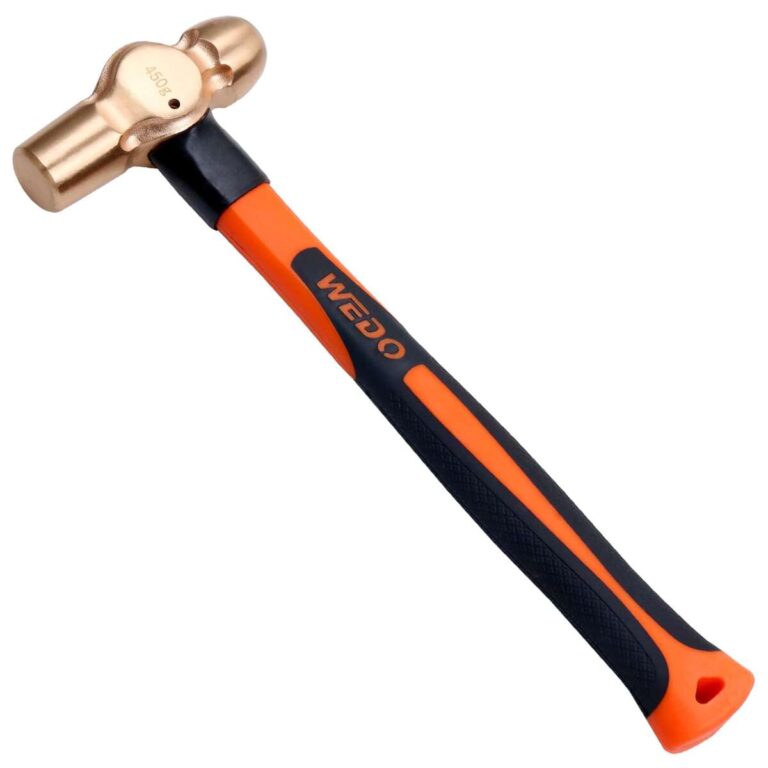
A ball peen hammer is used in American auto repair and metalwork to shape metal, set rivets, drive punches, loosen stuck parts, and perform light body work. Its flat face delivers normal hammer blows, while its rounded ball end helps spread, stretch, and form metal.
For most automotive jobs, the ball peen hammer is a controlled metalworking tool—not a general-purpose tool for hitting every stuck part. The correct hammer size, striking surface, and safety method matter. A wrong blow can damage a bearing, wheel stud, brake part, aluminum housing, or vehicle body panel.

What Is a Ball Peen Hammer?
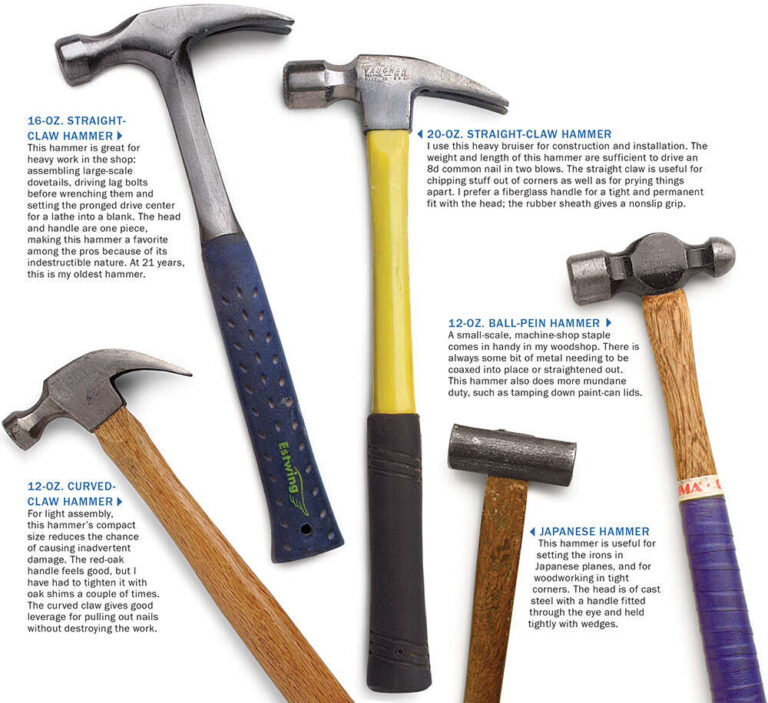
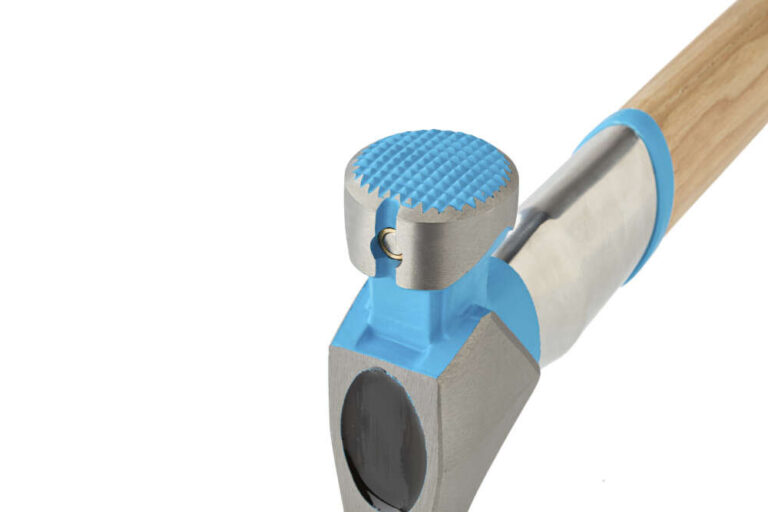
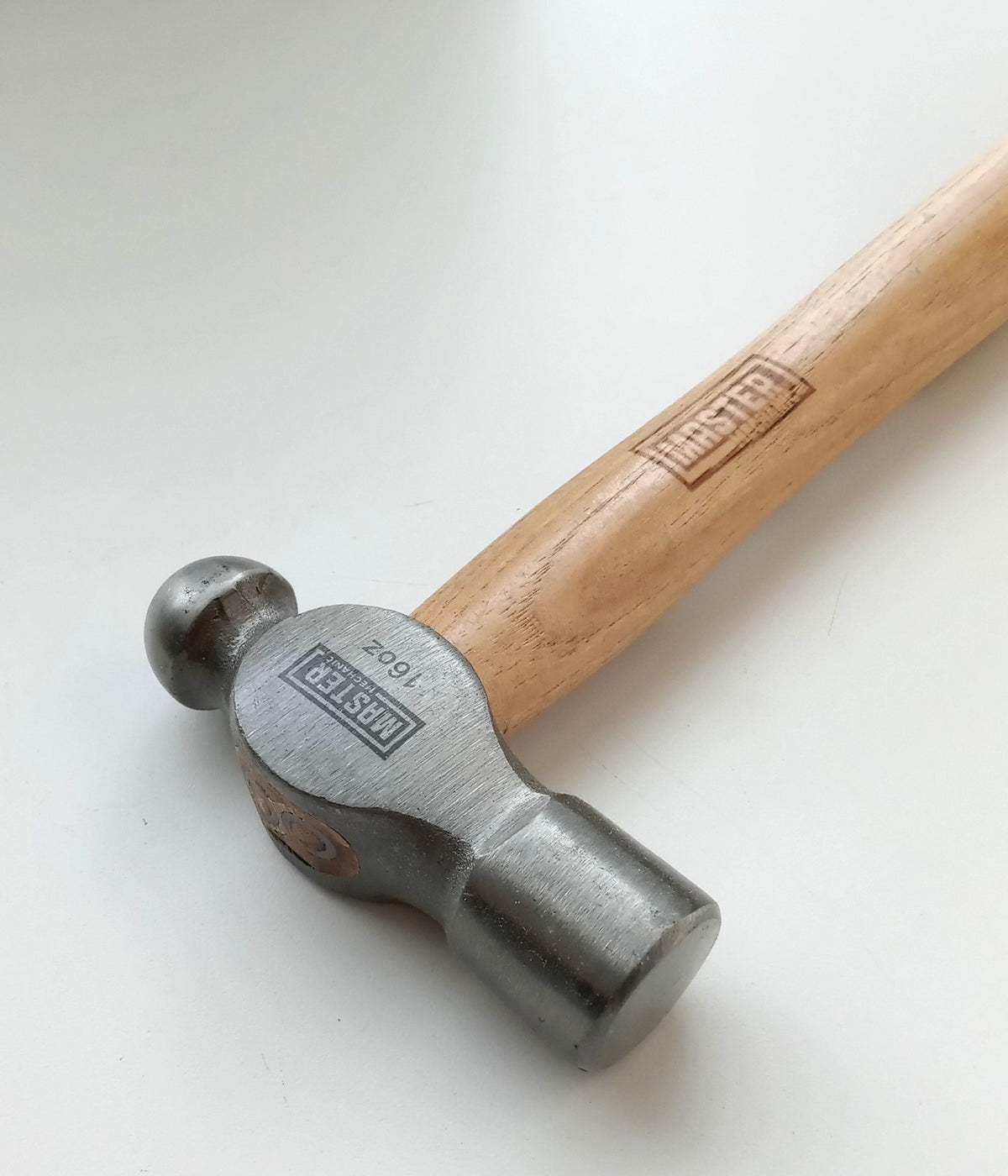
A ball peen hammer has two striking ends:
- Flat face: Used for general blows, driving punches, setting rivets, and moving metal.
- Rounded ball peen: Used to shape, expand, and texture metal. It can also spread the end of a rivet or pin.
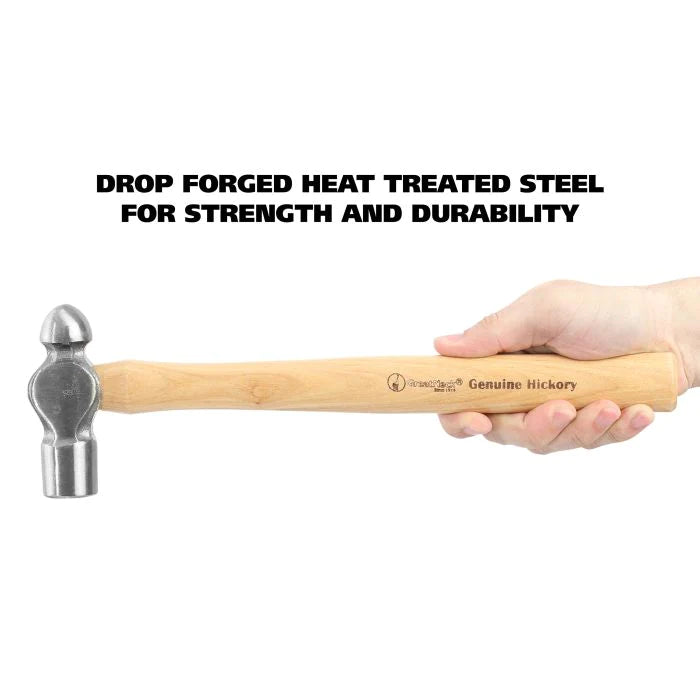
The head is usually made from hardened steel. The handle may be wood, fiberglass, or another shock-resistant material. Common sizes range from small precision hammers to larger models used for heavier metal work.
The rounded end is called the peen. When it strikes metal, its curved shape concentrates force over a small area. This lets the user stretch or move metal in a controlled way. The result is different from the sharp, focused blow of a punch or the broad impact of a rubber mallet.
A ball peen hammer is sometimes called a machinist’s hammer. It is common in auto shops, machine shops, fabrication areas, and maintenance work across the United States.
What Is a Ball Peen Hammer Used for in Automotive Repair?
A ball peen hammer is mainly used for metal shaping, controlled impact, and work with punches or rivets. The most useful applications are below.
1. Setting and Spreading Rivets
The ball end can spread the end of a rivet after it passes through two pieces of metal. This creates a wider head that holds the parts together.
A typical process is:
- Place the rivet through aligned holes.
- Support the opposite rivet head on a solid surface or bucking bar.
- Use light, even blows to flatten and spread the open end.
- Check that the rivet is tight and seated.
This method is useful for some brackets, older vehicle repairs, sheet-metal work, and custom fabrication. It is not a replacement for a specified structural fastener. If a vehicle manufacturer calls for a bolt, weld, or special rivet, follow that repair method instead.
2. Driving Punches and Small Chisels
The flat face can strike a punch or cold chisel when removing pins, separating stuck parts, or starting holes in metal.
Examples include:
- Driving a drift punch through an aligned hole
- Removing a roll pin with the correct pin punch
- Moving a stubborn cotter pin
- Starting a hole with a center punch
- Separating lightly seized metal parts
Use a punch whenever possible. Do not strike the edge of a part directly if the blow could damage a machined surface. Never use a ball peen hammer on a punch with a mushroomed or cracked head.
3. Loosening Rusted or Seized Parts
A ball peen hammer can help break rust bonds and loosen parts. Light taps may be useful on:
- Rusted suspension hardware
- Exhaust fasteners
- Brake components
- Stuck backing plates
- Seized brackets
- Corroded hubs or drums
The goal is to create vibration, not to crush the part. Apply penetrating oil when appropriate, allow time for it to work, and use the correct wrench or puller after the impact.
Do not hammer a pressurized shock absorber, fuel component, brake line, air-conditioning component, or sealed part that may contain dangerous pressure.
4. Light Sheet-Metal and Body Work
The ball end can shape steel during small body repairs. A technician may use it to:
- Raise a low spot
- Shrink or stretch a small area
- Form a contour
- Create a shallow texture
- Work metal around a patch or repair
The ball end leaves a rounded mark if used directly on a visible panel. For that reason, body technicians often use a dedicated body hammer and dolly for finished exterior work.
A ball peen hammer is better suited to rough shaping, hidden metal, brackets, floor pans, or fabrication than to delicate paint-ready body panels.
5. Peening Metal Edges and Pins
Peening means deforming metal with controlled blows so it stays in place. Automotive examples may include:
- Securing a pin
- Expanding a rivet
- Locking a small mechanical connection
- Forming a retaining edge
- Repairing or making a simple metal assembly
Only peen a part when the design allows it. Do not peen a bolt, wheel stud, axle shaft, bearing surface, or suspension component unless the manufacturer’s repair instructions specifically call for that method.
6. Moving Stubborn Brake and Chassis Parts
Light hammer blows can help free brake drums, backing plates, dust shields, and other parts that have rusted together. Strike a strong, non-machined area and rotate the part as needed.
For a stuck brake drum, first make sure the parking brake is released and the adjuster is backed off if the design requires it. Never hit the friction surface hard enough to crack or distort the drum. A puller may be safer and more effective when corrosion is severe.
How to Use a Ball Peen Hammer Safely
Safe use starts with choosing the correct striking point and protecting your eyes and hands. OSHA’s hand-tool guidance emphasizes keeping tools in safe condition and using them for their intended purpose. Automotive work also requires attention to stored energy, moving parts, chemicals, and vehicle support.
Before You Strike
Check the following:
- The hammer head is tight on the handle.
- The handle has no cracks, deep splinters, or loose sections.
- The striking face is not badly chipped or mushroomed.
- The workpiece is stable.
- The vehicle is supported by properly rated jack stands, not only a jack.
- Nearby fuel, brake fluid, wiring, and hoses are protected.
- Everyone nearby is wearing suitable eye protection.
Use a face shield in addition to safety glasses when chips or fragments may fly. Gloves can help with sharp metal, but they do not make an unsafe grip or unstable workpiece safe.
Use Controlled Blows
Hold the hammer near the end of the handle for normal work. Keep your wrist straight and let the hammer’s weight provide the force. Start with light blows and increase force only when the part and tool are responding as expected.
Avoid wild swings. A short, accurate blow is often more useful than a hard blow. Stop if the hammer bounces, the part shifts, or the tool begins to chip.
Never Strike Hardened Parts Without Protection
A hardened steel part can chip when struck. The same risk applies to a hardened hammer face, punch, chisel, or bearing component.
Do not strike:
- Hardened gears
- Bearing races
- Ball joints
- Wheel studs
- CV joint parts
- Hardened shafts
- Drill bits
- Hardened punches with damaged heads
- Ratchets, sockets, or wrenches
Use a suitable press, puller, soft-face hammer, brass drift, or manufacturer-approved procedure. If a punch or chisel is mushroomed, replace it or dress it safely according to the tool maker’s instructions. Do not keep striking a damaged tool head.
Avoid Direct Blows on Aluminum and Finished Surfaces
Aluminum is softer than steel and can dent, crack, or deform. A direct steel hammer blow may ruin a machined housing or sealing surface.
Use a plastic, rubber, rawhide, copper, or brass striking tool when the part allows it. A wood block can also spread force during some jobs. Protect painted panels and glass from direct impact.

Ball Peen Hammer vs. Other Automotive Hammers
The best hammer depends on the part, the desired force, and the chance of surface damage.
| Tool | Main automotive use | Main benefit | Main risk or limit |
|---|---|---|---|
| Ball peen hammer | Metal shaping, punches, rivets, seized steel parts | Strong and versatile | Can dent or chip parts |
| Dead-blow hammer | Removing or positioning parts | Low rebound and controlled impact | Not ideal for shaping metal |
| Rubber mallet | Light assembly and trim work | Reduces marks | May lack force for seized parts |
| Plastic or nylon hammer | Sensitive surfaces and housings | Less surface damage | Can wear or crack under heavy use |
| Brass hammer or drift | Working near machined surfaces | Softer than steel | Leaves brass transfer and needs inspection |
| Body hammer | Exterior panel repair | Better control of body contours | Specialized for sheet metal |
| Sledgehammer | Heavy suspension or fabrication work | High impact force | Easy to cause major damage or injury |
A ball peen hammer is a good choice when you need both a firm flat face and a rounded peen. It is not automatically the best choice for every automotive impact job.
Use a dead-blow hammer when rebound is a concern. Use a soft-face hammer when the surface must remain clean. Use a body hammer and dolly when repairing visible sheet metal.

How to Choose the Right Ball Peen Hammer
Choose the hammer by the work, not by the largest head available.
Match the Head Weight to the Task
A small hammer gives better control for:
- Small rivets
- Light sheet metal
- Small punches
- Delicate fabrication
- Bench work
A heavier hammer may help with:
- Larger drift punches
- Stubborn steel parts
- Heavy brackets
- Thick stock
- Fabrication work
More weight does not always mean more useful force. A heavy hammer can overstrike the part, damage the tool, and increase fatigue.
Inspect the Face and Peen
The flat face should be smooth enough for the planned work and free from major chips. The ball end should be rounded and intact.
Do not use a hammer if:
- The head is loose.
- The handle is split.
- The peen is cracked.
- The striking face has deep chips.
- The face has a sharp lip or severe mushrooming.
- The hammer has been exposed to damaging heat or chemicals.
Select the Right Handle
Wood handles can absorb some vibration and are easy to replace. Fiberglass handles are common in automotive shops because they resist splitting, but they still need inspection. A handle that feels loose or shows damage should not remain in service.

Common Mistakes to Avoid
The most common mistake is using a ball peen hammer as a substitute for the correct automotive tool. A hammer may move a part, but movement alone does not mean the repair is safe.
Avoid these errors:
- Hitting a wheel stud to remove a hub
- Striking a bearing race without the correct driver
- Using a hammer on a fuel, refrigerant, or pressurized component
- Hitting a ball joint or tie-rod end without a proper separator
- Striking directly on aluminum housings
- Using a damaged punch
- Hammering near glass without protection
- Supporting a vehicle only with a floor jack
- Using force before checking for a retaining clip or bolt
- Hitting a brake drum without checking the parking brake and adjuster
- Using the ball end on painted body panels without accepting the marks
- Striking a tool that is not designed to be struck
If a part does not move after safe, moderate blows, stop and find out why. More force can turn a simple repair into a broken housing, bent shaft, damaged thread, or personal injury.

Ball Peen Hammer Safety Checklist
Use this short checklist before automotive hammer work:
- Identify the part. Know what you are hitting and what is behind it.
- Check stored energy. Release spring, hydraulic, pneumatic, electrical, and fuel hazards.
- Support the vehicle. Use jack stands on a firm surface.
- Choose the proper tool. Consider a puller, press, drift, soft hammer, or specialty separator.
- Inspect the hammer. Reject loose, cracked, chipped, or mushroomed tools.
- Wear eye protection. Add face protection when fragments may fly.
- Protect nearby parts. Cover hoses, wiring, painted surfaces, and glass.
- Start with light blows. Increase force only when the setup remains stable.
- Inspect after impact. Look for cracks, deformation, loose fasteners, and damaged threads.
- Follow the service manual. Use the specified repair method for safety-critical parts.

Frequently Asked Questions
Can you use a ball peen hammer to remove a bearing?
Usually, a bearing should be removed with a press or the correct puller. A hammer and drift may be allowed for some designs, but the drift must contact the correct bearing race. Striking the wrong race can damage the bearing or its seat. Follow the vehicle service manual.
Can a ball peen hammer be used on a car body?
Yes, but it is mainly suitable for rough or hidden metal work. The rounded peen can leave dents and marks. For visible exterior panels, use a body hammer and dolly designed for panel shaping.
Can you hit a wheel stud with a ball peen hammer?
Avoid direct hits on wheel studs. They can damage the threads, deform the stud, or transfer force into the hub and bearing. Use the vehicle maker’s removal method, such as a press or approved stud-removal tool.
What size ball peen hammer is best for automotive work?
A medium hammer is a practical general-purpose choice for many shop tasks, but there is no universal size. Use a lighter hammer for small punches and sheet metal. Use a heavier one only when the part and tool can safely handle the added impact.
Is a ball peen hammer the same as a regular hammer?
No. A claw hammer is designed mainly for nails and wood. A ball peen hammer is designed for metal work, rivets, punches, and controlled shaping. Its rounded peen gives it a function that a claw hammer does not have.
Key Takeaways
- A ball peen hammer is used in automotive work to shape metal, set rivets, drive punches, and loosen some seized steel parts.
- The flat face delivers normal impact; the rounded peen spreads and forms metal.
- It is useful for fabrication and rough metal work but can damage aluminum, paint, bearings, studs, and machined surfaces.
- Use a punch, puller, press, soft-face hammer, or specialty tool when the job calls for one.
- Always inspect the hammer, secure the work, wear eye protection, and begin with controlled blows.
Conclusion
A ball peen hammer is a useful automotive shop tool because it combines strong impact with basic metal-forming ability. It works best for rivets, punches, pins, brackets, rough sheet metal, and carefully controlled work on seized steel parts.
It is not a universal repair tool. When a part is hardened, pressurized, safety-critical, aluminum, painted, or connected to a bearing or wheel assembly, use the specified tool and procedure instead. The safest next step is to identify the part, check the vehicle service information, and choose the lightest tool that can complete the job without damage.
Recent Tool Guides
 Hammer
How To Hammer Flowers Onto Paper: Easy Guide
Learn how to hammer flowers onto paper with simple steps, helpful tips, and beautiful results for...
Read Guide → Wrench
How To Use A Hex Wrench: Easy Step-By-Step Guide
Learn how to use a hex wrench correctly with simple steps, helpful tips, and common mistakes...
Read Guide → Hacksaw
How To Cut Curtain Pole With Hacksaw: Easy Guide
Learn how to cut curtain pole with hacksaw safely and neatly. Follow simple steps for accurate...
Read Guide → Wrench
How To Use A Husky Torque Wrench: Easy Guide
Learn how to use a Husky torque wrench correctly with simple steps, torque settings, and safety...
Read Guide → Hammer
How To Hold A Hammer: Safe Grip Guide
Learn how to hold a hammer with the right grip, stance, and technique for safer, more...
Read Guide → Hacksaw
How To Cut Flexible Metal Conduit With Hacksaw: Easy Guide
Learn how to cut flexible metal conduit with hacksaw safely and cleanly. Follow simple steps for...
Read Guide →