

Store hand tools clean, dry, organized, and easy to reach in a drawer, cabinet, pegboard, or sturdy toolbox.
Good hand tool storage protects your investment, prevents rust, and saves time on every repair. After years of working around garages and workshops, I have learned that the best system is not always the most expensive one. It is the system that keeps each tool visible, dry, secure, and ready for use. This guide explains how to store hand tools in small spaces, garages, workshops, and toolboxes while avoiding common mistakes.
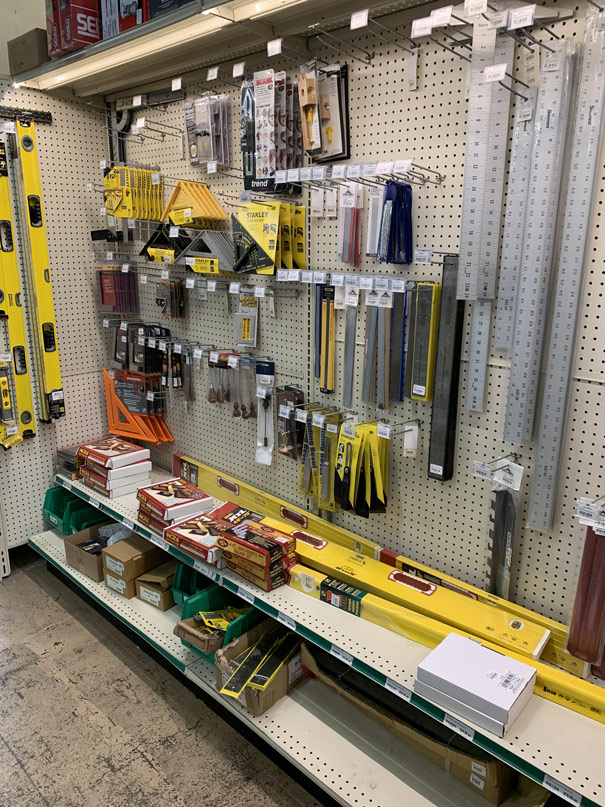
Why Proper Hand Tool Storage Matters
Hand tools may look tough, but poor storage can damage them. Moisture causes rust on steel surfaces. Loose tools can chip, bend, or lose sharp edges. A cluttered toolbox can also create safety risks when you reach inside without seeing what is there.
Learning how to store hand tools offers several benefits:
• Faster work because you can find the right tool quickly
• Longer tool life through protection from moisture and impact
• Better safety because sharp and heavy tools stay secure
• Less spending because organized tools are less likely to get lost
• A cleaner work area with fewer trip and fall hazards
A good storage system acts like a home for every tool. When each item has a set place, cleanup takes minutes instead of becoming a chore you keep putting off.

Clean and Inspect Tools Before Storage
Before deciding how to store hand tools, clean them first. Dirt, grease, sawdust, and metal dust can trap moisture against the tool surface. That moisture may lead to corrosion, especially in humid garages or outdoor sheds.
Use a clean cloth to wipe most tools. For greasy tools, use a suitable degreaser and follow the product label. Dry the tool fully before putting it away. Never store a damp screwdriver, wrench, or pair of pliers in a closed toolbox.
Inspect each tool for damage as you clean it:
• Look for cracked handles or loose grips
• Check cutting tools for dull or chipped edges
• Inspect screwdrivers for worn tips
• Test ratchets and moving joints
• Check measuring tools for damaged markings
• Remove dirt from saw teeth and file surfaces
In my own workshop, I once returned a damp pair of pliers to a drawer after a rainy job. A few weeks later, small rust spots had formed around the joint. That small mistake taught me a useful rule: cleaning and drying are part of tool storage, not extra tasks.
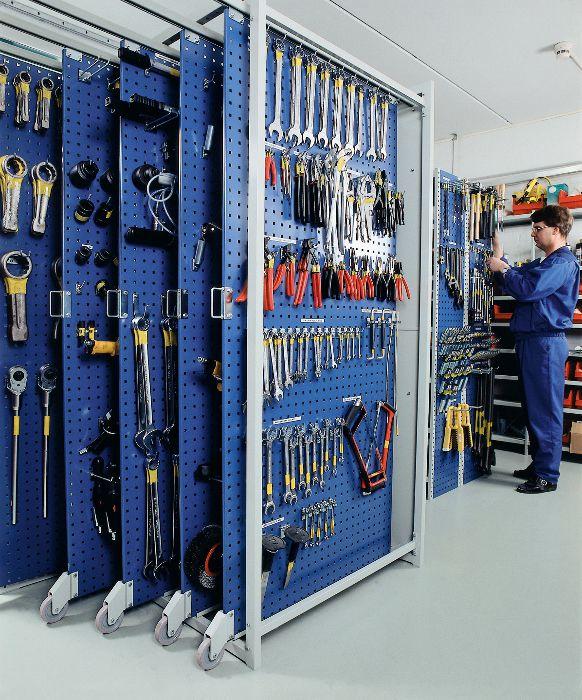
Choose the Right Hand Tool Storage Method
The best method depends on your space, tool collection, budget, and work habits. A professional shop may use cabinets and foam inserts, while a homeowner may need only a toolbox and wall rack.
Toolboxes and Tool Bags
Toolboxes work well for portable storage. They protect tools from dust and make it easy to carry a group of tools to a job site.
Choose a toolbox with:
• Strong latches
• A comfortable handle
• Removable trays
• Enough depth for larger tools
• Small compartments for bits, sockets, and fasteners
Tool bags are lighter and easier to carry, but they offer less protection from impact and moisture. Do not overload a soft bag. Heavy tools can damage the bag and make it unsafe to lift.
Tool Chests and Cabinets
A rolling tool chest is useful when you own many hand tools. Drawers let you group tools by type, such as wrenches, pliers, screwdrivers, and cutting tools.
Use drawer liners to stop tools from sliding. Foam liners also reduce noise and protect polished surfaces. Keep heavy tools in lower drawers so the cabinet stays stable.
Pegboards and Wall Racks
Pegboards make tools easy to see and reach. They are a strong choice for garages and workshops with open wall space.
Place frequently used tools between waist and shoulder height. Store sharp tools where their edges cannot catch clothing or hands. Use locking hooks or retaining clips if the pegboard is in a busy area.
Shelves and Bins
Shelves work well for larger items, tool cases, and supplies. Small bins can hold utility knives, clamps, spare blades, and other loose pieces.
Label each bin clearly. A label such as “hex keys” is more useful than a broad label such as “small tools.”

How to Store Hand Tools in a Toolbox
A toolbox should make tools easy to find, not create a metal puzzle. Start by sorting tools into groups. Place the tools you use most often in the top tray or the easiest section to reach.
A practical toolbox layout looks like this:
Put screwdrivers, pliers, and a utility knife in the top tray.
Store wrenches and sockets in labeled rows or cases.
Keep a tape measure and level where they will not be crushed.
Place heavy hammers and pry bars at the bottom.
Store small bits, adapters, and fasteners in divided containers.
Keep sharp blades covered with guards or cases.
Do not toss every tool into one large compartment. Loose tools rub against each other, and smaller tools often disappear beneath heavier ones. This also makes it harder to spot a missing tool.
Avoid storing wet gloves, rags, or outdoor gear in the same toolbox. They can raise humidity and speed up rust.
:max_bytes(150000):strip_icc()/SPR-organizing-your-tools-2648069-hero-fd10734be88247f7aa31bb7009a85a4d.jpg)
How to Store Hand Tools on a Pegboard
A pegboard can turn a crowded workbench into a clear, useful wall. Before installing one, choose a strong panel and attach it securely to wall studs or suitable anchors. The panel must support the total weight of the tools and hooks.
Arrange tools by function rather than by color or size alone. For example, place screwdrivers together, then pliers, wrenches, measuring tools, and striking tools.
Follow these pegboard storage tips:
• Leave space around each tool
• Use two hooks for long or heavy tools
• Keep handles facing the same direction
• Add an outline or label for frequently used tools
• Store sharp blades with covers
• Keep the heaviest tools low on the board
One mistake I have seen often is placing a hammer or large wrench on a single small hook. The hook may bend, and the tool can fall. Matching the hook to the tool’s weight is a simple way to prevent damage and injury.

How to Store Hand Tools in a Small Space
Small spaces need vertical storage and careful grouping. You do not need a large workshop to build a useful system. A narrow wall, the inside of a cabinet door, or a space beneath a workbench can hold many tools.
Try these ideas:
• Install a slim pegboard on an unused wall
• Use magnetic strips for small metal tools
• Add drawer dividers to kitchen-style cabinets
• Store rarely used tools in stackable bins
• Use a rolling cart that fits below a workbench
• Hang measuring tapes and small bags from hooks
• Keep a compact emergency toolbox separate from the main collection
Do not fill every inch of storage space. Leave room to remove and return tools without knocking other items down. A system that is too tight may look efficient, but it becomes frustrating in daily use.
Protect Hand Tools From Rust and Moisture
Moisture is one of the main enemies of steel hand tools. This is especially true in basements, sheds, coastal areas, and garages that experience large temperature changes.
To reduce rust risk:
• Store tools in a dry place
• Wipe bare steel with a light protective oil when suitable
• Use a rust inhibitor or vapor corrosion inhibitor product
• Add silica gel packs to closed toolboxes
• Improve airflow in damp rooms
• Repair roof leaks and plumbing leaks near storage
• Avoid placing toolboxes directly on a concrete floor
Silica gel helps in closed containers, but it does not solve serious moisture problems. Replace or recharge packs according to the product instructions. Do not rely on them in a wet shed with poor ventilation.
Oil is useful for many steel tools, but it is not suitable for every surface. Avoid oil on tools that must remain clean for electrical, medical, food, or precision work unless the product is approved for that use. Always follow the tool maker’s care instructions.
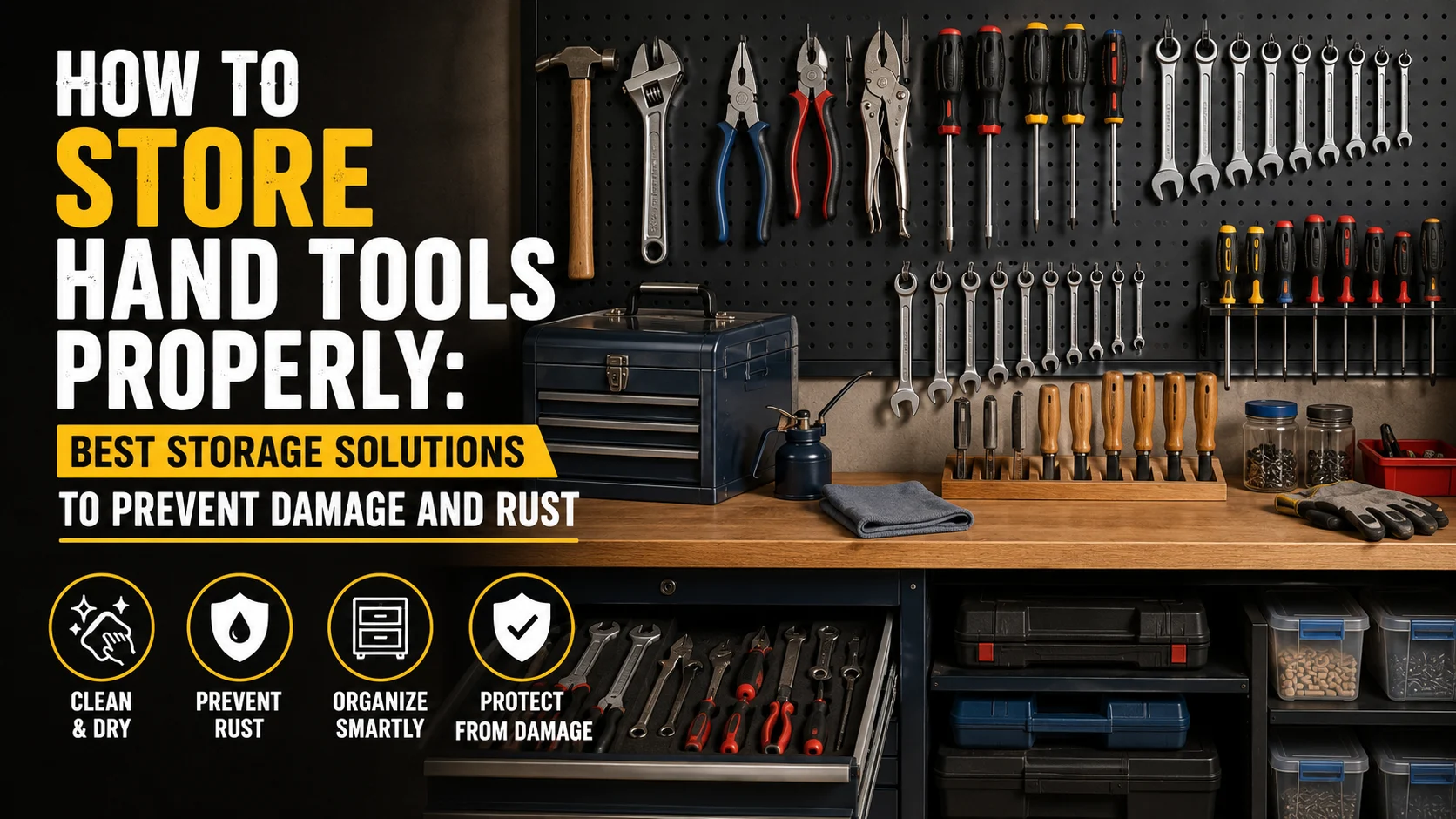
Store Special Hand Tools With Extra Care
Some hand tools need more protection than a standard wrench or hammer. Cutting, measuring, and precision tools can lose performance when stored carelessly.
Cutting Tools
Store chisels, snips, knives, and saws with blade guards or cases. Keep cutting edges away from other tools. A damaged edge may cut a hand or make the tool work poorly.
Do not place sharp tools loose in a deep drawer. Use a rack, sleeve, or dedicated compartment.
Measuring Tools
Keep tape measures, squares, calipers, and levels away from heavy tools. A bent square or damaged caliper may give inaccurate results even if it looks fine.
Store precision measuring tools in protective cases when possible. Keep them away from grit, extreme heat, and sudden impacts.
Pliers and Hinged Tools
Pliers, cutters, and locking tools should be stored with enough room for their joints and handles. A small amount of suitable lubricant on the joint can prevent stiffness.
Do not force a crowded drawer closed over open pliers. This can bend handles or damage the drawer.
Wooden-Handled Tools
Wooden handles should stay dry and clean. Avoid storing them against damp concrete or in places with large swings in humidity. Inspect wooden handles for cracks, splinters, and looseness before use.
Organize Tools for Fast Access
Good organization follows the way you work. Put daily-use tools close to your main work area. Store seasonal or rarely used tools farther away.
A simple classification system includes:
• Measuring tools
• Driving tools, such as screwdrivers and nut drivers
• Gripping tools, such as pliers and clamps
• Wrenches and sockets
• Cutting tools
• Striking tools
• Files and abrasives
• Fastening accessories
Use labels even when the system seems obvious. Over time, tools move, new tools arrive, and memory becomes less reliable. Labels help every person in a shared garage return tools correctly.
You can also use a shadow board. Paint or mark the shape of each tool behind its storage spot. An empty outline quickly shows when a tool is missing.
Create a Simple Tool Maintenance Routine
Tool storage works best when combined with regular maintenance. Set aside a few minutes after each project to clean, inspect, and return your tools.
A useful routine is:
Wipe each tool after use.
Remove dirt from joints and edges.
Dry tools that were exposed to water.
Apply suitable lubricant where needed.
Check for damage or unusual wear.
Return each tool to its assigned location.
Lock the cabinet or toolbox if children or visitors have access.
Once a month, inspect the whole storage area. Look for rust, loose hooks, cracked containers, and signs of pests or water leaks. A quick check can prevent a small problem from damaging an entire tool collection.
Common Hand Tool Storage Mistakes to Avoid
Even a good storage system can fail when basic habits are ignored. These mistakes appear in home garages and busy workshops alike.
• Storing tools while they are wet
• Leaving sharp tools uncovered
• Overloading drawers or wall hooks
• Mixing clean tools with oily rags
• Keeping heavy tools above shoulder height
• Hiding small tools in deep, unmarked bins
• Using cardboard boxes in damp areas
• Ignoring rust until it becomes severe
• Storing tools on the floor
• Keeping damaged tools in the active tool set
A damaged tool should be repaired, marked clearly, or removed from service. Do not keep using a cracked hammer handle or a screwdriver with a badly worn tip. The cost of replacement is usually far lower than the cost of an injury or damaged workpiece.
Safety Tips for Hand Tool Storage
Safety should guide every storage decision. Keep tool handles visible and avoid arrangements that require you to reach over sharp edges.
Follow these basic rules:
• Secure wall-mounted storage to strong supports
• Keep heavy tools on low shelves
• Use guards for blades and pointed tools
• Lock tools away from children
• Keep walkways and exits clear
• Do not store tools near heat, chemicals, or open flames
• Separate damaged tools from safe tools
• Use a stable step stool for high storage
• Keep electrical tools and batteries in line with their care instructions
Safety agencies commonly recommend inspecting hand tools before use and removing defective tools from service. That advice applies to storage, too. Storage is not only about neatness; it helps you notice problems before the next job.
How to Choose a Hand Tool Storage System
Before buying a cabinet or wall rack, ask a few practical questions:
• How many tools do you own?
• Which tools do you use every week?
• Is the storage area dry?
• Do you need to carry tools to different locations?
• Will other people use the tools?
• Do you need locks or child-resistant storage?
• Can the wall or shelf support the weight?
A homeowner with a small collection may need only a compact toolbox, drawer dividers, and a wall rack. A busy mechanic may benefit from a rolling chest, labeled drawers, foam inserts, and a separate mobile cart.
Avoid buying storage based only on appearance. A large cabinet can become a dumping ground if it has no clear layout. Choose a system that fits your habits and leaves enough room for future tools.
Frequently Asked Questions About How to Store Hand Tools
What is the best way to store hand tools?
The best way to store hand tools is to keep them clean, dry, organized, and protected from impact. Use a toolbox for portable storage, a cabinet for large collections, or a pegboard for quick access.
How do you keep hand tools from rusting?
Dry tools completely before storage and keep them in a low-humidity area. In closed boxes, silica gel or a suitable rust inhibitor can help, while a light protective oil may protect compatible steel surfaces.
Is it better to store tools in a toolbox or on a pegboard?
A toolbox protects tools and makes them portable, while a pegboard keeps tools visible and easy to reach. Many workshops use both: a pegboard for daily-use tools and a toolbox for transport or long-term storage.
Should hand tools be stored in a garage?
Hand tools can be stored in a garage if the space is dry, secure, and protected from extreme moisture. Use sealed containers, improve ventilation, and keep storage off the floor when the garage is damp.
How should sharp hand tools be stored?
Store knives, chisels, saws, and snips with blade guards, sleeves, or dedicated cases. Keep their edges away from hands and other tools to prevent injury and damage.
How often should hand tools be cleaned?
Wipe hand tools after every use, especially after contact with water, dirt, or chemicals. Perform a deeper inspection once a month or more often in a busy workshop.
How do you organize a toolbox?
Group tools by type and place frequently used items in the top tray or front section. Use dividers for small parts and keep heavy tools low to improve stability.
Conclusion
Good hand tool storage keeps tools dry, safe, visible, and ready for work. Clean each tool before storage, protect steel from moisture, use the right system for your space, and give sharp or precision tools extra care.
Start with one drawer, toolbox, or wall section today. Sort the tools, remove damaged items, add labels, and create a home for every piece. A small improvement now can save hours of searching and extend the life of your tools. Share your favorite storage method or explore more workshop organization guides for your next upgrade.