

Grip the tool, place the fork under the weed, pull straight and smooth to remove roots.
I’ve spent years gardening and testing tools, so I’ll walk you through exactly how to use a hand weeder tool with clear steps, real tips, and things I learned the hard way. This guide covers types, step-by-step technique, maintenance, mistakes to avoid, and quick answers to common questions so you can weed smarter and protect your plants.

Why a hand weeder matters
A hand weeder is simple. It removes weeds by the root without disturbing nearby plants. Learning how to use a hand weeder tool saves time and stops weeds from coming back. It is gentler than large tools and more precise than pulling by hand.
Using a hand weeder tool also reduces chemical needs. For small beds, containers, and tight spaces a good hand weeder is often the best choice. I rely on one for my raised beds and borders because it’s fast and accurate.
Types of hand weeders and when to use each
There are a few common models. Pick one that matches your soil and plants.
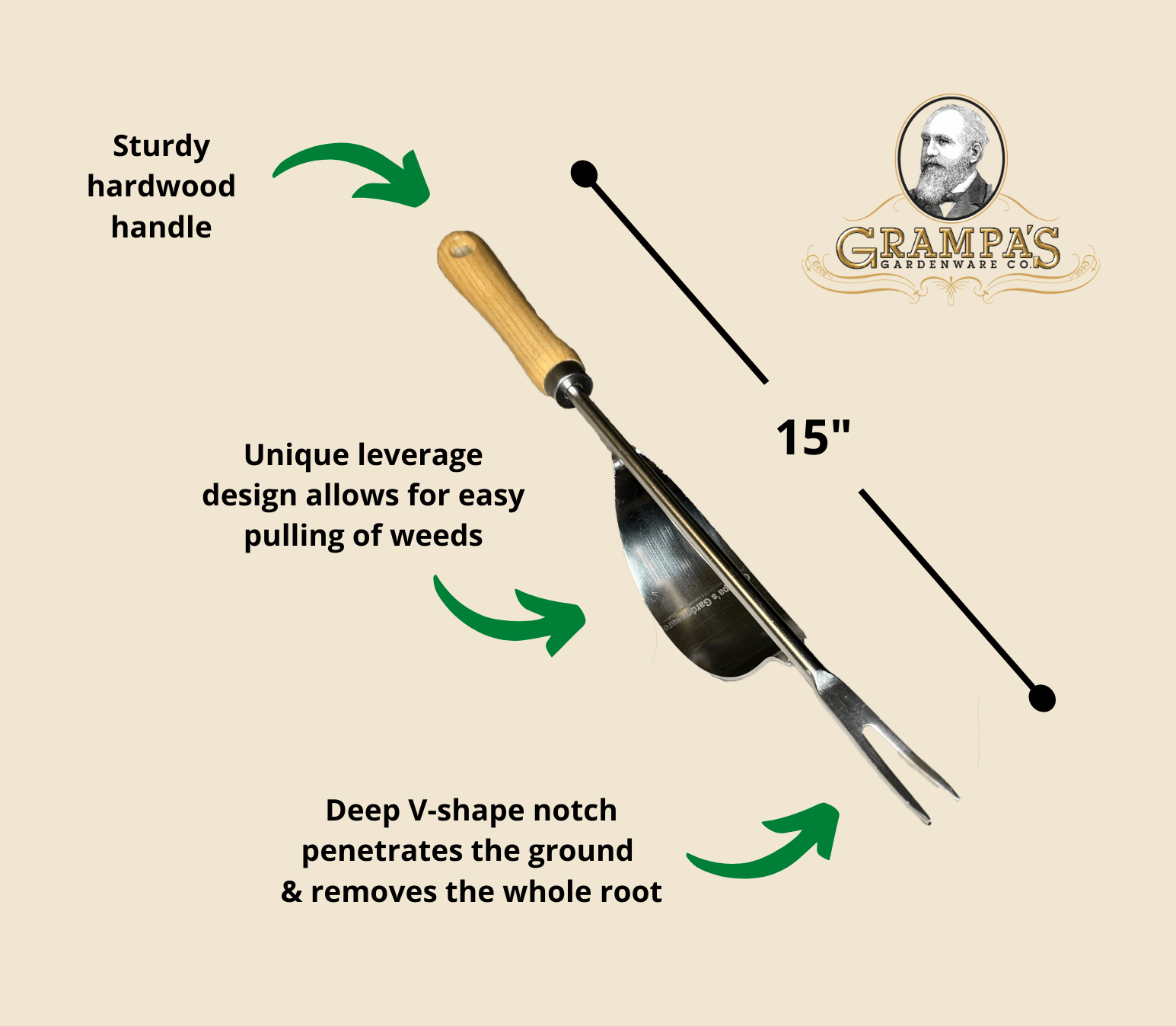
- Fork-style weeder: Has two thin prongs. Works well in tight soil and for shallow roots.
- Serrated blade weeder: Cuts deep roots cleanly. Good for taproot weeds.
- Cobra or Hori-hori style: Multi-use tool that digs and slices. Best for mixed tasks.
- Long-handled stainless tool: Lets you stand while weeding. Good for knees and large plots.
Each type changes how you use the tool. Knowing the model helps you apply the right pressure and angle. I keep two types: a fork-style for seedlings and a serrated blade for stubborn dandelions.
Step-by-step: How to use a hand weeder tool
Follow these steps for safe, effective weeding. Practice makes the motions firm and precise.
Assess the weed and soil
- Check root depth and soil moisture. Wet soil pulls easier.
- Avoid weeding immediately after heavy rain when soil is sticky.
Position your body
- Kneel or use a low stool. Keep your back straight to avoid strain.
- Hold the weeder handle firmly with one hand, near the head for control.
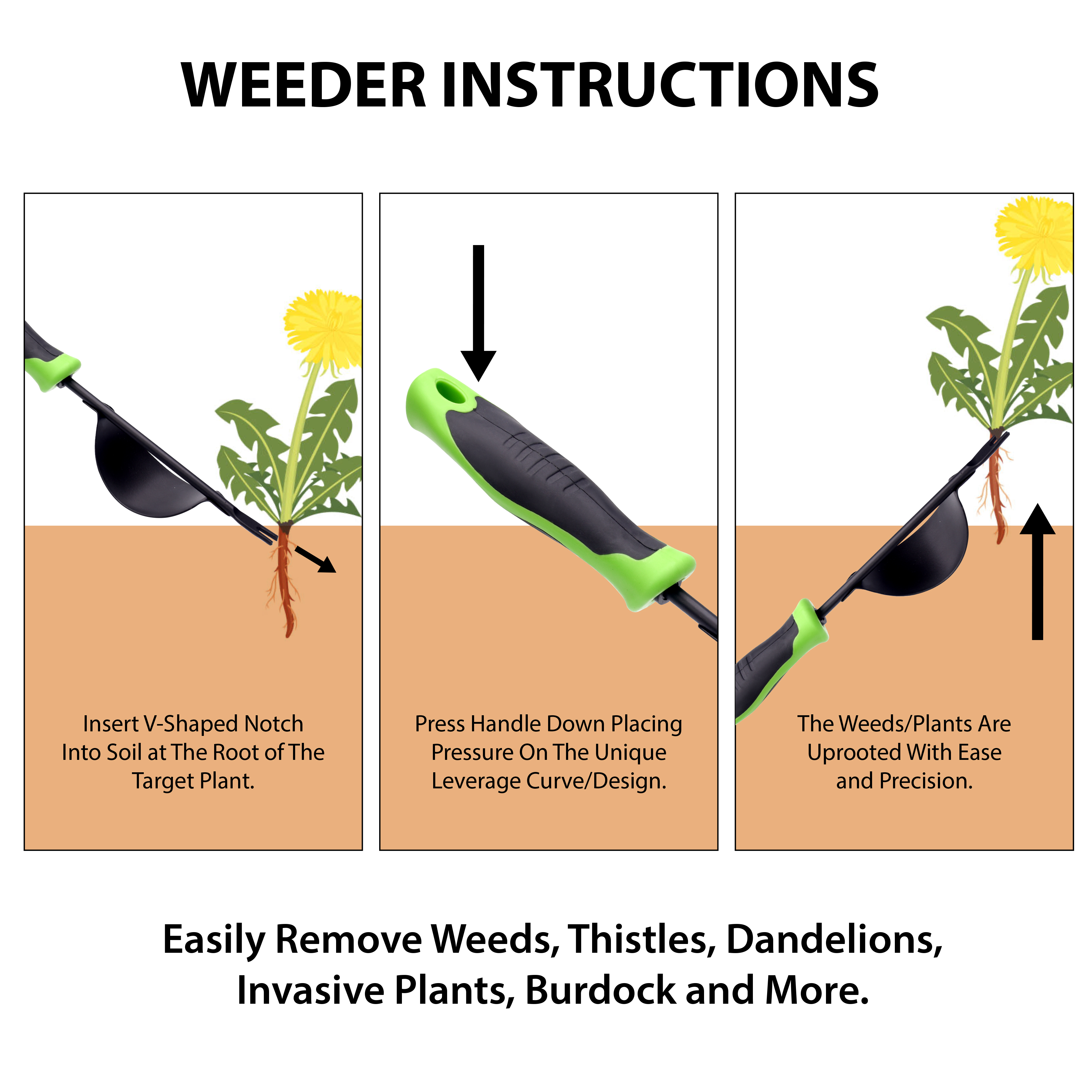
Insert the tool
- Slide the prong or blade beside the weed stem, not directly on top.
- Aim the tool toward the root crown at a shallow angle.
Engage the root
- For fork-style tools, push the prongs under the root and lever up gently.
- For blade-style tools, push deep and twist or pull straight up to extract the taproot.
Pull steadily
- Use a slow, steady pull to lift the root intact. Jerking can snap the root and leave pieces behind.
- If the root breaks, reinsert the tool deeper and try again.
Inspect and finish
- Check the hole for remaining root fragments and remove them.
- Fill small holes with soil to prevent air pockets and replant if needed.
Clean and store
- Wipe off dirt and dry the metal to prevent rust.
- Sharpen the edge when dull and oil the metal occasionally.
Practice this routine until you do it smoothly. I still use the same slow pull technique I learned years ago. It keeps beds clean and cuts repeat work.
Maintenance and care for longevity
A cared-for tool lasts. Here’s how to keep your hand weeder ready.
- Clean after each use. Rinse loose soil and wipe the metal dry.
- Remove sap or sticky residue with a brush and mild soap if needed.
- Sharpen edges lightly once or twice a season for tools with blades.
- Oil metal parts to stop rust. Rub a light coat of oil on the head.
- Tighten screws and check handles for splits. Replace wooden handles if cracked.
I once left a tool outside for a winter and paid for it with rust. Now I clean and oil after every session. It’s a small step that saves money and frustration.

Common mistakes and how to avoid them
Knowing traps helps you weed better and protect plants.
- Pulling too fast: Fast tugs snap roots. Pull slow and steady to get the whole root.
- Using wrong angle: Insert at a shallow angle toward the root crown. Straight pulls may leave fragments.
- Working in dry soil: Dry soil makes roots brittle. Water a bit first when possible.
- Ignoring seed heads: Remove seed heads before they spread seed. Cut or bag them.
- Overusing a worn tool: Dull edges make work harder. Keep blades sharp and prongs aligned.
I used to tug and leave root bits behind. Once I slowed down, the number of returning weeds dropped a lot.

Advanced tips and safety
Small habits make a big difference.
- Use a knee pad or stool to protect knees and back.
- Wear gloves for thorny weeds or when working around roots.
- Mark treated areas with small stakes if you plan follow-up weeding.
- For volunteer trees or deep taproots, dig around the root with a trowel before using the hand weeder tool.
- Rotate weeding times: early morning is cooler and easier on you.
If a weed is truly stubborn, loosen soil with a trowel first. This avoids unnecessary force and protects nearby plants.

Frequently Asked Questions of how to use a hand weeder tool
What is the best time of day to weed with a hand weeder?
Early morning or after light rain is best because soil is moist and roots pull out cleanly. Avoid the heat of midday to reduce stress on you and plants.
Can a hand weeder tool remove deep taproots?
Yes, some hand weeders and Hori-hori blades are designed to reach and extract deep taproots when used with a steady pull. If the root is very deep, loosen soil around it first for easier removal.
How often should I sharpen my hand weeder tool?
Sharpen blade-style tools once or twice per growing season depending on use. Light hone strokes keep the edge effective for clean cuts.
Is a hand weeder better than pulling by hand?
A hand weeder is more precise and reduces root breakage, especially near young plants. It saves time and lowers the chance of leaving root fragments that regrow.
How do I prevent weeds after using a hand weeder?
Fill holes and add mulch to suppress new weeds. Regular weeding and a layer of mulch also reduce seed germination and lower future work.
Can I use a hand weeder tool in pots and containers?
Yes, small hand weeders excel in containers and tight spaces because they are precise and gentle on plant roots. Work carefully to avoid disturbing roots of desired plants.
Should I disinfect my hand weeder between uses?
Disinfecting is wise if you move between diseased plants. Wipe the tool with diluted bleach or alcohol and dry it before reuse to prevent spread.
Conclusion
Mastering how to use a hand weeder tool is about angle, patience, and consistent care. Use the right tool for the job, insert at the root crown, pull steadily, and keep your tool sharp and clean. Try these steps this weekend in a small patch to build skill and confidence.
Take action: pick one bed, practice these steps, and notice how less time and fewer chemicals keep your plot tidy. If this guide helped, leave a comment, share your favorite tool, or subscribe for more practical gardening tips.