What Is A Typical Application For A Hammer: Common Uses
Introduction
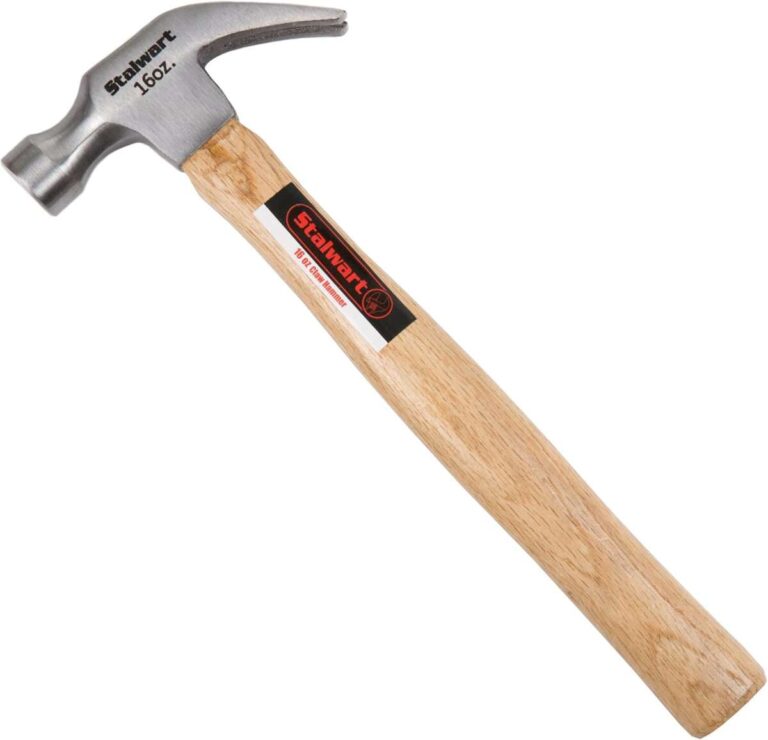
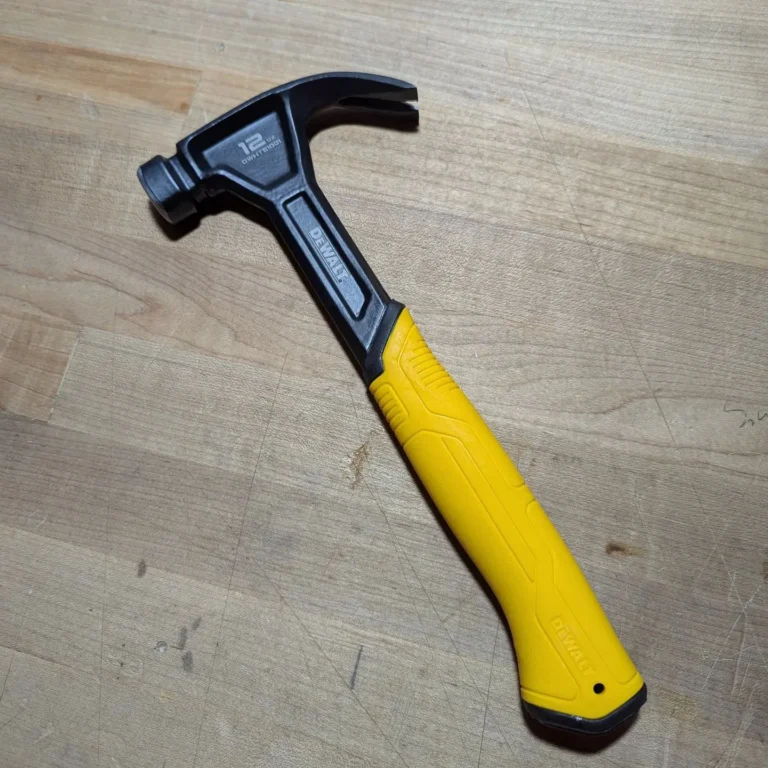
A typical application for a hammer in the United States is driving nails into wood. A claw hammer is the common household tool for this job. Its flat face strikes the nail head, while the curved claw can pull nails back out.
Hammers also help with light demolition, fitting parts, shaping materials, and striking tools such as chisels. The safe and correct use depends on the hammer type, the material, and the force needed.
What Is the Main Use of a Hammer?
The main use of a hammer is to deliver a focused blow to an object. Most often, that object is a nail, pin, tack, or small fastener.
A hammer turns the motion of your arm into a short, strong impact. The hammer head provides the force. The handle gives you control and helps keep your hand away from the point of impact.
A standard claw hammer is well suited for:
- Driving nails into wood
- Pulling nails from wood
- Building small wood projects
- Hanging pictures and trim
- Making basic home repairs
- Assembling some furniture
- Performing light demolition
For many U.S. households, a claw hammer is the general-purpose hammer found in a basic tool kit.
The typical example: driving a nail
Suppose you are attaching a wood trim board to a wall stud. You place the nail at the correct point, hold the hammer near the end of the handle, and strike the nail head with the center of the hammer face.
The first light blows start the nail. A few firm blows then drive it into the wood. When the nail sits flush with the surface, you stop. More force is not always better because excessive impact can split the wood or bend the nail.
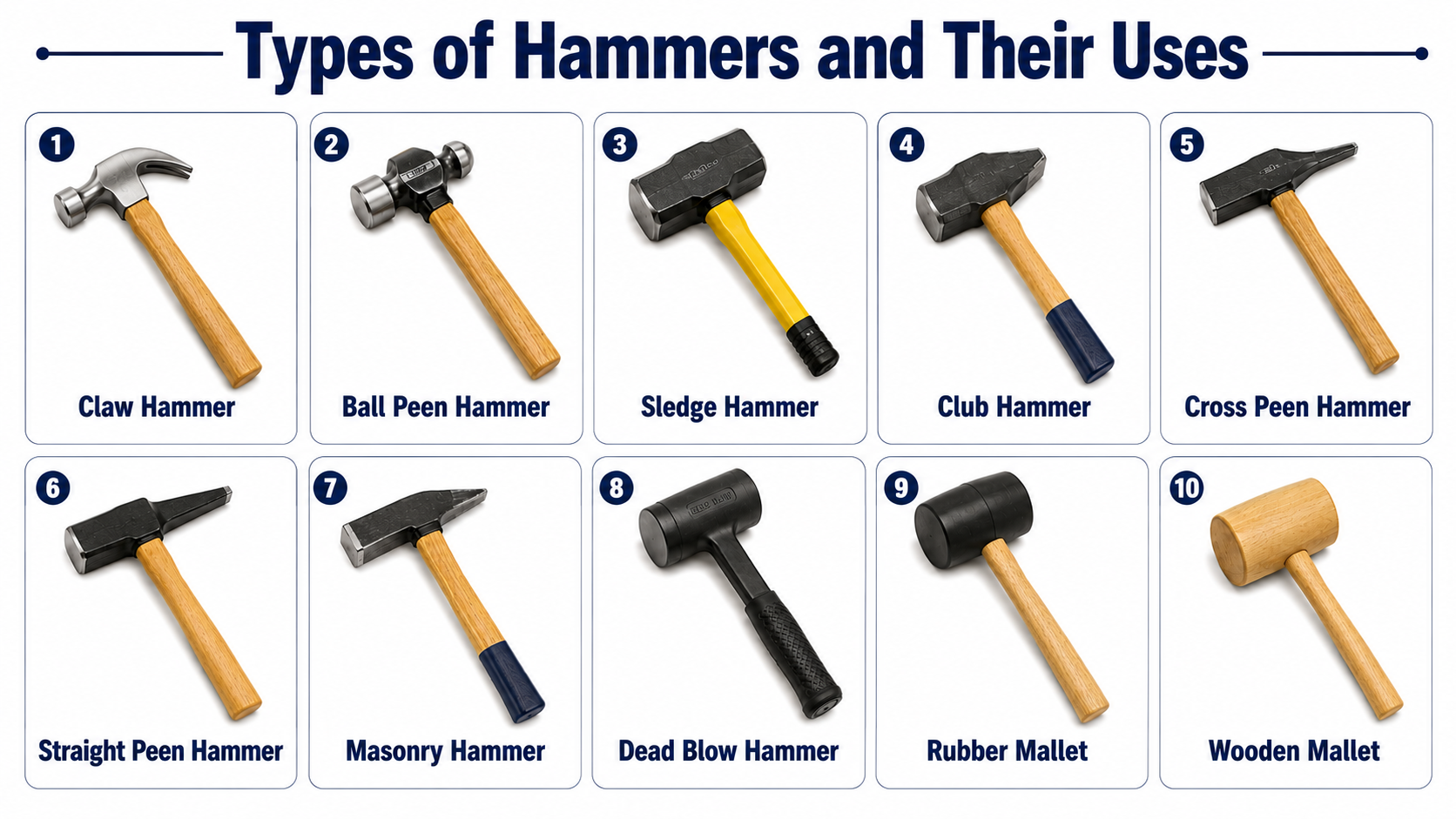
Common Hammer Types and Their Applications
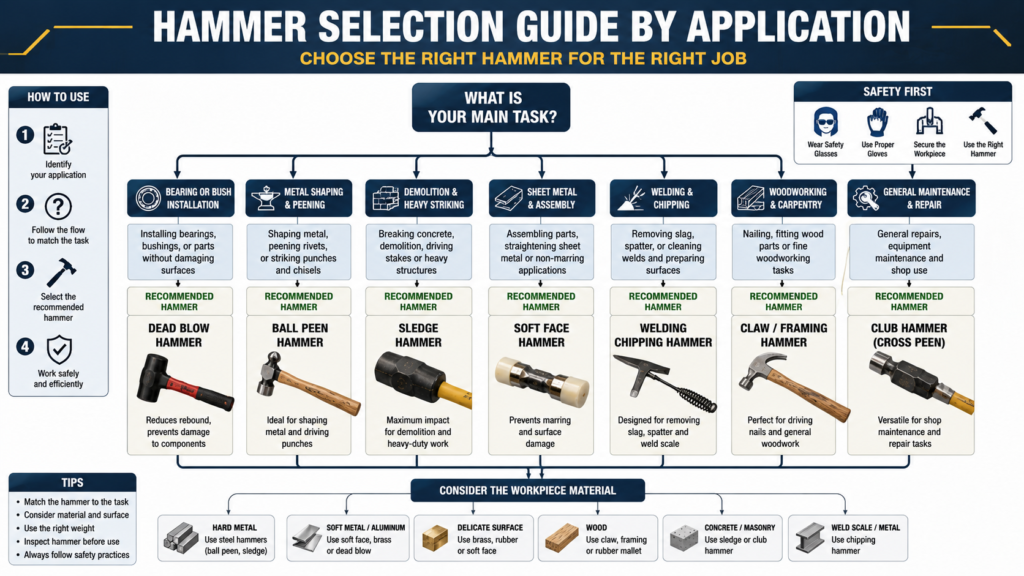
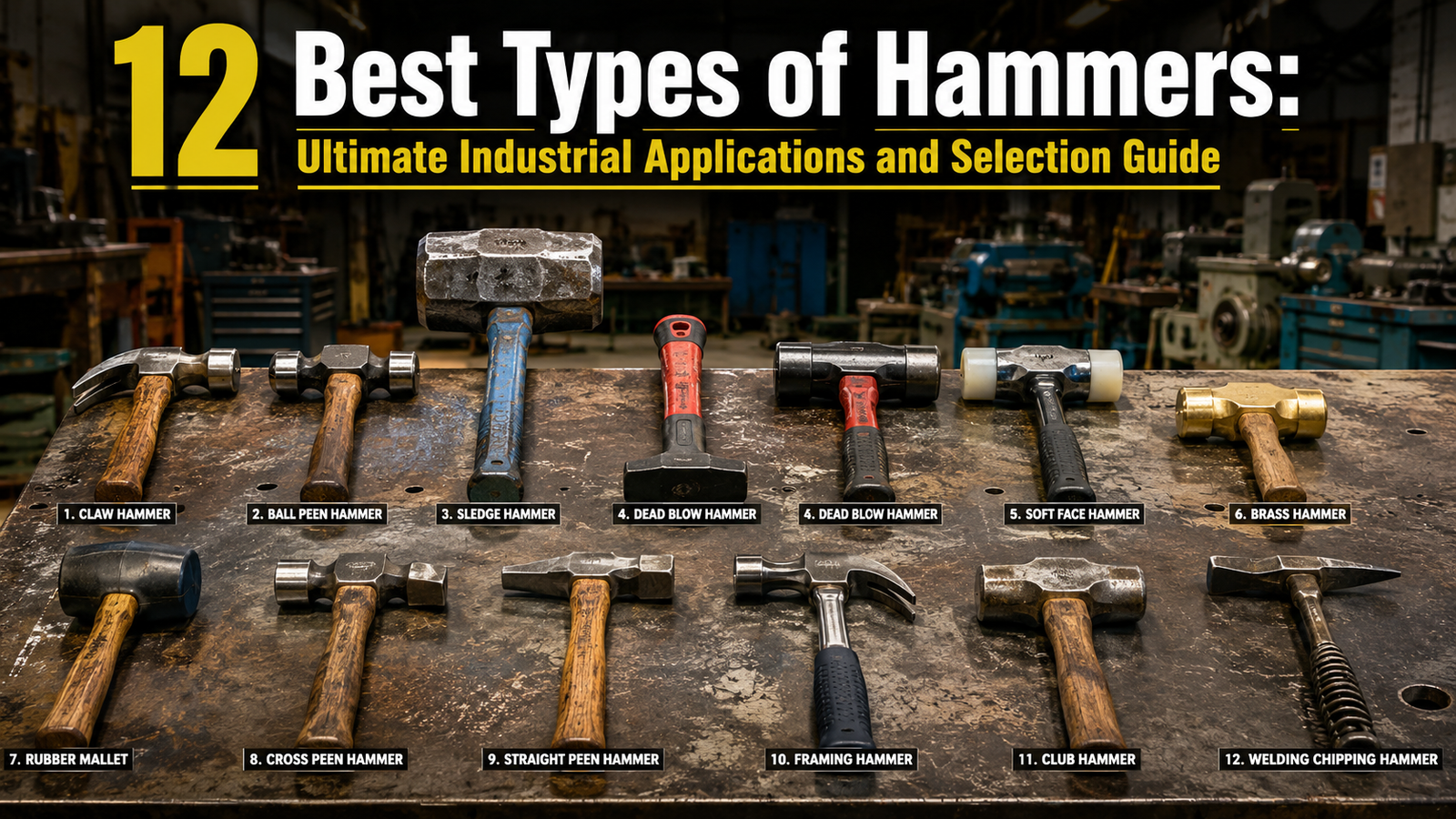
The best hammer depends on the material and task. A claw hammer is useful for general work, but it is not the right tool for every strike.
| Hammer type | Typical application | Common material or task |
|---|---|---|
| Claw hammer | Driving and removing nails | Wood, trim, small repairs |
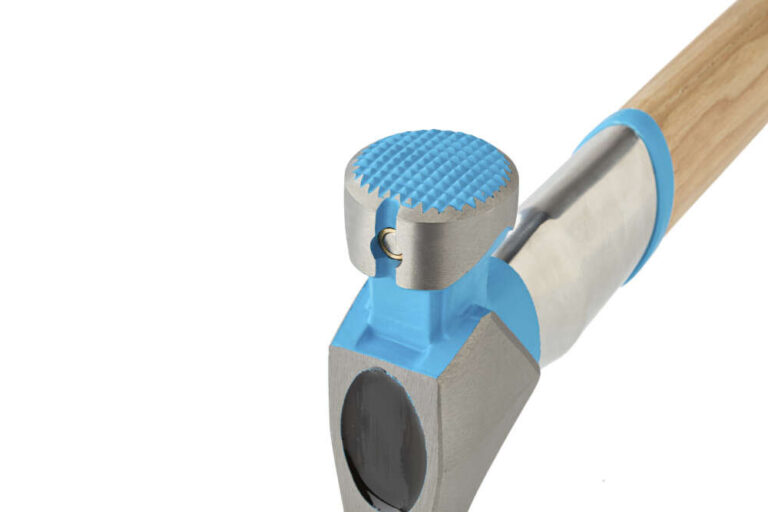
| Ball-peen hammer | Shaping and peening metal | Metalwork and machine repair |
| Rubber mallet | Tapping without much surface damage | Tile, furniture, and assembled parts |
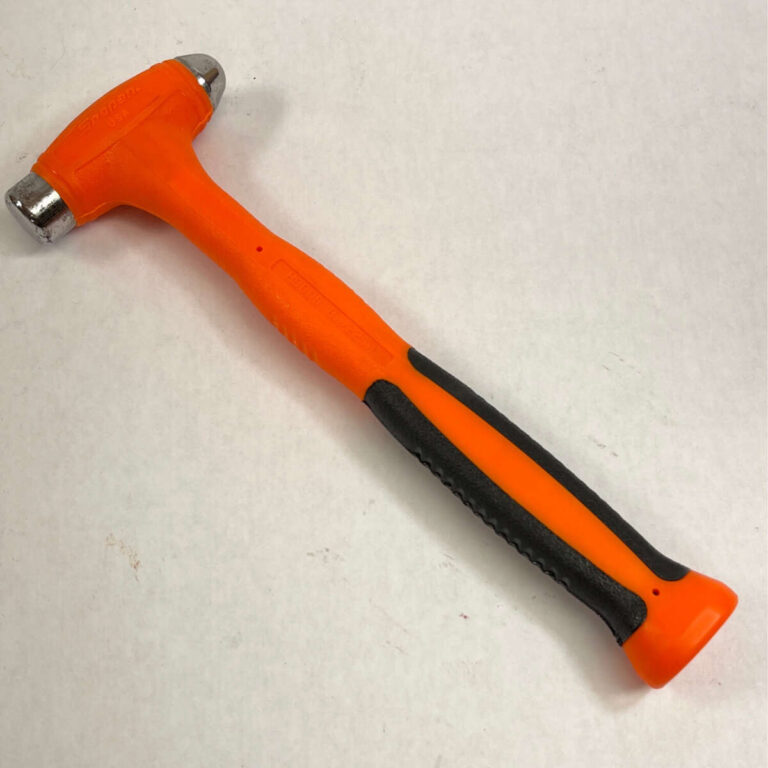
| Dead-blow hammer | Controlled impact with less rebound | Automotive and equipment work |
| Sledgehammer | Heavy striking and demolition | Concrete, masonry, and large structures |
| Framing hammer | Driving large framing nails | Wood framing and construction |
| Soft-face hammer | Striking parts with less marking | Finished surfaces and machine parts |
A hammer’s weight also affects its use. A lighter hammer gives better control for small nails and delicate work. A heavier hammer delivers more force but can cause more damage and fatigue.
Claw hammer
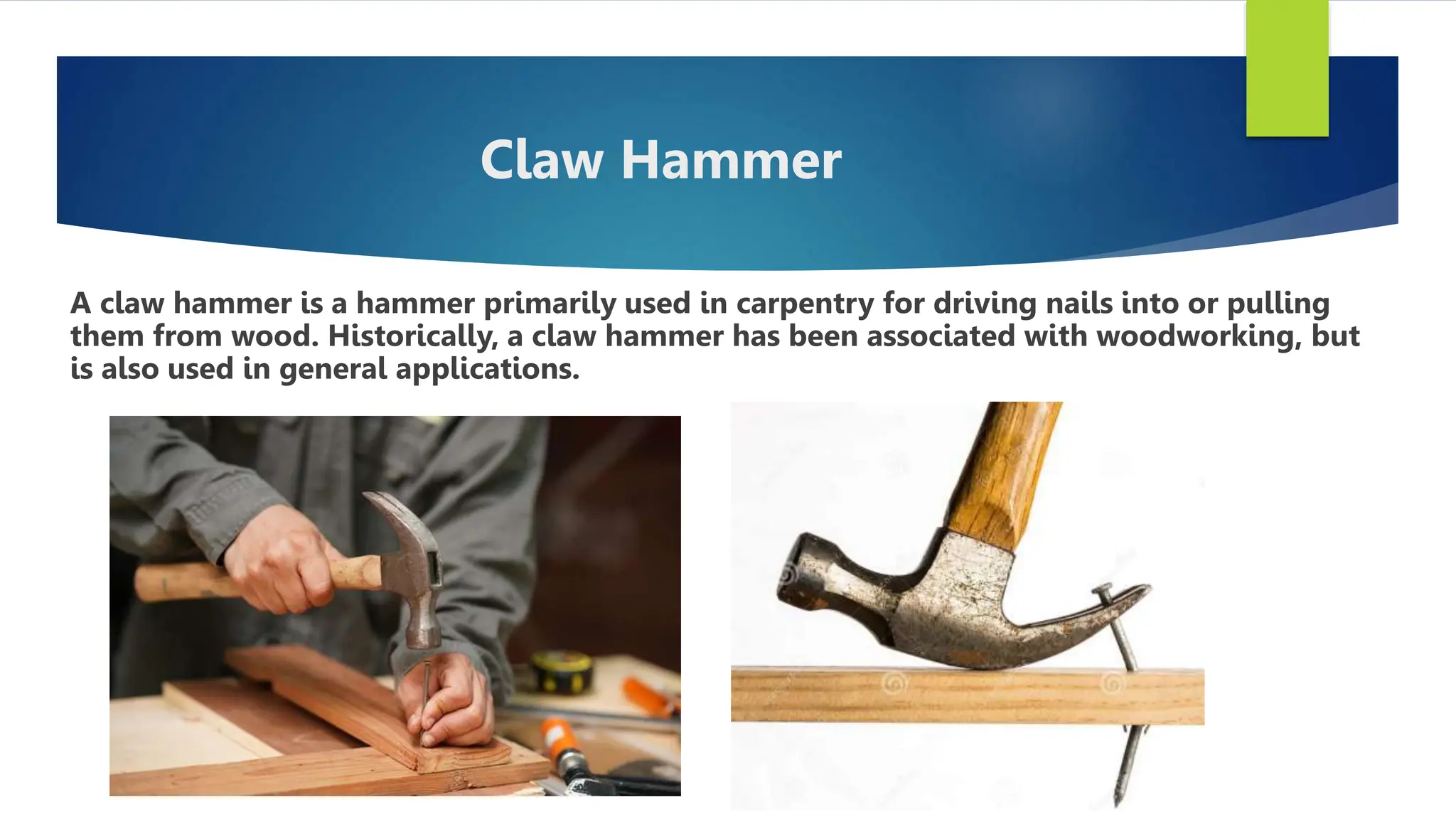
A claw hammer is the usual answer when someone asks about a typical hammer application. It has a striking face on one side and a split claw on the other.
The face drives nails. The claw grips nail heads so you can pull them out. The claw can also help lift boards during small repair jobs, but it is not a substitute for a pry bar in heavy work.
Rubber mallet
A rubber mallet is useful when you need to tap an object into place without leaving deep marks. Common examples include:
- Adjusting furniture joints
- Tapping floor tiles
- Fitting rubber seals
- Aligning parts during assembly
A rubber mallet is not a good choice for driving standard nails. Its soft head may not transfer enough force.
Sledgehammer
A sledgehammer is made for powerful blows. It may be used for:
- Breaking small sections of concrete
- Driving stakes
- Demolishing masonry
- Moving heavy, stubborn objects
It needs more space and control than a claw hammer. Use it only when the work area is clear and the material can safely withstand the impact.
How to Use a Claw Hammer to Drive a Nail
Before you start, choose a nail that matches the material and the job. Check that the hammer face is clean and that the handle is firmly attached.
- Place the material on a stable surface. Do not hold a small piece of wood in your hand while striking it.
- Mark the nail location. Make sure no wire, pipe, or other hidden object is likely to be behind the surface.
- Hold the nail near its top. Keep your fingers away from the expected path of the hammer.
- Start with light taps. These taps set the nail and reduce the chance of bending it.
- Move your hand away. Once the nail stands on its own, hold the handle with your dominant hand.
- Strike the nail head squarely. Aim for the center of the face rather than the edge.
- Stop when the nail is secure. Do not keep striking after the nail is flush unless the project requires it.
Signs of correct use
You are likely using the hammer properly when:
- The nail remains straight.
- The wood does not split.
- The hammer face hits the nail head cleanly.
- The handle stays firm in your hand.
- The nail reaches the needed depth with controlled blows.
- The surface shows little or no unwanted damage.
If the nail bends, stop and remove it. A bent nail usually becomes harder to drive safely.
What Changes the Right Hammer Choice?
The right hammer depends on four main factors: the material, the fastener, the force required, and the amount of surface damage you can accept.
Material
Wood can often handle a claw hammer. Finished wood, plastic, tile, and painted surfaces may need a rubber or soft-face mallet.
Metal work often calls for a ball-peen hammer or another hammer designed for metal. Masonry and demolition may require a heavier tool, such as a sledgehammer or rotary hammer with the correct attachment.
Fastener size
Small finish nails need less force than large framing nails. A heavy hammer can drive a small nail too deeply or damage the surface.
For delicate work, use a lighter hammer and controlled strikes. For large nails, use a hammer with enough weight to drive the nail without repeated, wild swings.
Surface damage
A hardened steel hammer face can dent soft material. If the surface must remain clean, use a mallet or a hammer with a soft face.
Do not place a thin cloth over a hammer face and assume it makes the tool safe for finished work. The cloth may shift, tear, or affect control.
Work space
A long-handled or heavy hammer needs room for a controlled swing. In a tight space, a smaller hammer may be safer and easier to aim.
Never swing a hammer near another person unless the area is controlled. Check above, below, and behind the target before striking.
Hammer Safety: Mistakes to Avoid
A hammer can cause crushed fingers, eye injuries, cuts, bruises, and hearing damage. The Occupational Safety and Health Administration advises workers to inspect hand tools and use the correct tool for the task. Its guidance applies to workplace use, but the same basic principles help with home projects.
Wear suitable eye protection
Small pieces of metal, wood, or masonry can break away during impact. Wear safety glasses with side protection when driving hardened fasteners, striking metal, or doing demolition.
For heavy impact or masonry work, additional face and hearing protection may be appropriate. Follow the tool maker’s instructions and the rules at your work site.
Inspect the hammer first
Do not use a hammer if:
- The handle is cracked, loose, or badly worn.
- The head moves on the handle.
- The striking face is badly chipped.
- The claw is damaged.
- The tool shows signs of unsafe repair.
A loose head can fly off during a swing. A chipped face can send sharp fragments into the air.
Do not strike hardened surfaces with the wrong hammer
Some hardened objects can chip or send fragments outward when struck. Avoid using a regular claw hammer on hardened steel, hardened nails, or other materials unless the tool and work method are designed for that use.
Also, do not use a hammer as a substitute for a wrench, screwdriver, pry bar, or other tool. Using the wrong tool can damage the tool and increase the chance of injury.
Keep your grip and stance controlled
Stand with stable footing. Hold the hammer firmly, but do not squeeze so tightly that your hand and arm tire quickly. Use controlled swings instead of trying to create maximum force.
Keep your other hand clear of the striking zone. If you need to hold a small nail, consider using pliers or a nail starter when practical.
Protect the workpiece
To reduce damage:
- Use light taps at the start.
- Strike the nail straight.
- Use a nail set for finish nails.
- Place scrap wood under a piece that may move.
- Choose a mallet for parts that can dent.
The Consumer Product Safety Commission and workplace safety guidance from federal agencies emphasize the value of proper tool selection, inspection, and protective equipment. Always follow the specific instructions supplied with the tool.
Hammer vs. Mallet: Which Should You Use?
Use a hammer when you need a concentrated, firm impact. Use a mallet when you need to tap an object while reducing the chance of marks or damage.
Choose a hammer for:
- Nails
- Heavy fasteners
- Metal shaping
- Framing
- Demolition
Choose a mallet for:
- Tile adjustment
- Furniture assembly
- Wood joints
- Plastic parts
- Finished surfaces
A mallet may not deliver enough force for a large nail. A steel hammer may damage a finished part. The material and the desired result should guide the choice.
Can a Hammer Be Used for Demolition?
Yes, some hammers can be used for light demolition, but the hammer type matters.
A claw hammer can remove trim, pull nails, and break apart small wood assemblies. A sledgehammer can deliver much greater force for concrete, masonry, and heavy demolition.
Before demolition, check for electrical wiring, plumbing, gas lines, and structural components. In the United States, local building rules and permit requirements can apply. Do not remove a wall or structural member based only on its appearance. Ask a qualified contractor or building professional when the work could affect the structure or hidden services.
Wear eye protection, gloves suited to the task, work boots, and hearing protection when needed. Keep other people away from the impact area.

What Is the Best General-Purpose Hammer?
For basic home repairs, a medium-weight claw hammer is usually the most useful general-purpose option. It can drive common nails and remove them when needed.
The best choice still depends on the work. A person who mainly assembles furniture may need a rubber mallet. Someone who works with metal may need a ball-peen hammer. Someone doing heavy demolition may need a sledgehammer or a power tool made for that task.
Look for a hammer with:
- A secure head
- A handle that feels comfortable
- A face suited to the fastener
- A weight you can control
- A grip that does not slip easily
Do not choose a hammer only because it is heavier. A tool you can aim and control is often safer and more useful than one that delivers more force than the job requires.
Frequently Asked Questions
What is the most common household use for a hammer?
The most common household use is driving nails into wood. A claw hammer can also remove nails, hang items, assemble simple projects, and perform light repair work.
What is the difference between a hammer and a mallet?
A hammer often has a hard metal face and delivers a strong, focused impact. A mallet usually has a softer face made from rubber, plastic, wood, or another material that helps reduce surface damage.
Can I use a hammer to drive screws?
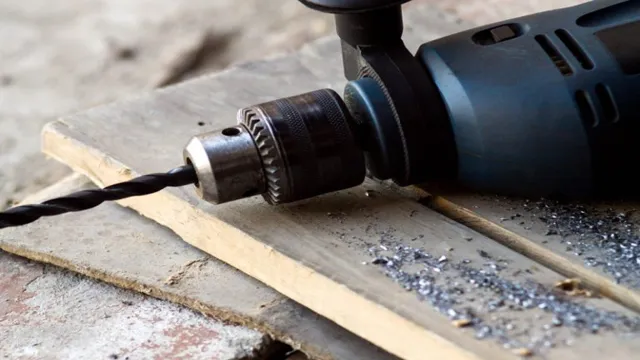
No. A hammer is not designed to drive standard screws. Use a screwdriver or drill. Some specialized hammer-drive fasteners exist, but they are made for that specific method and should be used according to their instructions.
Why does a nail bend when I hit it?
A nail may bend because you strike it off-center, the nail is too long or thin for the material, the wood is too hard, or the nail hits a hard object behind the surface. Remove a bent nail and start again with the correct fastener.
How do I know if a hammer is unsafe?
Do not use a hammer with a loose head, cracked handle, badly chipped face, damaged claw, or improvised repair. Replace it or have it repaired through a qualified tool service when appropriate.
Key Takeaways
- The typical application for a hammer is driving nails into wood.
- A claw hammer is the common general-purpose choice for U.S. home repairs.
- Its claw can remove nails and handle light prying work.
- Use a rubber mallet when the surface could be damaged by steel.
- Match the hammer to the material, fastener, force, and work space.
- Inspect the tool, wear eye protection, and use controlled strikes.
Conclusion
A hammer is mainly an impact tool. In typical household use, it drives and removes nails, especially when paired with a claw hammer. Other hammer types serve different jobs, from gentle tapping with a rubber mallet to heavy demolition with a sledgehammer.
For a basic repair, choose a sound claw hammer that you can control. Start with light strikes, aim at the center of the fastener, and stop when the job is complete.
Recent Tool Guides
 Hammer
How To Hammer Flowers Onto Paper: Easy Guide
Learn how to hammer flowers onto paper with simple steps, helpful tips, and beautiful results for...
Read Guide → Wrench
How To Use A Hex Wrench: Easy Step-By-Step Guide
Learn how to use a hex wrench correctly with simple steps, helpful tips, and common mistakes...
Read Guide → Hacksaw
How To Cut Curtain Pole With Hacksaw: Easy Guide
Learn how to cut curtain pole with hacksaw safely and neatly. Follow simple steps for accurate...
Read Guide → Wrench
How To Use A Husky Torque Wrench: Easy Guide
Learn how to use a Husky torque wrench correctly with simple steps, torque settings, and safety...
Read Guide → Hammer
How To Hold A Hammer: Safe Grip Guide
Learn how to hold a hammer with the right grip, stance, and technique for safer, more...
Read Guide → Hacksaw
How To Cut Flexible Metal Conduit With Hacksaw: Easy Guide
Learn how to cut flexible metal conduit with hacksaw safely and cleanly. Follow simple steps for...
Read Guide →