What Hand Tool Cuts Metal: Best Options Explained
The best hand tool for cutting metal depends on the metal’s thickness, shape, hardness, and cut type.
For most people in the United States, a hacksaw is the best general-purpose hand tool for cutting metal bars, bolts, rods, pipes, and small sections of steel. Use aviation snips for thin sheet metal, bolt cutters for some rods and chains, and a tubing cutter for small copper or aluminum pipe.
The right tool makes a clean cut with less force. The wrong tool can slip, damage the metal, or cause a hand injury.

The Best Hand Tool for Each Type of Metal Cut
Choose the tool by matching it to the shape and thickness of the metal. No single hand tool works well for every metal-cutting job.
| Job | Best hand tool | Common materials | Main limit |
|---|---|---|---|
| Cut steel bar, threaded rod, or pipe | Hacksaw | Steel, iron, brass, copper, aluminum | Slow on thick metal |
| Cut thin sheet metal | Aviation snips | Aluminum, tin, light-gauge steel | Not for thick plate |
| Cut bolts, chain, or soft rods | Bolt cutters | Mild steel, chain, wire | May not cut hardened steel |
| Cut copper or plastic-coated tubing | Tubing cutter | Copper, brass, aluminum | Makes round cuts only |
| Cut metal wire or cable | Diagonal cutters or cable cutters | Wire, soft cable, some steel cable | Must match the cable type |
| Make a small, precise cut | Jeweler’s saw | Thin sheet and fine stock | Slow and delicate |
| Cut a nail or small wire flush | End-cutting nippers | Nails, soft wire | Not for hard steel |
| Split or cut heavy metal with impact | Cold chisel and hammer | Steel, bolts, plate | Creates sparks and sharp edges |
Use a hacksaw for general metal cutting
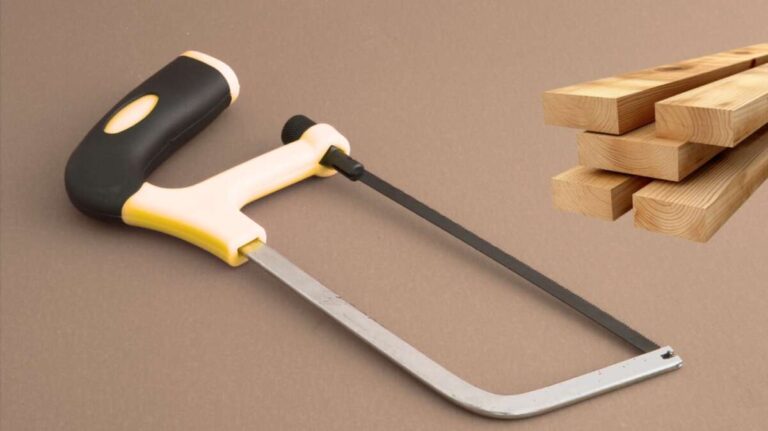
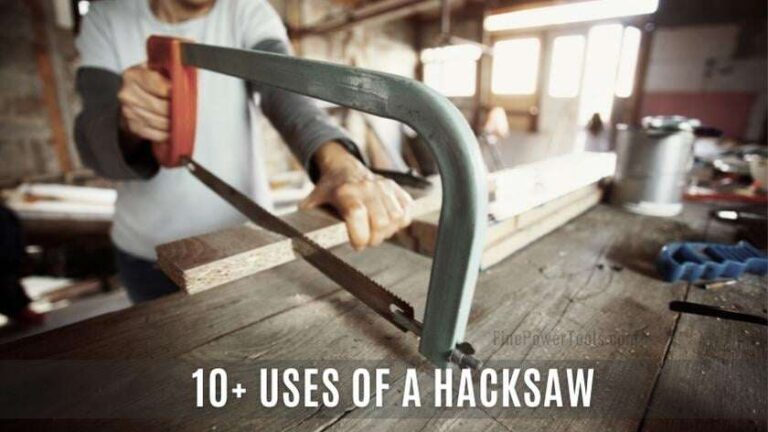
A hacksaw has a fine-tooth blade held in a metal frame. It is the most useful hand tool for common metal cuts around a U.S. home, garage, or workshop.
A hacksaw can cut:
- Threaded rod
- Steel bolts
- Metal pipe
- Conduit
- Aluminum stock
- Brass and copper bar
- Small angle iron
- Mild-steel flat bar
Use a blade with about 18 to 24 teeth per inch (TPI) for thicker metal. Use a finer blade, such as 24 to 32 TPI, for thin-wall tubing and sheet metal. At least three teeth should contact the work at the same time. This helps prevent tooth breakage.
A hacksaw is not the fastest choice for thick plate or hardened steel. It is still useful because it gives you control and does not need electricity.
Use aviation snips for thin sheet metal
Aviation snips look like strong scissors, but their jaws are made for sheet metal. They work best on thin metal that is too broad or flexible for a hacksaw.
Most aviation snips use color-coded handles:
- Green snips: often used for right-hand cuts
- Red snips: often used for left-hand cuts
- Yellow snips: often used for straight cuts
The colors describe the cut path, not the metal itself. Read the tool maker’s instructions before use.
Aviation snips work well for HVAC duct, flashing, aluminum sheet, and light-gauge steel. They are not a good choice for thick plate, hardened steel, or heavy wire.
Use bolt cutters for rods, bolts, and chain
Bolt cutters use long handles and compound leverage. They can cut some mild-steel rods, padlock shackles, bolts, and chain.
They work best when:
- The metal is mild steel.
- The item fits fully between the jaws.
- The cutter is rated for that size and material.
- You can keep the tool straight during the cut.
Do not assume that longer handles make a bolt cutter safe for all metal. Hardened steel may damage the jaws or cause the tool to slip. Never add a pipe to the handles for more leverage. This can bend the tool or release stored force without warning.
Use a tubing cutter for clean pipe cuts
A tubing cutter uses a sharp wheel to score the outside of a tube. As you turn the tool, the wheel cuts deeper until the tube separates.
A tubing cutter is a good choice for:
- Copper plumbing tube
- Brass tube
- Aluminum tube
- Some thin-wall steel tube, if the tool is rated for it
It produces a square cut with little distortion. After cutting copper or brass, remove the inside burr with a deburring tool or a file. A burr can restrict flow and create a sharp edge.
Use wire cutters only for the wire they are made to cut
Diagonal cutters, side cutters, and cable cutters are not interchangeable.
- Diagonal cutters are for electrical wire and small metal wire.
- Cable cutters are for stranded cable.
- Rope or wire-rope cutters are made for certain steel cable types.
- Flush cutters are for small, soft wire and close cuts.
Check the tool’s rating. Cutting steel wire rope with ordinary electrical cutters can ruin the jaws and send broken strands outward.

How to Cut Metal With a Hacksaw
A hacksaw gives the best mix of control, cost, and access for many small metal jobs. The process is simple, but setup matters.
What you need
Gather:
- A hacksaw with a sound frame
- The correct metal-cutting blade
- A vise or strong clamp
- A file or deburring tool
- Safety glasses
- Work gloves
- Hearing protection when the cut creates a loud ringing sound
Use a blade with no missing teeth. The blade should be tight in the frame. A loose blade tends to bend, wander, and break.
Follow these steps
-
Mark the cut.
Use a permanent marker, scribe, or wrap-around tape. Check the measurement twice. -
Secure the metal.
Clamp it in a vise. Keep the cut close to the vise jaws. This reduces vibration. -
Choose the blade direction.
Most hacksaw blades cut on the forward stroke. Install the teeth so they point away from the handle. -
Start with short strokes.
Set the blade on the waste side of the mark. Use short strokes until a groove forms. -
Use long, steady strokes.
Once the groove is established, use most of the blade length. Apply firm pressure on the forward stroke and ease up on the return stroke. -
Keep the blade straight.
Do not twist the frame. A twisted blade can bind and break. -
Slow down near the end.
Thin metal can snap through suddenly. Support the cut piece so it does not fall or pinch the blade. -
Remove the burr.
Smooth the sharp edge with a file. Move the file away from your body.
Signs that the cut is going well
The cut should:
- Follow the marked line.
- Produce small, even chips.
- Keep the blade engaged with the metal.
- Make steady progress without excessive force.
- Leave a manageable burr rather than a torn edge.
If the blade skates, the metal may not be secure, the teeth may be too coarse, or the blade may be dull.
If the hacksaw keeps binding
Stop and check:
- The blade may be loose.
- The frame may be twisted.
- The metal may be moving.
- The cut may be closing around the blade.
- You may be pushing too hard.
- The blade may be too fine or too coarse for the stock.
For a long cut in sheet metal, aviation snips may work better. For a round tube, a tubing cutter may give a cleaner result.

How to Choose a Metal-Cutting Hand Tool
The shape of the material often matters more than the type of metal. A thin steel sheet and a thick steel bar need very different tools.
Match the tool to the material
Mild steel is common and usually cuts well with a hacksaw or bolt cutters, depending on thickness and shape.
Stainless steel is harder to cut. It can work-harden when rubbed or cut with too little pressure. Use a sharp blade, steady strokes, and firm contact.
Aluminum is soft but can clog some saw blades. A hacksaw with a suitable fine-tooth blade or aviation snips often works well.
Copper and brass are soft and easy to cut. A tubing cutter is often best for round tubing.
Hardened steel may be too hard for ordinary hand tools. It can damage bolt cutters and wear out hacksaw blades quickly. A carbide tool, abrasive wheel, or machine tool may be needed.
Match the tool to the shape
- Flat bar: hacksaw
- Round rod: hacksaw or bolt cutters, if within the tool rating
- Threaded rod: hacksaw; protect the threads with a nut before cutting
- Thin sheet: aviation snips
- Copper tube: tubing cutter
- Small wire: diagonal cutters
- Steel cable: properly rated cable cutter
- Large plate: usually not a hand-tool job
Match the tool to the desired edge
Use a hacksaw when you need a straight cut through solid stock. Use a tubing cutter when you need a square, round cut. Use snips when you need to follow a line through sheet metal.
No hand tool removes every burr. Inspect the edge before handling the part or installing it.

Hacksaw Blade Teeth: What TPI Means
TPI means teeth per inch. It describes how many teeth the blade has in one inch of length.
| Blade range | Best use |
|---|---|
| 14–18 TPI | Thick stock and larger sections |
| 18–24 TPI | General steel and medium stock |
| 24–32 TPI | Thin tubing and sheet metal |
| 32 TPI | Very thin metal and small parts |
A coarse blade cuts faster in thick metal because each tooth removes more material. A fine blade gives better control on thin metal.
Do not use a very coarse blade on thin sheet. The teeth may catch and tear the metal. Do not use an extremely fine blade on thick stock unless you accept slow cutting and faster blade wear.
Can a Hand Tool Cut Thick or Hardened Metal?
A hand tool can cut some thick metal, but the job becomes slower and less practical as thickness and hardness increase.
A hacksaw may cut thick mild steel if you have enough time and use the correct blade. Bolt cutters may cut a thick soft rod, but their rating and jaw capacity set a firm limit.
Hardened bolts, locks, springs, tool steel, and some stainless alloys may resist ordinary hand tools. Do not keep forcing a cutter when the jaws begin to spread or the blade stops removing material.
Consider a powered tool or professional metal service when:
- The metal is hardened.
- The stock is too thick for the tool.
- The cut must be highly accurate.
- The material is under tension.
- The piece is part of a load-bearing structure.
- The work creates large amounts of heat, dust, or sparks.
- You cannot secure the material safely.
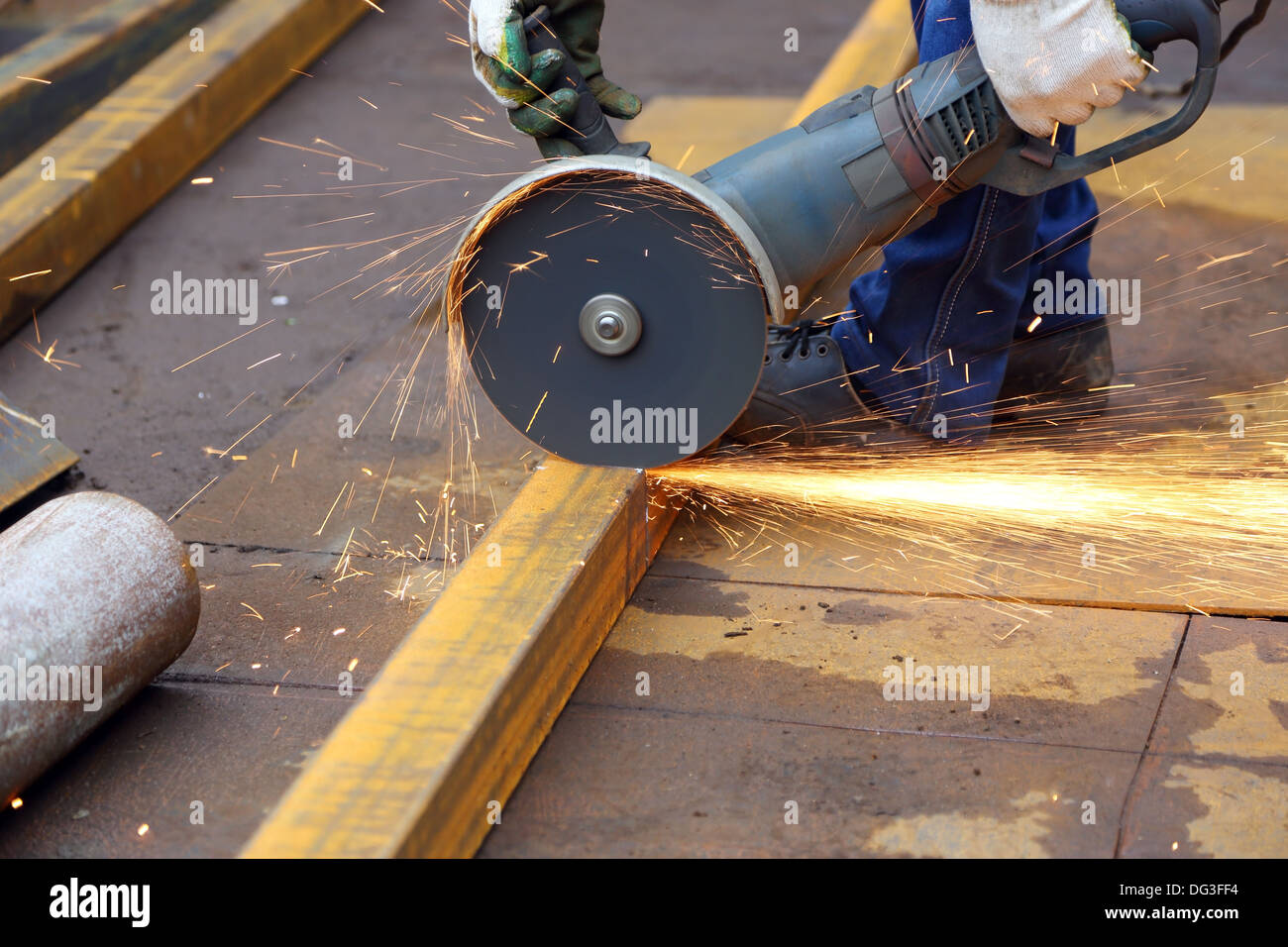
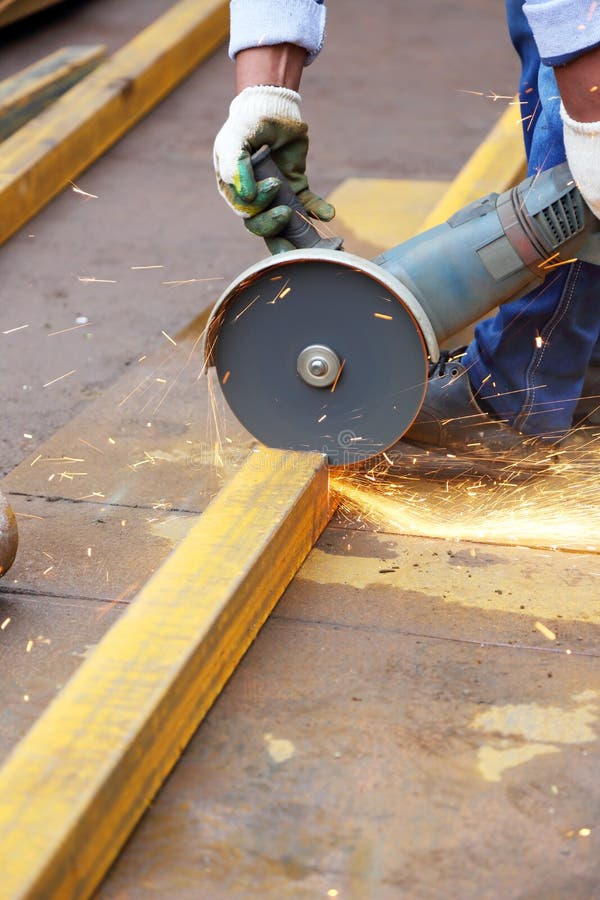
A powered saw can be faster, but it adds risks from moving blades, noise, sparks, and metal chips. Choose the method based on control, not speed alone.

Metal-Cutting Safety in a Home Workshop
Metal edges and chips can cause serious eye and hand injuries. Wear safety glasses with side protection whenever you cut, file, or strike metal. OSHA’s hand-tool and eye-protection rules provide useful workplace safety guidance, including requirements for suitable eye protection where flying particles may occur.
Follow these basic rules:
- Clamp the work before cutting.
- Keep both hands away from the blade and jaws.
- Wear eye protection.
- Wear gloves when handling sharp stock, but keep gloves clear of moving tools.
- Do not hold small metal in your hand while cutting it.
- Do not use a damaged blade, frame, cutter, or handle.
- Keep bystanders away from the cut line.
- File sharp burrs before moving the part.
- Keep sparks away from fuel, sawdust, solvents, and other flammable items.
- Check for hidden wires, pipes, or stored pressure before cutting installed metal.
- Never cut a pressurized tube, tank, spring, or structural part without knowing the hazard.
Gloves help protect against sharp edges, but they do not make a blade safe. A glove can catch in a moving powered tool. Use the protection required by the specific tool and task.

Common Mistakes When Cutting Metal by Hand
Using ordinary scissors
Household scissors are not made for metal. They can become dull, bend, or slip. Use aviation snips for thin sheet metal.
Cutting without support
Loose metal can move, vibrate, or spin. Secure the work in a vise or with a suitable clamp.
Using the wrong blade
A wood saw blade does not have the tooth shape or hardness needed for most metal. Use a blade labeled for metal.
Applying too much force
More force does not always mean faster cutting. It can bend the blade, damage the tool, or make the cut wander. Let sharp teeth or jaws do the work.
Ignoring burrs
A freshly cut edge may look harmless but can be sharp enough to cut skin or damage wire insulation. Deburr it with a file, scraper, or deburring tool.
Cutting hardened steel with bolt cutters
Bolt cutters are powerful, but they are not universal. Hardened steel can damage the jaws and create a sudden release of force.
Cutting a spring or tensioned part
A spring, cable, band, or structural member may store energy. Cutting it can make the metal move suddenly. Release the tension or get qualified help before cutting.
Quick Decision Guide
Use this short guide:
- Need to cut a steel bolt or threaded rod? Use a hacksaw.
- Need to cut thin metal flashing or duct? Use aviation snips.
- Need to cut a chain or mild-steel rod? Use bolt cutters if the tool rating allows it.
- Need to cut copper pipe? Use a tubing cutter.
- Need to cut electrical wire? Use diagonal cutters rated for that wire.
- Need to cut steel cable? Use a cable cutter made for that cable.
- Need to make a very fine cut in thin metal? Use a jeweler’s saw.
- Need to cut thick, hardened, or load-bearing metal? Stop and use a suitable machine, service, or qualified professional.

Key Takeaways
- A hacksaw is the best general hand tool for many metal-cutting jobs.
- Use aviation snips for thin sheet metal.
- Use bolt cutters only for materials and sizes within their rating.
- Use a tubing cutter for clean cuts on suitable round tubing.
- Choose the blade by metal thickness and use teeth that stay engaged with the work.
- Secure the metal, wear eye protection, and file the burr after cutting.
- Do not force a hand tool through hardened, pressurized, tensioned, or structural metal.
FAQs
What is the easiest hand tool for cutting metal?
For most small household jobs, a hacksaw is the easiest general-purpose choice. It can cut bolts, threaded rod, pipe, and small steel sections. Aviation snips are easier for thin sheet metal.
Can pliers cut metal?
Some pliers have built-in cutters for small, soft wire. Standard gripping pliers should not be used to cut metal. Use a cutter made for the material and size.
Can a hacksaw cut stainless steel?
Yes, a hacksaw can cut some stainless steel. Use a sharp, fine-tooth metal blade and steady pressure. Avoid rubbing the blade without cutting, because stainless steel can harden at the surface.
What hand tool cuts metal pipe?
A tubing cutter is best for many copper, brass, and aluminum pipes. A hacksaw works for steel pipe and for pipe sizes or materials outside the tubing cutter’s rating.
What tool cuts sheet metal by hand?
Aviation snips are the usual choice for thin sheet metal. Choose straight, left-cut, or right-cut snips based on the direction of the cut.
How do you cut metal without power tools?
Secure the metal in a vise, mark the cut, and use a suitable hand tool such as a hacksaw, aviation snips, tubing cutter, or bolt cutter. Wear eye protection and remove the burr when finished.
Conclusion
The answer to “what hand tool cuts metal?” is usually a hacksaw, but the best tool depends on the job. Use snips for sheet metal, bolt cutters for suitable rods and chain, a tubing cutter for round pipe, and rated wire cutters for wire and cable.
Before cutting, identify the metal, measure its thickness, secure it, and check for tension or stored pressure. If the material is hardened, thick, structural, or unsafe to hold, a hand tool may not be the right method.
Recent Tool Guides
 Hammer
How To Hammer Flowers Onto Paper: Easy Guide
Learn how to hammer flowers onto paper with simple steps, helpful tips, and beautiful results for...
Read Guide → Wrench
How To Use A Hex Wrench: Easy Step-By-Step Guide
Learn how to use a hex wrench correctly with simple steps, helpful tips, and common mistakes...
Read Guide → Hacksaw
How To Cut Curtain Pole With Hacksaw: Easy Guide
Learn how to cut curtain pole with hacksaw safely and neatly. Follow simple steps for accurate...
Read Guide → Wrench
How To Use A Husky Torque Wrench: Easy Guide
Learn how to use a Husky torque wrench correctly with simple steps, torque settings, and safety...
Read Guide → Hammer
How To Hold A Hammer: Safe Grip Guide
Learn how to hold a hammer with the right grip, stance, and technique for safer, more...
Read Guide → Hacksaw
How To Cut Flexible Metal Conduit With Hacksaw: Easy Guide
Learn how to cut flexible metal conduit with hacksaw safely and cleanly. Follow simple steps for...
Read Guide →