Is A Shovel A Hand Tool: Complete Tool Guide
Yes, a shovel is a hand tool because a person powers it by hand.
Understanding whether a shovel is a hand tool helps you choose the right equipment, use it safely, and describe it correctly. A shovel belongs to the hand-tool family because it has no motor and depends on human force, although its long handle and blade make it different from small hand tools such as trowels and screwdrivers.

Is a Shovel a Hand Tool?
Yes, a shovel is a hand tool. It is a manually operated tool used for digging, lifting, moving, and spreading materials such as soil, sand, snow, gravel, compost, and mulch.
A shovel works through human effort. You place the blade into a material, apply force with your foot or arms, then lift or move the load. Since the tool has no engine, battery, or electrical motor, it fits the basic definition of a hand tool.
A shovel is also known as a long-handled hand tool. This description separates it from compact tools that are held close to the working end. The long handle gives you better reach and leverage, while the blade does the cutting, scooping, or lifting.
The answer to “is a shovel a hand tool” remains yes even when the shovel has special features. A snow shovel, garden spade, trenching shovel, and grain shovel are all hand tools when a person operates them directly.
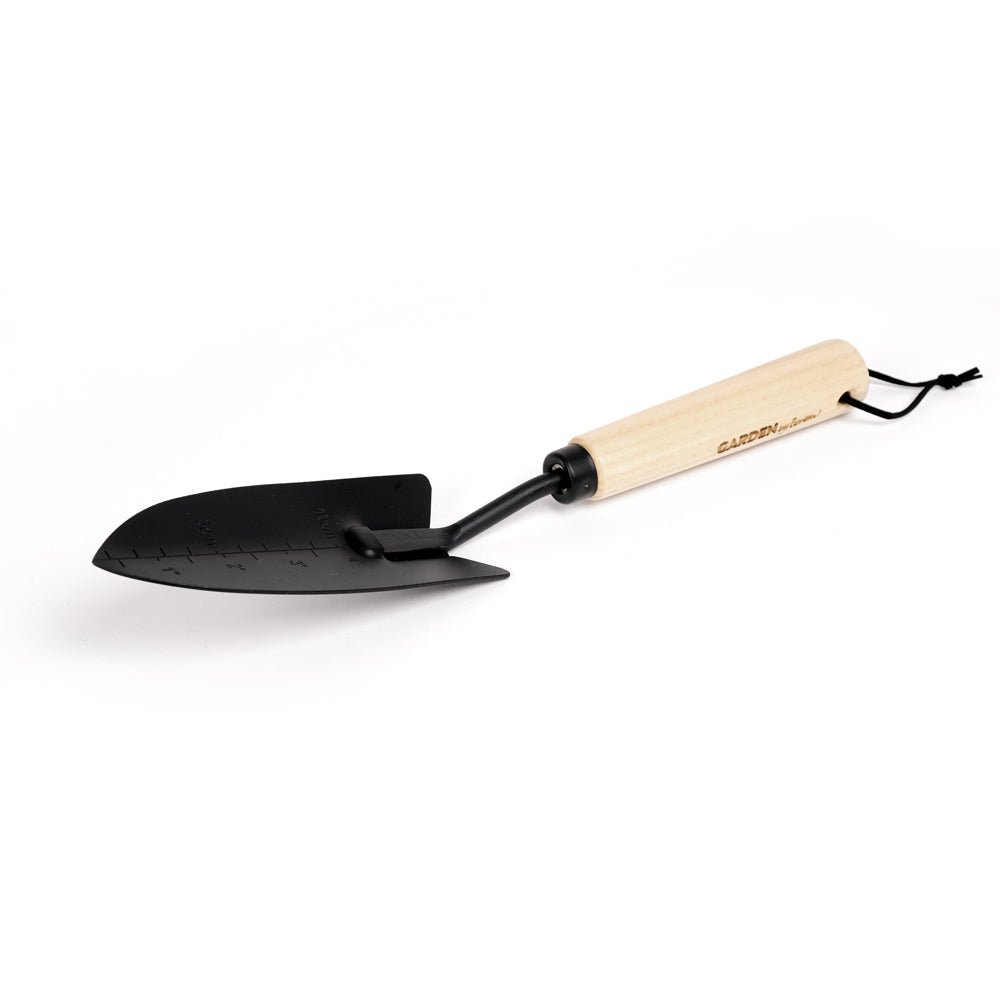
What Defines a Hand Tool?
A hand tool is a device powered and controlled mainly by human hands, arms, legs, or body weight. It does not rely on an external power source such as electricity, fuel, compressed air, or a rechargeable battery.
Common hand tools include:
• Hammers for driving or removing nails
• Screwdrivers for turning screws
• Pliers for gripping and cutting
• Rakes for gathering leaves and loose material
• Hoes for breaking soil and removing weeds
• Shovels for digging, scooping, lifting, and moving material
Hand tools can be small or large. A tool does not need to fit in one hand to qualify. For example, a post-hole digger, pitchfork, rake, and shovel may require both hands, but they are still hand tools because the user provides the operating power.
This point often causes confusion. Some people think “hand tool” means a small tool used with one hand. In tool classification, however, the key issue is the power source, not the size of the tool.
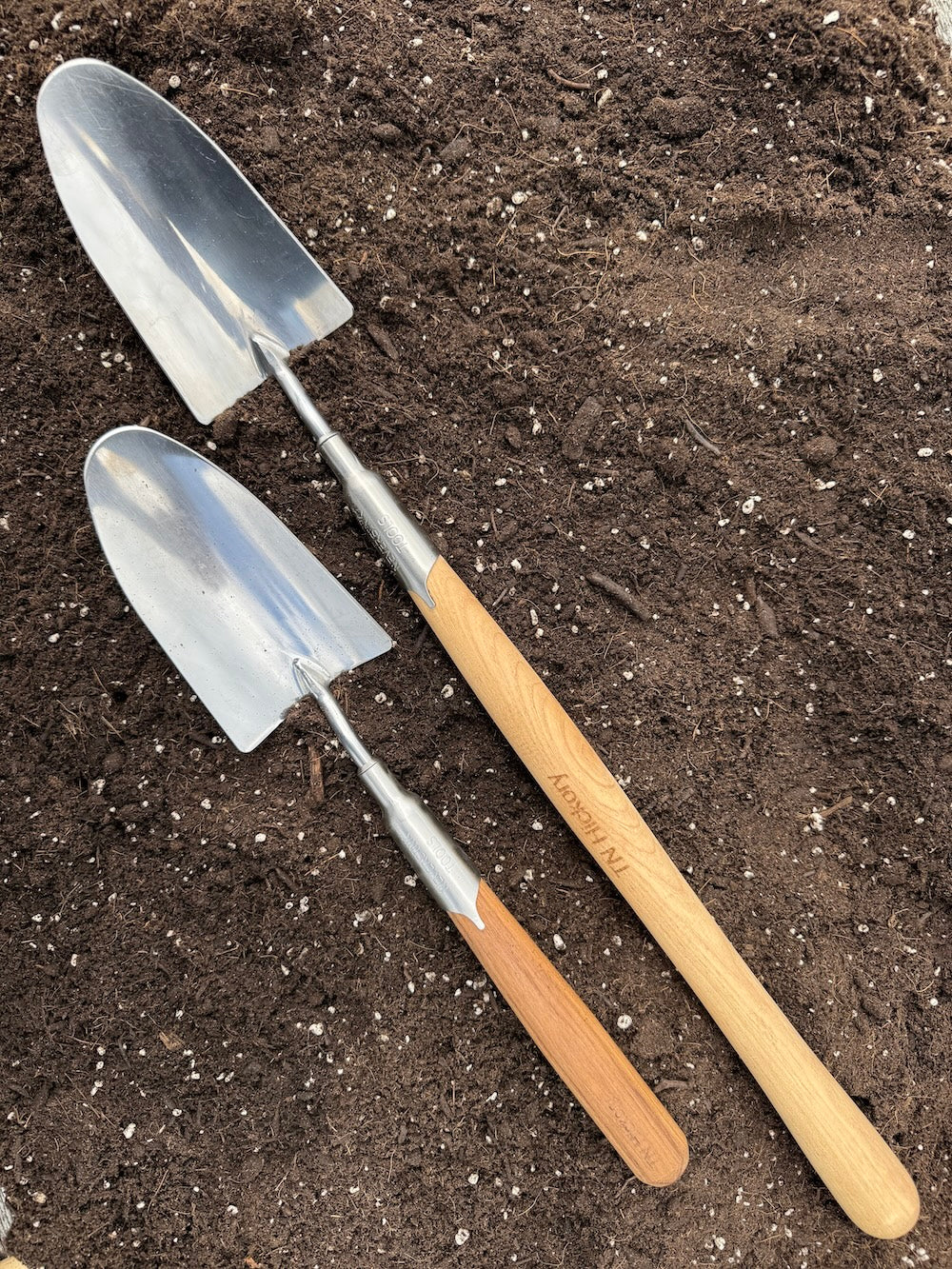
Why Is a Shovel Considered a Hand Tool?
A shovel meets the main features used to identify hand tools.
It uses human power
A person supplies all the force needed to operate a traditional shovel. Your foot pushes the blade into the ground, and your arms and back lift the material.
It has no built-in power source
A standard shovel has no motor, fuel tank, cord, or battery. Its performance depends on the user’s strength, technique, and the condition of the blade.
It is controlled directly by the user
You decide where the shovel enters the soil, how deep it goes, and where the load is placed. This direct control is a key feature of many manual tools.
It supports many manual tasks
A shovel can perform several jobs without changing its basic design. You can use one to plant a tree, clear snow, load compost, dig a trench, or move gravel.
It is portable and reusable
Unlike large powered equipment, a shovel is easy to carry, store, and use in small spaces. With proper care, one shovel can remain useful for many years.
These qualities explain why the answer to “is a shovel a hand tool” is not simply based on tradition. A shovel meets the practical and technical definition of a manually powered tool.

Is a Shovel a Hand Tool or a Garden Tool?
A shovel can be both a hand tool and a garden tool. These terms describe different things.
“Hand tool” describes how the tool operates. “Garden tool” describes where the tool is commonly used. A shovel fits both categories because it is powered by a person and often used in gardens, yards, farms, and landscaping work.
For example, a garden spade is a hand tool used for edging beds, cutting roots, and turning soil. A round-point shovel is also a hand tool, but it is better for general digging and moving loose soil.
Other garden hand tools include:
• Hand trowels
• Garden forks
• Hoes
• Rakes
• Pruning shears
• Cultivators
A shovel may also be called a landscaping tool, digging tool, or material-handling tool. Each label is useful, but none changes the basic answer: a traditional shovel is a hand tool.
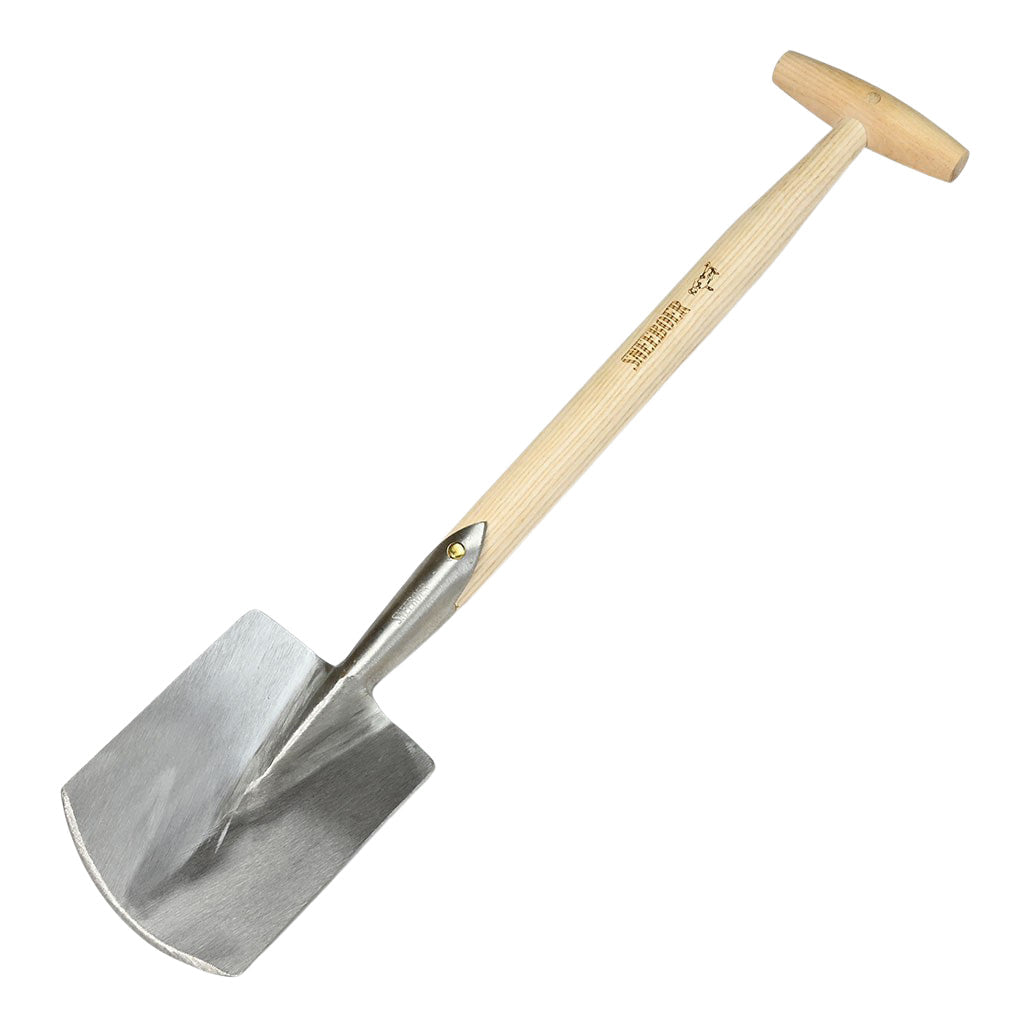
Types of Shovels and Their Uses
Different shovel designs are made for different materials and tasks. Knowing the type can help you work faster and avoid damage.
Round-point shovel
A round-point shovel has a curved blade with a pointed tip. It is a common choice for breaking into soil, digging planting holes, and moving loose earth.
The pointed tip helps the blade enter hard or compacted ground. It is often the best general-purpose shovel for homeowners.
Square-point shovel
A square-point shovel has a flat front edge. It works well for scooping, leveling, and moving loose materials such as mulch, gravel, snow, and compost.
It is less effective than a round-point shovel for cutting into hard soil. However, its flat edge gives you better control when scraping or spreading material.
Garden spade
A garden spade usually has a flat, straight blade and a shorter shaft than some digging shovels. Gardeners use it for edging, dividing plants, preparing beds, and cutting through roots.
A spade is often stronger for precise cuts than a broad scoop shovel. Although people sometimes use “spade” and “shovel” as synonyms, the designs and uses are not always the same.
Trenching shovel
A trenching shovel has a narrow blade. It is designed for digging slim trenches for irrigation lines, cables, drainage, and edging.
Its narrow shape reduces the amount of soil removed with each pass. This makes it easier to create a clean trench without disturbing a wide area.
Snow shovel
A snow shovel usually has a wide blade and a deep scoop. It is made to push or lift snow rather than cut through soil.
Using a snow shovel on rocky ground can bend or crack the blade. Each shovel works best when matched with the material it was designed to handle.
Scoop shovel
A scoop shovel has a broad blade with raised sides. It is useful for moving grain, fertilizer, wood chips, coal, and other loose materials.
The large blade can carry more material, but a full load may be heavy. It is better to make several smaller lifts than to strain your back with one oversized load.

Shovel Versus Other Tool Categories
The question “is a shovel a hand tool” becomes clearer when you compare it with other tool groups.
Hand tools
Hand tools use human power. Traditional shovels, rakes, hoes, and spades belong here.
Power tools
Power tools use electricity, batteries, fuel, or compressed air. Examples include electric drills, chainsaws, pressure washers, and powered augers.
Hand-operated equipment
Some equipment is larger but still manually operated. Wheelbarrows, manual post-hole diggers, and lawn rollers may fall into this broad category.
Heavy machinery
Excavators, skid steers, bulldozers, and mechanical loaders use engines and hydraulic systems. A machine-mounted bucket may perform work similar to a shovel, but it is not a hand tool.
A small electric snow shovel is also different from a traditional shovel. It may be handheld, but its motor makes it a power tool or powered piece of equipment rather than a purely manual hand tool.
This distinction is based on operation, not appearance. A tool can look like a shovel and still belong to a different category if a motor does the work.

Benefits of Using a Shovel as a Hand Tool
A shovel remains popular because it is simple, affordable, and flexible.
• Low cost: Most household shovels cost far less than powered digging equipment.
• Easy storage: A shovel takes up little space in a garage, shed, or truck.
• Quiet operation: It produces no engine noise or exhaust.
• Low maintenance: You usually need only cleaning, drying, and occasional sharpening.
• Precise control: You can remove small amounts of soil without disturbing nearby plants.
• Useful in tight spaces: A shovel can work beside fences, walls, trees, and garden beds.
• Physical activity: Shoveling provides moderate physical exercise when done with safe technique.
Manual tools also have an environmental benefit. A traditional shovel uses no gasoline or electricity during operation. That does not make every task effortless, but it makes the tool practical for small and medium jobs.
In real yard work, the biggest advantage is often control. Powered equipment can remove soil quickly, but a shovel lets you feel roots, stones, pipes, and changes in soil texture before causing damage.

Limitations of a Shovel
A shovel is useful, but it is not the right tool for every job.
Manual digging can be slow when the ground is frozen, full of large rocks, or heavily compacted. Long periods of shoveling may also cause muscle strain, blisters, knee pain, or back injuries.
A shovel has other limits:
• It cannot match the speed of an excavator for large construction projects.
• A small blade removes less material per pass than powered equipment.
• Poor technique can place stress on the lower back and shoulders.
• A weak handle may break under heavy loads.
• A dull or damaged blade requires more force.
In my experience with practical digging tasks, the most common mistake is choosing a shovel that is too large. A large blade looks efficient, but a full load of wet soil can become much heavier than expected. A smaller blade often lets you work longer with better control.
Another common mistake is using a digging shovel to move snow or using a snow shovel to break hard ground. Matching the tool to the material protects both the shovel and the user.

How to Use a Shovel Safely
Safe technique matters because a shovel creates leverage. That leverage can help you work, but it can also place stress on your body.
Follow these steps:
-
Inspect the shovel before use. Check the handle, grip, shaft, blade, and connection points.
-
Wear suitable footwear with a firm sole and good traction.
-
Stand with your feet about shoulder-width apart.
-
Keep the shovel close to your body while lifting.
-
Bend your knees and keep your back as straight as possible.
-
Push the blade with your foot instead of forcing it with your lower back.
-
Lift smaller loads when the soil is wet, rocky, or heavy.
-
Turn your whole body to place the material. Do not twist sharply at the waist.
-
Take regular breaks during long jobs.
-
Stop if you feel sharp pain, numbness, dizziness, or unusual weakness.
The Occupational Safety and Health Administration advises workers to reduce awkward postures, excessive force, and repetitive strain during manual handling. Those principles apply to home gardening as well as professional landscaping.
Keep the blade sharp and free from rust. A clean, well-maintained shovel enters soil more easily, which reduces the force needed for each stroke.
How to Choose the Right Shovel
The best shovel depends on the job, your body, and the material you plan to move.
Consider these features:
• Blade shape: Choose a pointed blade for digging and a flat blade for scraping or moving loose material.
• Blade material: Steel is strong and durable. Aluminum is lighter but may bend under heavy force. Plastic works well for some snow tasks.
• Handle length: A longer handle can improve leverage, while a shorter handle may provide better control in tight areas.
• Shaft shape: A straight shaft works well for digging. A curved shaft may improve comfort when scooping.
• Grip design: A D-grip can provide control. A straight handle may offer more room for different hand positions.
• Weight: A light shovel is easier to carry. A heavier model may withstand demanding work.
• User height: The handle should let you work without excessive bending.
Do not choose only by price. A low-cost shovel may be fine for occasional light work, but frequent digging calls for a strong blade, secure socket, and comfortable handle.
For most homes, a round-point digging shovel and a square-point transfer shovel cover many basic needs. Add a snow shovel if you live in an area with regular winter storms.
How to Maintain a Shovel
Good maintenance extends the life of a shovel and improves safety.
After use, remove soil and plant matter from the blade. Rinse off mud, then dry the metal before storing the shovel in a dry place.
Inspect the shovel often for:
• Cracks in the handle
• Loose rivets or bolts
• Bent metal
• Rust
• Splinters
• A loose blade socket
Light surface rust can often be removed with a wire brush or abrasive pad. A thin coat of suitable oil may help protect a metal blade from moisture, but keep oily surfaces away from areas where contamination could harm plants.
Store the shovel off wet ground. Hang it from a wall hook or place it upright with the blade protected. Never leave a wooden-handled shovel outdoors through repeated rain and freezing weather if you want it to last.
Frequently Asked Questions About Is a Shovel a Hand Tool
Is a shovel classified as a hand tool?
Yes. A traditional shovel is a hand tool because it is powered and controlled by a person rather than by a motor, battery, or engine.
Is a shovel a manual tool?
Yes, a shovel is a manual tool. The user supplies the force needed to push, lift, scoop, or move material.
Is a shovel a garden tool?
Yes. Many shovels are garden tools, especially those used for digging soil, planting, edging beds, and moving compost. The term “garden tool” describes its common use, while “hand tool” describes how it operates.
Is a spade the same as a shovel?
Not always. A spade usually has a flatter, straighter blade for edging and cutting soil, while a shovel often has a curved blade for digging and lifting.
Is an electric shovel a hand tool?
An electric shovel may be handheld, but it is not a purely manual hand tool. Because a motor supplies the operating power, it is better classified as a powered tool.
Can a shovel be used as a digging tool?
Yes. Round-point shovels and garden spades are common digging tools. The best choice depends on soil hardness, digging depth, and the shape of the hole or trench.
Conclusion
A traditional shovel is clearly a hand tool because it uses human power, has no built-in motor, and is controlled directly by the user. It may also be called a garden tool, digging tool, landscaping tool, or long-handled tool, depending on its design and purpose.
Choose the shovel based on the material, task, handle length, blade shape, and your own comfort. Use safe lifting habits, maintain the blade and handle, and select the right shovel instead of forcing one tool to do every job. Use this guide when choosing your next tool, and share your own shovel tips or experiences in the comments.
Recent Tool Guides
 Hammer
How To Hammer Flowers Onto Paper: Easy Guide
Learn how to hammer flowers onto paper with simple steps, helpful tips, and beautiful results for...
Read Guide → Wrench
How To Use A Hex Wrench: Easy Step-By-Step Guide
Learn how to use a hex wrench correctly with simple steps, helpful tips, and common mistakes...
Read Guide → Hacksaw
How To Cut Curtain Pole With Hacksaw: Easy Guide
Learn how to cut curtain pole with hacksaw safely and neatly. Follow simple steps for accurate...
Read Guide → Wrench
How To Use A Husky Torque Wrench: Easy Guide
Learn how to use a Husky torque wrench correctly with simple steps, torque settings, and safety...
Read Guide → Hammer
How To Hold A Hammer: Safe Grip Guide
Learn how to hold a hammer with the right grip, stance, and technique for safer, more...
Read Guide → Hacksaw
How To Cut Flexible Metal Conduit With Hacksaw: Easy Guide
Learn how to cut flexible metal conduit with hacksaw safely and cleanly. Follow simple steps for...
Read Guide →