

Attach the tool, spray a small amount of formula, scrub gently, and make slow suction passes until the fabric is clean.
Learning how to use bissell proheat pet hand tool can make pet stains, couch spills, and car-seat messes much easier to manage. The tool combines cleaning solution, agitation, and strong extraction in one small attachment. This guide explains the correct setup, cleaning method, drying steps, and common mistakes so you can clean safely without soaking your upholstery.
What the Bissell ProHeat Pet Hand Tool Does
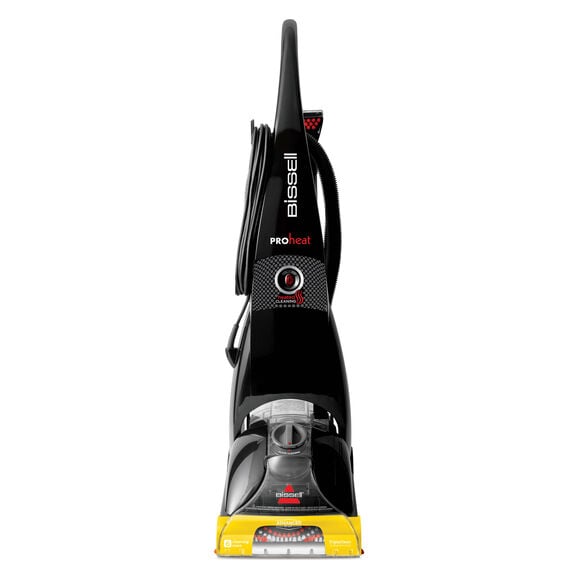
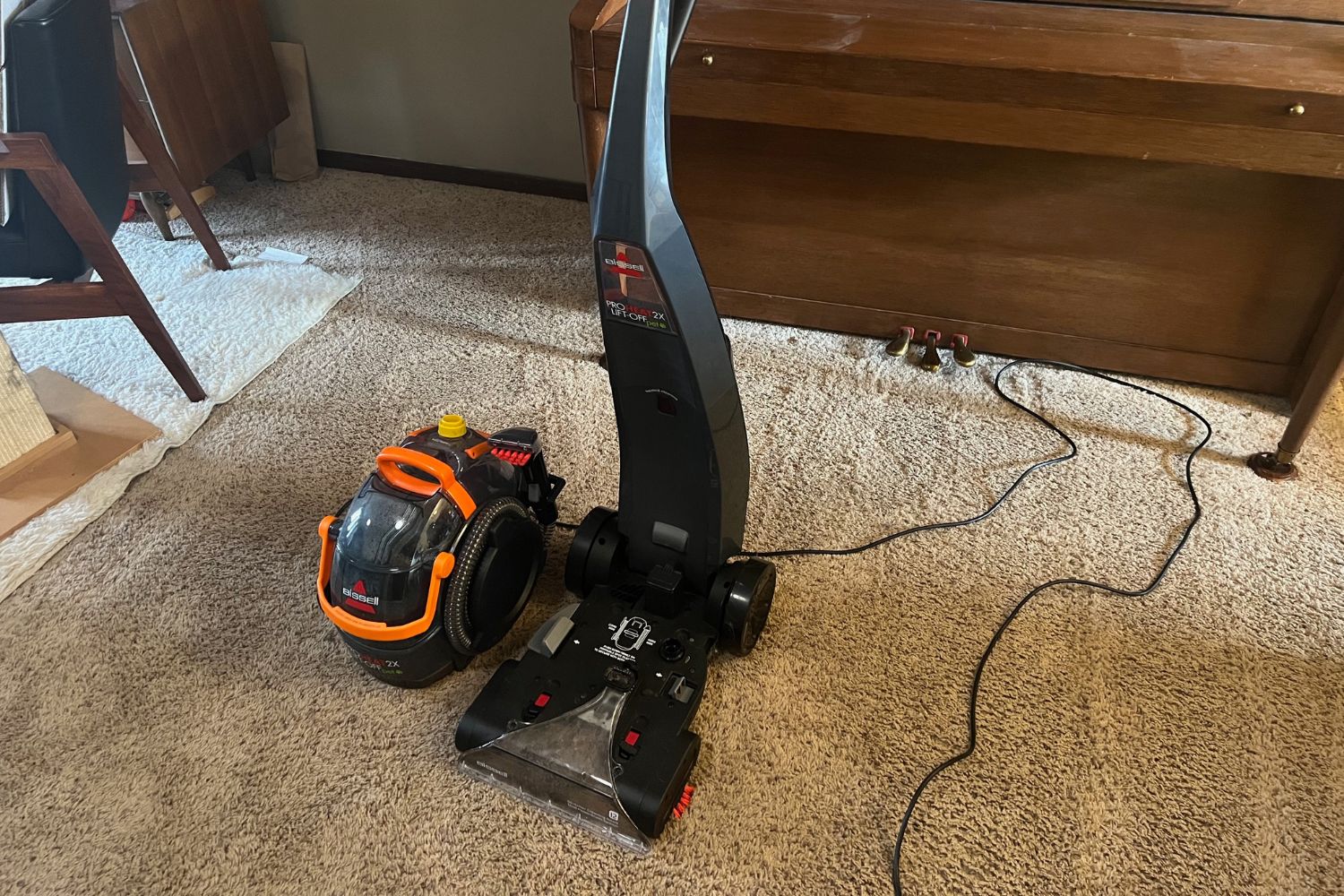
The Bissell ProHeat Pet hand tool is a small upholstery and spot-cleaning attachment. It connects to the machine’s hose and helps clean fabric areas that are too small or awkward for the main floor head.
It is useful for:
• Pet urine spots
• Vomit and food stains
• Mud on furniture
• Carpeted stairs
• Sofas and chairs
• Car seats and floor mats
• Pet beds
• Small carpet spills
The tool usually works through three actions. It sprays a small amount of cleaning formula, brushes or agitates the stain, and then pulls dirty water back into the machine. Think of it as washing a shirt by hand, then pressing out the water with a towel.
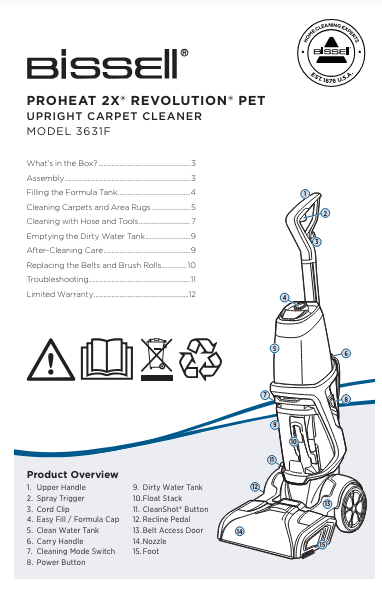
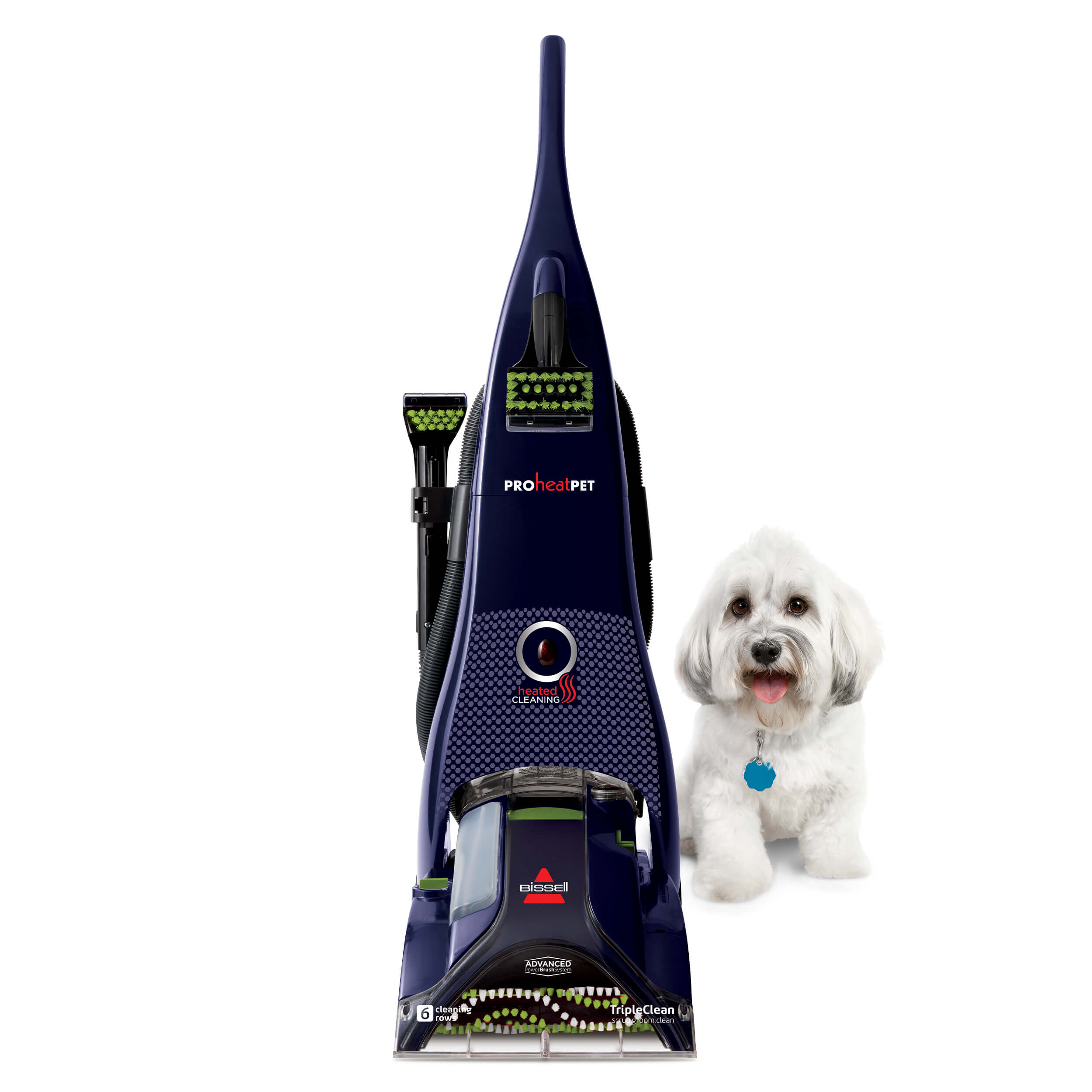
Different Bissell ProHeat models may use slightly different tools. Some have a Tough Stain Tool, while others include a 2-in-1 Pet Upholstery Tool or a Deep Stain Tool. Always check that the attachment matches your model and follow the instructions in your owner’s guide.

Before You Use the Bissell ProHeat Pet Hand Tool
Good preparation helps prevent fabric damage and keeps the machine working well. Before learning how to use bissell proheat pet hand tool, inspect the fabric and remove loose debris.
Follow these steps:
Read the care label on the furniture, rug, or car seat. Look for cleaning codes such as W, WS, S, or X.
Vacuum the area first. Remove hair, crumbs, litter, and dry dirt before using liquid cleaner.
Test a hidden spot. Apply a little formula to an unseen area and wait several minutes.
Check for color transfer. Press a clean white cloth on the test area. If dye comes off, stop and use a safer method.
Protect nearby wood and metal. Moisture can damage unfinished wood, painted surfaces, and some metal parts.
Keep pets and children away until the cleaned area is fully dry.
A fabric marked “W” or “WS” is often suitable for water-based cleaning, but the label is not a guarantee. Old fabric, weak seams, silk, leather, suede, and delicate upholstery may need professional care.
How to Set Up the Machine
Correct setup is a key part of how to use bissell proheat pet hand tool. A loose hose or poorly seated tank can reduce suction and cause leaks.
Fill the clean-water tank
Remove the clean-water tank according to your model’s instructions. Add warm tap water, not boiling water. Excessively hot water can harm the tank, seals, or fabric.
Then add the recommended Bissell formula. Use the measuring line on the bottle or the tank. Too much formula can leave sticky residue and may create excess foam.
Avoid adding the following:
• Bleach
• Dish soap
• Laundry detergent
• Vinegar
• Essential oils
• Homemade cleaning mixtures
These products may damage the machine, leave residue, or create foam that affects suction.
Attach the hose and hand tool
Insert the hose into the hose port until it feels secure. Connect the pet hand tool to the hose end. If your attachment has a release button, make sure it clicks into place.
Turn the machine on and check the connection. If you hear air leaking or see water dripping near the hose, switch the machine off and reconnect it.

How to Use Bissell ProHeat Pet Hand Tool Step by Step
The best results come from slow, controlled movements. Rushing often spreads the stain or leaves too much water in the fabric.
1. Position the tool over the stain
Place the tool flat against the fabric. Start at the outer edge of the mark and work toward the center. This helps keep the stain from spreading.
Do not press the tool into the fabric with excessive force. Let the nozzle stay close to the surface so it can lift dirty water.
2. Spray a small amount of formula
Press the spray trigger for a short burst. Use only enough solution to lightly dampen the area.
For a small stain, one or two short sprays may be enough. Larger marks may need several passes, but the surface should not become flooded.
3. Agitate the area gently
Move the brush or tool across the stain with short strokes. Use light pressure, especially on delicate upholstery.
For pet stains, allow the formula to sit for a short time as directed on the product label. This gives the cleaner time to break down soil and odor compounds.
Do not scrub hard. Strong scrubbing can push the stain deeper, roughen the fabric, or damage upholstery fibers.
4. Make slow suction passes
Release the spray trigger. Move the tool slowly over the area while using suction. Make several dry passes until little or no water appears to be pulled into the hose.
A slow pass usually removes more moisture than a fast pass. This is one of the most important lessons in how to use bissell proheat pet hand tool.
5. Treat the stain again if needed
Old pet stains may not disappear in one round. Let the area dry partly before deciding whether it needs another treatment.
Repeated wet cleaning can over-saturate furniture. If the stain remains after two careful treatments, professional cleaning may be safer than adding more solution.
How to Clean Pet Urine and Odor
Pet urine needs more than surface cleaning. The liquid can travel below the visible stain and into padding. A hand tool can remove much of the surface soil, but it may not reach deep contamination in thick cushions.
For fresh urine:
• Blot up as much liquid as possible with paper towels or a clean cloth.
• Do not rub the area.
• Apply the recommended pet formula sparingly.
• Work from the outside of the stain toward the center.
• Extract slowly with several dry passes.
• Let the area dry fully before allowing the pet back.
For older odors, an enzymatic pet cleaner may help before extraction, but check product compatibility first. Do not mix enzyme products with bleach, disinfectants, or other cleaners.
A useful practical tip is to clean beyond the visible edge. Pet urine often spreads under the surface like a small underground stream. Treating only the darkest spot may leave odor around the edges.
If the smell returns after drying, the urine may have reached the cushion insert, carpet pad, or subfloor. In that case, a surface hand tool may not solve the full problem.
How to Clean Upholstery, Stairs, and Car Seats
The method changes slightly depending on the surface.
Upholstery
Clean one small section at a time. Avoid soaking cushion seams because water can collect inside the cushion.
Use extra care on:
• Velvet
• Chenille
• Linen
• Older microfiber
• Loose-weave fabric
Keep cushions upright when possible. This improves air flow and helps water drain away from the inner filling.
Carpeted stairs
Work from the top stair downward. Keep the machine stable on a flat surface and avoid pulling it by the hose.
Use short sprays and slow extraction passes. Make sure each stair is dry before normal use, since damp stairs can become slippery.
Car seats
Check for electrical components, seat sensors, and heated-seat controls. Do not spray near switches, wiring, or control panels.
Use very little water on car seats. Open the doors or windows to improve air flow, but protect the vehicle from rain and direct heat.
Pet beds
Check the washing instructions first. Remove covers if they are machine washable. For thick beds, clean a small area and allow it to dry completely before treating the entire surface.
How Much Water and Formula Should You Use?
Using less liquid is often better when cleaning upholstery. The goal is to loosen dirt and remove it, not soak the entire cushion.
Use these simple rules:
• Small spot: one or two short sprays
• Medium area: several light sprays across small sections
• Thick fabric: more drying passes, not necessarily more water
• Delicate fabric: minimal moisture and gentle agitation
The proper amount depends on the tool, fabric, stain, and machine model. Follow the formula label and owner’s guide for exact measurements.
A common mistake in how to use bissell proheat pet hand tool is holding the trigger continuously. This can fill the fabric faster than the machine can extract it. Spray briefly, then switch to suction.
How to Dry the Cleaned Area
Drying is part of the cleaning process. Damp upholstery can develop a musty odor and may encourage mold growth if it stays wet for too long.
After cleaning:
• Make several slow passes without spraying.
• Press a clean towel over the area to absorb extra moisture.
• Improve air flow with a fan.
• Open windows when outdoor humidity is low.
• Keep cushions standing on their edges if safe.
• Wait until the fabric is fully dry before sitting or sleeping on it.
Avoid using a high-heat hair dryer close to the fabric. High heat may shrink fibers, set some stains, or damage synthetic materials.
Drying time varies. A thin car mat may dry in a few hours, while a thick sofa cushion can take much longer. Do not judge dryness by the surface alone. Press a clean, dry towel into the area to check for hidden moisture.
How to Clean the Pet Hand Tool After Use
Cleaning the attachment prevents old pet hair, odor, and dirty water from remaining inside it. It also helps protect suction during the next use.
When you finish:
Turn off and unplug the machine.
Remove the tool from the hose.
Rinse the tool with clean water if the model instructions allow it.
Remove hair and debris from the brush or nozzle.
Check the suction opening for clogs.
Empty and rinse the dirty-water tank.
Allow the tool and tanks to air-dry before storage.
Never store the tool while it is wet and sealed inside a cabinet. Trapped moisture can create a sour smell.
If the hose smells bad, flush it with clean water according to the manufacturer’s instructions. Do not force sharp objects into the hose, since they may puncture it.
Common Mistakes to Avoid
Many poor cleaning results come from technique, not from a weak machine. Avoid these mistakes when learning how to use bissell proheat pet hand tool.
• Skipping the fabric test: Some fabrics bleed, shrink, or develop water rings.
• Using too much formula: Extra soap can attract more dirt later.
• Spraying nonstop: Heavy saturation makes drying difficult.
• Scrubbing aggressively: Rough brushing can damage fibers.
• Moving too fast: Fast suction passes leave more water behind.
• Cleaning only the visible stain: Pet odors may extend beyond the dark mark.
• Ignoring the care label: Water-based cleaning is not safe for every fabric.
• Using hot water: Very hot water can damage parts and some textiles.
• Forgetting to rinse the tool: Old residue can create odor and block the nozzle.
• Repeating wet treatments too soon: The fabric may still be damp below the surface.
One real-world lesson is worth remembering: a stain that looks worse while wet may look much better after drying. Give the area time to dry before adding more cleaner.
Troubleshooting the Bissell ProHeat Pet Hand Tool
The tool does not spray
Check the following:
• The clean-water tank is filled correctly.
• The tank is seated firmly.
• The hose is fully connected.
• The spray tip is not clogged.
• The machine is switched to the correct cleaning mode.
If the tool still does not spray, unplug the machine and inspect the attachment. Never remove internal parts while the machine is connected to power.
The tool has weak suction
Weak suction may result from a full dirty-water tank, a loose hose, a clogged nozzle, or a poorly seated tank lid.
Empty the dirty-water tank and check the tool opening. Also inspect the hose for hair or debris. Make sure seals and covers are fitted correctly.
The fabric stays too wet
Release the spray trigger and make more slow suction passes. If the fabric remains very wet, stop cleaning and focus on air flow.
You may also be using too much water or formula. The hand tool should dampen the surface, not flood it.
The stain comes back
A returning stain may be caused by residue, deep contamination, or “wicking.” Wicking happens when soil below the surface moves upward as the fabric dries.
Use less formula, rinse or extract more thoroughly, and allow the area to dry fully. Deep stains in padding may need a professional cleaner.
Safety and Fabric-Care Tips
Safe cleaning protects both your home and the machine. Keep the following points in mind:
• Unplug the machine before maintenance.
• Keep water away from electrical outlets and controls.
• Do not use the hand tool on leather unless the leather-care instructions allow it.
• Avoid cleaning fabrics marked “X” with water.
• Do not use the tool on silk, antique textiles, or fragile fabric without expert advice.
• Keep cleaning products in their original containers.
• Ventilate the room after cleaning.
• Keep children and pets away from wet surfaces and cleaning products.
The product label and machine manual are the best references for formula amounts, attachment compatibility, and maintenance. Model names can look similar, so do not assume that every ProHeat accessory works with every ProHeat machine.
Frequently Asked Questions About How to Use Bissell ProHeat Pet Hand Tool
Can I use the Bissell ProHeat pet hand tool on a sofa?
Yes, you can use it on many water-safe sofas after checking the upholstery care code. Test a hidden area first, use light sprays, and make slow suction passes to prevent over-wetting.
Do I spray while using the Bissell ProHeat pet hand tool?
Spray only while pressing the trigger, and use short bursts. Release the trigger during extraction passes so the tool can remove water without adding more moisture.
Can I use regular dish soap in the hand tool?
No, dish soap is not recommended because it can create excess foam, leave residue, and affect the machine’s performance. Use a compatible Bissell formula listed for your cleaner.
How do I use the Bissell ProHeat pet hand tool on pet urine?
Blot fresh urine first, apply a small amount of pet-safe formula, agitate gently, and extract slowly. For deep or old odors, the urine may have reached the padding and require professional treatment.
Why is my fabric still wet after using the hand tool?
The area may have received too much spray, or the suction passes may have been too fast. Stop spraying, make several slow dry passes, and use a fan to improve air flow.
How often should I clean the pet hand tool?
Rinse and inspect the tool after every use. Regular cleaning removes hair and residue that can cause odors, clogs, and weaker suction.
Can I use the hand tool on a car seat?
Usually, yes, if the seat fabric is water-safe and you avoid electrical controls, sensors, and heated-seat parts. Use very little water and allow the seat to dry fully before driving.
Conclusion
Knowing how to use bissell proheat pet hand tool comes down to three habits: use the right formula, apply light moisture, and make slow extraction passes. Test the fabric first, treat stains from the outside inward, and give the area enough time to dry.
Clean the tool after every job and avoid homemade mixtures that may damage the machine or fabric. With a careful method, the attachment can handle many everyday pet stains and small upholstery messes. Try these steps on your next spot-cleaning job, and share your results or questions in the comments.