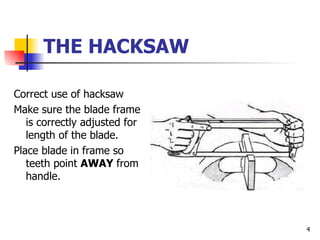
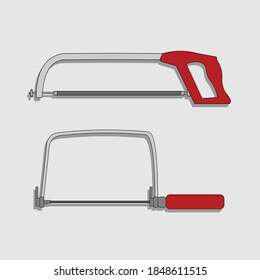
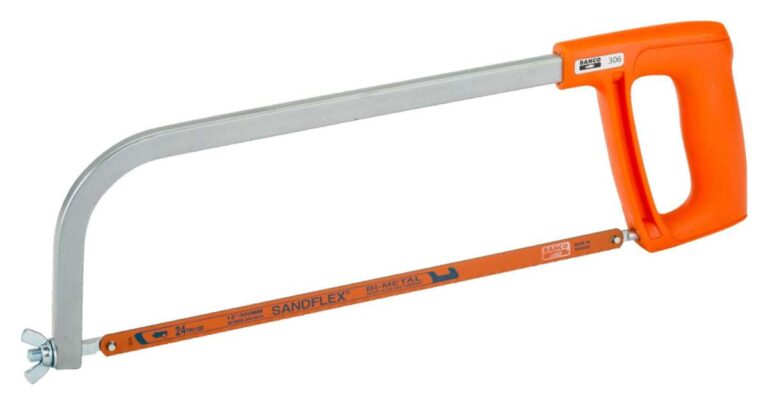
How To Cut Venetian Blinds With Hacksaw: Easy Guide
In the United States, you can cut aluminum or steel Venetian blinds with a fine-tooth hacksaw when the blind is too wide for the window. The cleanest method is to measure twice, mark both sides evenly, protect the slats with tape, secure the blind, and cut slowly. Always check the manufacturer’s instructions first, because cutting the headrail may affect the blind’s warranty or operation.
A hacksaw works best for metal horizontal blinds. Vinyl slats may also be cut with a fine-tooth blade, but wood blinds need a different method and are often better handled with a saw designed for wood.

What You Need Before Cutting Venetian Blinds
Gather the tools and materials before you start:
- Fine-tooth hacksaw
- Measuring tape
- Pencil or fine marker
- Straightedge or ruler
- Painter’s tape or masking tape
- Clamps or a workbench vise
- File or fine-grit sandpaper
- Safety glasses
- Work gloves
- Clean cloth
- Screwdriver, if the blind has removable end caps or brackets
A hacksaw with about 18 to 32 teeth per inch is suitable for most aluminum headrails and slats. A finer blade usually leaves a cleaner edge, while a coarse blade can bend thin metal or tear vinyl.
Check the blind material
The cutting method depends on the blind material.
| Blind material | Can a hacksaw cut it? | Main concern |
|---|---|---|
| Aluminum | Yes | Sharp burrs and bent slats |
| Steel | Yes | Requires more effort and a strong blade |
| Vinyl or PVC | Usually | Melting, cracking, or rough edges |
| Wood | Not recommended | Splintering and uneven cuts |
| Faux wood | Sometimes | The core may chip or split |
Do not cut a blind while it hangs in the window. Remove it first. A loose blind is easier to measure, safer to hold, and less likely to suffer damage.
Decide how much to remove
Measure the inside width of the window opening at the top, middle, and bottom. Use the smallest measurement. Window openings are not always perfectly square.
For an inside mount, the finished blind usually needs a small clearance so it can fit between the side surfaces. The exact allowance depends on the blind design and the manufacturer’s instructions. Do not remove a large amount “just to be safe.” A blind that is too narrow may leave unwanted gaps and may not fit the brackets.

How to Measure Venetian Blinds for a Narrower Window
Measure the amount to remove from the finished width, then divide that amount equally between both sides. This keeps the ladder cords, tilt mechanism, and lift cords centered.
Use this simple calculation
Amount to remove from each side = total amount to remove ÷ 2
For example:
- Blind width: 36 inches
- Required finished width: 35 inches
- Total to remove: 1 inch
- Amount to remove from each side: 1/2 inch
Mark the same distance on the left and right sides. Do not remove the full amount from one side unless the blind’s design specifically requires an off-center cut.
Measure the headrail separately
The headrail is the top metal or plastic housing that holds the operating parts. It often contains:
- Tilt gears
- Cord locks
- Lift mechanisms
- Mounting brackets
- Internal support parts
The headrail is usually the most sensitive part to cut. Look inside or under the headrail before marking the cut line. Make sure your cut will not pass through a gear, cord lock, tilt rod, or other operating component.
If the mechanism occupies much of one side, the blind may not be suitable for shortening with a hacksaw. In that case, a custom-made blind or professional alteration may be safer.
Mark every part that will be cut
Lay the blind flat on a protected work surface. Close the slats so they are aligned. Use a ruler or straightedge to mark the cut line across:
- The headrail
- Each slat
- The bottom rail, if it must also be shortened
The marks should line up vertically. A crooked mark can create a blind that looks uneven even when it fits the window.
Cover the cut area with painter’s tape. Mark the cutting line on the tape. The tape helps reduce scratches, limits small chips, and makes the line easier to see.
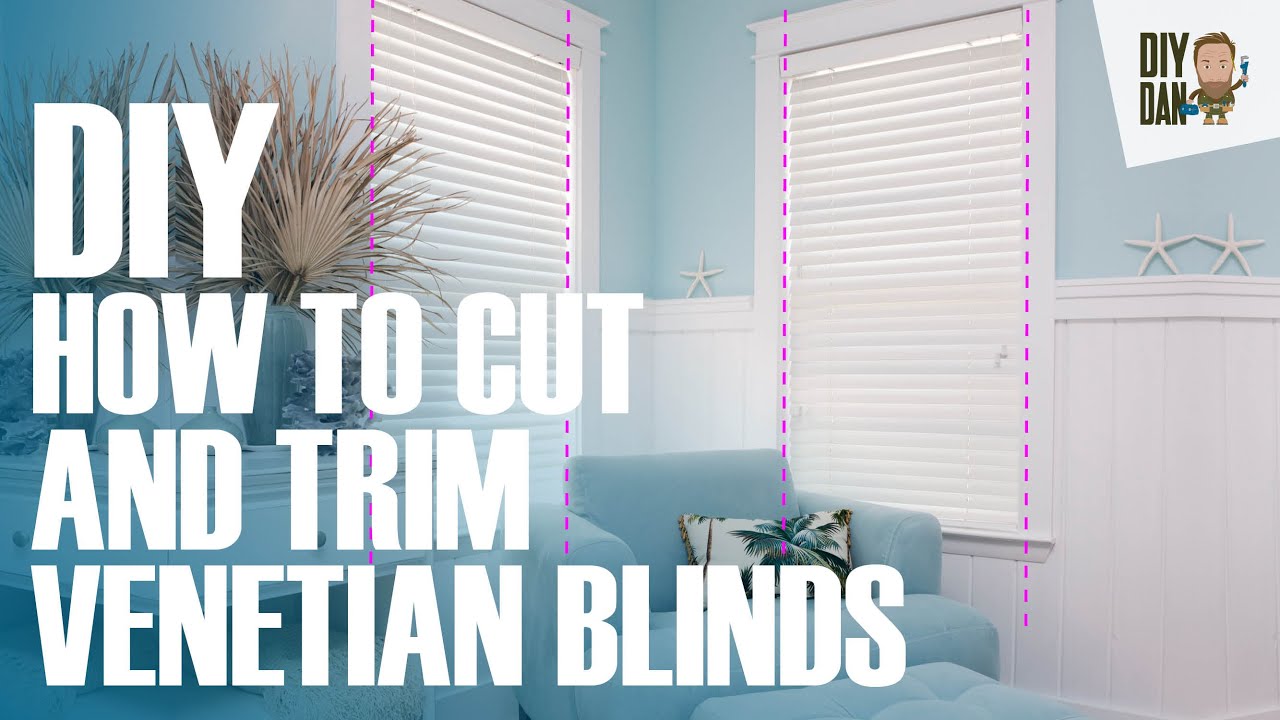
Step-by-Step: Cutting Venetian Blinds With a Hacksaw
Cut the blind in stages. Start with the headrail, then cut the slats and bottom rail if needed.
1. Remove the blind and its end caps
Take the blind down from the window. Place it on a stable workbench or another flat surface.
Remove end caps only if they come off without force. Some caps are clipped in place, while others are glued or built into the blind. Do not pry hard against thin metal. A damaged end cap may not fit securely after the cut.
If you cannot remove an end cap, leave it in place and protect it with tape.
2. Secure the blind
Clamp the blind gently between padded jaws or place it in a vise with wood blocks on both sides. The blind should not move, but do not apply enough pressure to crush the headrail or bend the slats.
Keep the part being cut slightly beyond the edge of the workbench. This gives the hacksaw room to move.
Never hold the blind in your hand while cutting. The blade can slip, and the cut edge can be sharp.
3. Cut the headrail first
Fit the hacksaw blade into the marked line. Use slow, even strokes. Let the teeth do the work instead of pushing hard.
Start with a shallow groove. Once the groove is established, continue with steady strokes until the blade passes through the headrail.
Pause if the headrail begins to flex. A moving headrail can produce a crooked cut or damage the internal mechanism. Reposition the clamps if needed.
4. Cut the slats
Stack the slats tightly and keep them aligned. Tape the stack on both sides of the cut line.
Use short, controlled hacksaw strokes. Thin aluminum slats can bend easily, so support them close to the cut. If the slats chatter, add more tape or place thin scrap wood on both sides of the stack.
Cutting all slats together may save time, but it can also create uneven edges if the stack shifts. For a small adjustment, cutting a few slats at a time may produce better control.
5. Cut the bottom rail if required
The bottom rail often needs to match the width of the slats and headrail. Mark it carefully and secure it before cutting.
Check for the lift cord, cord plugs, or internal weight before making the cut. Move or remove these parts only if the manufacturer’s design allows it. Do not cut through a cord.
6. File the cut edges
After cutting, inspect every edge. Use a metal file or fine-grit sandpaper to remove burrs and sharp points.
File in one direction rather than rubbing aggressively back and forth. Focus on:
- The headrail
- The ends of the slats
- The bottom rail
- Any exposed metal corners
Wipe away metal dust with a clean cloth. Remove the tape only after the edges are smooth.
7. Refit the end caps and cords
Replace the end caps and any parts removed during preparation. Make sure the caps sit squarely and do not interfere with the slats.
Check that the lift cords and tilt controls move freely. If a cord binds, stop and inspect the cut area. A cord may be trapped, pinched, or touching a sharp edge.
8. Test the blind before installing it
Hold the blind near the window opening and check the width. It should fit without force while leaving the clearance required by the mounting method.
Test the blind on a work surface:
- Raise and lower it
- Tilt the slats
- Check the cord lock
- Confirm that the slats hang evenly
- Look for rubbing or scraping
Install the blind only after these checks pass.

How to Get a Clean, Straight Cut
A clean cut depends more on support and control than on speed.
Keep the cut square
Use a straightedge to draw the line around the part. If possible, mark the same line on the front, back, and sides. This helps the blade stay perpendicular.
A hacksaw held at an angle can produce a cut that is longer on one side than the other. That may prevent an end cap from fitting.
Use tape to reduce damage
Painter’s tape is safer than strong duct tape, which can leave adhesive or pull away a finish. Place tape on both sides of the cut when the material is thin.
For vinyl, avoid cutting too quickly. Heat from friction can soften the edge and leave a rough, melted surface.
Support thin slats
Thin slats need support close to the blade. Without support, they may vibrate, fold, or crack.
A practical method is to sandwich the slats between two flat pieces of scrap wood. Keep the cutting line exposed. Tighten the clamps gently, then saw through the exposed section.
Smooth the finish
If the cut edge is visible, use fine sandpaper after filing. Do not remove more material than needed. Repeated sanding can change the width and make the edge uneven.
For coated aluminum, avoid aggressive sanding on the visible face. It can remove the finish around the cut.

Common Problems When Cutting Venetian Blinds
Most problems come from incorrect measurement, cutting the wrong part, or failing to support the blind.
The blind is still too wide
Possible causes:
- The window was measured at only one point.
- The amount removed was calculated incorrectly.
- The end caps were not included in the measurement.
- The headrail is wider than the slat stack.
What to do:
Measure the blind and window again. Confirm whether the manufacturer’s stated width includes the end caps. Remove additional material only if the remaining width, mechanism, and mounting hardware still allow safe operation.
The blind is too narrow
A blind that is too narrow cannot usually be repaired by adding material. You may be able to use a larger mounting bracket or change the mounting position, but this will not always hide the gap.
If the gap is large, replacing the blind is usually the better option.
The slats are uneven
Possible causes:
- The slats moved during cutting.
- The marks were not aligned.
- The blind was cut while loose.
- The hacksaw blade wandered.
Place the slats in a tight stack and compare the ends. For small differences, use a file or fine sandpaper. Do not remove a large amount by hand, because the edges may become rounded or uneven.
The tilt control no longer works
Stop using the blind. The hacksaw may have hit the tilt rod, gear, or another internal component.
Do not force the control. Inspect the headrail for a bent part or trapped cord. If the internal mechanism is damaged, replacement is usually safer than trying to rebuild it.
The cut edge is sharp
File the edge until it is smooth. Wear gloves while handling the blind, but do not rely on gloves alone. A sharp metal edge can still cut through thin fabric or skin.
If an edge remains sharp after filing, cover it with a properly fitting end cap or replace the damaged part.
When Not to Use a Hacksaw
Do not use a hacksaw when the blind contains parts that cannot be safely moved or protected.
Choose another solution when:
- The blind is made from solid wood.
- The cut line crosses a tilt mechanism.
- The headrail contains a motor or electronic control.
- The blind has a sealed internal spring or tension system.
- The material cracks during a test cut.
- You need to remove a large amount of width.
- The blind is under warranty and cutting may void coverage.
- You are not sure where the cords or internal parts are located.
Motorized blinds require special care. Disconnect power before handling them, and follow the manufacturer’s service instructions. Do not cut a powered headrail with wiring or a battery compartment unless the manufacturer specifically documents that procedure.
For expensive custom blinds, professional alteration may cost less than replacing a damaged mechanism.

Safety Tips for Cutting Metal or Vinyl Blinds
Wear safety glasses because hacksawing can release small metal particles. Use gloves when handling cut edges, but keep gloves away from the moving blade.
Work in a well-lit area with good support. Keep children and pets away from the workbench. Collect metal filings before returning the blind to the room.
Do not cut blinds that contain old or damaged cords without considering cord safety. Window-covering cords can create a strangulation hazard for young children and pets. After installation, secure cords according to the product instructions and current U.S. safety guidance.
Never test the blind while it is loose if the cords are tangled or the headrail is damaged. A controlled bench test is safer than forcing a blind into the window.
Can You Cut Venetian Blinds Without Removing Them?
You should remove Venetian blinds before cutting them. Cutting them while installed makes it harder to hold the blind square, protect the window frame, and control the hacksaw.
The blade may also scratch the sill, glass, trim, or wall. Removing the blind takes a few extra minutes but gives you better access and reduces the chance of an uneven cut.
Should You Cut Both Sides or One Side?
Cut both sides when you need to reduce the overall width. Dividing the cut evenly helps keep the operating controls centered and preserves the blind’s appearance.
Cut one side only when the design, mounting position, or mechanism requires an offset. Before doing this, verify that the cut will not affect the tilt gear, cord lock, or mounting bracket.
Can You Cut Venetian Blinds With a Power Saw?
A power saw can cut some blinds, but it is usually harder to control than a hacksaw. A fast blade can heat vinyl, catch thin aluminum, or create a rough edge.
A hacksaw is often the safer choice for a small adjustment because it gives you more control. If you use a power tool, follow the tool and blind manufacturer’s instructions, secure the material firmly, and wear eye protection.
How Do You Cut Venetian Blinds That Are Too Long?
Cutting the width is different from shortening the length. To shorten the length, you normally remove slats from the bottom and adjust the bottom rail and lift cords.
Do not cut the bottom of the blind with a hacksaw unless the manufacturer’s instructions support that method. The ladder cords and lift cords must remain correctly positioned, and the bottom rail must be reattached securely.
Final Checklist Before Installation
Use this checklist before putting the blind back in the window:
- The finished width is correct.
- The headrail is not bent.
- No cord or tilt part was cut.
- All slats are aligned.
- The cut edges are smooth.
- End caps fit securely.
- The blind raises and lowers normally.
- The slats tilt without binding.
- Mounting brackets still fit the headrail.
- Operating cords are secure and clear.
Conclusion
You can cut aluminum or steel Venetian blinds with a hacksaw if you measure carefully and protect the internal parts. Remove the blind, mark both sides evenly, secure it firmly, use slow strokes, and file every cut edge smooth.
If the blind is made from wood, contains motorized parts, or has a mechanism near the cut line, replacement or professional alteration is the safer choice. Measure the window and blind again before making the first cut—the first cut is the one that cannot be undone.
Recent Tool Guides
 Hammer
How To Hammer Flowers Onto Paper: Easy Guide
Learn how to hammer flowers onto paper with simple steps, helpful tips, and beautiful results for...
Read Guide → Wrench
How To Use A Hex Wrench: Easy Step-By-Step Guide
Learn how to use a hex wrench correctly with simple steps, helpful tips, and common mistakes...
Read Guide → Hacksaw
How To Cut Curtain Pole With Hacksaw: Easy Guide
Learn how to cut curtain pole with hacksaw safely and neatly. Follow simple steps for accurate...
Read Guide → Wrench
How To Use A Husky Torque Wrench: Easy Guide
Learn how to use a Husky torque wrench correctly with simple steps, torque settings, and safety...
Read Guide → Hammer
How To Hold A Hammer: Safe Grip Guide
Learn how to hold a hammer with the right grip, stance, and technique for safer, more...
Read Guide → Hacksaw
How To Cut Flexible Metal Conduit With Hacksaw: Easy Guide
Learn how to cut flexible metal conduit with hacksaw safely and cleanly. Follow simple steps for...
Read Guide →