How To Cut Flexible Metal Conduit With Hacksaw: Easy Guide
Introduction
In the United States, you can cut flexible metal conduit (FMC) with a hacksaw when you use the right blade, support the conduit, and remove sharp edges before installing a fitting. The cut should be square and clean. It must not crush the spiral or damage wires inside the conduit.
Before you start, turn off the circuit, lock out the disconnect when possible, and verify that the wires are dead with a properly rated tester. If the conduit contains unknown wiring, or if you cannot confirm that the circuit is safe, stop and call a qualified electrician.
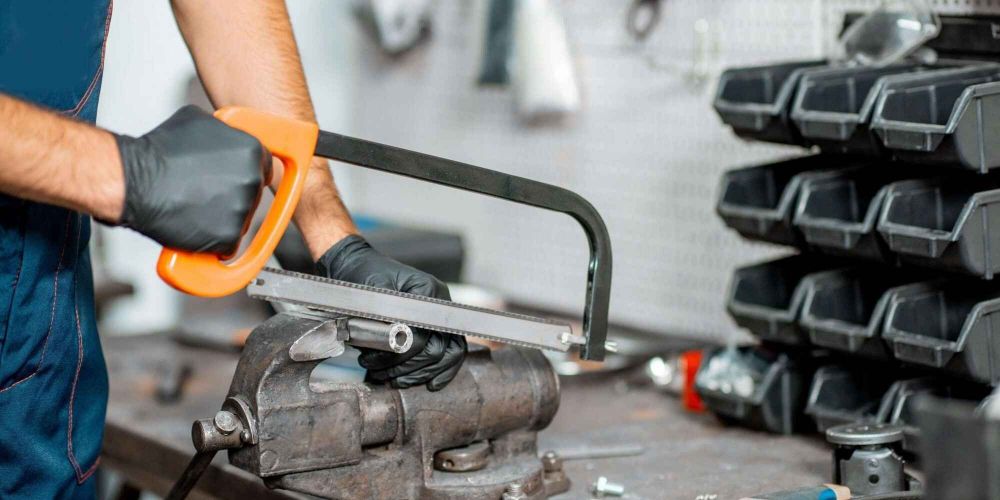
What You Need Before Cutting
Gather the tools and parts before making the cut:
- Flexible metal conduit, also called FMC
- Hacksaw
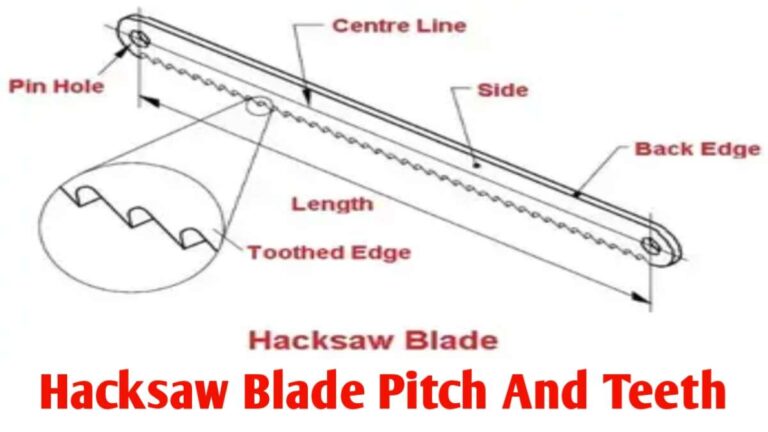
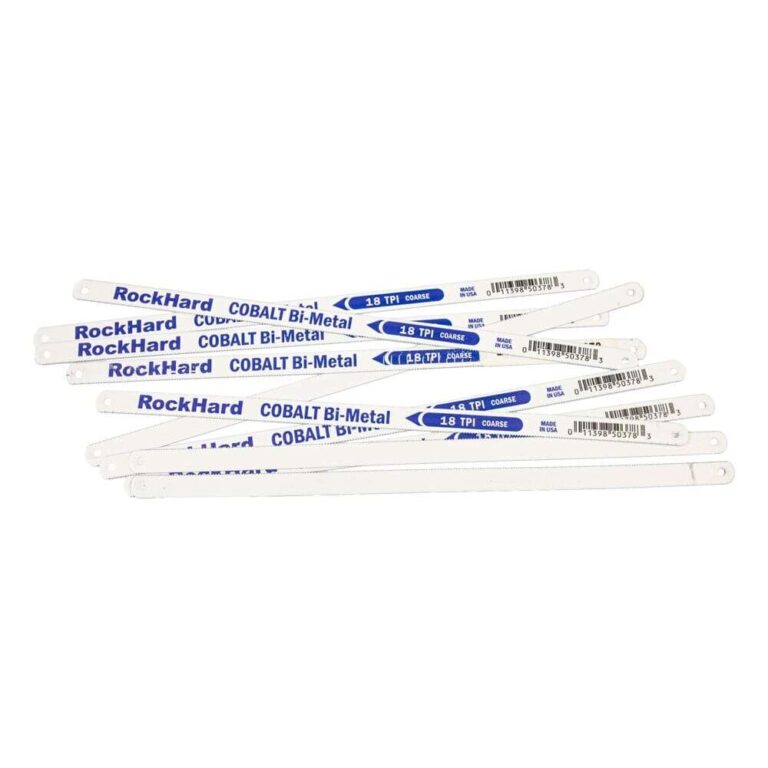
- Fine-tooth blade, such as a 24- or 32-teeth-per-inch blade
- Tape measure
- Marker
- Vise, clamp, or another safe way to hold the conduit
- File or deburring tool
- Work gloves
- Safety glasses
- Correct FMC connector and locknut
- Bushing or insulating throat, when required by the connector or local code
- Voltage tester, if the conduit is part of an existing electrical system
A fine-tooth blade gives better control than a coarse blade. It also lowers the chance of catching the metal spiral and bending it.
Do not use a hacksaw to cut live conduit. A hacksaw can damage insulation, contact a conductor, or create a dangerous fault.
How to Cut Flexible Metal Conduit With a Hacksaw
Follow these steps for a clean cut.
1. Shut off and verify the circuit
Turn off the circuit at the breaker or disconnect. Do not rely only on the breaker label. Test the conductors with a voltage tester that you know works.
Test the circuit before turning it off, then test it again after turning it off. Check all conductors that may be present, including neutral and control wires. If another circuit may run in the same box or raceway, test that circuit too.
For work in a commercial or industrial setting, follow the site’s lockout/tagout procedure. OSHA requires employers to control hazardous electrical energy before many servicing tasks.
2. Measure the required length
Measure from the entry point to the connector location. Allow enough length for a gentle bend and for the conduit to enter each fitting fully.
Do not cut the conduit tight between two boxes. A short piece may pull out of a connector when the conduit moves. A little extra length is usually better than a cut that leaves the wires under strain.
Mark the cut with a permanent marker. Make the mark all the way around the conduit if possible.
3. Wrap the cut area
Wrap electrical tape around the conduit at the mark. Use several tight turns.
The tape helps hold the flexible metal spiral together while you cut. It also makes the cut line easier to see. Keep the tape centered over the mark.
Tape is a cutting aid. It is not a substitute for a connector, bushing, or other required fitting.
4. Secure the conduit
Place the conduit in a vise or clamp it to a stable work surface. Do not crush it.
If you use a vise, apply only enough pressure to hold the conduit. Place wood, cardboard, or a similar soft layer between the jaws and the conduit. Keep your hands away from the blade path.
For a short piece, you can hold the conduit against a solid surface. A clamp is safer and gives better control.
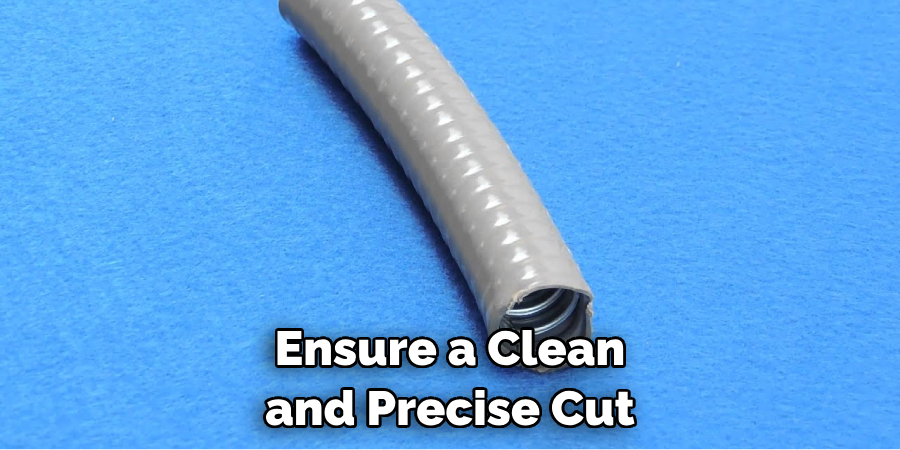
5. Cut across the conduit
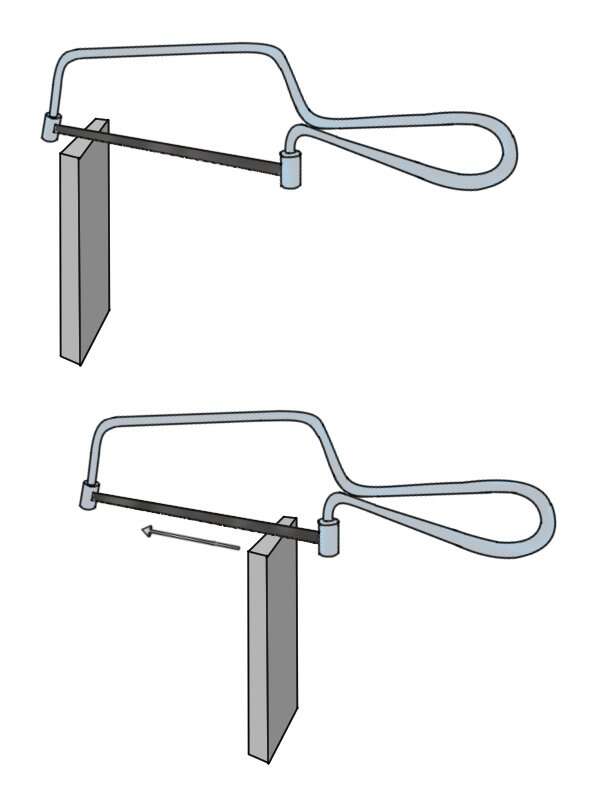
Place the hacksaw blade at a right angle to the conduit. Start with short, light strokes.
Once the groove is established, use steady strokes. Let the blade do the work. Do not force it through the metal.
Try to cut through the spiral without bending the conduit. If the blade starts to wander, stop and reset it. A slanted cut can leave a sharp edge and may prevent the connector from seating correctly.
For a long piece, rotate the conduit as you cut. This can help you stay on the marked line and reduce twisting.
6. Inspect the cut
Remove the tape and check the end. Look for:
- Sharp metal edges
- A crushed or flattened spiral
- A loose strip of metal
- A cut that is badly out of square
- Debris inside the conduit
- Damaged insulation on any conductors
If the end is badly damaged, cut it back and repeat the process. Do not install a fitting over a crushed or jagged end.
7. Deburr the metal
Use a file or deburring tool to smooth the inside and outside edges. Work slowly. FMC can leave small metal points that can cut insulation or skin.
Run a finger near the edge only after you have removed gloves and confirmed the edge is safe. Do not drag your finger through the inside of the conduit if sharp metal may remain.
A bushing may be needed at the fitting. Use the bushing supplied with the connector, or follow the connector instructions and the electrical code used in your area.
8. Install the correct connector
Choose a connector listed for the type and size of flexible metal conduit. Push the conduit fully into the connector. Tighten the connector as directed by its instructions.
The locknut should seat firmly against the box or enclosure. The connector should hold the conduit without crushing it.
Do not use a connector made for a different wiring method. FMC, liquidtight flexible metal conduit, and metal-clad cable are related products, but they are not interchangeable in every installation.
9. Check the finished work
A successful cut should have:
- A square end
- No sharp burrs
- No loose metal strands
- No crushed spiral
- No damaged wire insulation
- A connector that grips the conduit
- Enough length for the intended bend
- A secure connection to the box or enclosure
After the work is complete, inspect the wiring before restoring power. If the conduit carries circuit conductors, check that the wires are not pinched or pulled tight.

Why the Cutting Method Matters
FMC is made from a spiral-wound metal strip. The spiral lets the conduit bend, but it also creates a rough edge when cut.
A poor cut can cause three main problems:
-
Insulation damage
A sharp edge can scrape wire insulation as conductors are pulled through the conduit. -
A weak connector grip
A crushed end may not sit correctly inside the fitting. -
A difficult installation
A crooked cut can make it harder to keep the conduit aligned with the box or enclosure.
The goal is not simply to separate the conduit. The goal is to create an end that protects the conductors and fits the connector.
Flexible Metal Conduit Cutting Guide
| Situation | Recommended approach |
|---|---|
| Short FMC piece on a workbench | Wrap the mark with tape and cut with a fine-tooth hacksaw |
| Long FMC run | Support the conduit at several points and rotate it during the cut |
| Conduit with wires inside | Deenergize it, protect the wires, and avoid cutting near exposed conductors |
| Jagged or crushed end | Cut back to sound metal and deburr again |
| Liquidtight flexible metal conduit | Follow the product instructions; the outer jacket may need a different cutting method |
| Metal-clad cable or armored cable | Use the cable maker’s approved method, not the FMC method by default |
| Conduit in a hazardous location | Stop and use the required work procedure and approved fittings |
Flexible metal conduit is not the same as every flexible metal wiring product. The product label and fitting instructions control the proper method.
How to Cut FMC With Wires Inside
Cutting empty conduit is safer and easier. If wires are already inside, avoid cutting the conduit unless there is no better option.
If the cut must be made:
- Deenergize and verify the circuit.
- Find out where the conductors are inside the conduit.
- Pull the conductors back from the cutting area if the installation allows it.
- Support the conduit without crushing it.
- Use short strokes and light pressure.
- Stop at the first sign that the blade is touching insulation.
- Remove all burrs before moving the conductors back into place.
- Inspect the wire insulation for cuts, scrapes, or flat spots.
If you cannot move the conductors away from the blade, do not cut the conduit with a hacksaw. Replace the section or have an electrician handle the repair.
Common Mistakes to Avoid
Cutting without holding the conduit
Loose FMC can twist while you cut. This often produces a slanted end.
Better approach: Clamp the conduit lightly or brace it against a stable surface.
Using a coarse blade
A coarse blade can catch the spiral and tear or bend it.
Better approach: Use a fine-tooth blade and slow, even strokes.
Cutting through a powered run
This is a serious shock, arc-flash, and fire risk.
Better approach: Deenergize, lock out when required, and test before cutting.
Leaving the edge sharp
A sharp edge can damage wire insulation during installation or later movement.
Better approach: File both the inside and outside edge.
Using the wrong connector
A fitting for liquidtight conduit, MC cable, or another wiring method may not secure FMC correctly.
Better approach: Match the connector to the exact conduit type and trade size.
Cutting the conduit too short
A short piece may not reach the connector or may force a tight bend.
Better approach: Measure the route, include the fitting entry points, and allow a little working length.
Treating tape as a finished repair
Tape can hold the spiral during cutting. It does not replace a listed fitting or bushing.
Better approach: Remove the cutting tape and complete the installation with the correct parts.

When a Hacksaw Is Not the Best Tool
A hacksaw works well for small jobs and occasional repairs. Another tool may be better when you have many cuts or need faster production.
Possible alternatives include:
- A conduit cutter made for flexible metal conduit
- A rotary tool with an appropriate metal-cutting wheel
- A reciprocating saw with a fine metal-cutting blade
- A band saw set up for small metal conduit
Power tools can cut faster, but they can also create more heat, sparks, noise, and sharp debris. Use the tool only when it is suitable for the product and work area.
Do not use a power tool in a location where sparks could ignite flammable vapor or dust. Follow the tool maker’s instructions and the site’s safety rules.
FMC, LFMC, and MC Cable: What Is the Difference?
These products can look similar, but the cutting method and fittings may differ.
- FMC: Flexible metal conduit. It is commonly used as a raceway for insulated conductors.
- LFMC: Liquidtight flexible metal conduit. It has a liquidtight jacket and requires compatible fittings.
- MC cable: Metal-clad cable. It contains conductors within a manufactured cable assembly and uses cable connectors.
- AC cable: Armored cable with specific construction and fitting requirements.
The term “flexible metal conduit” is sometimes used loosely. Check the printing on the product before cutting it. If the product is cable rather than empty raceway, follow the cable manufacturer’s instructions.
What to Do If the Cut Goes Wrong
The conduit is crushed
Cut away the damaged section. Do not try to reshape a badly crushed end with pliers.
The spiral comes apart
Remove the damaged end and make a new cut. A loose spiral may not hold securely in the connector.
The edge stays sharp
File it again from several angles. Check the inside edge as well as the outside edge. If you cannot make it smooth, cut back farther.
The wires have damaged insulation
Do not cover the damage with electrical tape and assume the repair is complete. The proper repair may require replacing the conductor or cable section, depending on the wiring method and local requirements.
The connector will not seat
Check the conduit type, trade size, cut angle, and connector instructions. A wrong connector or crushed end is a common cause.
The conduit is too short
Do not stretch it between boxes. Replace it with a longer piece or revise the route. Conductors should not be used to make up for a short raceway.
Safety Rules for Cutting Flexible Metal Conduit
Use basic electrical and metalworking protection:
- Wear safety glasses.
- Wear gloves when handling cut metal.
- Keep the work area well lit.
- Remove loose metal scraps from the box and conduit.
- Keep the hacksaw blade tight in its frame.
- Replace a dull or damaged blade.
- Keep the blade moving away from your body.
- Never cut a circuit that may be energized.
- Use a tester rated for the voltage and environment.
- Follow OSHA requirements and local electrical rules when working as part of a job.
OSHA’s electrical safety guidance requires control of hazardous energy and suitable work practices for electrical tasks. The National Electrical Code also requires listed wiring methods and compatible fittings. Local rules may add requirements, so the authority having jurisdiction may be stricter than a general guide.
Stop and get qualified help if:
- You cannot identify the circuit.
- You cannot verify that power is off.
- The conduit is in a wet, hazardous, or classified location.
- The conduit contains damaged or unknown wiring.
- The installation is part of service equipment or complex industrial equipment.
- You are unsure which connector or wiring method applies.
Frequently Asked Questions
Can I cut flexible metal conduit with a regular hacksaw?
Yes. A regular hacksaw with a fine-tooth metal-cutting blade is suitable for many small FMC cuts. Secure the conduit, wrap the cut area with tape, use light strokes, and deburr the end.
Should I cut flexible metal conduit with the wires inside?
Avoid it when possible. Pull the wires away from the cut area or remove them first. If you cannot protect the conductors from the blade, use another repair method or call an electrician.
Do I need to tape the end before cutting FMC?
Tape is not always required, but it helps hold the spiral together and provides a clear cutting line. Remove the tape after cutting and finish the end with a file or deburring tool.
How do I stop flexible conduit from unraveling after cutting?
Make a square cut, use a fine-tooth blade, and avoid forcing the hacksaw. Remove any loose strip of metal. A properly installed connector also helps secure the cut end.
Is flexible metal conduit the same as MC cable?
No. FMC is a raceway that normally carries separate conductors. MC cable is a manufactured cable assembly with conductors inside a metal covering. Use the cutting and connector method specified for the actual product.
Key Takeaways
- Turn off and test the circuit before cutting.
- Measure carefully and mark the conduit.
- Wrap the mark with tape.
- Secure the conduit without crushing it.
- Use a fine-tooth hacksaw blade and light strokes.
- File away every sharp edge.
- Use a connector listed for the exact conduit type and size.
- Do not cut unknown, energized, or hazardous wiring without the proper procedure.
Conclusion
You can cut flexible metal conduit with a hacksaw safely when the conduit is deenergized, supported, and cut with control. The most important finishing steps are deburring the metal and using the correct connector.
For a simple empty conduit run, the job is usually straightforward. For conduit with live, damaged, unknown, or hazardous wiring, stop before cutting and use a qualified electrician.
Sources
- OSHA: Electrical Safety-Related Work Practices, 29 CFR 1910.333
- OSHA: Electrical Protective Equipment, 29 CFR 1910.335
- NFPA: National Electrical Code
- UL Solutions: Electrical conduit and fittings overview
Recent Tool Guides
 Hammer
How To Hammer Flowers Onto Paper: Easy Guide
Learn how to hammer flowers onto paper with simple steps, helpful tips, and beautiful results for...
Read Guide → Wrench
How To Use A Hex Wrench: Easy Step-By-Step Guide
Learn how to use a hex wrench correctly with simple steps, helpful tips, and common mistakes...
Read Guide → Hacksaw
How To Cut Curtain Pole With Hacksaw: Easy Guide
Learn how to cut curtain pole with hacksaw safely and neatly. Follow simple steps for accurate...
Read Guide → Wrench
How To Use A Husky Torque Wrench: Easy Guide
Learn how to use a Husky torque wrench correctly with simple steps, torque settings, and safety...
Read Guide → Hammer
How To Hold A Hammer: Safe Grip Guide
Learn how to hold a hammer with the right grip, stance, and technique for safer, more...
Read Guide → Wrench
How To Use An Inch Pound Torque Wrench: Easy Guide
Learn how to use an inch pound torque wrench correctly with simple steps, accurate settings, and...
Read Guide →