
A hand-operated winch is a manual crank device used to pull, lift, or tension heavy loads.
I’ve worked with winches on job sites and boats for years, and I’ll walk you through exactly which tool is a hand operated winch, how it works, when to pick one, and how to use it safely. This guide combines hands-on experience, clear definitions, and practical buying tips so you can decide with confidence which tool is a hand operated winch and whether it fits your task.

Definition and core components
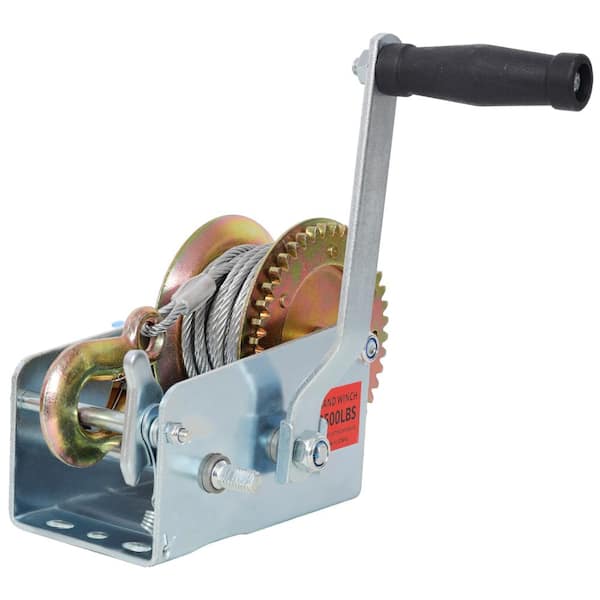
A hand-operated winch is a mechanical tool. It uses a crank, gear train, and spool to move a cable, strap, or rope. The operator turns a handle to generate mechanical advantage. This allows one person to lift or pull loads that would otherwise need many hands.
Key components include:
- Handle — the part you turn to apply force.
- Gear train — multiplies input torque to move heavy loads.
- Drum or spool — stores the cable, wire rope, or strap.
- Brake or pawl — holds the load in place when you stop turning.
- Mounting base — secures the winch to a fixed point.
The phrase which tool is a hand operated winch describes exactly this manual device used where power is not available or a controlled, low-speed pull is needed. Manufacturers rate winches by capacity. Always check rated load and safety factors before use.
Types of hand-operated winches
Hand-operated winches come in a few common styles. Each style fits different jobs.
Common types:
- Hand-crank winch — simple drum and handle for light loads and trailers.
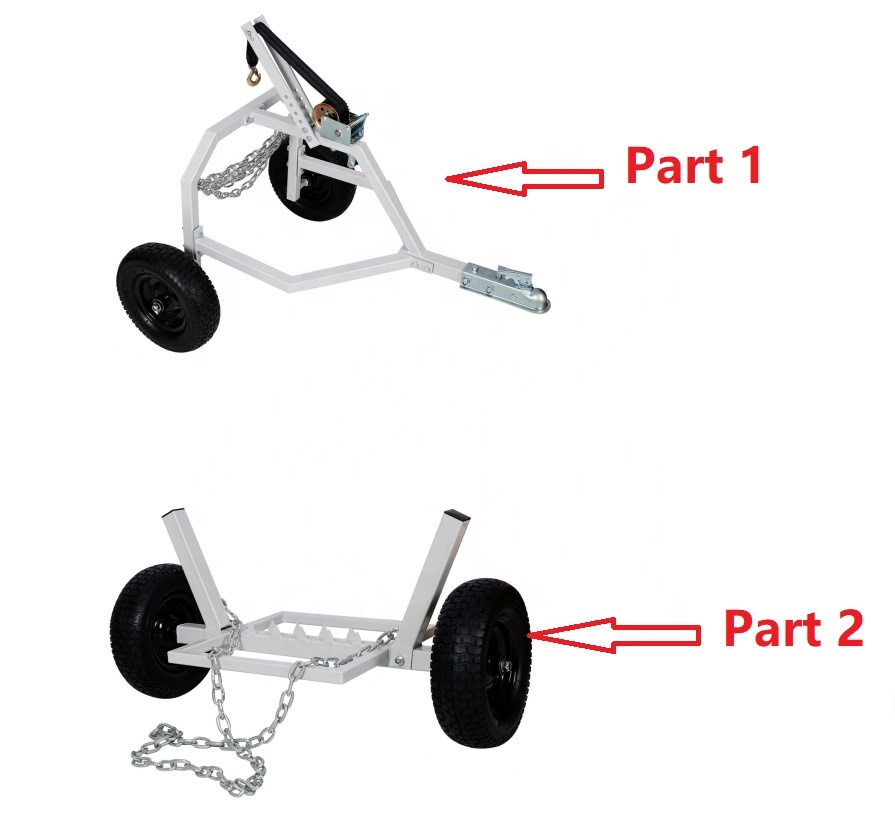
- Ratchet puller (come-along) — portable lever or ratchet mechanism for tensioning and pulling.
- Chain hoist (manual chain block) — lifts vertical loads using a chain and internal gears.
- Capstan winch — vertical drum used for mooring or anchoring with continuous rope feed.
When asking which tool is a hand operated winch, know the task first. A chain hoist lifts vertically. A ratchet puller excels at horizontal pulls. Choose the type that matches load direction and control needs.

How a hand-operated winch works
The working idea is simple. You apply force on a handle. Gears increase torque. The drum winds cable or chain. A brake or pawl locks the load in place.
Basic mechanics:
- Input — your hand turning the handle.
- Transmission — gears convert small movement into strong pulling force.
- Output — drum rotation pulls the line.
- Locking — brake or pawl stops reverse movement when you stop.
Understanding which tool is a hand operated winch helps you match mechanical advantage to load. Gear ratios and drum diameter both affect how hard you must crank. Smaller drums pull faster but need more force. Larger drums need less force but pull slower.
Common uses and applications
Hand winches do many jobs around homes and work sites. They are simple and reliable.
Examples of use:
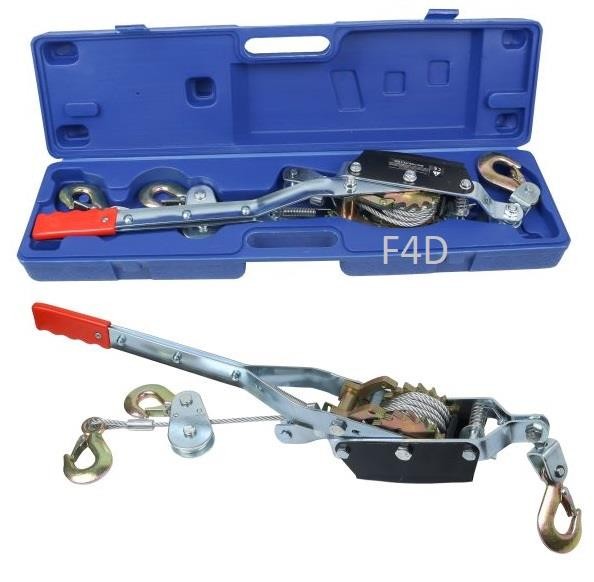
- Loading small boats onto trailers using a hand-crank winch.
- Tensioning fences with a ratchet puller.
- Lifting engines or transmissions with a chain hoist in a garage.
- Positioning heavy panels or beams in light construction.
- Pulling stuck vehicles short distances in off-road recovery.
If you wonder which tool is a hand operated winch for your project, think about direction of pull, load weight, and how often you’ll use it. For occasional light jobs, a basic hand-crank winch often works best.

How to choose the right hand-operated winch
Choosing well keeps you safe and saves money. Follow a clear checklist.
Selection steps:
- Determine working load — estimate the weight plus safety margin.
- Choose type — drum, ratchet puller, or chain hoist based on pull direction.
- Check gear ratio — higher ratio means easier cranking for heavy loads.
- Inspect materials — steel gears and galvanized cable resist wear and rust.
- Verify mount and fit — secure mounting boosts control and safety.
When deciding which tool is a hand operated winch, always pick one rated above your max load. Look for labels that show working load limit and breaking strength. If you need precise control, opt for a model with a reliable braking system.

Safety, maintenance, and troubleshooting
Safety matters most with manual winches. A few routine steps keep gear reliable and people safe.
Safety tips:
- Always use a winch rated higher than your load.
- Wear gloves and eye protection when handling cable or chain.
- Keep hands away from the drum and gears while cranking.
- Use rated hooks, shackles, and straps for connections.
- Inspect cable, chain, and pawl before each use for wear or damage.
Maintenance basics:
- Clean and lubricate gears and moving parts regularly.
- Replace frayed cable or bent links immediately.
- Tighten fasteners and check mount points often.
Troubleshooting quick fixes:
- If handle is too hard to turn, check for jammed gears or corrosion.
- If the brake slips, inspect pawl engagement and replace worn parts.
- If cable unwraps unevenly, ensure correct drum layering or use a fairlead.
Think about which tool is a hand operated winch in terms of upkeep. A well-cared-for winch lasts longer and works safer.

My hands-on experience and practical tips
I’ve used hand-operated winches on boats, trailers, and in a small metal shop. I learned lessons the hard way. These tips come from real jobs.
Practical lessons:
- Always plan your pull path first. Avoid sudden shock loads.
- Use a tag line to guide long loads. It prevents swing.
- Mark the handle position before heavy lifts to spot slippage early.
- Keep spare straps and a spare cable. A quick swap saves time.
- Train anyone who will use the winch. Short demos cut mistakes.
When friends ask which tool is a hand operated winch for a weekend project, I ask about weight and access. Most home DIY tasks do well with a basic hand-crank winch or a ratchet puller. For repeated lifting, invest in a quality chain hoist.
Frequently Asked Questions of which tool is a hand operated winch
What exactly is a hand-operated winch?
A hand-operated winch is a manual device that uses a handle, gears, and a drum to pull or lift loads. It gives mechanical advantage so one person can move heavy items safely.
How do I know which tool is a hand operated winch for lifting?
Choose a chain hoist when you need vertical lifting and controlled lowering. For light lifts or towing, a hand-crank winch or ratchet puller may be better suited.
Can I use a hand-operated winch for vehicle recovery?
Yes, but use one rated for the vehicle’s weight plus a safety margin. For steep recoveries or long pulls, a powered winch is usually safer and faster.
How often should I inspect my hand-operated winch?
Inspect before each use for frayed cables, worn gears, and secure mounts. Do a thorough check and service at least every few months with heavier use.
Is a hand-operated winch safe to use alone?
It can be, if the winch is rated properly, mounted securely, and you follow safe procedures. Never stand in the line of pull and always use rated attachments.
Does the drum size matter when choosing which tool is a hand operated winch?
Yes. Drum size affects force and speed. Smaller drums pull faster but need more force. Larger drums reduce required force but pull slower.
Conclusion
A hand-operated winch is a simple, robust tool for pulling and lifting when power is absent or control matters. You now know which tool is a hand operated winch, the main types, how they work, and how to pick one safely. Use the checklist and safety tips here to choose the right model, keep it maintained, and avoid common mistakes. Try a small project, practice safe operation, and share your experience in the comments or subscribe for more hands-on guides.