
Most Stanley hand tools are made across the United States, China, Taiwan, Mexico, and India.
I’ve spent years testing and buying tools, and I know readers want a clear answer about where are Stanley hand tools made. This article breaks down Stanley’s global manufacturing footprint, how to verify a tool’s origin, what that origin means for quality, and how to choose wisely. Expect practical tips, real-world experience, and straightforward guidance so you can buy with confidence.

Where are Stanley hand tools made — global production footprint
Stanley makes hand tools in many countries. The firm operates factories and works with contract manufacturers in the United States, China, Taiwan, Mexico, India, and parts of Europe and Southeast Asia. Different product lines and models come from different plants. That means one Stanley screwdriver might be made in the U.S., while a tape measure or utility knife may come from Asia.
Most high-volume consumer lines are produced overseas to keep costs low. Specialty and professional-grade tools are sometimes made or finished in the U.S. or Europe. The final assembly, heat treatment, finishing, and inspection steps vary by plant. This global mix helps Stanley meet demand and price points around the world.

Why Stanley manufactures in multiple countries
Stanley is part of a large global company. To remain competitive, they balance cost, capacity, and skills. Some reasons Stanley spreads manufacture across countries:
- Access to lower-cost labor to keep retail prices down.
- Local proximity to raw materials and suppliers.
- Specialized plants that handle heat treatment or finishing for premium tools.
- Tariff and trade considerations that affect where tools ship from.
- Demand in local markets that favors regional production.
This strategy is common in the tool industry. It helps Stanley offer both affordable consumer lines and higher-end professional tools.

Quality control and standards across locations
Stanley sets quality and testing standards for every plant. Raw material specs, hardness tests, and finishing tolerances are part of that system. Quality often depends on the specific product line and the exact factory or supplier.
You can expect:
- Tool designs and testing standards set by corporate engineering.
- Batch testing and inspections at major plants.
- Warranties that back tools regardless of manufacture origin.
That said, minor variation in fit and finish is possible between runs and factories. In my experience, the performance gap is often small for everyday tasks, but professionals may notice differences on demanding jobs.
How to identify where a Stanley tool was made
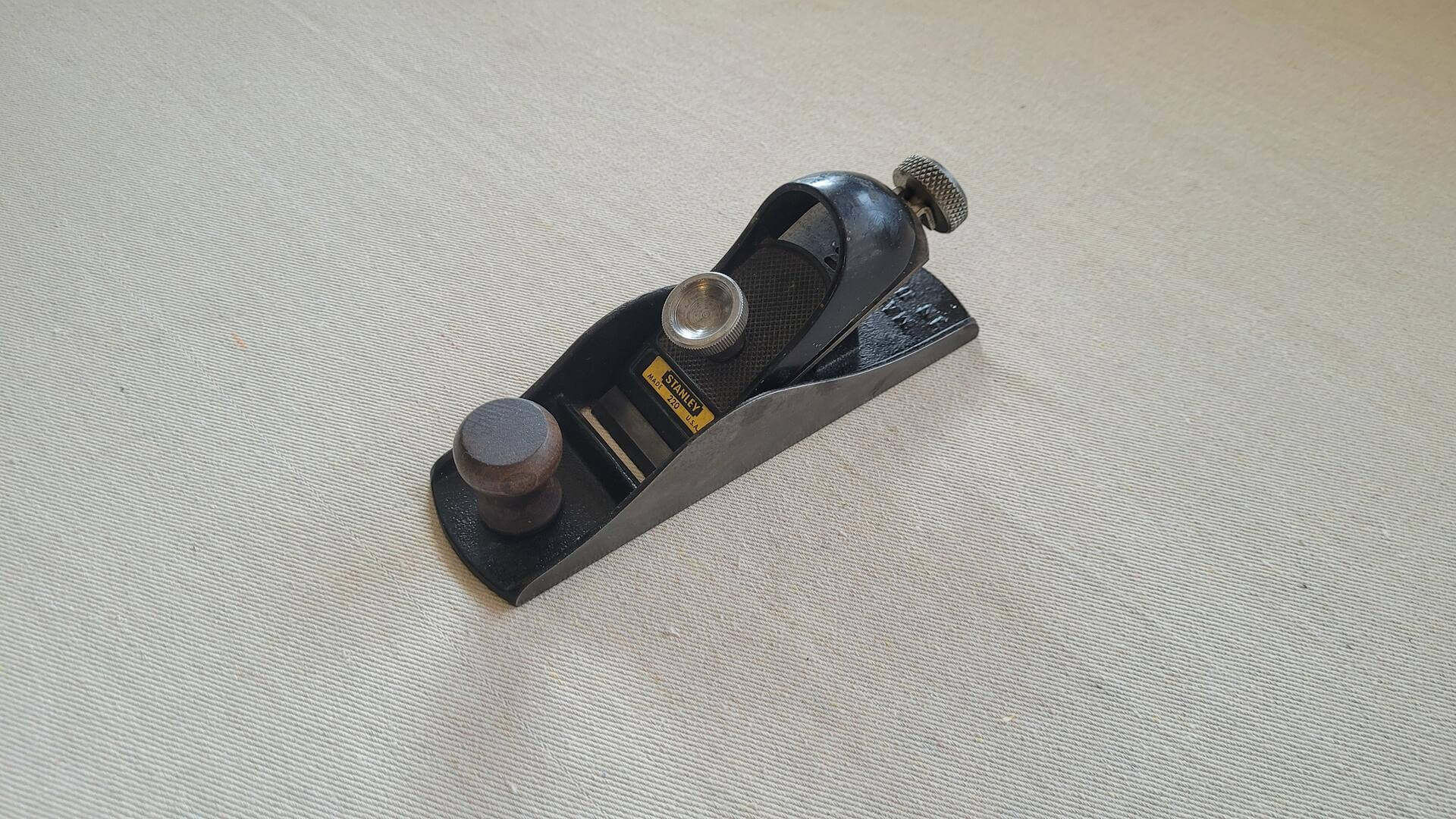
Finding a tool’s country of origin is usually straightforward. Look at the product packaging, the tool itself, or the product page online. Many Stanley tools include a "Made in [country]" mark or a factory code.
Tips to check origin:
- Check the handle, blade, or backplate for a stamped country name.
- Read the box label or retail listing for country information.
- Use SKU numbers—some retailers list origin in the full product description.
- Contact customer service with the model number for confirmation.
If origin matters for you, always verify before buying. Sellers may not always list origin clearly, so take an extra minute to confirm.

Buying tips: choosing the right origin for your needs
Decide what you need from a tool before focusing on origin. Here are practical tips:
- For light home use, many overseas-made Stanley tools are durable and cost-effective.
- For demanding job-site use, look for professional lines or models that list U.S. or European origin.
- Compare warranties and return policies—these matter more than origin sometimes.
- Buy from reputable dealers to avoid counterfeits and mislabeling.
- Read recent user reviews to catch quality or consistency issues by batch.
In my shop, I mix lines. I keep budget Stanley tools for everyday chores and invest in higher-end or locally made items for heavy work.
Sustainability, labor, and ethics
Global manufacturing raises questions about labor and the environment. Stanley claims to follow company-wide standards for responsible sourcing and workplace safety. However, conditions can vary by factory and region.
What to consider:
- Look for company statements on supplier responsibility.
- Seek independent audits and certifications when possible.
- Remember that a country label doesn’t guarantee ethical practices—check corporate policies and recent reports.
Transparency is improving across industries, but it pays to stay aware and ask questions if ethics matter to you.
Personal experience and practical observations
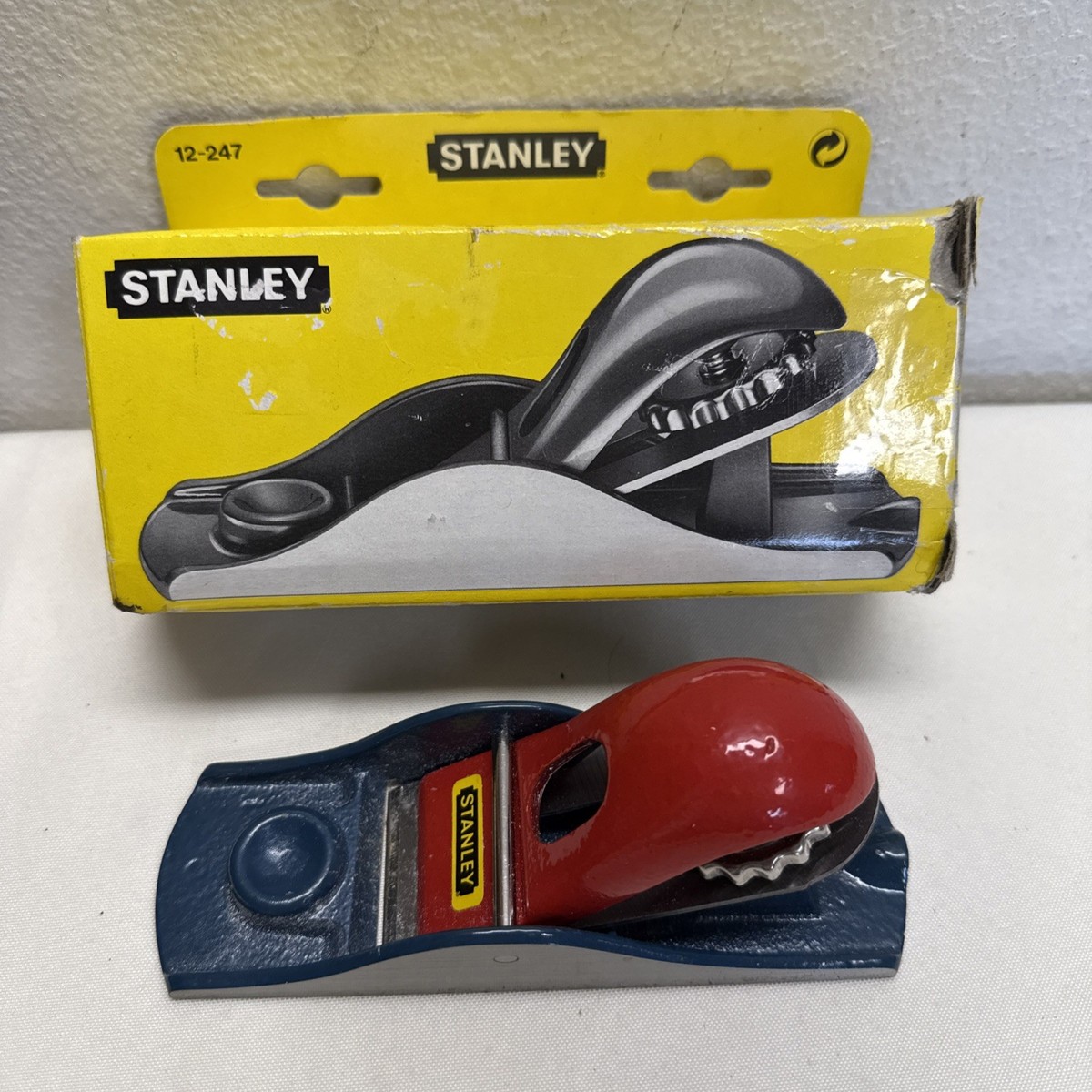
I’ve used Stanley tape measures, wrenches, and screwdrivers over many years. Here’s what I learned:
- Tape measures are often consistent, regardless of origin. I had both U.S.-marked and Asian-made models that lasted years.
- Some hand tools with “Made in USA” stamps had finer finishing and slightly better tolerances, useful for tight jobs.
- Batch variation happens. Even the same model can feel different across purchases.
- Buying from stores with good return policies saved me time when a particular unit felt off.
A practical rule: match the tool to the task. For one-off home jobs, an overseas-made Stanley tool usually works great. For everyday professional use, consider higher-tier or specific origin lines.

Common myths and misconceptions
People often ask if tools made in one country are always superior. That’s not true. Manufacturing standards, material specs, and quality control matter most. Here are quick clarifications:
- Myth: All U.S.-made tools are best. Reality: Many non-U.S. plants produce excellent tools under strict specs.
- Myth: "Made in China" means cheap junk. Reality: Many reliable, well-tested models are produced in China under brand guidelines.
- Myth: Country of origin equals warranty. Reality: Warranty terms usually apply globally, regardless of origin.
Focus on the brand line, material specs, and user reviews rather than origin alone.

PAA-style questions you might search for
Are Stanley tools made in the USA? Many Stanley tools are made in the USA, but most production is global and varies by line. Check product labels and listings for specifics.
Is a Stanley FatMax made in China? Some FatMax models are made in China, Taiwan, or Mexico. Origin depends on the exact model and production run.
Do Stanley tools hold up compared to other brands? Stanley tools generally offer good value. Premium lines and professional models compete well with other top brands, depending on the product.
Frequently Asked Questions of where are stanley hand tools made
Where are Stanley hand tools manufactured today?
Stanley manufactures hand tools in multiple countries, including the United States, China, Taiwan, Mexico, and India. The exact country depends on the product line and model.
Are Stanley tools made in the USA higher quality?
Some U.S.-made Stanley tools show finer finishing and tighter tolerances, but overall quality depends on the model, materials, and factory controls. Many overseas-made tools meet the same design and testing standards.
How can I verify where a specific Stanley tool was made?
Check the tool’s marking or the box label for a "Made in" statement, look at the online product description, or call customer service with the model number. Retailers sometimes list country of origin in their item details.
Do warranties differ by country of manufacture?
Warranties are usually set by the brand and apply worldwide, regardless of where a tool was made. Always read the warranty terms for exceptions and claim procedures.
Should I prefer a Stanley tool made in a specific country?
Choose based on your needs. For occasional home use, origin is less critical. For heavy professional use, look for higher-tier models and check origin if finish and fit are priorities.
Conclusion
Stanley hand tools are made in many countries. Country of origin matters for some buyers, but design specs, quality control, and the specific product line matter more. Verify the origin when it matters to you, and balance cost with intended use.
Takeaway: match the tool to the task, check labels or listings, and buy from trusted sellers. If you found this useful, leave a comment, share your experience, or subscribe for more buying and tool-care tips.