

Nearly every hand or power tool requires precautions to prevent injury and protect property.
I’ve worked with tools for years and taught safety workshops, so I know which tools truly demand caution. This article answers what hand or power tool requires that you take precautions, explains the risks, and gives clear, practical steps you can use today to work safer. Read on for expert tips, real-world examples, and a checklist you can follow before you pick up any tool.
Why precautions matter
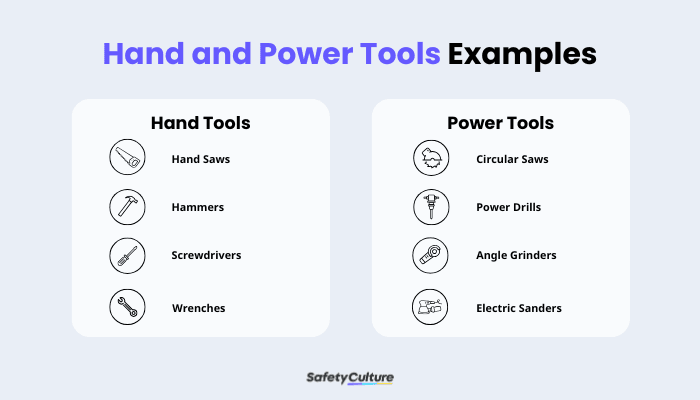
When you ask what hand or power tool requires that you take precautions, the best answer is that all of them do — but some more than others. Tools can cut, burn, crush, electrocute, or throw objects at high speed. A small lapse in attention can cause serious injury or costly damage.
Safety reduces accidents, saves time, and protects your reputation. Tradespeople and DIYers who treat safety as part of the job finish faster and with fewer setbacks. I’ll show practical precautions that match each tool’s risks so you can apply safeguards without slowing workflows.
Which hand and power tools require the most precautions
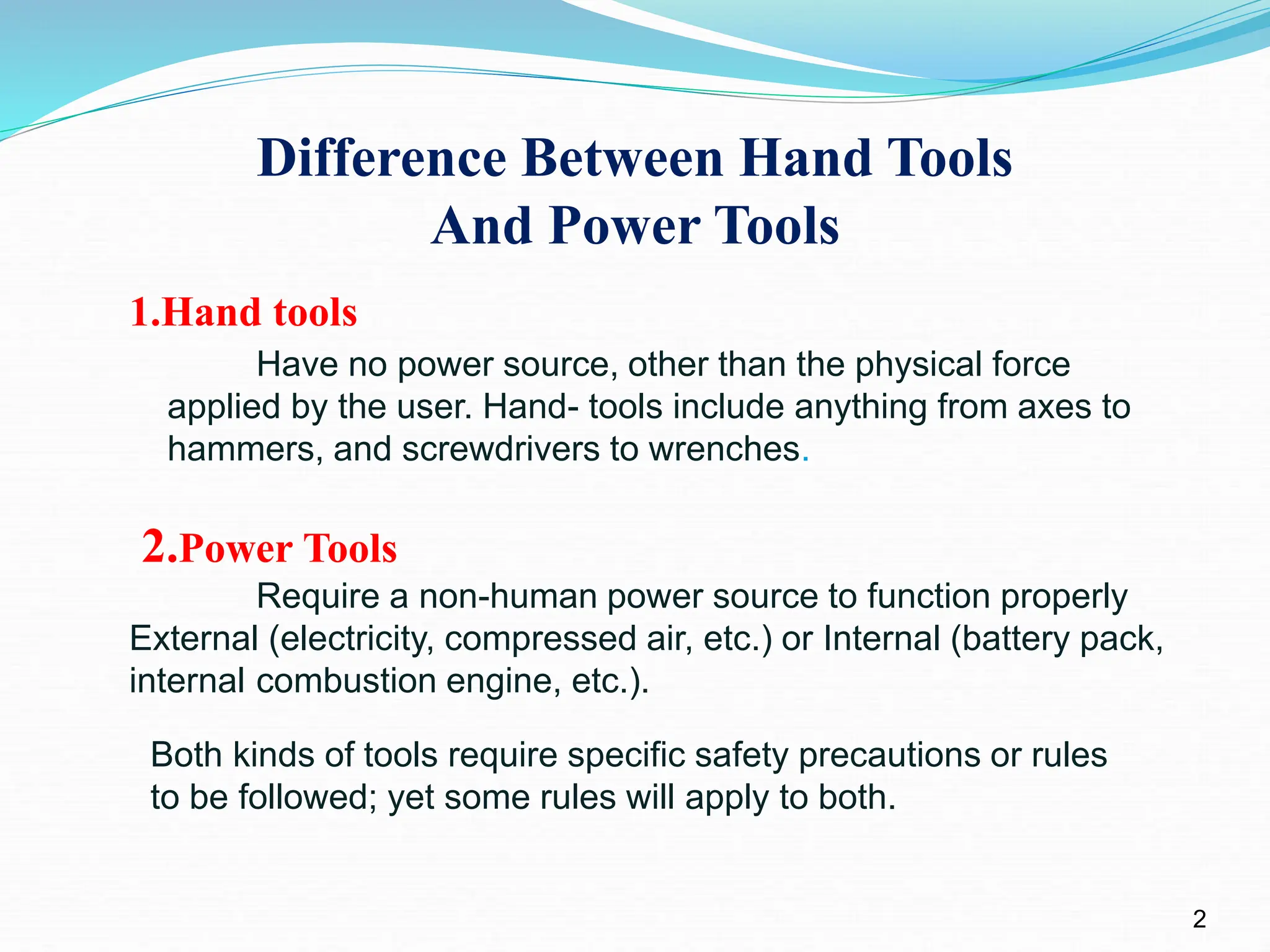
When evaluating what hand or power tool requires that you take precautions, prioritize tools with high energy, speed, or force. Below are common culprits and the key hazards to respect.
Table saw
- Hazards: blade kickback, amputations, flying kickback material.
- Precautions: use blade guards, push sticks, riving knife, and never remove safety features.
Circular saw
- Hazards: blade contact, binding, sawdust in eyes.
- Precautions: clamp material, keep blade sharp, use both hands and eye protection.
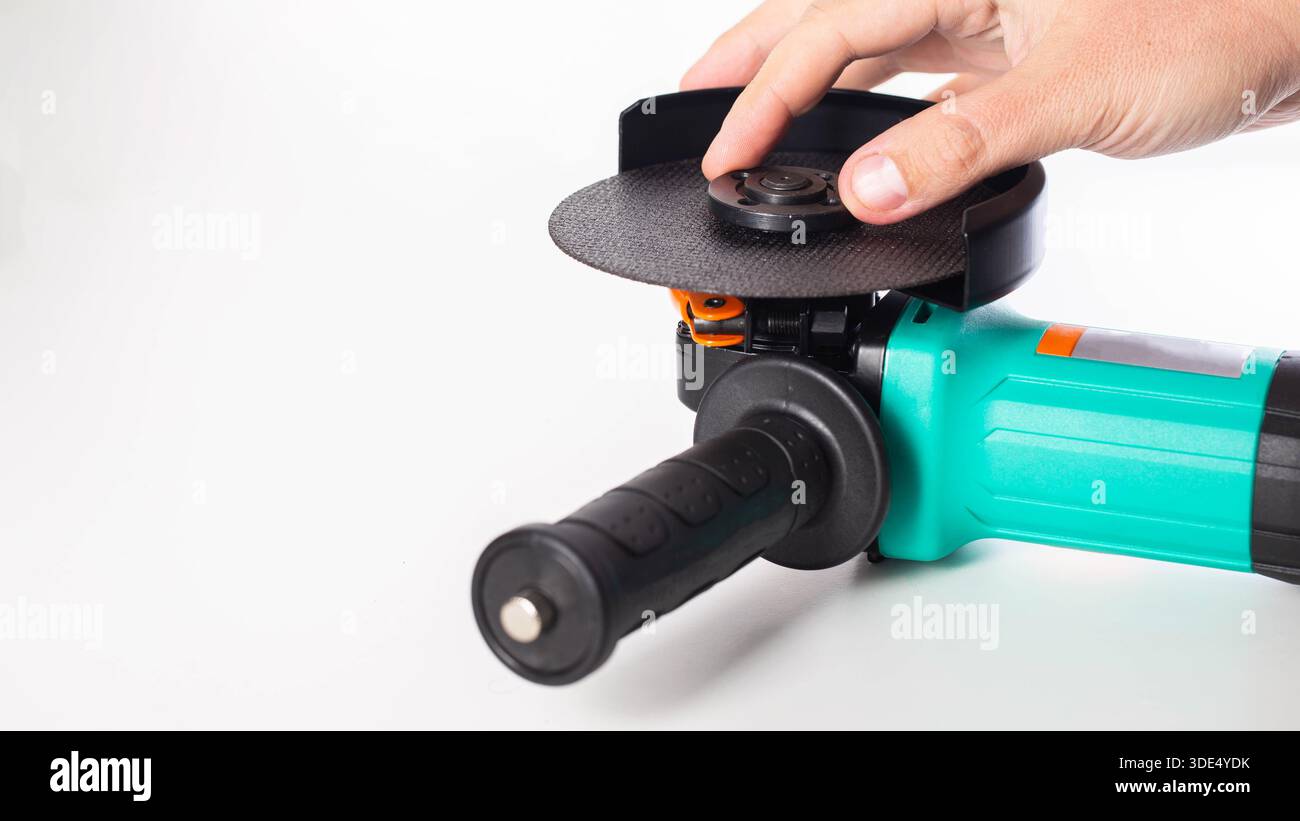
Angle grinder
- Hazards: disc shatter, sparks, abrasive dust.
- Precautions: use correct disc, guard in place, face shield, and spark containment.
Chainsaw
- Hazards: kickback, deep cuts, loud noise, vibration injuries.
- Precautions: chaps, helmet with face shield, two-handed grip, and kickback-aware technique.
Nail gun
- Hazards: accidental discharge, penetrating injuries.
- Precautions: use sequential triggers, disconnect when not in use, and never point at people.
Bench grinder
- Hazards: wheel burst, eye injuries, sparks.
- Precautions: wheel inspection, guards, eye and face protection, tool rest adjustment.
Router and shaper
- Hazards: bit ejection, loud noise, wood tear-out.
- Precautions: firm hold, correct bit speed, use dust extraction and guards.
Power drill and impact driver
- Hazards: bit breakage, catching, wrist injury.
- Precautions: select correct bit, secure workpiece, use steady pressure and proper speed.
Reciprocating saw
- Hazards: uncontrolled cutting, kickback.
- Precautions: secure material, use blade for material, steady control and clear cut path.
Utility knife and chisels (hand tools)
- Hazards: slips and cuts.
- Precautions: cut away from body, keep blades sharp, use control and stable surfaces.
Each tool above answers what hand or power tool requires that you take precautions because each has unique failure modes. Treat each tool with respect and use the right PPE and procedures.

Personal experience: mistakes and lessons
Early in my career I underestimated the angle grinder. I removed the guard to make a tricky cut and the wheel shattered. I walked away with bruises and a lesson: safety features exist for a reason. Since then I always follow the tool’s manual, inspect guards, and replace worn discs.
Another time with a table saw I relied on raw skill instead of a push stick. The workpiece kicked back and left a deep scar on the cabinet frame. The fix took hours. Now I use jigs, featherboards, and never fight the saw. These experiences informed my daily checklist.
Basic precautions to apply to every tool
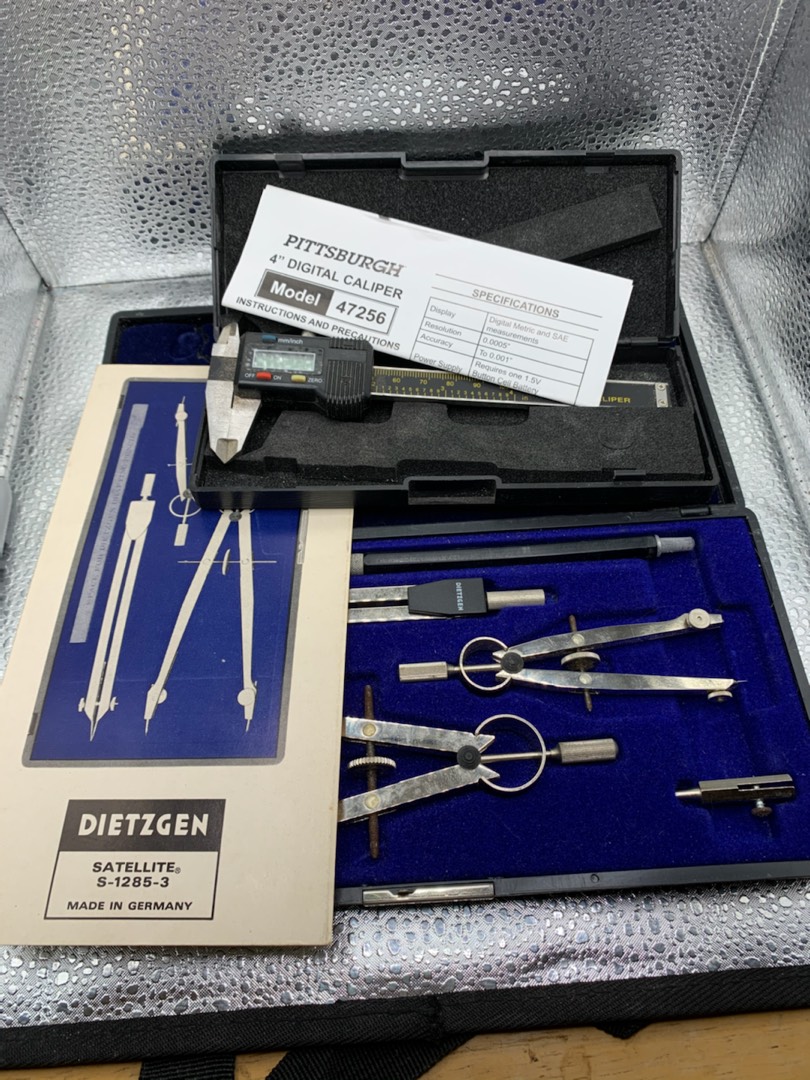
When you think about what hand or power tool requires that you take precautions, remember a small set of universal guards and habits prevents most accidents.
- Personal protective equipment
- Use eye protection, hearing protection, gloves where appropriate, and dust masks or respirators for fine dust.
- Pre-use inspection
- Check cords, guards, blades, and fasteners before every use.
- Secure the workpiece
- Clamp or stable support avoids slips and unexpected motion.
- Use the right tool for the job
- Don’t force a tool to do something it wasn’t made to do.
- Maintain sharpness and calibration
- Dull blades and loose bits increase risk and reduce control.
These simple steps answer what hand or power tool requires that you take precautions: every tool benefits from inspection, PPE, and proper setup.

Selection, maintenance, and storage
Choosing the right tool reduces hazards before you even start. When deciding what hand or power tool requires that you take precautions, keep these in mind.
- Buy quality tools with safety features
- Look for guards, auto-stop brakes, and reputable safety certifications.
- Maintain tools regularly
- Clean, lubricate, and replace worn parts on schedule.
- Store safely
- Lock up powered equipment, secure sharp blades, and keep batteries charged in a safe place.
- Electrical safety
- Use GFCI on outdoor or damp locations and inspect cords for damage.
Good selection and maintenance lower the chance that a tool turns hazardous unexpectedly.
Safe work systems and training
Understanding what hand or power tool requires that you take precautions is only part of the equation. Creating systems and training is just as crucial.
- Standard operating procedures
- Write short step-by-step procedures for frequent tasks.
- Toolbox talks
- Brief safety reminders reduce complacency.
- Hands-on training
- Teach correct handling, trigger discipline, and emergency response.
- Emergency planning
- Keep first-aid supplies and know the nearest medical facility.
Well-trained teams are safer teams. Invest time in teaching and practicing safe methods.

Practical safety checklist you can use now
Before using any tool, run this quick checklist to answer what hand or power tool requires that you take precautions for your current task.
- Inspect the tool and power source.
- Confirm guards and safety features are attached.
- Put on necessary PPE.
- Secure the workpiece and clear the area.
- Test run at low speed if possible.
- Keep a stable stance and two-handed grip when required.
- Disconnect power before changing blades or bits.
This checklist comes from years of field experience and prevents most common incidents.
Common questions you should ask yourself (in-line answers)
When you pick up a tool, ask: Is this the right tool and condition for this job? If you doubt either, stop and reassess. Ask: What could fail and what happens if it does? That thinking stops risky choices. These short questions help you internalize what hand or power tool requires that you take precautions every time you work.
Frequently Asked Questions of what hand or power tool requires that you take precautions
What are the top three most dangerous power tools?
Table saws, chainsaws, and angle grinders often top injury reports due to high energy and potential for severe cuts. Proper guards, PPE, and technique reduce risk dramatically.
Do hand tools require the same level of precautions as power tools?
Hand tools can still cause serious injury, though power tools use more force. Use sharp blades, stable work surfaces, and focused attention with both types.
How often should I inspect and maintain my tools?
Quick visual checks should happen before each use; deeper maintenance monthly or per manufacturer guidance. Replace worn parts immediately.
Is PPE always required when using power tools?
Yes; at minimum, eye protection is essential. Additional PPE like hearing protection, gloves, and respirators depend on the tool and task.
What should I do if a tool kicks back or binds?
Stop immediately, release the trigger, and stabilize the workpiece before restarting. Assess and correct the cause such as dull blade, improper feed, or loose material.
Can safety features be disabled for convenience?
Never disable guards or safety interlocks. Shortcuts lead to accidents that cost far more time and pain than the convenience saved.
When should I get formal training to use a tool?
If a tool spins fast, has a large blade, or is used for professional work, get training before use. Hands-on supervised practice builds safe habits fast.
Conclusion
Treating tools with respect is the simplest way to avoid accidents and improve results. Remember what hand or power tool requires that you take precautions: every tool needs inspection, the right PPE, and correct technique. Use the checklist, follow training, and never remove safety devices for convenience. Start applying these steps today, share this guide with coworkers or friends, and comment below with your safety questions or experiences — I’ll respond with practical advice.