
Cuts and lacerations are the most common hazard when using hand tools.
I have spent years working with tools on job sites and in workshops. I know the risks, the small mistakes, and the simple fixes. This article breaks down what's the most common hazard when using hand tools, why it happens, and how to stop it. Read on for clear steps, real examples, and easy checks you can use today to stay safe.

Why cuts and lacerations are the most common hazard when using hand tools
Cuts happen fast. A slip, a dull blade, or the wrong grip can put a sharp edge into skin. Hand tools like knives, chisels, utility blades, and even screwdrivers cause most of these injuries. When people ask what's the most common hazard when using hand tools, cuts and lacerations top the list again and again.
Human error and simple physics explain this. Hands are close to sharp edges. Force plus motion equals risk. Add fatigue or distraction and the odds rise. Recognizing that cuts are the main hazard helps focus prevention where it matters most.

Other frequent hazards when using hand tools
Cuts are common, but they are not the only danger. Be aware of these related risks.
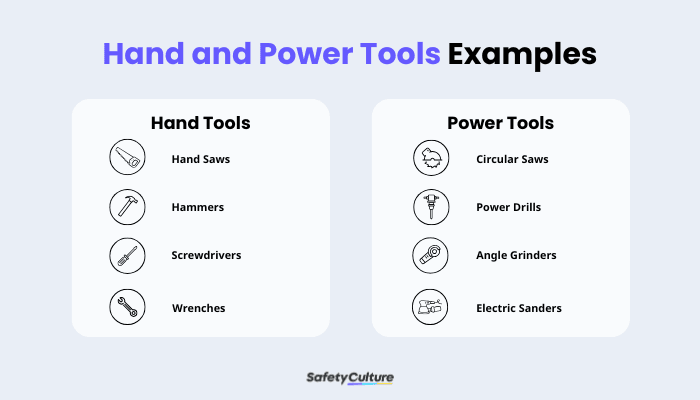
- Punctures and impalements. Pointed tools like awls and nails can go through skin.
- Strains and sprains. Repetitive motion and poor posture cause muscle injuries.
- Bruises and crush injuries. Hammers, mallets, and slipped pliers can pinch or crush.
- Eye injuries. Chips and flying debris can harm eyes without protection.
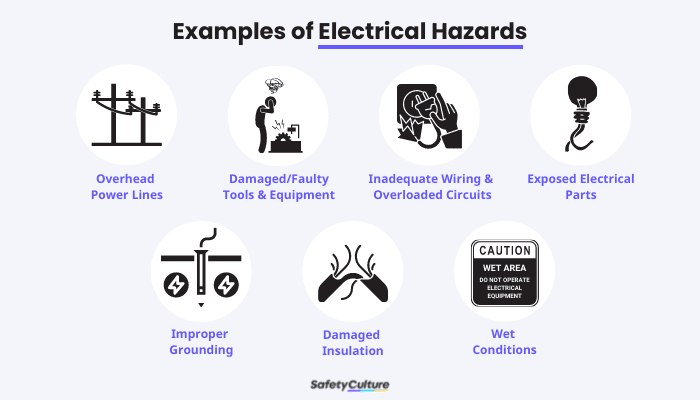
- Electrocution. Using metal hand tools near live circuits can shock the user.
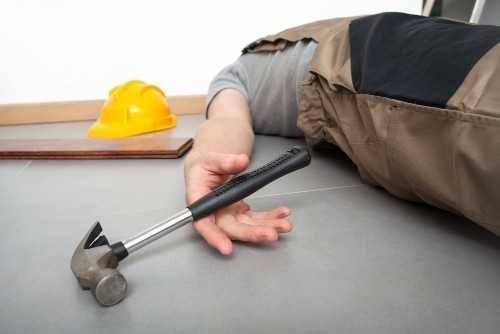
These hazards often occur together. When someone asks what's the most common hazard when using hand tools, remember that cuts often lead to other problems. A deep cut can cause infection, long downtime, or worse.

Common causes and risk factors
Understanding why cuts happen helps prevent them. Here are the main causes.
- Dull blades. Dull tools require more force and slip more easily.
- Wrong tool for the job. Using pliers as a hammer or a screwdriver as a chisel increases risk.
- Poor grip and control. Wet, oily, or gloved hands reduce stability.
- Lack of PPE. No gloves, no eye protection, and no first-aid plan raise injury severity.
- Fatigue and distraction. Tired hands and wandering attention cut reaction times.
- Bad workspace layout. Cluttered benches make slips and trips more likely.
When people ask what's the most common hazard when using hand tools, these causes often appear. Fixing them removes most of the risk.

Prevention: best practices and safe handling
Prevention is simple. Do the basics well.
- Choose the right tool. Match the tool to the task every time.
- Keep tools sharp. A sharp blade is safer and needs less force.
- Use the correct grip. Keep fingers away from cutting edges and pinch points.
- Stabilize the work. Clamp or brace materials instead of holding them by hand.
- Wear proper PPE. Cut-resistant gloves and safety glasses reduce harm.
- Work with focus. Take breaks to avoid fatigue and stay alert.
- Store tools safely. Place sharp tools in sheaths or toolboxes when not in use.
Practicing these steps daily cuts down injuries. If you wonder what's the most common hazard when using hand tools, prevention answers the question.
Tool inspection and maintenance
Keeping tools in top shape prevents many accidents.
- Inspect before use. Look for cracks, loose handles, or chipped blades.
- Replace damaged tools. Don’t try to repair a worn-out handle with tape alone.
- Clean tools after use. Remove debris and dry metal to prevent rust.
- Sharpen blades correctly. Use the right stones and angles for each tool.
- Lubricate moving parts. Hinges and joints should move smoothly.
I learned this the hard way. On one job I used a poorly maintained plane. The blade slipped and nicked my thumb. After that I started a quick inspection routine that saved time and pain.
Training, PPE, and workplace controls
Training reduces risk more than rules alone.
- Teach safe techniques. Show correct cuts, grips, and postures.
- Run short refreshers. A five-minute safety brief before work helps.
- Enforce PPE use. Make gloves and glasses standard for risky tasks.
- Use engineering controls. Guards and jigs keep hands away from danger.
- Encourage reporting. Small issues fixed early stop bigger accidents.
When teams know why cuts are common, they follow safer habits. That’s how you answer what's the most common hazard when using hand tools with action, not just words.
Personal experience: lessons from the field
I have seen small mistakes cause big trouble. Once, a co-worker used a utility knife without replacing the dull blade. He pressed harder, the knife slipped, and the cut took weeks to heal. We now keep a stash of blades and a rule: change blades when cutting becomes hard.
A second lesson came from rushing. Tight schedules led to rushed cuts. We started a "slow for safety" rule. Work that started slow stayed safe and finished on time. Simple changes like these matter.

Quick checks and a simple safety checklist
Use this short checklist before any hand-tool task.
- Is the tool right for the job?
- Is the blade or edge sharp and intact?
- Is my grip solid and my work stable?
- Am I wearing gloves and eye protection?
- Is the workspace clear and well-lit?
Following this list stops many cuts and related injuries. It also answers what's the most common hazard when using hand tools by preventing it.
People also ask (PAA-style questions)
Why are cuts so common with hand tools?
Cuts are common because hands are close to sharp edges and tools often require force. Small slips or dull blades quickly cause lacerations.
Can gloves prevent all hand tool injuries?
Gloves reduce cuts and abrasions but do not stop crush injuries or entanglement. Choose the right glove type for the task.
How often should I inspect my hand tools?
Do a quick check before each use and a full inspection monthly for tools used daily. Replace damaged parts immediately.
Frequently Asked Questions of what's the most common hazard when using hand tools
What is the most common injury from hand tools?
Cuts and lacerations are the most common injury from hand tools. They happen from slips, dull edges, and wrong tool use.
Which hand tools cause the most cuts?
Knives, utility blades, chisels, and sharp-edged hand saws cause the most cuts. Improper handling raises the risk.
How can I stop cuts when using hand tools?
Use the right tool, keep edges sharp, clamp work, wear cut-resistant gloves, and avoid distractions. Simple habits prevent most cuts.
Are safety gloves always recommended?
Safety gloves are recommended for cutting and rough work. For tasks needing fine dexterity, use thin cut-resistant gloves instead.
When should I seek medical help for a hand cut?
Seek help for deep cuts, uncontrolled bleeding, or signs of infection. If a tendon or nerve may be harmed, get immediate care.
How does tool maintenance reduce hazards?
Well-maintained tools cut cleaner and need less force. That lowers slips and reduces the chance of cuts or other injuries.
Conclusion
Cuts and lacerations lead the list when answering what's the most common hazard when using hand tools. They happen fast but are mostly preventable. Start with the right tool, keep it sharp, use simple checks, and wear proper PPE. Take a moment to review your habits today. Make one small change—sharpen a blade, add a clamp, or use gloves—and you will reduce risk immediately. Share your experience, subscribe for more safety tips, or leave a comment about a lesson you learned on the job.