Where To Sell Hand Tools: Best Places To Get More Money
The best place to sell hand tools in the United States depends on the tool’s brand, condition, value, and your need for speed. Facebook Marketplace and local tool buyers work well for fast sales. eBay can reach more buyers for rare or branded tools. Pawn shops and tool dealers offer convenience, but often pay less.
Before listing anything, sort your tools, clean them, check their condition, and compare recent sold prices. A clear listing and fair price can make the difference between a quick sale and an item that sits for weeks.
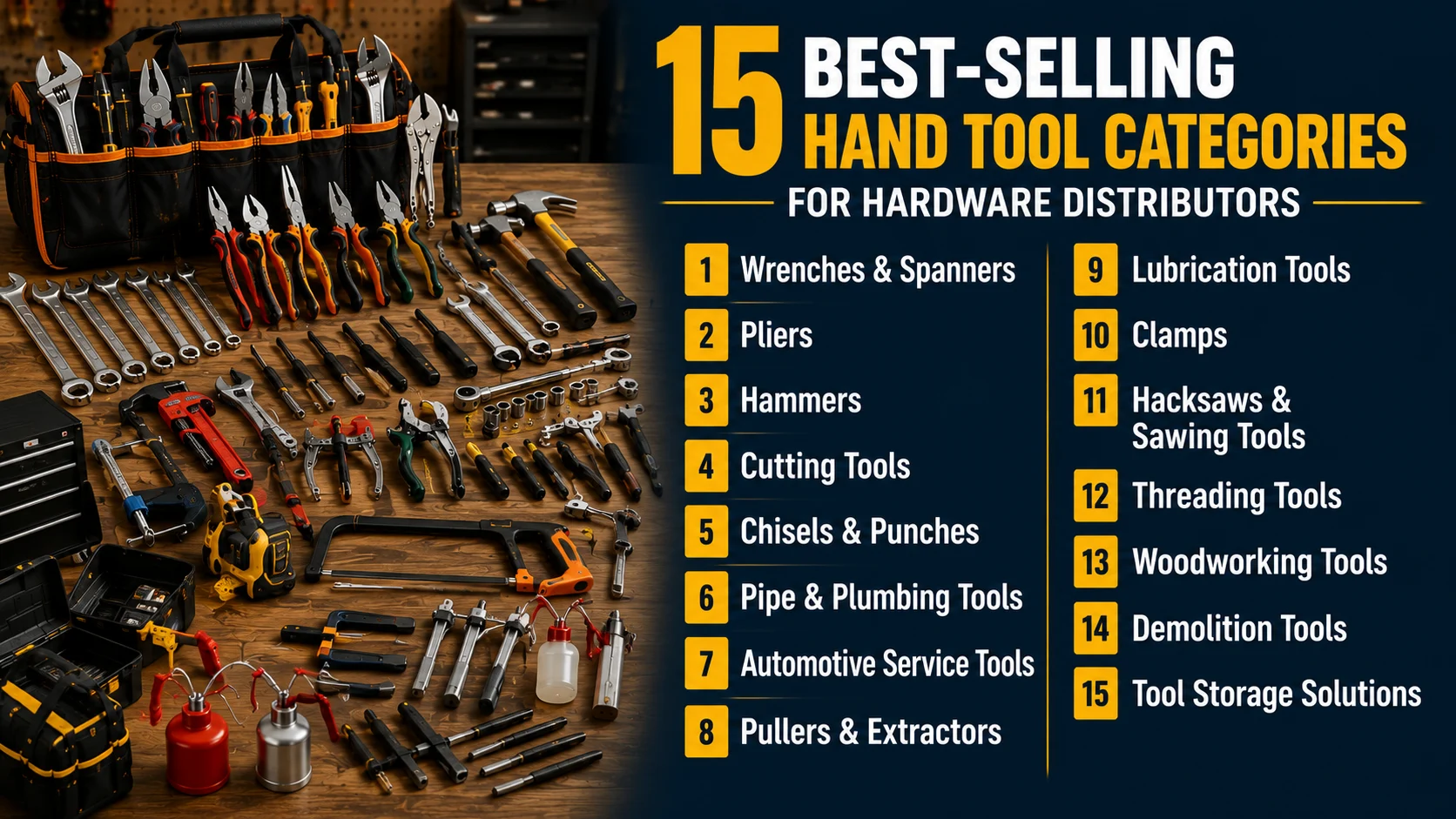
Choose the Best Place to Sell Your Hand Tools
The right sales channel depends on what matters most to you: price, speed, effort, or buyer reach.
| Sales option | Best for | Main benefit | Main drawback |
|---|---|---|---|
| Facebook Marketplace | Common tools and tool lots | Local buyers and no shipping | More messages and no-shows |
| eBay | Rare, branded, or vintage tools | Large buyer audience | Fees, packing, and shipping |
| Craigslist | Large tool lots and local sales | Simple local listings | Less buyer protection |
| OfferUp | Common tools and small lots | Easy local selling | Price-focused buyers |
| Pawn shops | Fast cash | Quick in-person offer | Usually lower payout |
| Tool dealers | Professional brands | Knowledgeable buyers | May buy only select brands |
| Consignment stores | Quality tools you can wait to sell | Less work for you | You receive money later |
| Garage or estate sale | Mixed low- to mid-value tools | Sell many items at once | Lower prices are common |
| Specialty auctions | Vintage, collectible, or shop equipment | Reaches serious buyers | Timing and fees vary |
Sell locally when speed matters
Local sales work well for toolboxes, large sets, heavy vises, bench grinders, and mixed lots. Buyers can inspect the tools before paying. You also avoid packing and shipping costs.
Facebook Marketplace is often a practical first choice for common hand tools. Craigslist and OfferUp can also work, especially when you offer a clear pickup location and a firm price.
Use eBay when the tool is rare or easy to ship
eBay may be better for older tools, discontinued models, premium brands, and items with a strong collector market. Search for the exact brand, model, size, and condition. Then filter for sold or completed listings when that option is available.
Do not rely only on active listings. Sellers may ask prices that buyers never pay. Sold listings give a more useful view of market value.
Consider a dealer or specialty buyer
A local tool dealer may buy professional brands such as Snap-on, Mac Tools, Matco, Proto, SK, Wright, or other recognized names. Some dealers may also know buyers for machinist, woodworking, automotive, or industrial tools.
A dealer can save time. However, the offer usually leaves room for the dealer’s operating costs and resale profit. Get more than one offer when the tools are valuable.
Use a pawn shop only when convenience is the priority
Pawn shops can provide a fast offer. They are most useful when you need money quickly and do not want to handle listings, meetings, or shipping.
The offer may be below private-sale value. A pawn shop must account for risk, storage, testing, and resale time. Ask whether the transaction is a direct sale or a pawn loan. The costs and repayment rules are different.
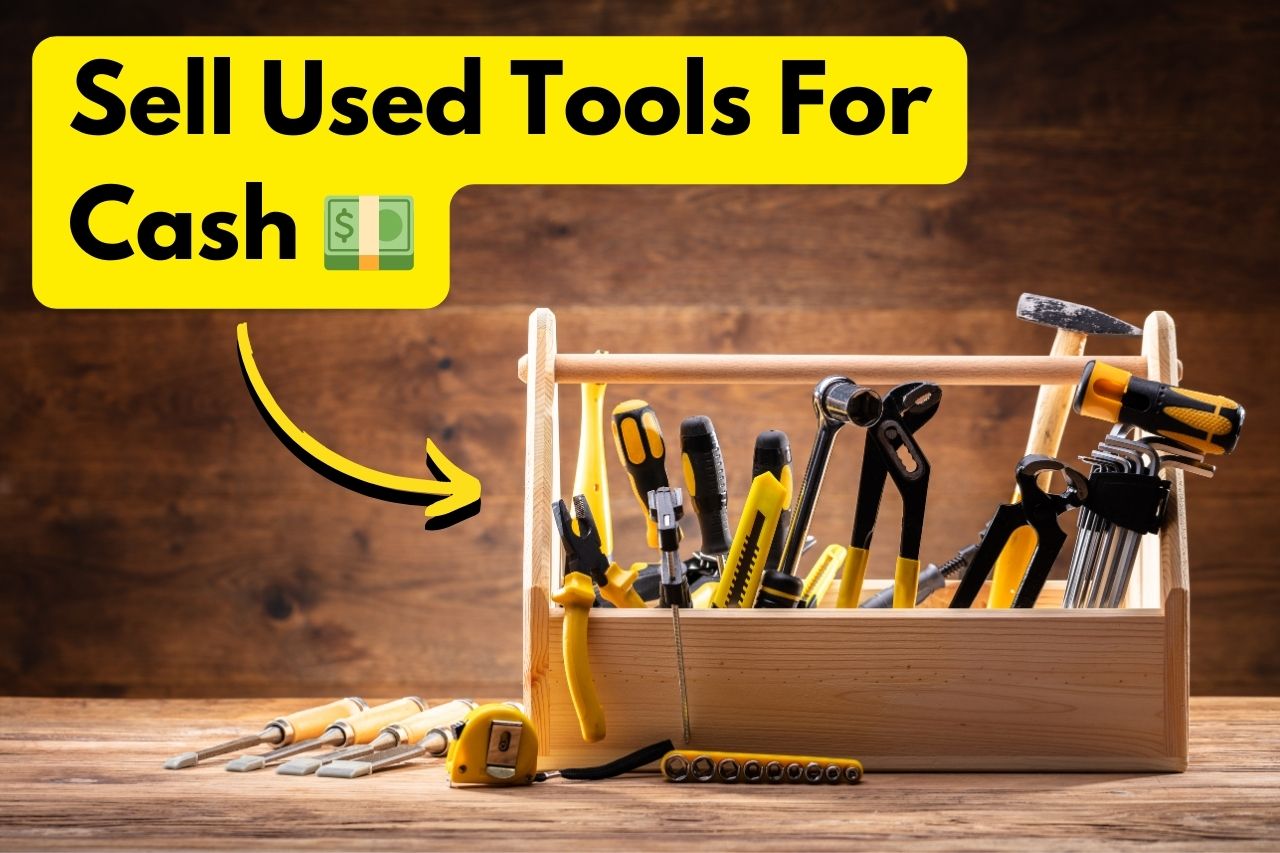
How Much Are Your Hand Tools Worth?
Your tools are worth what buyers will pay for the same item in similar condition. Brand, age, completeness, condition, and local demand all affect the price.
Check these value factors
Brand: Professional and respected brands often bring more money than unbranded tools. Brand alone does not guarantee a high price.
Model and size: The exact model may matter. A large pipe wrench, specialty socket, or unusual plier may attract a narrow but serious market.
Condition: Look for rust, worn jaws, damaged handles, stripped screwdrivers, missing parts, and rounded socket edges. Surface dirt is usually less serious than damage.
Completeness: A full socket set with its case and sizes may sell for more than the same sockets sold one at a time. Missing pieces can lower the value sharply.
Age and rarity: Older tools may interest collectors, especially if they have unusual markings, old packaging, or a known maker. Old does not always mean valuable.
Proof of ownership and authenticity: Clear markings, model numbers, and original packaging can help buyers trust the listing. Avoid claiming that a tool is rare unless you can support that claim.
Compare sold listings
Use this simple process:
- Write down the maker, model, size, and item type.
- Search the exact terms on eBay and other marketplaces.
- Review sold listings, not just current asking prices.
- Remove listings with different sizes, sets, or conditions.
- Compare the final prices with shipping included or excluded.
- Set your price based on condition and selling costs.
For local sales, compare local listings too. A tool may sell for less in one area than in another. Demand can be higher near auto shops, construction areas, farms, and industrial sites.
A simple pricing method
Suppose similar tools sell for $80 online. Your set has light rust and is missing one socket. Shipping, packing, and selling fees may reduce your net amount.
A practical asking price might be below a complete, clean set. If you want a quick sale, price near the lower end of recent sold examples. If you can wait, start somewhat higher and reduce the price after several days without serious interest.
Do not confuse the sale price with your payout. Your estimated payout is:
Sale price − selling fees − shipping − packing costs − discounts = estimated payout
Fees differ by platform, category, account, and payment method. Check the current fee page before you list.

Prepare Hand Tools Before You List Them
Clean, sort, and test your tools before taking photos. Preparation helps buyers judge the item and can prevent disputes.
Clean the tools safely
Remove loose dirt with a dry brush or cloth. For many steel tools, a mild cleaner and light surface treatment may help. Do not use a harsh chemical unless you know it is safe for the tool’s finish and handle.
Avoid polishing away maker marks or original surfaces on vintage tools. Collectors may prefer honest, original condition over aggressive restoration.
Dry tools fully before storing or packing them. Moisture can worsen rust during a shipment or a long listing period.
Check function and damage
Test moving parts when it is safe to do so. Check:
- Pliers for smooth movement and aligned jaws
- Wrenches for cracks, bends, or spread jaws
- Screwdrivers for damaged tips and handles
- Ratchets for smooth direction changes
- Sockets for cracks and worn drive ends
- Hammers for loose heads or split handles
- Files for broken tangs or unsafe handles
- Measuring tools for damaged blades or unreadable marks
Do not sell a tool as ready for use if it has a safety problem. State the issue clearly. Some damaged tools are better sold as parts, restoration projects, or scrap.
Group tools in a way that helps buyers
Sell a complete, matched set together when possible. A socket set with its case is easier to understand than a pile of loose sockets.
For mixed tools, create useful groups. Examples include:
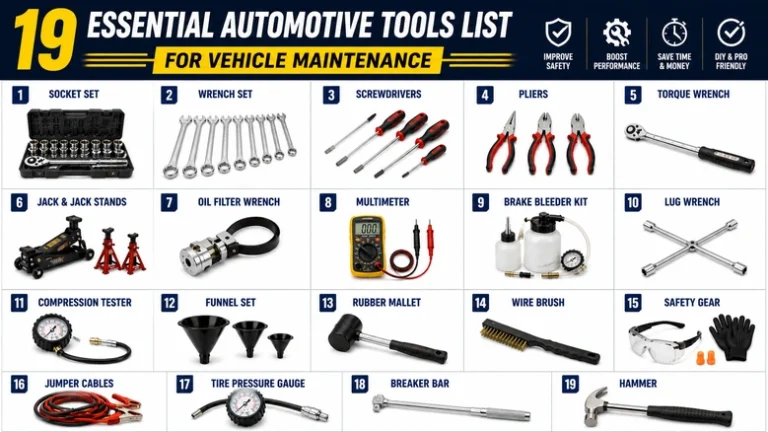
- Automotive hand tools
- Woodworking tools
- Plumbing tools
- Electrical hand tools
- General household tools
- Vintage shop tools
Avoid combining unrelated items just to make a large lot. A focused lot helps the right buyer find it.
Create a Listing That Builds Trust
A strong listing answers the buyer’s basic questions before they ask. Use plain facts instead of broad claims such as “like new” or “rare.”
Write a complete title
Include the brand, tool type, model, size, and condition.
A useful title might read:
Proto 3/8-Inch Drive Ratchet, 72-Tooth, USA, Used, Good Condition
Do not add a model number unless you have checked it. An incorrect number can send the listing to the wrong buyers.
Take clear photos
Use daylight or bright indoor light. Show the whole tool, markings, wear, and any damage.
For a set, photograph the full layout and then show missing or worn pieces. Include close photos of:
- Brand marks
- Model numbers
- Size stamps
- Rust
- Jaw wear
- Cracks
- Bent parts
- Damaged handles
- Cases and accessories
Do not hide defects with angles or heavy editing. Accurate photos reduce returns and complaints.
Describe condition with specific terms
Use phrases such as:
- New in package
- Unused, packaging opened
- Used with light wear
- Used with surface rust
- Heavy wear but functional
- For parts or repair
- Missing one or more pieces
Say what you tested. For example, “The ratchet changes direction and turns, but the finish has scratches.” That is more helpful than “works great.”
State pickup, shipping, and payment terms
For local listings, include:
- General pickup area
- Available days and times
- Whether the price is firm
- Whether you will sell items separately
- Accepted payment methods
- Whether the buyer must bring help for heavy items
For shipped orders, measure and weigh the packed item. Do not guess. Oversized or heavy tools can cost more to ship than expected.

How to Sell Hand Tools Safely
Use basic safety steps for both online and in-person sales. A tool sale is not worth risking your money or personal safety.
Protect yourself during local meetings
Meet in a public place when possible. Some police departments offer safe exchange locations. Bring another person for valuable items or large tool lots.
Do not invite an unknown buyer into your home unless there is no practical alternative. If a buyer must visit, move the tools to a garage or other visible area and tell someone when the meeting will occur.
Accept payment only after you confirm that it is complete. Be cautious with overpayments, fake payment notices, checks, and requests to send money back.
Watch for common marketplace scams
Warning signs include:
- A buyer offers more than your asking price
- A buyer sends a payment screenshot instead of confirmed funds
- A buyer asks you to buy gift cards
- A buyer wants to use a courier but will not explain the payment
- A buyer pressures you to ship before payment clears
- A buyer asks for account passwords or verification codes
- A buyer refuses normal platform communication
Keep messages and payment records. Do not share a one-time code sent to your phone or email.
Pack tools to prevent damage
Wrap sharp edges and heavy parts. Use a strong box with enough space for cushioning. Prevent tools from moving inside the package.
For a heavy tool lot, use smaller boxes when possible. One oversized box can cost more and may be harder for a carrier to handle. Photograph the packed item before closing the box.
Do not sell unsafe or counterfeit tools as genuine
If a tool has a cracked handle, loose head, broken locking part, or other serious defect, disclose it. If you suspect a tool is counterfeit, do not list it as an authentic brand item.
When you cannot confirm authenticity, describe only what you can verify. A false brand claim can lead to a return, account action, or legal dispute.
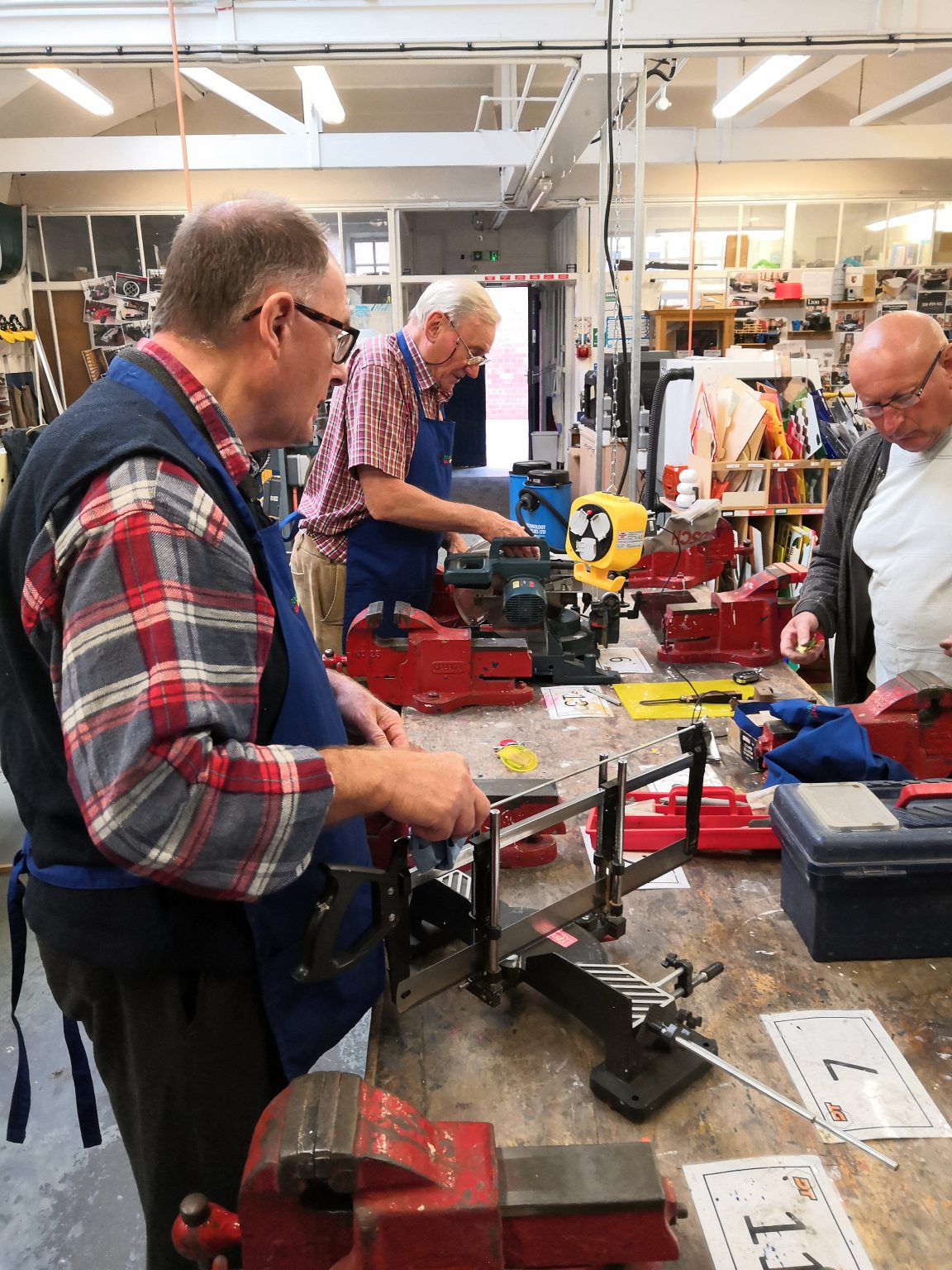
Local Sales or Online Sales: Which Is Better?
Local selling usually gives you speed and lower selling costs. Online selling can provide more buyers and a better chance of reaching someone who wants a rare item.
Local selling is usually best for
- Heavy tools
- Large toolboxes
- Mixed lots
- Low-value common tools
- Items that are costly to ship
- Buyers who want to inspect the item
A local sale may produce less money than a national listing. It can still produce more net money after you avoid fees, packing, and shipping.
Online selling is usually best for
- Rare tools
- Vintage tools
- Professional brands
- Complete sets
- Discontinued models
- Small items that are easy to pack
Online sales require more work. You must create the listing, answer questions, pack the item, track delivery, and handle possible returns.
A quick decision rule
Choose local sales when the tool is large, common, or difficult to ship. Choose online sales when the tool is compact, identifiable, and likely to attract buyers outside your area.
For a valuable item, compare the likely net payout rather than the headline sale price. A $100 online sale may leave less than a lower local offer after costs and effort.
Taxes, Records, and Selling Personal Tools
Selling personal tools can have tax effects, especially if you sell many items or operate as a business. Keep a basic record of what you sell, when you sell it, and the amount you receive.
The federal tax result may differ when you sell a personal item for more than you paid, sell it for less than you paid, or regularly buy tools to resell. Marketplace payment reporting rules can also change, and a tax form does not always determine your actual taxable income.
For current rules, review information from the Internal Revenue Service and your state tax agency. A tax professional can help if you sell tools often, run a repair or construction business, or have expensive equipment.
Keep these records:
- Original purchase information, if available
- Sale date
- Sale price
- Platform fees
- Shipping costs
- Buyer or order details
- Photos and written descriptions
- Any refund or return
Your state may also have rules for secondhand dealers, auction sales, or business activity. Check local requirements before making regular sales.
Common Mistakes to Avoid
Many tool sellers lose money through poor sorting, weak photos, or unrealistic prices.
Pricing from retail cost
A tool’s original retail price does not set its used value. Buyers care about current demand, condition, and completeness.
Listing every tool as a single item
Selling loose low-value tools one by one can take more time than the tools are worth. Bundle related items and make the lot easy to understand.
Hiding rust or damage
A buyer who discovers an undisclosed defect may request a refund or leave negative feedback. Honest details protect both sides.
Ignoring shipping weight
Heavy steel tools can have high shipping costs. Measure the packed box, not just the tool.
Accepting the first low offer
You do not need to accept every offer. Check recent sold prices first. You may also counter with a clear number and an expiration time.
Waiting too long to lower the price
If a listing receives views but no serious offers, the price or condition may be the issue. Improve the photos and description first. Then reduce the price if the market evidence supports it.
Selling a complete set in pieces without checking demand
A complete set may be worth more together. Break it apart only when individual pieces have strong demand or when the set is incomplete.
A Simple Plan for Selling Your Hand Tools
Use this checklist to move from a messy tool pile to a finished sale:
- Sort the tools by type, brand, and condition.
- Remove unsafe or broken items from normal listings.
- Clean them without damaging finishes or markings.
- Find model numbers and sizes.
- Check sold listings and local prices.
- Choose local, online, dealer, pawn, or auction sales.
- Set a price based on your expected net payout.
- Take honest photos from several angles.
- Write a specific title and condition report.
- Use safe payment and meeting practices.
- Keep records of the sale and related costs.
- Review the listing after several days and adjust if needed.
The best first step for most sellers is to list common tools locally and research valuable or unusual tools online. That approach balances speed with the chance of finding a better buyer.

Frequently Asked Questions
What is the best place to sell used hand tools?
For most common tools, Facebook Marketplace, Craigslist, and OfferUp are practical choices for local sales. For rare, vintage, or professional tools, eBay or a specialty dealer may reach better buyers. The best option depends on tool value, size, and shipping cost.
Will a pawn shop buy hand tools?
Many pawn shops buy tools, but each shop sets its own rules. They may favor recognizable brands, complete sets, and tools in working condition. Get several offers if the tools have meaningful value.
How can I sell a large tool collection?
A tool dealer, estate-sale company, auction service, or local marketplace may work. Separate valuable tools from common items before selling the collection as one lot. A single mixed lot is convenient but may attract a lower offer.
Should I sell hand tools individually or as a set?
Sell a complete, matched set together when buyers value the case and full range of sizes. Sell individual tools when the set is incomplete or when certain pieces have much stronger demand.
Do I need to clean old hand tools before selling them?
Usually, yes. Remove loose dirt and show the true condition. Do not over-restore vintage tools or remove maker marks. Buyers need to see both the tool’s strengths and its flaws.
How do I avoid scams when selling tools online?
Use the platform’s normal messages and payment process. Confirm funds in your own account. Do not accept overpayments, share security codes, or ship before payment clears. Meet in a public exchange area when possible.
Conclusion
You can sell hand tools through local marketplaces, online platforms, dealers, pawn shops, consignment stores, auctions, and garage sales. Local sales are often best for heavy or common tools. Online marketplaces are often better for rare, branded, vintage, or easy-to-ship items.
Start by sorting and inspecting your tools. Research sold prices, describe condition honestly, and compare your likely net payout after fees and shipping. A clean listing, fair price, and safe transaction process will give you the strongest chance of selling with fewer problems.
Recent Tool Guides
 Hammer
How To Hammer Flowers Onto Paper: Easy Guide
Learn how to hammer flowers onto paper with simple steps, helpful tips, and beautiful results for...
Read Guide → Wrench
How To Use A Hex Wrench: Easy Step-By-Step Guide
Learn how to use a hex wrench correctly with simple steps, helpful tips, and common mistakes...
Read Guide → Hacksaw
How To Cut Curtain Pole With Hacksaw: Easy Guide
Learn how to cut curtain pole with hacksaw safely and neatly. Follow simple steps for accurate...
Read Guide → Wrench
How To Use A Husky Torque Wrench: Easy Guide
Learn how to use a Husky torque wrench correctly with simple steps, torque settings, and safety...
Read Guide → Hammer
How To Hold A Hammer: Safe Grip Guide
Learn how to hold a hammer with the right grip, stance, and technique for safer, more...
Read Guide → Hacksaw
How To Cut Flexible Metal Conduit With Hacksaw: Easy Guide
Learn how to cut flexible metal conduit with hacksaw safely and cleanly. Follow simple steps for...
Read Guide →