What Is A Good Rule When Working With Hand Tools: Safe Use
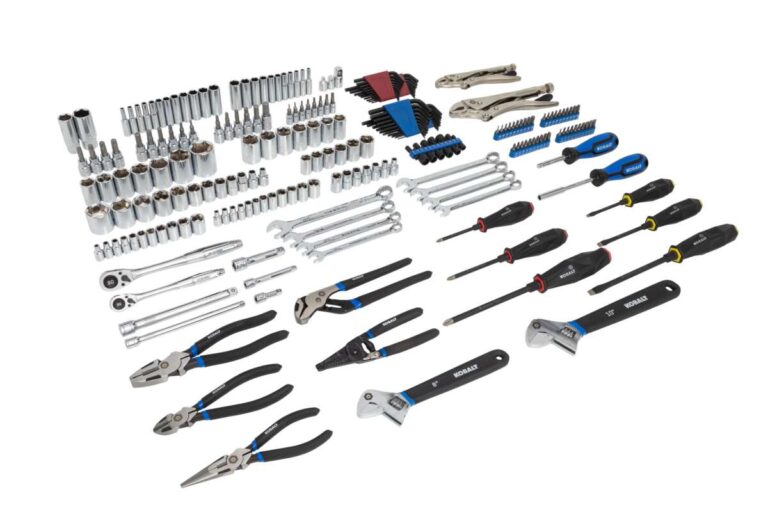
The best rule when working with hand tools is simple: use the right tool for the job, inspect it before use, and handle it as designed. In the United States, this basic rule supports the safety principles used by the Occupational Safety and Health Administration (OSHA): tools should be kept in safe condition, used for their intended purpose, and supported by suitable personal protective equipment (PPE).
A hammer is not a wrench. A screwdriver is not a chisel. A pocketknife is not a pry bar. Using the wrong tool can damage the work, break the tool, or send a sharp piece of metal toward your hand or face.
Why “Use the Right Tool for the Job” Matters
The right hand tool gives you better control and reduces the force needed to complete a task. That lowers the chance of slipping, pinching your fingers, straining a joint, or damaging the material.
For example, a wrench fits around a fastener and spreads force across its sides. Pliers grip an object but are not made to replace a wrench. If you use pliers on a tight bolt, the jaws may slip and round the bolt. Your hand may then strike a nearby surface.
A tool’s design also affects how force travels through it. A screwdriver has a narrow tip for turning a screw. Using it as a pry bar can bend the shaft or break the handle. A damaged tool can fail without warning.
OSHA’s hand-tool rule, 29 CFR 1910.242, requires employers to keep hand and power tools in safe condition. OSHA also states that employers must provide suitable PPE when workers face hazards from tool use.
Common examples
| Task | Suitable tool | Unsafe substitute |
|---|---|---|
| Turn a hex-head bolt | Correct-size wrench or socket | Pliers |
| Drive a nail | Hammer | The side of another tool |
| Turn a screw | Matching screwdriver or bit | Knife blade |
| Cut cardboard | Utility knife with a sound blade | Scissors used at an unsafe angle |
| Hold a small part | Pliers or a clamp | Bare fingers near a cutting edge |
| Remove a wood section | Chisel and mallet | Screwdriver used as a chisel |
The main lesson is practical: choose the tool that matches the fastener, material, size, and task.
The Basic Hand Tool Safety Rules
Using the right tool is the first rule, but safe hand-tool work also depends on inspection, control, and good work habits.
1. Inspect the tool before use
Look for damage before you start. Check the handle, head, jaws, blade, shaft, and grip.
Do not use a tool with:
- A cracked, loose, or missing handle
- A mushroomed striking head
- Bent jaws or a damaged cutting edge
- A loose blade
- A chipped or broken tip
- Excessive rust that affects strength or movement
- Oil, grease, or dirt on the grip
- A damaged locking feature
A wooden hammer handle with a crack can split under force. A chisel with a mushroomed end can send metal chips into the air when struck. A knife with a loose blade can shift during a cut.
Tag damaged tools and remove them from service. Do not place a dangerous tool back in a drawer where someone else may grab it.
2. Wear task-appropriate PPE
Eye protection is often the first line of defense when a tool can create chips, dust, sparks, or fragments. Use safety glasses with side protection when the task calls for them. Add a face shield when the work may send larger fragments toward your face, but do not treat a face shield as a replacement for safety glasses.
Other PPE depends on the hazard:
- Wear hearing protection when hand-tool work occurs in a loud area.
- Wear work gloves when they improve grip and protect against sharp edges.
- Do not wear loose gloves near moving equipment where they could catch.
- Wear sturdy, closed-toe footwear.
- Use respiratory protection only under a suitable workplace respiratory program when dust or harmful substances require it.
PPE cannot correct poor tool choice. It is the last layer of protection, not a substitute for safe work methods.
3. Keep a firm grip and balanced stance
Stand so you can control the tool if it slips. Keep both feet stable and avoid reaching across the work. Position your body so the tool moves away from your torso whenever possible.
Keep your free hand out of the tool’s path. This matters when using knives, chisels, saws, and punches. Hold small workpieces with a clamp or vise instead of placing your fingers close to the cutting line.
Do not use excessive force. If a tool does not work with normal pressure, stop and check the tool, fastener, or workpiece. More force may cause the tool to slip or break.
4. Keep tools clean, sharp, and in good repair
A clean tool is easier to hold and control. A sharp cutting tool usually needs less force than a dull one, although sharpening must be done with the correct method and equipment.
Do not carry a sharp tool in a pocket with the blade exposed. Cover sharp points and edges when storing or transporting tools. Keep tool handles dry and free from substances that make them slippery.
Lubricate tools only as directed by the manufacturer. Wipe away excess oil before use. Oil on a handle can turn a controlled task into a slip.
5. Use tools only as intended
Follow the tool maker’s instructions and use the tool for its designed purpose. A few common misuse examples include:
- Do not use a wrench as a hammer unless it was designed for striking.
- Do not use a screwdriver as a pry bar or chisel.
- Do not strike a hardened tool unless it is made for striking.
- Do not use a file without a proper handle.
- Do not use a knife toward your body.
- Do not use a damaged or improvised handle.
- Do not add a pipe or other extension to increase wrench leverage unless the tool maker allows it.
Improvisation often hides the real problem. A fastener may need penetrating oil, a larger tool, a different bit, or professional repair—not extra force.
How to Work Safely With Common Hand Tools
Different tools create different risks. The same basic rule applies, but the safest method changes with the tool.
Hammers and striking tools
Choose a hammer with the correct weight and face for the work. Keep the handle tight and free of cracks. Do not use a hammer with a loose head.
Keep your eyes on the point of contact. Hold the item with pliers or a tool holder when your fingers would be close to the strike. Wear eye protection if the hammer may create chips or break a brittle material.
Never strike one hardened tool against another unless the tools are designed for that use. Metal fragments can break away at high speed.
Screwdrivers
Use a screwdriver that fits the screw head. A poor fit can cause the tip to slip and damage the screw or your hand.
Keep the workpiece supported. Do not hold the item in your palm while pushing the screwdriver toward it. Place the item on a stable surface or secure it in a vise.
Do not use a screwdriver as a punch, chisel, scraper, or pry bar. Those tasks can bend the shaft or damage the tip.
Wrenches and sockets
Use the correct size. A loose wrench can slip and injure your knuckles. Pull the wrench toward you with a controlled motion when the work allows it, and keep your hand clear if the fastener suddenly releases.
Do not use a wrench with spread jaws or visible cracks. Keep adjustable wrench jaws properly fitted to the fastener. Avoid adding a pipe for leverage unless the manufacturer permits it.
Use a socket and ratchet when they provide a better fit and more control. Make sure the socket fully engages the fastener before applying force.
Knives and cutting tools
Use a sharp blade that matches the material. A dull blade often needs more pressure and is more likely to slip.
Cut away from your body and keep your other hand outside the cutting path. Retract or cover the blade as soon as the cut is complete. Replace blades according to the tool instructions and dispose of used blades in a puncture-resistant container.
Never try to catch a falling knife. Step back and let it fall.
Pliers and cutters
Select pliers for the task. Locking pliers, slip-joint pliers, long-nose pliers, and diagonal cutters are not interchangeable in every situation.
Keep your fingers away from the jaws and cutting edges. Do not use pliers to turn a fastener when a wrench is available. Do not extend the handles with a pipe unless the tool is designed for that use.
When cutting wire, control both ends. A short piece of wire can fly when cut, so eye protection may be needed.
Chisels, punches, and files
Use a vise or clamp to secure the work. Keep your hands behind the cutting edge. Inspect striking ends for mushrooming and remove damaged tools from service.
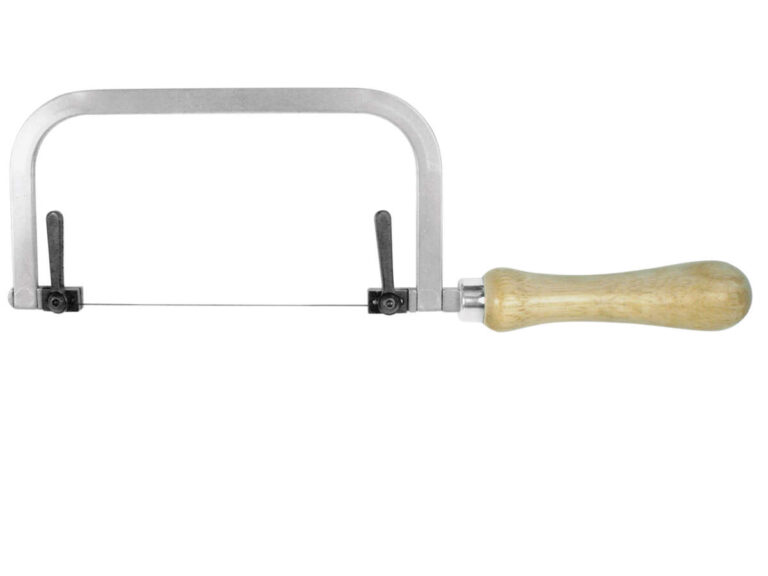
A file should have a secure handle. The tang—the pointed metal part that enters the handle—can cause a puncture injury if the handle is missing.
A Simple Hand Tool Safety Checklist
Use this short checklist before and during the job:
- Identify the task. Know what you need to cut, turn, strike, hold, or remove.
- Select the correct tool. Match the tool to the material and fastener.
- Inspect the tool. Look for cracks, loose parts, sharp damage, rust, and contamination.
- Inspect the work area. Remove clutter, improve lighting, and keep the floor dry.
- Secure the workpiece. Use a vise, clamp, or other suitable support.
- Put on required PPE. Start with eye protection when chips or fragments are possible.
- Set your body position. Keep stable footing and place your free hand away from the danger zone.
- Use controlled force. Stop if the tool slips, binds, bends, or fails to work normally.
- Clean and store the tool. Cover sharp edges and return tools to a safe storage place.
A good sign that the setup is safe is that you can see the work clearly, keep control of the tool, and complete the task without placing your hands in its path.
If the setup fails, stop rather than forcing the tool. Recheck the size, alignment, condition of the tool, and stability of the workpiece. If the task involves hidden electrical wiring, pressurized systems, structural parts, hazardous materials, or a repair beyond your training, get qualified help.
Common Mistakes to Avoid
Many hand-tool injuries come from small shortcuts rather than difficult jobs.
Using force to solve a tool-choice problem
Extra force does not make the wrong tool correct. It increases the chance of slipping, breaking the tool, or losing balance.
Holding the work in your hand
This is common during cutting, drilling preparation, filing, and striking. A vise or clamp gives the workpiece stability and keeps your fingers away from the hazard.
Working with poor lighting
A shadow can hide a cracked handle, a loose blade, or a misaligned fastener. Add light before starting instead of leaning closer to the work.
Leaving tools on the floor or edge of a bench
Tools can become trip hazards or fall onto someone below. Store them in a box, tray, rack, or drawer when they are not in use.
Carrying tools unsafely
Carry sharp tools with the point or blade facing down and away from your body. Use a tool bag or container when carrying several tools. Do not carry a sharp tool in your hand while climbing a ladder; use a hoist line or tool belt designed for that purpose.
Ignoring pain or numbness
Hand tools can cause strain when the grip is too tight, the handle is poorly shaped, or the task lasts too long. Change position, take short breaks, and use a better-sized tool. Persistent pain, weakness, or numbness may require medical evaluation.
Workplace Rules and Reliable Safety Guidance
For U.S. workplaces, OSHA is the main federal source for general hand-tool requirements. OSHA’s rule states that employers must not issue or permit the use of unsafe hand tools. The standard also addresses PPE when workers face hazards from tool use.
Useful official references include:
- OSHA: 29 CFR 1910.242—Hand and portable powered tools and equipment
- OSHA: Hand and Power Tools
- OSHA: Personal Protective Equipment
These rules apply to workplace safety. Home users should also follow the tool manufacturer’s instructions and local requirements. A tool manual may provide limits, approved accessories, maintenance steps, and PPE guidance that general safety rules cannot cover.
For electrical work, plumbing under pressure, gas systems, structural repairs, or work involving asbestos, lead, or other hazardous materials, general hand-tool advice is not enough. Use the applicable U.S. regulations and involve a qualified professional when the risk exceeds your training.
Key Takeaways
- Use the right tool for the job.
- Inspect every tool before use.
- Do not use tools with cracked handles, loose heads, damaged blades, or bent parts.
- Wear PPE that matches the hazard, especially eye protection when fragments may fly.
- Secure the workpiece and keep your free hand out of the tool’s path.
- Use controlled force and stop when a tool slips, binds, or fails.
- Clean, cover, and store tools safely after the task.
- Remove damaged tools from service instead of trying to repair them with improvised parts.
FAQs About Working With Hand Tools
What is the most important rule for hand tool safety?
The most important rule is to use the correct tool for the task and use it as designed. This rule improves control and reduces the need for excessive force.
Should I wear gloves when using hand tools?
Wear gloves when they protect against the specific hazard and do not reduce control. Do not wear loose gloves near moving parts where they could catch. Gloves also do not replace eye protection.
What should I do if a hand tool is damaged?
Stop using it, label it as damaged, and remove it from service. Repair it only if the manufacturer provides an approved repair method. Otherwise, replace it.
How should I store sharp hand tools?
Cover blades and points, place them in a tool case or secured storage area, and keep them away from loose items that could contact the edge. Store tools so they cannot fall or injure someone reaching into a drawer.
When should I call a professional?
Call a qualified professional when the work involves energized electrical systems, gas, pressure, structural components, hazardous materials, or a repair you cannot complete without unsafe improvisation.
Conclusion
A good rule when working with hand tools is to choose the right tool, inspect it, use it correctly, and keep control of the work. That simple habit covers the main causes of many hand-tool injuries: misuse, poor condition, unstable workpieces, excessive force, and inadequate protection.
Before you begin, pause for a quick check: Is this the right tool? Is it in good condition? Is the work secure? Can I keep my hands and body out of the danger zone? If the answer to any question is no, fix the setup before you start.
Recent Tool Guides
 Hammer
How To Hammer Flowers Onto Paper: Easy Guide
Learn how to hammer flowers onto paper with simple steps, helpful tips, and beautiful results for...
Read Guide → Wrench
How To Use A Hex Wrench: Easy Step-By-Step Guide
Learn how to use a hex wrench correctly with simple steps, helpful tips, and common mistakes...
Read Guide → Hacksaw
How To Cut Curtain Pole With Hacksaw: Easy Guide
Learn how to cut curtain pole with hacksaw safely and neatly. Follow simple steps for accurate...
Read Guide → Wrench
How To Use A Husky Torque Wrench: Easy Guide
Learn how to use a Husky torque wrench correctly with simple steps, torque settings, and safety...
Read Guide → Hammer
How To Hold A Hammer: Safe Grip Guide
Learn how to hold a hammer with the right grip, stance, and technique for safer, more...
Read Guide → Hacksaw
How To Cut Flexible Metal Conduit With Hacksaw: Easy Guide
Learn how to cut flexible metal conduit with hacksaw safely and cleanly. Follow simple steps for...
Read Guide →