What Hand Tools Have Lifetime Warranty: Brands That Last
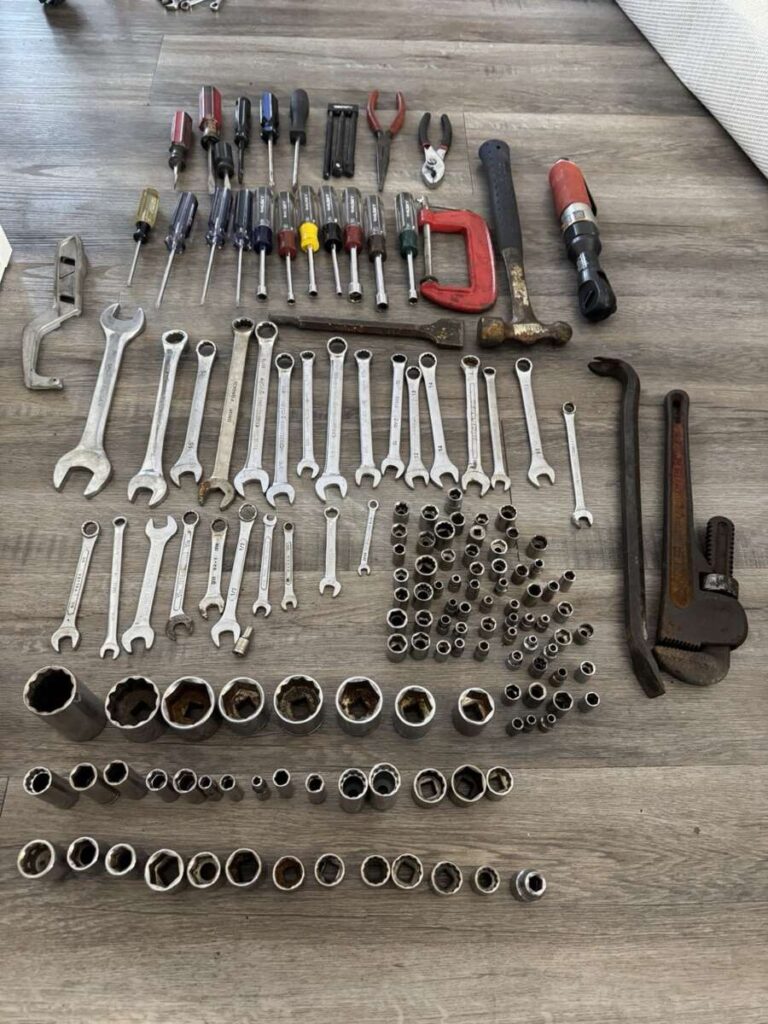
Many hand tools sold in the United States come with a lifetime or limited lifetime warranty. Common examples include pliers, screwdrivers, wrenches, sockets, ratchets, chisels, and some specialty tools.
Brands known for lifetime hand-tool coverage include Craftsman, Husky, Kobalt, Tekton, Channellock, Klein Tools, Stanley, DEWALT, GearWrench, Milwaukee, and Snap-on. The exact promise depends on the brand, tool type, buyer, and reason for failure.
A lifetime warranty usually covers defects or tool breakage during normal use. It does not always cover rust, misuse, theft, loss, cosmetic wear, or electronic parts. Always check the warranty for the exact tool before you buy it.

What does a lifetime warranty on a hand tool mean?
A lifetime warranty means the manufacturer may repair or replace a covered tool for as long as the warranty remains valid. “Lifetime” usually refers to the useful life of the original product, not the buyer’s lifetime.
The warranty may apply when a tool:
- Breaks during normal use
- Has a manufacturing defect
- Fails because of a material or workmanship problem
- Cannot perform its stated function
A limited lifetime warranty has the same general time period but includes exclusions. For example, the brand may reject claims for abuse, unauthorized changes, commercial misuse, normal wear, or damage caused by chemicals.
The warranty does not mean every tool will be replaced for every reason. A broken ratchet tooth may qualify. A screwdriver used as a pry bar may not.
Lifetime warranty versus guarantee
Brands use different terms for similar promises:
- Lifetime warranty: A formal warranty that may cover defects or failures for the life of the tool.
- Limited lifetime warranty: A lifetime warranty with stated exclusions.
- Lifetime guarantee: A marketing or service term that still depends on written conditions.
- Hassle-free guarantee: A promise designed to make replacement simple, but it still may have rules.
The label alone is not enough. Read the actual warranty page for the tool and the country where you bought it.

Which hand-tool brands offer lifetime warranties?
The following brands commonly offer lifetime coverage on many hand tools sold in the United States. Coverage can differ by product family, so use this table as a starting point rather than a replacement for the official warranty.
| Brand | Hand tools commonly covered | Typical warranty wording | Main caution |
|---|---|---|---|
| Craftsman | Mechanics tools, wrenches, sockets, pliers, screwdrivers, and other hand tools | Full lifetime or limited lifetime, depending on product | Power tools, batteries, storage, and accessories have separate terms |
| Husky | Sockets, ratchets, wrenches, pliers, screwdrivers, and mechanics tools | Lifetime warranty on many hand tools | Coverage and claim steps may vary by product |
| Kobalt | Hand tools, mechanics tools, pliers, wrenches, and sockets | Lifetime hassle-free guarantee on many tools | Check whether the item is a hand tool or a separate product category |
| Tekton | Sockets, ratchets, wrenches, screwdrivers, and other hand tools | Lifetime replacement warranty | The process may require photos, proof of purchase, or product details |
| Channellock | Pliers and selected hand tools | Limited lifetime warranty | Normal wear and misuse may be excluded |
| Klein Tools | Pliers, cutters, screwdrivers, nut drivers, and other professional hand tools | Limited lifetime warranty on many hand tools | Some tools have different terms, especially electronic products |
| Stanley | Hand tools, including many mechanics and general-purpose tools | Limited lifetime warranty on many products | Exact coverage depends on the product line and region |
| DEWALT | Mechanics hand tools and selected general hand tools | Limited lifetime warranty on many hand tools | Batteries, power tools, and electronic items have separate warranties |
| GearWrench | Wrenches, sockets, ratchets, pliers, and mechanics tools | Limited lifetime warranty on many hand tools | Specialty and electronic tools may use different terms |
| Milwaukee | Selected hand tools and mechanics tools | Limited lifetime warranty on qualifying products | Not every Milwaukee product has lifetime coverage |
| Snap-on | Many professional hand tools | Often lifetime coverage for qualifying hand tools | Warranty service, exclusions, and commercial use rules can differ |
Craftsman
Craftsman is one of the best-known U.S. hand-tool brands with lifetime coverage on many mechanics and general hand tools. The brand’s warranty commonly covers tools that fail to perform because of a defect or normal use.
A Craftsman warranty does not automatically apply to every product with the Craftsman name. Power tools, batteries, tool storage, measuring devices, and accessories may have separate warranty periods.
Start with the official Craftsman warranty information.
Husky
Husky hand tools sold through The Home Depot commonly carry a lifetime warranty. This often includes sockets, ratchets, wrenches, screwdrivers, and pliers.
One practical benefit is that many claims can begin through the retailer. Bring the failed tool and, when available, purchase information. Store procedures can change, so check with the specific Home Depot location or Husky’s current support information first.
Kobalt
Kobalt offers a lifetime hassle-free guarantee on many hand tools sold by Lowe’s. The range often includes mechanics tools, wrenches, sockets, screwdrivers, and pliers.
The phrase “hassle-free” does not remove all limits. Product category, proof of purchase, misuse, and discontinued-tool handling can affect the result. Check the current Kobalt warranty information before relying on store replacement.
Tekton
Tekton is known for a lifetime replacement policy on many hand tools. The company commonly handles claims through its own support process rather than a large retail exchange program.
Tekton can be a useful choice if you want a clear online claim path. Keep the tool’s model information and photos. Read the current Tekton warranty policy for the exact process.
Channellock
Channellock is best known for pliers and related gripping tools. Many of its hand tools carry a limited lifetime warranty against defects in material and workmanship.
A lifetime warranty does not make pliers immune to damage. Cutting hardened wire, using a cheater bar, or striking pliers can cause damage outside normal use.
See the brand’s Channellock warranty information.
Klein Tools
Klein Tools offers lifetime coverage on many professional hand tools, including pliers, cutters, screwdrivers, and nut drivers. The brand also sells testers, meters, lighting products, and other items with different warranty terms.
Electricians should pay close attention to the difference between a basic hand tool and an electrical testing product. A screwdriver may have lifetime coverage while a tester may have a shorter, separate warranty.
Stanley, DEWALT, and GearWrench
Stanley, DEWALT, and GearWrench offer limited lifetime warranties on many hand-tool lines. Their catalogs are broad, so the warranty may change between a basic hand tool, a mechanics set, a specialty tool, and an electronic device.
For these brands, check the product page, package, or model-specific warranty before purchase. A lifetime warranty shown for one socket set should not be assumed for every item in the brand’s catalog.
Snap-on
Snap-on provides lifetime coverage on many qualifying professional hand tools. Its warranty service is often handled through a Snap-on franchisee, dealer, or company support channel.
Snap-on tools can cost more than consumer-grade tools. The warranty is one part of the value calculation, but it does not remove the need to confirm the tool’s exact terms, especially for specialty, electronic, or diagnostic products.
Which hand tools are most likely to have lifetime coverage?
Basic, non-powered hand tools are the most likely to receive lifetime coverage. These tools have fewer electronic parts and are easier for a manufacturer to inspect, repair, or replace.
Common examples include:
- Combination wrenches
- Adjustable wrenches
- Socket sets
- Ratchets
- Breaker bars
- Pliers
- Locking pliers
- Screwdrivers
- Nut drivers
- Hex-key sets
- Striking chisels
- Pry bars
- Hand saws
- Non-electronic measuring tools
The coverage is less predictable for:
- Torque wrenches
- Digital calipers
- Multimeters
- Circuit testers
- Inspection cameras
- Flashlights
- Tool batteries
- Power tools
- Tool storage
- Pneumatic tools
- Consumable blades and bits
A ratchet and a digital torque wrench may sit in the same mechanics-tool display, but they usually do not share the same warranty. The ratchet may have lifetime coverage. The digital tool may have a one-year or limited electronics warranty.

What does a lifetime hand-tool warranty usually cover?
Most lifetime hand-tool warranties focus on defects in materials and workmanship or failure during ordinary use. The exact language differs by brand.
A claim is more likely to qualify when:
- A ratchet mechanism fails during normal fastening
- A socket cracks under its rated use
- A wrench breaks without obvious abuse
- A screwdriver tip separates from the shaft because of a manufacturing defect
- Pliers develop a structural failure during normal gripping or cutting
A claim is less likely to qualify when:
- The tool was used as a hammer
- A wrench was extended with a pipe
- A socket was used with an impact gun when it was not impact-rated
- The tool was modified, welded, ground, or drilled
- Rust resulted from poor storage
- The tool was lost or stolen
- The damage is ordinary cosmetic wear
- The tool was used beyond its design limits
The key question is not only, “Did the tool break?” It is, “Did it break during an expected use covered by the written warranty?”

How do you make a lifetime warranty claim?
The best warranty claim starts with the exact tool, the reason it failed, and proof that you bought it through an authorized seller.
1. Stop using the damaged tool
Do not keep applying force to a cracked socket, bent wrench, or damaged plier. Continued use can cause injury and may make the cause of failure harder to assess.
2. Identify the brand and model
Look for:
- Brand name
- Model number
- Size
- Product line
- Date code or serial number, if present
A clear photo can help when the mark is small or partly worn away.
3. Read the current warranty
Use the manufacturer’s official website. Look for the terms that apply to:
- Hand tools
- Mechanics tools
- Professional tools
- Specialty tools
- Electronic tools
- Commercial use
Do not rely only on a retailer’s product title. Retail listings can group products with different warranty terms.
4. Gather purchase information
Some brands do not require a receipt for basic hand-tool claims. Others may ask for proof of purchase, seller information, or an order number.
Useful records include:
- Store receipt
- Online order confirmation
- Credit-card statement
- Product registration
- Photos of the tool
- Original packaging, if available
5. Use the correct claim route
The claim may go through:
- The retailer
- The manufacturer’s website
- A local dealer
- A brand service center
- A distributor
Follow the route stated in the warranty. Returning a tool to the wrong place can delay the claim.
6. Describe the failure plainly
State what happened without guessing. For example:
“The 3/8-inch ratchet no longer engages in the forward or reverse position after normal hand use.”
That description is more useful than saying the tool is “bad.” Do not hide modifications or unusual use.
7. Inspect the replacement
Check the replacement before leaving the store or closing the claim. Confirm that the size, drive type, and product function match the original tool.
If the model is discontinued, the brand may offer a similar replacement, store credit, or another remedy under its current policy.
Do lifetime warranties cover professional or commercial use?
Sometimes, but not always. Commercial use can change the warranty terms or the brand’s view of normal use.
A mechanic who uses a ratchet every day places more cycles on the tool than a homeowner who uses it twice a year. Some warranties still cover professional use. Others exclude commercial, rental, fleet, or industrial use.
Before buying tools for paid work, check for these terms:
- Commercial use
- Professional use
- Industrial use
- Rental use
- Fleet use
- Abuse or overload
- Consumable parts
- Service-life limits
A lifetime warranty can still be valuable for professionals, but it should not be the only buying factor. Tool balance, grip, access, strength, repair speed, and downtime may matter more than the warranty label.
How should you compare lifetime warranties?
The best warranty is not always the one with the biggest words on the package. Compare the parts that affect a real claim.
| Warranty factor | Why it matters |
|---|---|
| Covered product | Confirms that the warranty applies to the exact tool |
| Cause of failure | Separates defects from misuse and wear |
| Proof of purchase | Shows whether you need to keep receipts |
| Claim location | Tells you whether to use a store, website, or dealer |
| Replacement cost | Confirms whether shipping or service fees apply |
| Discontinued-tool policy | Explains what happens when the original model is gone |
| Commercial-use rule | Matters to mechanics, contractors, and shops |
| Exclusions | Reveals limits for rust, abuse, alteration, or accessories |
| Region | Confirms that the policy applies in the United States |
A simple decision rule works well:
- Choose a retail replacement brand if you want a nearby store option.
- Choose a direct-claim brand if online support and clear documentation matter most.
- Choose a professional dealer brand if local service and tool access are important.
- Choose a lower-cost set if replacement speed matters more than premium fit and finish.
Do not pay much more for a lifetime warranty if the brand makes claims slow, difficult, or costly. Warranty value comes from both the written promise and the replacement process.

Common mistakes that can void or weaken a warranty claim
Many failed claims result from tool misuse rather than a vague warranty. Avoid these common errors:
Using a standard socket with an impact tool
Impact tools create rapid force and vibration. Use sockets marked for impact use when the tool and task require them.
Extending a wrench with a pipe
A pipe increases leverage and can exceed the wrench’s design load. It can also cause the wrench to slip and injure your hand.
Using screwdrivers as chisels or pry bars
A screwdriver tip is designed to turn a fastener. Side loads and hammer strikes can bend the shaft or damage the handle.
Cutting hardened material with ordinary pliers
Use cutters designed for the wire or material. Ordinary diagonal cutters may chip or break when used on hardened steel.
Modifying the tool
Grinding, welding, drilling, or heating a tool can change its strength and usually gives the manufacturer a reason to deny the claim.
Ignoring rust
Rust may not be covered as a manufacturing defect. Wipe tools dry, store them in a low-moisture space, and use a light protective coating when suitable.
Assuming loss is covered
Most lifetime warranties cover defective or broken tools, not tools that were misplaced, stolen, or left at a job site.

Are lifetime-warranty tools worth buying?
Lifetime-warranty tools can be a strong value when the tool is likely to see repeated use and the brand offers simple replacement service.
They are most useful for:
- Mechanics building a core socket set
- Homeowners buying basic repair tools
- Contractors who need common hand tools
- Maintenance workers replacing frequently used tools
- Buyers who want to avoid replacing a failed tool at full price
The warranty matters less when:
- The tool is inexpensive and rarely used
- The item is a consumable
- The brand has a difficult claim process
- Shipping costs exceed the tool’s value
- The tool is a poor fit for the intended job
- You need precise performance from a specialty tool
A lifetime warranty cannot fix a poor design, bad fit, or unsafe use. Buy the correct tool first, then treat the warranty as protection against an unexpected failure.

How can you verify a lifetime warranty before buying?
Use this short check before placing an order:
- Find the exact model number.
- Open the manufacturer’s U.S. warranty page.
- Confirm that the item is classified as a hand tool.
- Check the coverage period and exclusions.
- Look for commercial-use limits.
- Confirm whether a receipt is required.
- Check who handles replacement claims.
- Save the receipt and a copy of the warranty page.
This process takes only a few minutes and prevents a common mistake: assuming that every product from a lifetime-warranty brand has the same coverage.
Warranty pages can change. Retailers can also sell older stock with different packaging. The written terms for the exact model and purchase region should control.
Frequently asked questions
Do all Craftsman hand tools have a lifetime warranty?
No. Many Craftsman hand tools have full or limited lifetime coverage, but power tools, batteries, storage, accessories, and specialty products may have different terms. Check the warranty for the exact model.
Do Husky tools have a lifetime warranty?
Many Husky hand tools have a lifetime warranty. Sockets, ratchets, wrenches, screwdrivers, and pliers are common examples. Confirm the current terms with Husky or The Home Depot before making a claim.
Does a lifetime warranty require a receipt?
Not always. Some brands replace qualifying hand tools without proof of purchase, while others may request a receipt, order number, or other evidence. Keep purchase records whenever possible.
Are broken tools replaced for free?
A qualifying replacement is often provided without a charge for the tool itself. Shipping, service fees, proof-of-purchase rules, and retailer procedures vary. Read the current warranty before sending a tool in.
Do lifetime warranties cover rust?
Usually, rust is treated as damage from storage, moisture, neglect, or normal aging rather than a manufacturing defect. Some brands may handle unusual corrosion differently, but the written warranty controls.
What is the best lifetime-warranty hand-tool brand?
There is no single best brand for every buyer. Craftsman, Husky, and Kobalt may suit shoppers who value retail access. Tekton may suit buyers who prefer direct online claims. Klein Tools, Channellock, GearWrench, and Snap-on may fit professional users who need specific tool designs and service options.
Final answer: Which hand tools have lifetime warranties?
The hand tools most often covered by lifetime warranties in the United States are wrenches, sockets, ratchets, pliers, screwdrivers, nut drivers, breaker bars, and other basic non-powered tools.
Brands commonly associated with this coverage include Craftsman, Husky, Kobalt, Tekton, Channellock, Klein Tools, Stanley, DEWALT, GearWrench, Milwaukee, and Snap-on. Coverage is not universal across a brand’s catalog.
Before buying, verify the exact model, warranty type, exclusions, claim process, and commercial-use rules. Keep your receipt, use the tool only for its intended purpose, and contact the manufacturer or authorized retailer when a covered failure occurs.
Recent Tool Guides
 Wrench
How To Store A Torque Wrench: Smart Storage Guide
Learn how to store a torque wrench correctly to protect its calibration, prevent damage, and extend...
Read Guide → Hammer
How To Hammer Flowers Onto Paper: Easy Guide
Learn how to hammer flowers onto paper with simple steps, helpful tips, and beautiful results for...
Read Guide → Wrench
How To Use A Hex Wrench: Easy Step-By-Step Guide
Learn how to use a hex wrench correctly with simple steps, helpful tips, and common mistakes...
Read Guide → Hacksaw
How To Cut Curtain Pole With Hacksaw: Easy Guide
Learn how to cut curtain pole with hacksaw safely and neatly. Follow simple steps for accurate...
Read Guide → Wrench
How To Use A Husky Torque Wrench: Easy Guide
Learn how to use a Husky torque wrench correctly with simple steps, torque settings, and safety...
Read Guide → Hammer
How To Hold A Hammer: Safe Grip Guide
Learn how to hold a hammer with the right grip, stance, and technique for safer, more...
Read Guide →