
You can cut sandstone with hand tools by scoring the line, then tapping and chiseling slowly along it.
Cutting sandstone by hand is very doable, but it rewards patience more than force. I’ve found that the cleanest results come from reading the stone first, choosing the right chisel, and letting the tool do the work instead of trying to muscle through it. If you want a straight, accurate cut without cracking the block, the details matter, and that’s exactly what this guide will walk you through.
Understanding sandstone before you cut it
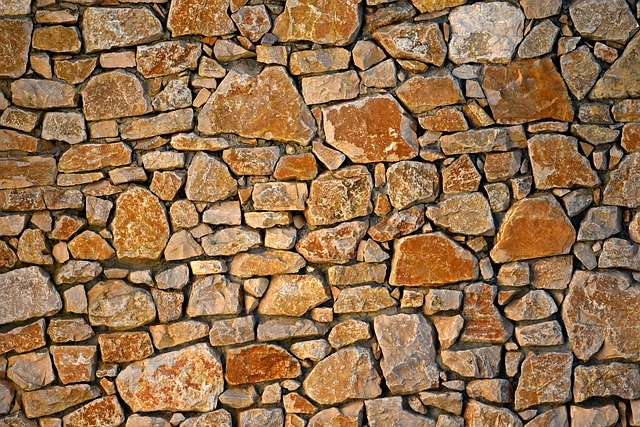
Sandstone is a sedimentary stone made of sand-sized grains held together by natural minerals. That means it is often softer and easier to shape than granite, but it can still chip, flake, or split if you hit it the wrong way. The bond between grains may also vary from one section to another, so one part of a block can cut nicely while another part breaks unevenly.
Before you start, look at the stone closely. Check for layers, natural cracks, and soft spots. If you have ever tried to split a piece of sandstone that looked solid on the outside but crumbled on the edge, you already know why this step matters.
Tools and materials you need
You do not need a power saw to cut sandstone cleanly. Hand tools can do the job well if they are sharp, strong, and used with control.
Here is a practical tool list:
• Masonry chisel or bolster chisel for rough cutting and splitting
• Point chisel for starting a line or breaking high spots
• Club hammer or small sledgehammer for controlled strikes
• Hand saw for stone, if you need a finer straight cut on softer sandstone
• Carpenter’s pencil, chalk, or marker for layout lines
• Straightedge or framing square for accurate marking
• Clamps or a stable work surface to hold the stone
• Safety glasses, work gloves, dust mask, and hearing protection
• Wire brush or stiff brush for cleanup
If you want the best results, make sure the chisel edge is sharp and not mushroomed. A dull chisel bounces more, which is one of the fastest ways to chip the stone in the wrong place.
Safety first when cutting sandstone by hand
Sandstone is natural, but it is not forgiving. Chips can fly, dust can irritate your lungs, and a slipping stone can damage your hands.
Keep these safety basics in mind:
• Wear eye protection at all times
• Use a dust mask or respirator when cutting dry stone
• Wear gloves with a good grip, but not bulky ones that reduce control
• Secure the sandstone so it cannot roll or shift
• Stand balanced, with your feet apart
• Strike with control instead of power
• Keep bystanders away from the work area
In my own work, the most common mistake I see is rushing the setup. A stone that moves even a little can ruin a cut and increase the chance of injury. A minute spent stabilizing the stone saves a lot of frustration later.
How to cut sandstone with hand tools step by step
The basic process is simple, but the quality of the cut depends on how carefully you do each step. When people ask how to cut sandstone with hand tools, they often expect a fast method. The truth is that the best hand-cut results come from slow, controlled work.
1. Mark your cut line clearly
Start by drawing the cut line on all visible sides of the sandstone. Use a straightedge if you want a clean edge, especially for paving, edging, or masonry work. If the stone is thick, marking all sides helps you stay aligned as you cut deeper.
A clear line is your map. Without it, even experienced hands can drift off course.
2. Place the sandstone on a stable surface
Set the sandstone on firm ground, a heavy bench, or sandbags. The goal is to keep the stone from rocking while still giving you room to strike the target area.
If the stone is large, support both sides so it does not snap unexpectedly. I learned early that an unsupported edge can break long before the cut is finished.
3. Score the line with a point chisel
Use a point chisel to make a shallow groove along the marked line. This groove gives your later strikes a place to land and helps guide the break.
Work lightly at first. You are not trying to split the sandstone in one blow. You are creating a controlled weakness where the stone can separate more cleanly.
4. Deepen the groove with a masonry chisel
Once the line is established, switch to a masonry chisel or bolster chisel. Strike along the groove with steady, even taps.
Move slowly across the line rather than trying to finish one section completely before moving on. This keeps the pressure balanced and lowers the risk of the stone breaking off in a random direction.
5. Cut from both sides if needed
For thicker sandstone, it often helps to work from both sides of the stone. Cut halfway from one face, then flip it and continue from the opposite face.
This method is especially useful when you need a neater edge. It reduces spalling, which is when the face of the stone chips away beyond your cut line.
6. Finish the break with controlled strikes
If the sandstone is ready to split, place the chisel in the scored line and give it firmer but still controlled taps. The stone should separate along the path you created.
If it does not, do not force it. Add more scoring and keep working. For sandstone, patience usually beats brute strength.
7. Clean and true the edge
After the cut, use the chisel to remove high spots and sharp flakes. A wire brush can clear loose dust and grit from the edge.
If the cut is for visible masonry, edging, or landscaping, take your time here. A clean finish makes the stone look intentional instead of rough and accidental.

Best hand tools for different sandstone cuts
Not every cut needs the same tool. The type of cut you want should guide your choice.
For rough splitting
Use:
• Point chisel
• Club hammer
• Bolster chisel
These tools are best when you want to break sandstone into smaller sections for garden edging, stepping stones, or rough shaping.
For cleaner straight cuts
Use:
• Masonry chisel
• Straightedge
• Marking tools
• Small sledgehammer or club hammer
This setup gives better control for visible cuts where appearance matters.
For detail shaping
Use:
• Point chisel
• Cold chisel with caution
• Small hand rasps or rubbing stone for finishing
Detail shaping is slower, but it is useful when you are fitting a stone into a custom space.
How sandstone behaves during cutting
Sandstone does not cut like wood or metal. It fractures, and that fracture follows the grain, the cement, and any hidden weakness in the rock. That is why two stones from the same pile can respond differently.
A few things affect the cut:
• Grain size: Coarser sandstone may chip more easily
• Cement type: Softer binding material cuts faster but can crumble more
• Moisture: Damp sandstone may dust less, but it can still break unpredictably
• Bedding planes: Natural layers can guide the split
• Hidden cracks: These can send the break away from your line
According to common masonry practice, the safest approach is to work gradually and respect the stone’s natural structure. That is also the most reliable way to get a usable finish with hand tools.
Common mistakes to avoid
I have seen a lot of first-time cuts fail for the same reasons. Most of them are avoidable.
• Striking too hard too soon, which shatters the edge
• Starting without a clear line
• Using a dull chisel
• Failing to support the stone
• Ignoring natural grain or layers
• Trying to force a stubborn cut
• Skipping eye and dust protection
One of the biggest lessons I learned is that sandstone often tells you how it wants to break. If the stone starts to open in the wrong direction, stop and adjust. Fighting the material usually makes the finish worse.
When hand tools are the right choice
Hand tools make sense when you want control, portability, and lower cost. They are especially useful for small jobs, repair work, and on-site shaping.
They are a good fit for:
• Garden projects
• Fireplace or landscape stone work
• Small masonry repairs
• Decorative stone shaping
• Remote sites without power tools
Hand cutting is slower, but it gives you a feel for the stone that machines often hide. That can matter a lot when the final piece needs to fit naturally.
When you may want another method
Hand tools are not always the best answer. If the sandstone is very hard, very thick, or part of a large structural job, a stone saw or wet saw may be safer and more precise.
Consider another method if:
• You need many identical cuts
• The stone is too large to control safely by hand
• You need a highly polished finish
• The sandstone is dense and resists chiseling
• Dust control is a major concern
There is no shame in using the right tool for the job. Good craftsmanship is not about doing everything by hand; it is about choosing the method that gives the best result.
Practical tips for cleaner cuts
A few small habits can improve your results right away.
• Keep your chisel edge sharp
• Tap lightly to start, then increase force only if needed
• Rotate the stone if the angle feels awkward
• Work in short sessions to avoid fatigue
• Brush away dust so you can see your line
• Test the stone on a small corner if you are unsure how it will behave
If you are working on a visible project, make a practice cut on a scrap piece first. That little test can save a whole block from a bad break.
Maintenance after cutting
After you finish cutting sandstone with hand tools, clean the area well. Dust and chips can hide flaws in the edge, and loose fragments can make the stone look unfinished.
Simple aftercare includes:
• Brushing off dust
• Checking for cracks that continue past the cut
• Smoothing sharp points
• Storing leftover stone in a dry place
• Cleaning tools so grit does not dull them
If the sandstone will be installed outdoors, make sure the cut face is suitable for exposure. Some stone finishes look great dry but change appearance once wet, so it helps to test the look first.
Frequently Asked Questions of how to cut sandstone with hand tools
What is the easiest way to cut sandstone by hand?
The easiest method is to score a clear line, then use a point chisel and club hammer to deepen the groove gradually. Once the stone weakens along the line, a masonry chisel can help complete the cut.
Can sandstone be cut without power tools?
Yes, sandstone can be cut without power tools, especially if the stone is soft to medium in hardness. The key is patience, sharp tools, and good support under the stone.
What chisel is best for sandstone?
A point chisel is best for starting the cut, and a masonry chisel works well for widening and finishing the line. For rough splitting, a bolster chisel is often helpful.
Does sandstone crack easily?
Sandstone can crack easily if it has hidden layers, weak cement, or internal fractures. Slow, controlled strikes reduce the chance of unwanted breakage.
How do I keep sandstone from chipping too much?
Score the line first, work from both sides if the stone is thick, and avoid heavy blows early on. A sharp chisel and steady support make a big difference in edge quality.
Is wet cutting better than dry cutting for sandstone?
Wet cutting can reduce dust, but hand-tool work is usually done dry for better control. If you do use moisture, keep in mind that wet stone may show its true fracture lines differently than dry stone.
Conclusion
Learning how to cut sandstone with hand tools comes down to patience, control, and respect for the stone itself. When you understand the grain, mark your line clearly, and work with sharp tools, you can get surprisingly clean results without expensive machinery.
If you are planning a stone project, start small, practice on scrap if you can, and let the sandstone guide your pace. The more carefully you work, the better the finish will be, so take your time and keep improving your technique. If this guide helped, explore more stonework tips, subscribe for updates, or leave a comment with your own experience.