

The four key plumbing hand tools are a pipe wrench, basin wrench, tubing cutter, and hand drain auger.
Knowing what are four hand tools specific to plumbing helps homeowners, apprentices, and DIY users choose the right tool for each job. These tools are made for gripping pipes, reaching tight fittings, making clean cuts, and clearing common clogs. Used correctly, they make plumbing work safer, faster, and less costly.
What Are Four Hand Tools Specific to Plumbing?
The four most useful hand tools specific to plumbing are:
- Pipe wrench
- Basin wrench
- Tubing cutter
- Hand drain auger
Each tool has a clear purpose. A pipe wrench grips threaded pipe, a basin wrench reaches faucet nuts, a tubing cutter creates clean pipe cuts, and a hand drain auger removes clogs inside drain lines.
These tools do different jobs, so one cannot fully replace another. For example, a pipe wrench may grip a large fitting well, but it is too bulky for the narrow space beneath most sinks. A basin wrench solves that access problem.

1. Pipe Wrench
A pipe wrench is one of the most recognized plumbing hand tools. It has serrated jaws that grip round pipe and fittings as you turn the handle. The teeth bite into metal surfaces, which gives the tool strong holding power.
A traditional pipe wrench is often made from steel or strong alloy. Its adjustable jaw lets it fit different pipe sizes. Common sizes include 10-inch, 14-inch, and 18-inch models, although professional plumbers may carry larger versions.
What a pipe wrench does
A pipe wrench is mainly used to:
• Tighten threaded metal pipe
• Loosen old pipe fittings
• Hold one pipe while turning another fitting
• Work on steel, galvanized, and iron pipe
• Remove stubborn threaded connections
Plumbers often use two pipe wrenches at once. One wrench holds the pipe steady while the second turns the fitting. This method helps prevent stress on nearby joints.
How to use a pipe wrench safely
Place the wrench on the fitting so the jaws face the direction of the turn. Pull the handle toward your body instead of pushing it away. This position gives you better control and reduces the chance of losing balance.
Do not use a pipe wrench on chrome, brass, or finished decorative fittings unless surface damage is acceptable. The teeth can leave deep marks. Use a smooth-jaw wrench, strap wrench, or adjustable wrench for finished surfaces.
A common mistake is using a pipe wrench as a hammer. This can damage the tool, the fitting, or the pipe. If a fitting will not move, apply approved penetrating oil when suitable, allow time for it to work, and check whether the connection is corroded or cross-threaded.
Practical pipe wrench example
Suppose a steel pipe joins an old shutoff valve. Place one wrench on the pipe and one on the valve connection. Turn the valve fitting while holding the pipe still. This prevents force from traveling through the plumbing system and damaging another joint.
2. Basin Wrench
A basin wrench is designed for faucet work under sinks. Its long shaft and swiveling jaw help it reach mounting nuts that are difficult to see and touch. This makes it one of the most useful hand tools specific to plumbing.
The head of a basin wrench usually pivots. The jaw can lock into position for tightening or loosening. Many models also have a long handle that provides extra reach in the cramped space behind a sink basin.
What a basin wrench does
A basin wrench is used to:
• Remove faucet mounting nuts
• Install new kitchen faucets
• Tighten bathroom faucet connections
• Reach nuts behind sinks and cabinets
• Work in spaces where regular wrenches cannot fit
A standard adjustable wrench may work on an exposed faucet nut. However, the nut is often placed close to the sink bowl or backsplash. A basin wrench reaches upward from below and grips the nut from a better angle.
Tips for using a basin wrench
Before using the wrench, shut off the water supply. Open the faucet to release pressure. Then disconnect the supply lines and position the basin wrench around the mounting nut.
Turn slowly. Faucet nuts are often made from plastic or soft metal. Too much force can crack the nut or damage the faucet shank. If the nut is badly corroded, cut it carefully with a compact tool rather than twisting until the sink or faucet breaks.
Good lighting helps. A headlamp can make the work much easier because both hands remain free. Keep a small towel under the connections to catch leftover water.
A lesson from tight sink cabinets
One of the most frustrating plumbing tasks is working under a sink filled with cleaning products and storage bins. Remove everything first. Create room to move, place a light where you can see the nut, and keep a small tray nearby for parts.
This simple setup saves time and prevents lost washers. It also makes it easier to tell whether a leak comes from the supply line, faucet shank, or drain connection.

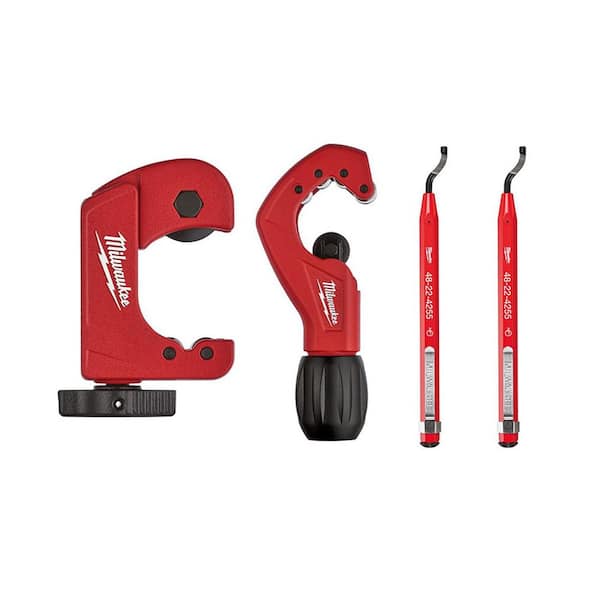
3. Tubing Cutter
A tubing cutter makes clean, straight cuts in copper, brass, aluminum, and some plastic tubing. It has a cutting wheel and one or more guide rollers. As you rotate the cutter around the tube, the wheel scores the material until the tube separates.
A tubing cutter is more precise than a hacksaw for many plumbing tasks. It leaves a square edge, which helps create a proper connection with compression fittings, soldered joints, or push-fit connectors.
What a tubing cutter does
A tubing cutter can:
• Cut copper water lines
• Cut small brass and aluminum tubing
• Prepare pipe for compression fittings
• Create clean cuts for soldering
• Trim tubing in tight spaces
Different cutters handle different sizes. A small close-quarter cutter is useful in narrow cabinets. A larger cutter works better on wider tubing and gives you more grip.
How to cut tubing correctly
Mark the cut with a pencil or fine marker. Place the cutter over the mark and tighten the cutting wheel until it lightly touches the tube. Do not tighten it too much at the start.
Rotate the cutter around the tube. After each full rotation, tighten the knob slightly. Continue until the tube separates. This gradual method reduces distortion and helps the cutting wheel last longer.
After the cut, remove the sharp inner ridge with a deburring tool or the built-in reamer on some cutters. Clean the outside of the tube before installing a fitting. A smooth, clean surface improves the seal.
Common tubing cutter mistakes
The most common mistake is overtightening the cutter. This can crush the tube into an oval shape. A deformed tube may not fit correctly into a compression or push-fit fitting.
Another mistake is failing to deburr the inside edge. A sharp ridge can restrict water flow or damage an O-ring. Always inspect the cut before making the connection.
When cutting an active water line, shut off the supply and drain the pipe first. Water left in the line can interfere with soldering and make the work messy.

4. Hand Drain Auger
A hand drain auger, also called a plumbing snake, is a flexible cable used to clear clogs. The cable enters a drain and reaches blockages that a plunger may not remove. Turning the handle moves the cable through the pipe.
Hand drain augers come in several sizes. Small sink augers may have a short cable. Larger drum augers can reach farther into household drain lines. The correct size depends on the drain opening, pipe size, and type of clog.
What a hand drain auger does
A hand drain auger is useful for:
• Clearing hair from bathroom sinks
• Removing soft buildup from tub drains
• Breaking through simple sink clogs
• Reaching blockages beyond a trap
• Pulling material back through the drain opening
Start with a plunger when possible. A plunger may clear a simple clog without entering the pipe. If the plunger fails, an auger provides a more direct way to reach the blockage.
How to use a hand drain auger
Remove the stopper or drain cover. Feed the cable slowly into the drain while turning the handle clockwise. When you feel resistance, continue turning gently so the cable can enter the blockage.
Do not force the cable with sudden pressure. You may push the clog deeper or damage a weak pipe. Instead, rotate, advance a little, then pull back slightly. This action can hook or break up the material.
When the water begins to drain, pull the cable out slowly. Clean the cable as it comes out. Flush the drain with hot water when appropriate, but avoid pouring boiling water into plastic plumbing because extreme heat can damage some materials.
When an auger is not enough
A hand auger may not solve a deep main-line blockage, a collapsed pipe, or a clog caused by tree roots. Repeated backups in several fixtures can indicate a larger drain problem.
Chemical drain cleaners also deserve caution. They can burn skin, damage some pipes, and create a dangerous hazard for anyone who later opens the line. Mechanical clearing is often easier to control, but serious blockages may require a professional plumber and a powered drain machine.

How to Choose the Right Plumbing Hand Tool
The best tool depends on the material, location, and type of repair. Before choosing, ask three simple questions:
- What part needs to move, grip, cut, or clear?
- Is the fitting exposed or hidden in a tight space?
- Could the tool damage the pipe or finished surface?
Use a pipe wrench for strong, rough threaded pipe. Choose a basin wrench for faucet nuts under sinks. Select a tubing cutter when a clean pipe end matters. Use a hand drain auger when a plunger cannot reach or remove the clog.
A basic plumbing tool kit may also include:
• Adjustable wrench
• Tongue-and-groove pliers
• Screwdrivers
• Deburring tool
• Plumber’s tape
• Slip-joint pliers
• Flashlight or headlamp
• Replacement washers and O-rings
• Bucket and absorbent towels
Plumber’s tape is not a hand tool, but it is often used with plumbing tools. Apply it only to compatible tapered threaded connections. Do not use it on compression fittings, flare fittings, or connections that seal with an O-ring.

Safety Tips for Using Plumbing Hand Tools
Even simple plumbing repairs can cause leaks or injuries. Good preparation matters as much as tool choice.
Follow these basic steps:
- Shut off the water supply before opening a pressurized line.
- Open a faucet to release trapped pressure.
- Place a bucket under the work area.
- Wear eye protection when cutting, scraping, or working below a sink.
- Use the correct tool size instead of forcing a small tool.
- Keep handles and work surfaces dry.
- Inspect tools for cracked handles, worn jaws, or damaged cables.
- Test for leaks after completing the repair.
Never use a cheater bar on a small wrench unless the tool is designed for that use. Extra leverage can break a fitting or cause a sudden slip. It can also damage the pipe inside a wall.
For soldering work, remove nearby flammable materials and follow the safety rules for the torch and fuel. Local plumbing codes may also require specific materials, methods, or permits. When a repair involves gas lines, sewer mains, concealed pipe, or major water damage, contact a licensed professional.

Benefits and Limits of These Four Plumbing Tools
The four main tools are affordable, reusable, and easy to learn with practice. They can handle many common repairs, from replacing a faucet to clearing a small drain clog. They also help users avoid damaging fittings by using a tool designed for the task.
However, they are not universal solutions. A pipe wrench cannot replace a basin wrench in every tight space. A tubing cutter cannot repair a cracked pipe. A hand drain auger may not clear a deep or structural blockage.
Knowing the limits of each tool is part of safe plumbing work. A tool should make the job controlled and predictable, not simply provide more force. If a fitting begins to twist inside a wall or a leak grows after tightening, stop and reassess the repair.
How to Maintain Plumbing Hand Tools
Clean tools after each use. Wipe away water, dirt, pipe scale, and drain residue before storing them. Dry metal tools fully to reduce rust.
Apply a small amount of light oil to moving parts such as pipe wrench adjustment rings, basin wrench pivots, and tubing cutter rollers. Do not oil a drain cable and place it in a sealed container while it is wet. Moisture trapped inside can speed up corrosion.
Store tools where they will not be crushed or exposed to harsh chemicals. Replace worn cutting wheels, damaged cables, and loose handles. A well-maintained tool gives better control and is less likely to slip.
Frequently Asked Questions About What Are Four Hand Tools Specific to Plumbing
What are four hand tools specific to plumbing?
The four common tools are a pipe wrench, basin wrench, tubing cutter, and hand drain auger. They grip threaded pipe, reach faucet nuts, cut tubing, and clear drain clogs.
Which plumbing hand tool is used to tighten pipe fittings?
A pipe wrench is commonly used to tighten and loosen threaded metal pipe fittings. Use a second wrench to hold the adjoining pipe steady and prevent stress on the plumbing system.
What tool is best for removing a faucet under a sink?
A basin wrench is usually the best choice for removing faucet mounting nuts under a sink. Its long shaft and swiveling jaw reach areas that standard wrenches cannot access easily.
Can a tubing cutter cut PVC pipe?
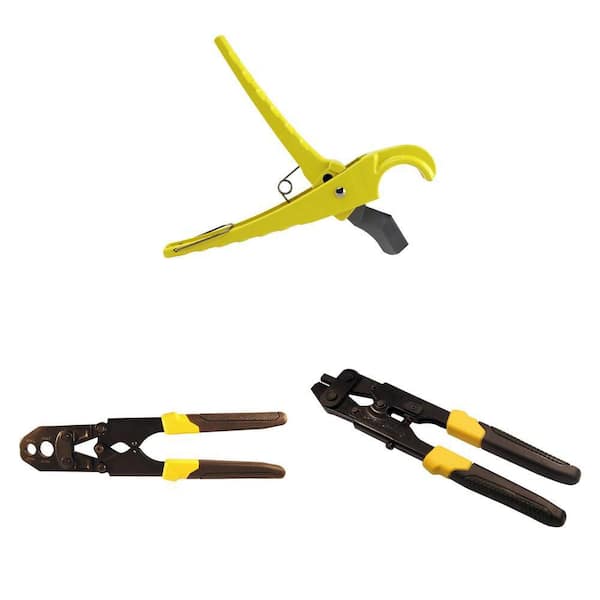
Some tubing cutters are made for plastic pipe, but a standard copper tubing cutter may not be suitable for PVC. Check the tool instructions and use a plastic pipe cutter or fine-tooth saw when required.
Is a hand drain auger better than a plunger?
Neither tool is always better. A plunger works well for many nearby clogs, while a hand drain auger can reach and hook blockages farther inside the drain.
Should a pipe wrench be used on chrome fittings?
A standard pipe wrench can scratch or gouge chrome and other finished surfaces. Use a strap wrench or a smooth-jaw tool when protecting the finish matters.
Conclusion
The answer to what are four hand tools specific to plumbing is simple: a pipe wrench, basin wrench, tubing cutter, and hand drain auger. Each tool solves a different problem, and using the right one protects both the plumbing and the person doing the repair.
Start with a small, quality tool set. Learn how each tool grips, cuts, or clears before applying force. With practice, careful preparation, and respect for safety limits, you can handle many basic plumbing tasks with confidence. Explore more plumbing repair guides, build your tool kit over time, and share your own tips or questions in the comments.
