

The 10 essential hand tools are hammers, screwdrivers, pliers, wrenches, tape measures, utility knives, saws, levels, and hex keys.
Knowing what are the 10 hand tools helps you build a useful kit for home repairs, woodworking, automotive work, and general maintenance. Each tool has a clear job, but choosing the right size, material, and design matters just as much as owning it. This guide explains the purpose, best uses, safety tips, and limits of each tool so you can work with more skill and confidence.
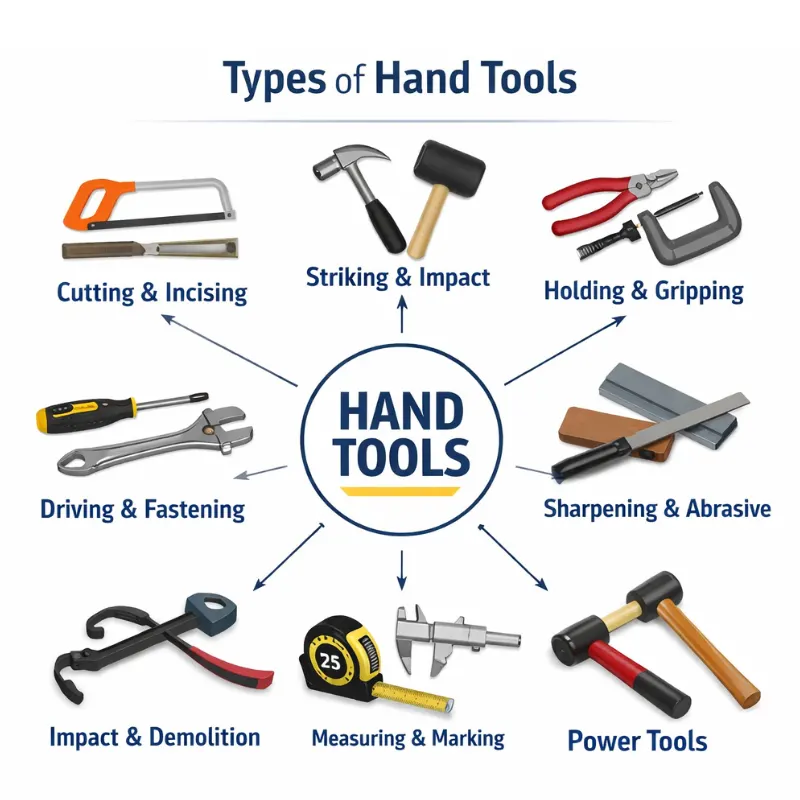
What Are the 10 Hand Tools?
When people ask what are the 10 hand tools, they usually mean the basic tools found in a practical home or workshop kit. These tools work without a motor or battery. You provide the force by hand, which gives you better control for many small jobs.
The following list covers the most useful hand tools for common repairs and projects:
- Claw hammer
- Screwdrivers
- Pliers
- Adjustable wrench
- Combination wrench
- Tape measure
- Utility knife
- Handsaw
- Level
- Hex key set
This list is not the only possible answer. A plumber, electrician, carpenter, or mechanic may choose a different set. Still, these 10 tools form a strong starting point for most households and beginner workshops.
A good tool kit is like a small first-aid kit for your home. It cannot solve every problem, but it can handle many small issues before they become costly repairs.
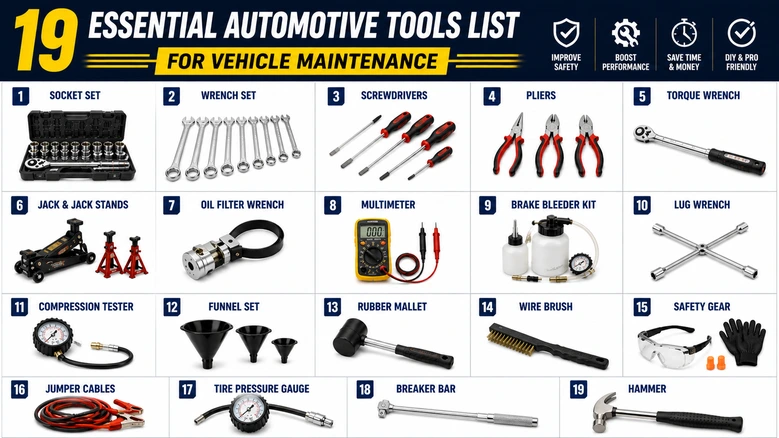
1. Claw Hammer
A claw hammer is one of the most recognizable hand tools. It has a weighted head for driving nails and a curved claw for pulling nails out of wood. Most general-purpose claw hammers weigh between 16 and 20 ounces.
The hammerhead often has two sides:
• The face drives nails into wood, drywall, or other suitable materials.
• The claw removes nails and can help lift small boards.
• The handle provides grip and balance during each swing.
A smooth face is a good choice for general home repairs. A textured face can reduce nail slipping, but it may leave marks on finished wood. For furniture work, a smaller hammer or rubber mallet may be safer.
When I use a hammer, I first check that the handle has no cracks and that the head is secure. A loose hammerhead can fly off and cause serious harm. I also hold the nail near the top, then move my fingers away after the first light tap.
Common mistakes include using a hammer as a pry bar or striking metal objects with a standard claw hammer. These actions can damage the tool or send metal fragments into the air. Wear safety glasses when driving nails, removing staples, or working with hard materials.
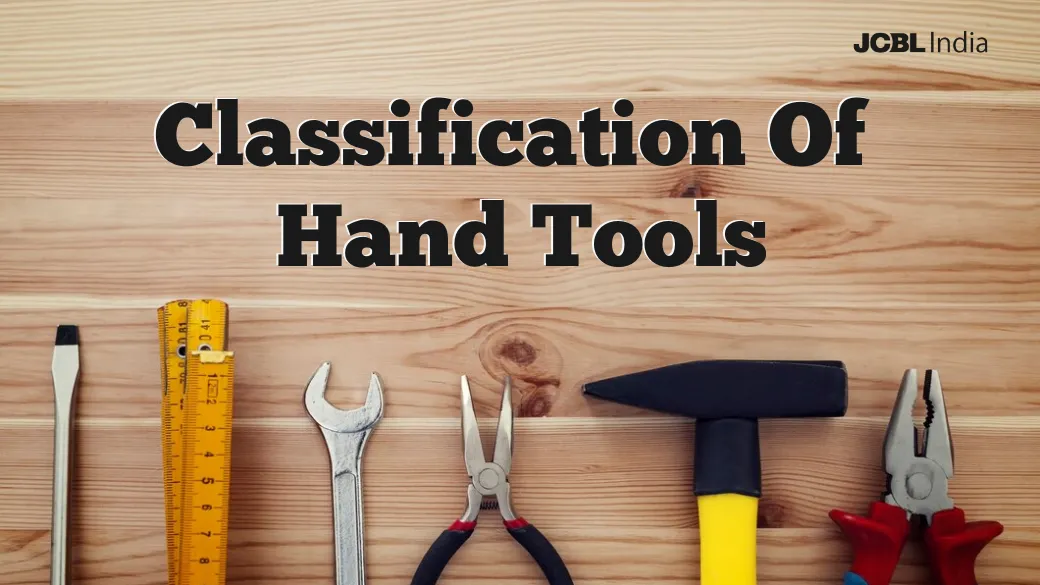
2. Screwdrivers
Screwdrivers turn screws in or out. They are among the most important answers to the question, what are the 10 hand tools, because screws appear in furniture, appliances, electronics, cabinets, and building hardware.
The two most common types are:
• Flat-head screwdrivers have a straight blade for slotted screws.
• Phillips screwdrivers have a cross-shaped tip for Phillips screws.
You may also need Torx, square, or hex screwdrivers. Torx screws have a star-shaped recess and are common in vehicles, appliances, and modern construction. Using the correct tip helps prevent damage to both the screw and the tool.
A screwdriver should fit the screw head closely. If the tip wiggles, it may slip and strip the screw. Press down firmly while turning slowly, especially when removing an old or tight screw.
A basic screwdriver set should include several sizes. A large tip cannot safely replace a small one. The wrong size may damage the screw head or cause a hand injury when the tool slips.
Avoid using a screwdriver as a chisel, pry bar, or punch. The tip can bend, break, or slip. Insulated screwdrivers are useful for electrical work, but insulation does not make every electrical task safe. Turn off power and follow proper electrical safety rules before working near wiring.

3. Pliers
Pliers grip, bend, twist, cut, or hold materials. They use two handles connected by a pivot. This design increases your hand strength and gives you control over small parts.
Useful types of pliers include:
• Slip-joint pliers for general gripping and light turning
• Long-nose pliers for reaching narrow spaces
• Diagonal-cutting pliers for cutting wire
• Locking pliers for holding an object firmly
• Tongue-and-groove pliers for larger nuts, pipes, and fittings
Pliers are useful in plumbing, electrical work, crafting, automotive repair, and household maintenance. Long-nose pliers can pull a small nail from a tight corner. Locking pliers can hold a broken bolt while you work on it.
One lesson I have learned from hand-tool work is that pliers should not replace a wrench. Pliers can round the corners of a nut, especially when the jaws are worn or the fit is poor. Use a wrench when you need to turn a hexagonal fastener.
Do not use ordinary pliers to cut live electrical wire. Use properly rated insulated tools, and make sure the circuit is off. Check the cutting edges often, and keep fingers clear of the jaws.
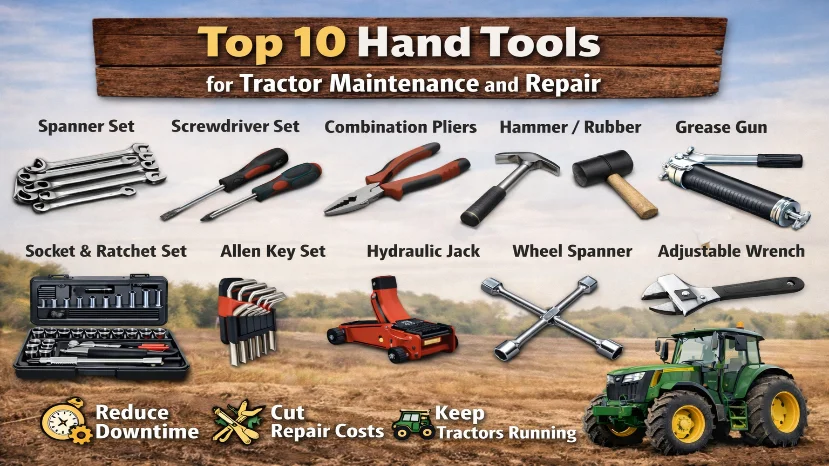
4. Adjustable Wrench
An adjustable wrench has one fixed jaw and one movable jaw. A small screw changes the opening, allowing the wrench to fit different nut and bolt sizes.
This tool is often called a crescent wrench in the United States. It is useful for plumbing repairs, furniture assembly, bicycle work, and general maintenance.
To use it correctly:
- Adjust the jaw until it fits the fastener closely.
- Place the wrench fully over the flat sides of the nut.
- Keep the movable jaw facing the direction of force when possible.
- Pull smoothly instead of jerking the handle.
A loose fit can round the fastener. A rounded nut may become difficult to remove and may require a specialty tool. For repeated work, a fixed-size combination wrench usually provides a better grip.
An adjustable wrench is convenient, but it has limits. It is not ideal for high-torque work, seized bolts, or delicate fasteners. Never add a pipe to the handle to increase force. The wrench may break, or the fastener may fail suddenly.
When considering what are the 10 hand tools, the adjustable wrench earns its place because one tool can cover many sizes. Its flexibility makes it especially useful in a small home tool kit.

5. Combination Wrench
A combination wrench has two ends with the same size. One end is open, and the other end is a closed ring, often called a box end.
The open end slides over a nut from the side. The box end surrounds the fastener and usually provides better contact. The ring end is often the better choice when a bolt is tight because it spreads force across more corners.
Combination wrench sets are sold in standard and metric sizes. Standard sizes are measured in fractions of an inch. Metric sizes are measured in millimeters. Using the wrong system can damage a fastener.
A common mistake is choosing a wrench that is nearly the right size. A 10-millimeter wrench and a 3/8-inch wrench may look similar, but they are not the same. Select the exact size before applying force.
Keep wrenches clean and dry. Oil on the handle can cause your hand to slip. If a fastener will not turn, use penetrating oil when suitable, allow time for it to work, and use the right wrench instead of forcing a poor fit.
6. Tape Measure
A tape measure helps you find length, width, height, and distance. It is essential for hanging shelves, cutting materials, placing furniture, measuring rooms, and planning repairs.
Most household tape measures use a retractable metal blade. Common lengths include 12, 16, 25, and 30 feet. A 25-foot model is a practical choice for most home projects.
Important parts include:
• The blade shows measurements.
• The hook catches the edge of an object.
• The lock holds the blade in place.
• The case protects the internal spring.
Measure twice before cutting once. This simple habit prevents wasted wood, trim, wire, and other materials. I also write measurements down instead of trusting memory, especially when several cuts look similar.
Do not allow the blade to snap back at full speed. The metal edge can cut skin or damage the hook. Keep the blade clean, and replace a tape measure if the end hook is bent or the markings are difficult to read.
For precise work, check whether the measurement starts at the hook or at the case. Many tape measures allow the hook to move slightly to account for inside and outside measurements. This design is useful, but it can confuse beginners.
7. Utility Knife
A utility knife uses a sharp replaceable blade to cut cardboard, plastic, carpet, drywall paper, rope, and packaging. It is also called a box cutter or razor knife.
Common designs include:
• Fixed-blade knives for strong, controlled cuts
• Retractable-blade knives for safer storage
• Folding utility knives for compact carrying
• Hook-blade knives for carpet and roofing materials
Always cut away from your body and keep your free hand away from the blade path. Use a cutting mat or stable work surface when possible. Do not cut toward your fingers, legs, or another person.
A dull blade is often more dangerous than a sharp one. It requires extra force and may slip without warning. Replace the blade when it drags, tears material, or needs unusual pressure.
Store the knife with the blade fully retracted or covered. Never leave an open utility knife on a floor, workbench, or chair. Small safety habits matter because utility knife injuries can happen in a second.
The utility knife is a simple but powerful answer to what are the 10 hand tools. It handles many quick tasks, but it demands careful control.
8. Handsaw
A handsaw cuts wood without electricity. It has a rigid blade with teeth that remove material as you push and pull the saw through a board.
Common hand saws include:
• A panel saw for general wood cutting
• A back saw for accurate trim and joinery cuts
• A coping saw for curved cuts
• A keyhole saw for small openings in drywall
• A hacksaw for cutting metal and plastic
Choose the saw based on the material and cut. Wood saws and metal saws have different tooth shapes. Using the wrong blade can produce a poor cut and may damage the saw.
Secure the material before cutting. Mark the cut line clearly, then begin with short, gentle strokes. Once the teeth create a groove, use longer strokes and let the saw do the work.
I have found that beginners often push too hard. This makes the blade bend and causes rough cuts. A steady rhythm usually works better than force.
Wear eye protection when sawing. Wood chips, plastic pieces, and metal fragments can travel toward your face. Keep the blade clean and replace it when the teeth are dull or damaged.
9. Level
A level shows whether a surface is horizontal, vertical, or at a specific angle. The most common type is a spirit level, which uses a liquid-filled vial and an air bubble.
A standard level may include:
• A horizontal vial for checking level surfaces
• A vertical vial for checking plumb surfaces
• A 45-degree vial for checking angled work
Levels come in many lengths. A short torpedo level is useful for shelves, pipes, and tight spaces. A longer level is better for walls, cabinets, doors, and large surfaces because it shows unevenness across a greater distance.
Place the level on a clean surface. If dirt or debris sits under it, the reading may be wrong. Check the bubble between the marked lines, then turn the level around and test again. If the result changes, the level may be damaged or inaccurate.
Do not use a level as a hammer or pry bar. The frame can bend, and the vial may break. Store it where it will not fall or become buried under heavy tools.
A level turns guesswork into a clear measurement. That makes it one of the most valuable tools for home improvement.
10. Hex Key Set
A hex key set contains small L-shaped or T-shaped tools with six-sided ends. These tools fit hexagonal sockets in bolts and screws.
Hex keys are also called Allen keys or Allen wrenches. They are common in:
• Ready-to-assemble furniture
• Bicycles
• Exercise equipment
• Machinery
• Automotive parts
• Door handles
Hex keys come in metric and standard sizes. Furniture made outside the United States often uses metric fasteners, while some American products use inch-based sizes. A complete set with both systems can prevent frustration.
Insert the short or long end based on the space and torque needed. Make sure the key is fully seated before turning. A partially inserted key can round the socket.
Ball-end hex keys allow angled access, but they are not always suitable for high torque. Use the straight end when a fastener is tight. Replace a hex key if its corners become rounded.
When people ask what are the 10 hand tools, they sometimes overlook hex keys because they are small. In real projects, however, one missing hex key can stop an entire furniture or bicycle repair.
How to Choose Quality Hand Tools
The best hand tools are not always the most expensive. Look for sound design, strong materials, comfortable grips, and a warranty that matches your needs.
Consider these points:
• Choose tools made from hardened steel for strength and wear resistance.
• Look for handles that feel secure without sharp edges.
• Select sizes that match your common tasks.
• Buy metric and standard sizes when you work with mixed fasteners.
• Check that moving parts operate smoothly.
• Avoid tools with cracks, loose heads, bent shafts, or damaged jaws.
For occasional home use, a reliable mid-range set is often enough. Professional users may need tools with stronger alloys, tighter tolerances, and long-term service support.
A large tool collection is not automatically a useful one. Ten well-chosen tools can be more valuable than a crowded box filled with poor-quality items.
Hand Tool Safety Tips
Hand tools are simple, but they can still cause cuts, bruises, eye injuries, and strains. The main risks come from damaged tools, poor technique, and rushing.
Follow these basic safety practices:
• Read the instructions for unfamiliar tools.
• Wear safety glasses when cutting, hammering, or removing fasteners.
• Keep handles clean and dry.
• Inspect tools before each use.
• Clamp or secure work whenever possible.
• Keep sharp edges covered during storage.
• Use the right tool for the job.
• Keep children and pets away from active work areas.
• Do not modify a tool unless the manufacturer allows it.
• Stop working when you are tired or distracted.
Workplace safety guidance commonly stresses tool inspection, proper selection, and protective equipment. Those principles also apply in a home garage or kitchen. A safe setup may take an extra minute, but it can prevent an injury that lasts for weeks.
Electricity requires special care. Standard hand tools should not be used on energized circuits. Shut off the correct breaker, verify that power is off with an appropriate tester, and hire a qualified electrician when the task exceeds your training.
How to Maintain Hand Tools
Good maintenance extends tool life and improves safety. Wipe tools after use, especially when they contact water, dirt, or oil.
Use these simple care steps:
- Remove dirt with a dry cloth or brush.
- Dry tools before storage.
- Apply a light protective oil to suitable metal surfaces.
- Sharpen cutting tools with the correct method.
- Tighten loose screws, pivots, or handles.
- Replace damaged parts when available.
- Store tools in a dry box, drawer, or cabinet.
Do not soak every tool in oil. Excess oil can attract dust and make handles slippery. Keep cutting edges protected, and do not store sharp tools loose in a crowded drawer.
A basic tool checklist can help. Before finishing a project, return each tool to its place and check for damage. This habit makes the next job faster and reduces the chance of losing a small but important tool.
Common Mistakes to Avoid
Understanding what are the 10 hand tools also means learning what not to do with them. Many tool injuries and damaged fasteners come from small mistakes rather than difficult tasks.
Avoid these errors:
• Using pliers instead of the correct wrench
• Using a screwdriver as a pry tool
• Striking a hardened object with the wrong hammer
• Cutting without securing the material
• Using a dull utility blade
• Ignoring eye protection
• Mixing metric and standard fasteners
• Applying too much force too quickly
• Leaving tools outside in rain or damp air
• Carrying an open knife in a pocket
The right tool should make a job easier, not more dangerous. If a tool feels unstable, slips often, or requires extreme force, stop and reassess the task.
One of the most useful lessons in practical repair is patience. A fast fix that damages a screw, board, or pipe often takes longer than a careful first attempt.
A Practical Starter Tool Kit
If you are building your first collection, start with tools that solve common problems. You do not need every specialty tool on the first day.
A practical starter kit may include:
• One 16-ounce claw hammer
• A flat-head and Phillips screwdriver set
• Slip-joint and long-nose pliers
• One adjustable wrench
• A metric and standard combination wrench set
• A 25-foot tape measure
• A retractable utility knife
• A general-purpose handsaw
• A 9-inch torpedo level
• A metric and standard hex key set
Add safety glasses, work gloves, a flashlight, and a small storage box. These items are not part of the traditional list of 10 hand tools, but they make tool use safer and more convenient.
As your skills grow, you may add a socket set, drill, clamps, files, a stud finder, or specialty tools for your hobbies. Buy based on actual tasks instead of collecting tools simply because they look useful.
Frequently Asked Questions About What Are the 10 Hand Tools
What are the 10 hand tools used for?
The 10 hand tools are used for fastening, cutting, measuring, gripping, leveling, and basic repair work. They include a hammer, screwdrivers, pliers, wrenches, a tape measure, a utility knife, a handsaw, a level, and hex keys.
Which hand tool should a beginner buy first?
A beginner should start with a screwdriver set, claw hammer, pliers, adjustable wrench, tape measure, utility knife, level, handsaw, combination wrenches, and hex keys. Choose dependable tools with comfortable handles rather than the cheapest available set.
Are hand tools better than power tools?
Hand tools offer control, quiet operation, and easy use for small jobs. Power tools are faster for repeated or heavy work, but they need more training, power, and safety care.
What is the most important hand tool?
There is no single best tool for every task. A screwdriver set and hammer are often the most useful for basic home repairs, while a tape measure and level are essential for accurate installation work.
Should I buy metric or standard hand tools?
Buy metric tools for metric fasteners and standard tools for inch-based fasteners. If you repair furniture, bicycles, vehicles, or imported products, owning both systems can save time and prevent damaged fasteners.
How should hand tools be stored?
Store hand tools in a dry toolbox, drawer, cabinet, or wall organizer. Keep sharp tools covered, wipe away moisture, and avoid placing heavy objects on levels or tools with delicate parts.
Conclusion
The answer to what are the 10 hand tools includes the claw hammer, screwdrivers, pliers, adjustable wrench, combination wrench, tape measure, utility knife, handsaw, level, and hex key set. Together, they handle many everyday tasks, from hanging a shelf to tightening a bolt or cutting a board.
Use the right tool, choose the correct size, and work at a steady pace. Start with a small, reliable kit, practice safe habits, and add specialty tools as your projects grow. Explore more repair guides, improve your technique, and share your favorite hand-tool tips in the comments.
