

Hand tools are used to cut, fasten, shape, measure, repair, and build materials without powered machinery.
If you have ever tightened a loose screw, hung a picture, fixed a bike, or repaired a leaking pipe, you have used a hand tool. This guide explains what are hand tools used for, how common tools work, which tool fits each job, and how to use them safely. The advice also reflects practical lessons from everyday repair and workshop tasks, where the right tool often saves time, damage, and frustration.
What Are Hand Tools?
Hand tools are devices powered by human effort rather than electricity, batteries, air pressure, or fuel. They include simple tools such as hammers, screwdrivers, pliers, wrenches, saws, files, and measuring tools.
People use hand tools in homes, workshops, construction sites, farms, garages, and factories. Some tools are very basic, while others have special designs for plumbing, electrical work, woodworking, automotive repair, or metalwork.
The main answer to what are hand tools used for is simple: they help people control force and perform precise physical tasks. A hand tool acts like an extension of your hand. It gives you better reach, grip, leverage, cutting power, or accuracy.
What Are Hand Tools Used For?
Hand tools are used for many tasks that involve changing, joining, moving, measuring, or inspecting materials. Their uses depend on their design and the type of work involved.
Common uses include:
• Cutting wood, plastic, wire, drywall, and thin metal
• Driving and removing screws, nails, bolts, and staples
• Holding, gripping, bending, and twisting materials
• Tightening and loosening nuts and bolts
• Measuring length, depth, angles, and level
• Shaping wood, metal, and other materials
• Removing rust, paint, burrs, and rough edges
• Installing hardware and household fixtures
• Repairing vehicles, appliances, furniture, and machines
• Performing craft, hobby, and do-it-yourself projects
A hand tool is often more useful than a power tool when the job needs control. For example, a manual screwdriver gives you a better feel when working with a small screw. This can help prevent stripped screw heads or damaged surfaces.
Hand tools are also useful where power is not available. A carpenter can use a handsaw on a remote job site, and a homeowner can use pliers during a short repair without searching for a charged battery.
Main Types of Hand Tools and Their Uses
Understanding tool categories makes it easier to choose the right tool. Each type is built to apply force in a specific way.
Cutting Tools
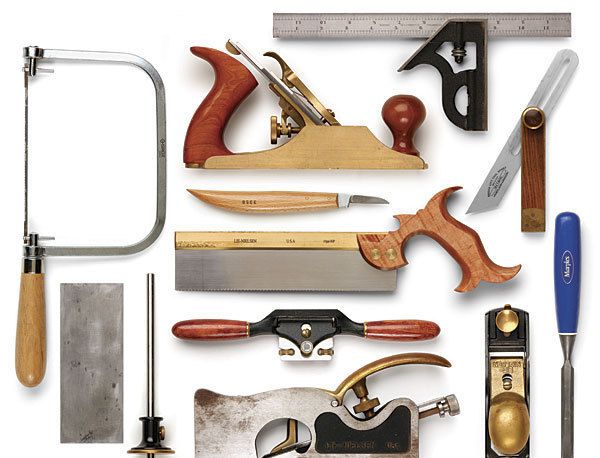
Cutting tools remove material or divide one object into smaller parts. Examples include handsaws, utility knives, wire cutters, bolt cutters, tin snips, and chisels.
A handsaw can cut lumber, while a hacksaw is designed for many types of metal and plastic pipe. Wire cutters cut electrical wire, but they should not be used to cut hardened bolts unless the tool is designed for that purpose.
A sharp blade usually works better than a dull one. A dull tool needs more force and is more likely to slip. Replace damaged blades and keep your free hand away from the cutting path.
Fastening Tools
Fastening tools join parts together. Screwdrivers, nut drivers, wrenches, socket sets, hammers, and staple guns are common examples.
A Phillips screwdriver fits a cross-shaped screw head. A slotted screwdriver fits a straight slot. Using the wrong tip can damage both the tool and the fastener.
Wrenches and sockets apply turning force to nuts and bolts. An adjustable wrench is useful for general work, but a correctly sized fixed wrench often grips better and reduces the chance of rounding the fastener.
Gripping and Holding Tools
Pliers and clamps hold objects in place or help you bend and twist materials. Common examples include slip-joint pliers, needle-nose pliers, locking pliers, tongue-and-groove pliers, and bar clamps.
Needle-nose pliers work well in tight spaces. Locking pliers can hold a part firmly for cutting or loosening. Tongue-and-groove pliers are useful for plumbing fittings and large objects.
Pliers are not a replacement for every wrench. Using pliers on a polished nut may leave marks or damage its corners. Choose a wrench when the fastener needs a clean, even grip.
Striking Tools
Striking tools deliver impact. Hammers, mallets, dead-blow hammers, and rubber mallets are common examples.
A claw hammer drives and removes nails. A ball-peen hammer is often used in metalwork. A rubber mallet can tap parts into place without leaving the same marks as a steel hammer.
The striking face must match the task. Never use a hammer with a loose head, cracked handle, or mushroomed striking surface. Small metal fragments can break away and cause serious eye injuries.
Measuring and Layout Tools
Measuring tools help you plan and check work. Tape measures, rulers, squares, levels, calipers, and marking gauges are widely used.
A tape measure checks length. A combination square checks right angles and can mark lines. A spirit level checks whether a surface is level or plumb. Calipers measure inside and outside dimensions with greater precision.
Good measuring habits prevent many repair errors. Measure twice before cutting, and mark the cut line clearly. A few seconds of planning can save a full piece of material.
Shaping and Finishing Tools
Files, rasps, planes, scrapers, chisels, and sanders shape or smooth materials. Woodworkers use planes and chisels to remove small amounts of wood. Metalworkers use files to smooth edges and fit parts.
A file cuts best when you push it across the material rather than drag it backward. Keep a handle on a file because its pointed tang can injure your hand.
A chisel should be sharp and used with controlled force. Never place your hand in front of the cutting edge, and use a mallet made for the chisel when possible.
What Are Hand Tools Used for at Home?
At home, hand tools support basic maintenance, furniture assembly, gardening, decorating, and minor repairs. A small tool kit can handle many common tasks.
Home uses include:
• Hanging shelves, mirrors, and picture frames
• Assembling tables, cabinets, and flat-pack furniture
• Tightening cabinet handles and door hardware
• Replacing batteries and small appliance parts
• Repairing loose hinges and drawer slides
• Cutting garden twine, wire, and light branches
• Opening paint cans and removing old caulk
• Fixing bicycles and toys
• Measuring rooms and marking wall locations
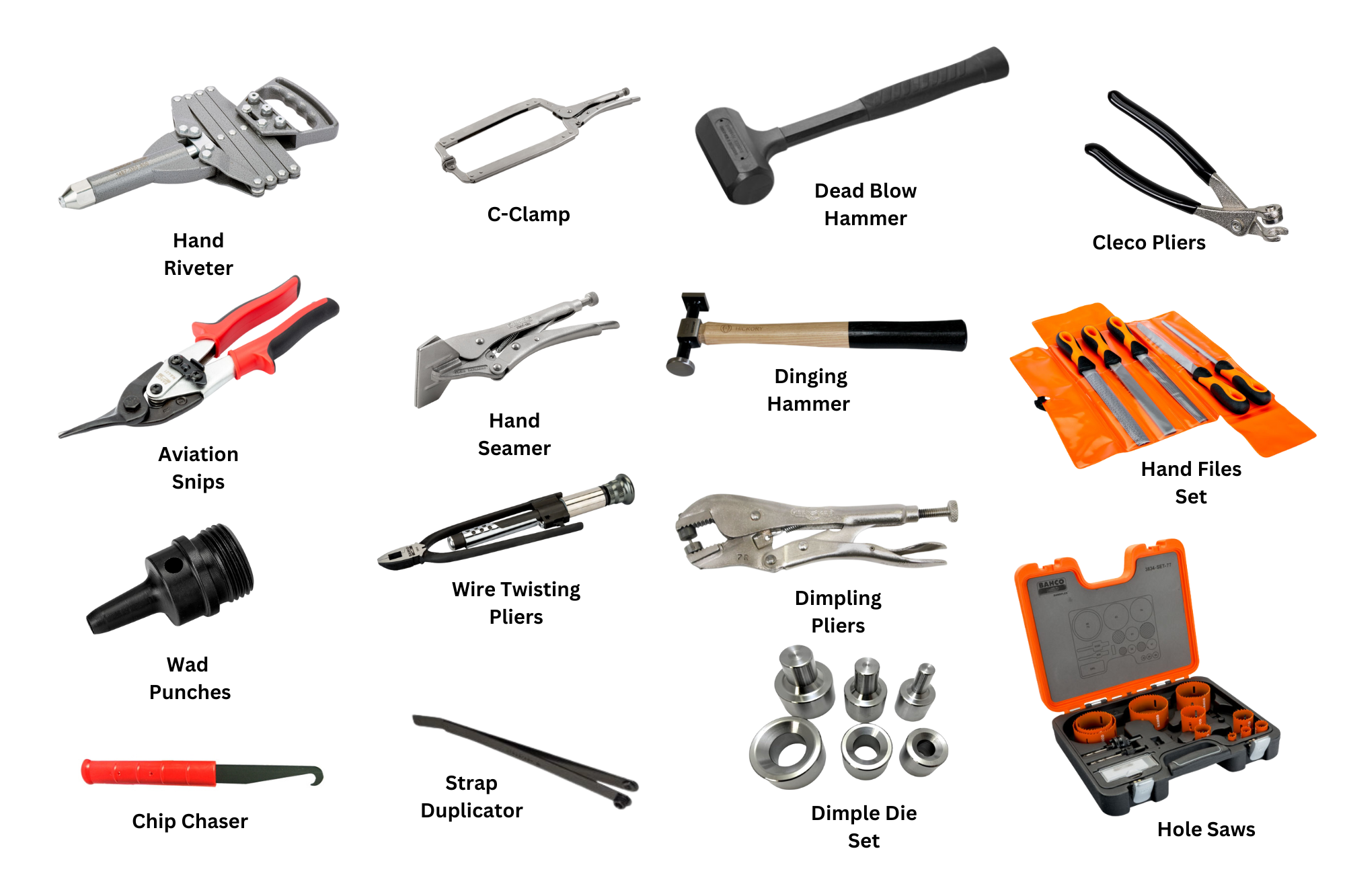
A basic home toolkit should include a tape measure, claw hammer, screwdrivers, adjustable wrench, pliers, utility knife, level, hex keys, and safety glasses. Add a stud finder if you often mount items to walls.
One lesson many people learn during home repairs is that force cannot replace accuracy. If a screw will not turn, pushing harder may strip the head. First check whether you are using the right bit, the correct direction, and enough downward pressure.
What Are Hand Tools Used for in Construction?
Construction workers use hand tools to measure, cut, fasten, shape, lift, and finish building materials. Although power tools save time, hand tools remain essential for detail work and tasks that require careful control.
Carpenters use hammers, nail sets, levels, squares, chalk lines, handsaws, chisels, and utility knives. Drywall installers use taping knives, drywall saws, utility knives, and measuring tools. Masonry workers use trowels, jointers, levels, and masonry hammers.
Hand tools are also important during setup and final adjustment. A worker may use a wrench to align hardware, a file to remove a burr, or a screwdriver to make a small adjustment that would be awkward with a power tool.
Workplace safety rules stress regular inspection and proper use. Damaged handles, loose heads, worn jaws, and dull blades can cause injuries. Tools should be kept clean, stored safely, and used only for their intended purpose.
What Are Hand Tools Used for in Automotive Repair?
In automotive work, hand tools help remove, install, adjust, and inspect vehicle parts. Common tools include combination wrenches, socket sets, ratchets, torque wrenches, screwdrivers, pliers, hex keys, pry bars, and inspection mirrors.
A socket and ratchet can remove bolts in tight areas. A torque wrench applies a measured amount of force when a manufacturer specifies a tightening value. This matters because a loose fastener may fail, while an over-tightened one may damage threads or parts.
Specialty hand tools also have important roles:
• Oil filter wrenches remove tight filters
• Brake spring pliers help service drum brakes
• Feeler gauges check small gaps
• Spark plug sockets remove and install spark plugs
• Hose clamp pliers reach clamps in narrow spaces
• Trim tools remove interior panels with less damage
Always support a raised vehicle with approved jack stands. A jack alone is not a safe support system. Also disconnect the battery when a repair involves electrical components or a risk of short circuits.
What Are Hand Tools Used for in Electrical and Plumbing Work?
In electrical work, hand tools are used to strip, cut, bend, connect, and test wires. Lineman’s pliers, wire strippers, cable cutters, insulated screwdrivers, and voltage testers are common examples.
Electrical work requires extra care. Turn off the correct circuit and verify that power is off with a properly rated tester. Insulated handles reduce risk, but they do not make live electrical work safe.
In plumbing, hand tools help install, tighten, loosen, cut, and seal pipes and fittings. Pipe wrenches, basin wrenches, tubing cutters, adjustable pliers, and deburring tools are widely used.
Avoid over-tightening plumbing fittings. Too much force can crack a fitting, damage threads, or cause leaks. In my experience, a clean connection and the right seal method usually work better than simply applying more force.

Benefits of Using Hand Tools
Hand tools offer several advantages over powered equipment. They are often simple, affordable, portable, and easy to maintain.
Key benefits include:
• Better control for small or delicate tasks
• No battery, cord, or fuel required
• Lower noise than most power tools
• Easy storage in a small toolbox
• Low maintenance when kept clean and dry
• Useful during power outages or remote work
• Lower risk of damaging materials when used correctly
• Suitable for beginners and skilled workers
Hand tools also build practical skill. They teach you how materials respond to pressure, impact, friction, and movement. That knowledge helps you use power tools more safely and effectively later.
However, hand tools are not always the fastest option. Cutting thick lumber by hand can take much longer than using a circular saw. The best choice depends on the material, job size, required accuracy, available power, and level of risk.
Limitations of Hand Tools
Hand tools have limits. They depend on human strength and may not be suitable for heavy production work, very hard materials, or repeated tasks.
Common limitations include:
• Slower work on large projects
• More physical effort
• Possible hand, wrist, or back strain
• Less consistency during repeated cuts
• Limited ability to handle thick or hard materials
• Greater fatigue during long tasks
Fatigue can reduce accuracy and increase injury risk. Take short breaks, change position, and use a tool with a comfortable grip. If a task requires extreme force, stop and reassess the tool and method.
A hand tool may also be unsafe when used as a substitute for a specialized tool. Do not use a screwdriver as a chisel, a knife as a pry bar, or pliers as a hammer. These shortcuts can damage the tool and cause sudden slips.
How to Choose the Right Hand Tool
Choosing the right hand tool starts with the task, not the brand. Identify what must be cut, fastened, held, measured, or shaped.
Use this simple process:
Identify the material, such as wood, metal, plastic, or masonry.
Decide what action is needed, such as cutting, turning, gripping, or measuring.
Select the correct size and tool type.
Check that the tool is in good condition.
Use protective equipment suited to the job.
Test the tool with light pressure before applying full force.
Fit matters. A wrench should fit the fastener closely. A screwdriver tip should match the screw head. A saw should have teeth suited to the material. The correct match improves control and reduces damage.
Quality matters, but the most expensive tool is not always necessary. Look for strong materials, comfortable handles, clear size markings, smooth movement, and a warranty from a reliable maker.
Hand Tool Safety and Maintenance
Safe tool use begins with inspection. Check handles, jaws, blades, cords on hybrid tools, striking faces, and moving parts before each use.
Follow these basic safety practices:
• Wear safety glasses when cutting, striking, drilling, or scraping
• Keep blades sharp and covered when stored
• Keep handles clean and dry
• Use clamps instead of holding work in your hand
• Cut away from your body
• Keep fingers behind cutting edges
• Use the correct tool for the job
• Carry sharp tools with the point facing down
• Store tools where children cannot reach them
• Clean tools after use and protect metal from rust
Maintenance extends tool life. Wipe away dirt and moisture, oil moving joints, sharpen cutting edges, and replace damaged parts. A well-kept hand tool feels more predictable, and predictability is a major part of safety.
Common Mistakes to Avoid
Many hand tool injuries come from simple mistakes rather than difficult tasks. The most common problem is using a tool for a purpose it was not designed to handle.
Avoid these errors:
• Using the wrong screwdriver size
• Striking a hardened tool with an ordinary hammer
• Applying a pipe extension to a tool not rated for extra force
• Cutting toward your hand or body
• Using a dull blade
• Working with a loose hammer head
• Leaving tools on floors or ladders
• Ignoring eye protection
• Using a damaged tool because the job seems quick
One mistake I often see in rushed repairs is skipping the measuring step. A quick guess may seem harmless, but a crooked cut or misplaced hole can turn a five-minute job into an expensive repair. Slow down at the start, and most jobs become easier.
Frequently Asked Questions About What Are Hand Tools Used For
What are hand tools used for in everyday life?
Hand tools are used for home repairs, furniture assembly, gardening, maintenance, crafts, and small construction tasks. They help people cut, fasten, measure, grip, shape, and repair materials.
What is the most common hand tool?
The screwdriver is one of the most common hand tools because many household items use screws. A hammer, tape measure, adjustable wrench, and pliers are also common in basic home toolkits.
Are hand tools better than power tools?
Hand tools are better for quiet, precise, portable, and small tasks. Power tools are often better for large jobs, thick materials, and repeated work, so the best choice depends on the task.
What hand tools should every homeowner own?
Most homeowners benefit from a tape measure, claw hammer, screwdriver set, adjustable wrench, pliers, utility knife, level, hex keys, and safety glasses. Add tools based on your home, hobbies, and repair needs.
How should hand tools be stored?
Store hand tools in a dry toolbox, cabinet, or wall organizer. Keep cutting edges covered, return each tool to its place, and avoid leaving metal tools in damp areas where rust can form.
Can hand tools cause injuries?
Yes. Cuts, eye injuries, crushed fingers, strains, and punctures can occur when tools are damaged or misused. Inspect tools, wear proper protection, and use the right tool for each task.
Conclusion
Hand tools are used to cut, fasten, grip, measure, shape, repair, and build. They remain valuable because they are portable, affordable, precise, and useful without electricity. From a small home repair to professional construction or automotive work, the right hand tool gives you control.
Start with a small, reliable toolkit and learn what each tool can safely do. Inspect your tools, measure carefully, and avoid shortcuts that replace the correct tool with extra force. Explore more repair guides, improve your practical skills, and share your favorite hand tool or project in the comments.
