How To Remove Lawn Mower Blade Without Wrench: Easy Method
You can remove a lawn mower blade without a standard open-end wrench, but you still need a safe way to hold the blade and turn the blade bolt. The best substitutes are a socket with a ratchet, locking pliers, or an impact driver with the correct socket.
Do not try to hold the blade with your hand. Disconnect the spark plug wire or battery first, block the blade, and check the owner’s manual for the correct bolt direction and mower position.
Introduction
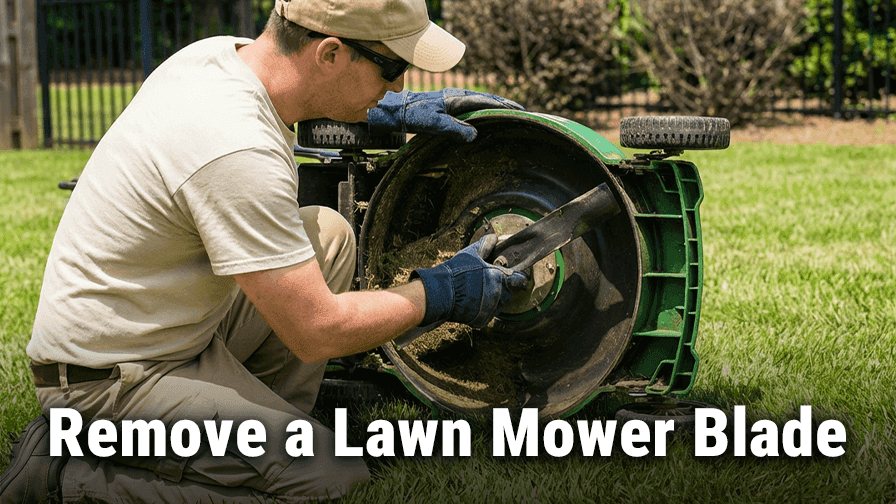
Removing a blade on a lawn mower in the United States is a common home maintenance job. Most walk-behind mowers use one central bolt to hold the blade to the crankshaft. Riding mowers often use one or more spindle bolts under the mower deck.
A regular wrench is useful, but it is not the only option. A six-point socket, locking pliers, or another tool may work if it fits the bolt and gives you enough control. The key is to avoid slipping, rounding the bolt, bending the blade, or allowing the engine to start.

What You Need Before You Start
Gather the right tools before lifting or tilting the mower. The exact bolt size varies by brand and model, so do not assume that a common size will fit.
You may need:
- Safety glasses and work gloves
- A wood block or commercial blade holder
- Locking pliers
- A socket that fits the blade bolt
- A ratchet, breaker bar, or impact driver
- Penetrating oil
- A wire brush or stiff brush
- A torque wrench for final tightening
- A replacement blade, if needed
- The mower’s owner’s manual
A socket is usually safer than pliers because it grips all six sides of the bolt head. If the bolt sits in a recessed area, locking pliers may not reach it. In that case, stop and get the correct socket instead of forcing another tool into the space.
Safety steps for a gas mower
- Park the mower on a flat surface.
- Turn off the engine and let it cool.
- Remove the ignition key, if fitted.
- Disconnect the spark plug wire.
- Move the wire away from the spark plug so it cannot touch the terminal.
- Close the fuel valve, if the mower has one.
- Prevent the mower from rolling.
Disconnecting the spark plug wire helps prevent an accidental start. Do not rely only on the ignition switch.
Safety steps for an electric mower
- Turn off the mower.
- Remove the battery pack.
- Remove the safety key, if the mower uses one.
- Keep the battery away from the mower while you work.
- Confirm that the blade cannot start.
Do not work on a battery-powered mower while the battery is installed, even if the mower appears to be off.
Find the correct mower position
For a walk-behind mower, follow the position shown in the manual. Many gas mowers can be tipped with the air cleaner and carburetor facing upward. This helps reduce the chance of fuel or oil entering parts where it does not belong.
Some electric mowers can be laid on their side, but the battery must be removed first. Riding mower decks often need to be lowered or removed. Never place your body under a raised riding mower deck unless it is fully supported with approved stands.
How to Remove the Blade Without a Standard Wrench
The safest method is to use a socket and ratchet. If you do not have a ratchet, a breaker bar or impact driver may work. If you have no socket or standard wrench, locking pliers are a last-resort option for a clean, exposed bolt head.
Method 1: Use a socket and ratchet
A socket is technically part of a wrench system, but it is often the tool people have when they do not have an open-end or combination wrench.
- Position the mower so you can reach the blade safely.
- Block the blade with a short piece of wood.
- Fit the correct socket fully over the bolt head.
- Turn the bolt counterclockwise unless the manual states otherwise.
- Use steady pressure rather than a sudden jerk.
- Remove the bolt, washer, and blade.
- Keep the parts in order for reassembly.
A six-point socket is better than a 12-point socket for a tight blade bolt. It places force on the flat sides of the bolt and lowers the chance of rounding the head.
If the bolt will not move, apply penetrating oil around the bolt. Wait according to the product label, then try again. Do not heat the bolt near gasoline, plastic parts, or the mower deck.
Method 2: Use locking pliers on the bolt head
Locking pliers can work when the bolt head is exposed and easy to grip. This method has a greater chance of damaging the bolt, so use it only when a proper socket is not available.
- Clean grass and dirt from the bolt head.
- Set the locking pliers to grip the bolt as tightly as possible.
- Clamp the pliers onto the flat sides of the bolt.
- Block the blade so it cannot rotate.
- Pull the pliers counterclockwise with slow, firm pressure.
- Stop if the pliers slip or begin to round the bolt.
Do not clamp the pliers onto the thin edge of the blade. The blade can cut through gloves and may move with enough force to cause injury. Grip only the bolt head or a suitable nut.
If the bolt sits inside a narrow blade adapter, locking pliers may not be safe or effective. A socket is the better choice.
Method 3: Use an impact driver with the correct socket
An impact driver can loosen a tight blade bolt without a hand wrench. It still requires the correct socket, and it should be used carefully.
- Disconnect the mower from all power sources.
- Block the blade.
- Fit an impact-rated socket to the driver.
- Place the socket squarely on the bolt.
- Use short bursts in the loosening direction.
- Stop once the bolt breaks free.
- Finish removing the bolt by hand.
Do not use a regular chrome socket with a high-powered impact tool. It may crack or fail. Also, do not use an impact driver for final tightening unless the manual gives a specific procedure. Over-tightening can damage the crankshaft, blade adapter, or bolt.
Method 4: Use a box-end tool from a basic tool set
A box-end wrench, combination wrench, or adjustable wrench may work even if you do not own a dedicated mower blade wrench. The tool must fit the bolt closely.
An adjustable wrench is less desirable because its jaws can spread under heavy force. If you use one, adjust it tightly against the bolt and keep it square. Replace the bolt if the corners are already rounded.
How to Hold the Blade Still
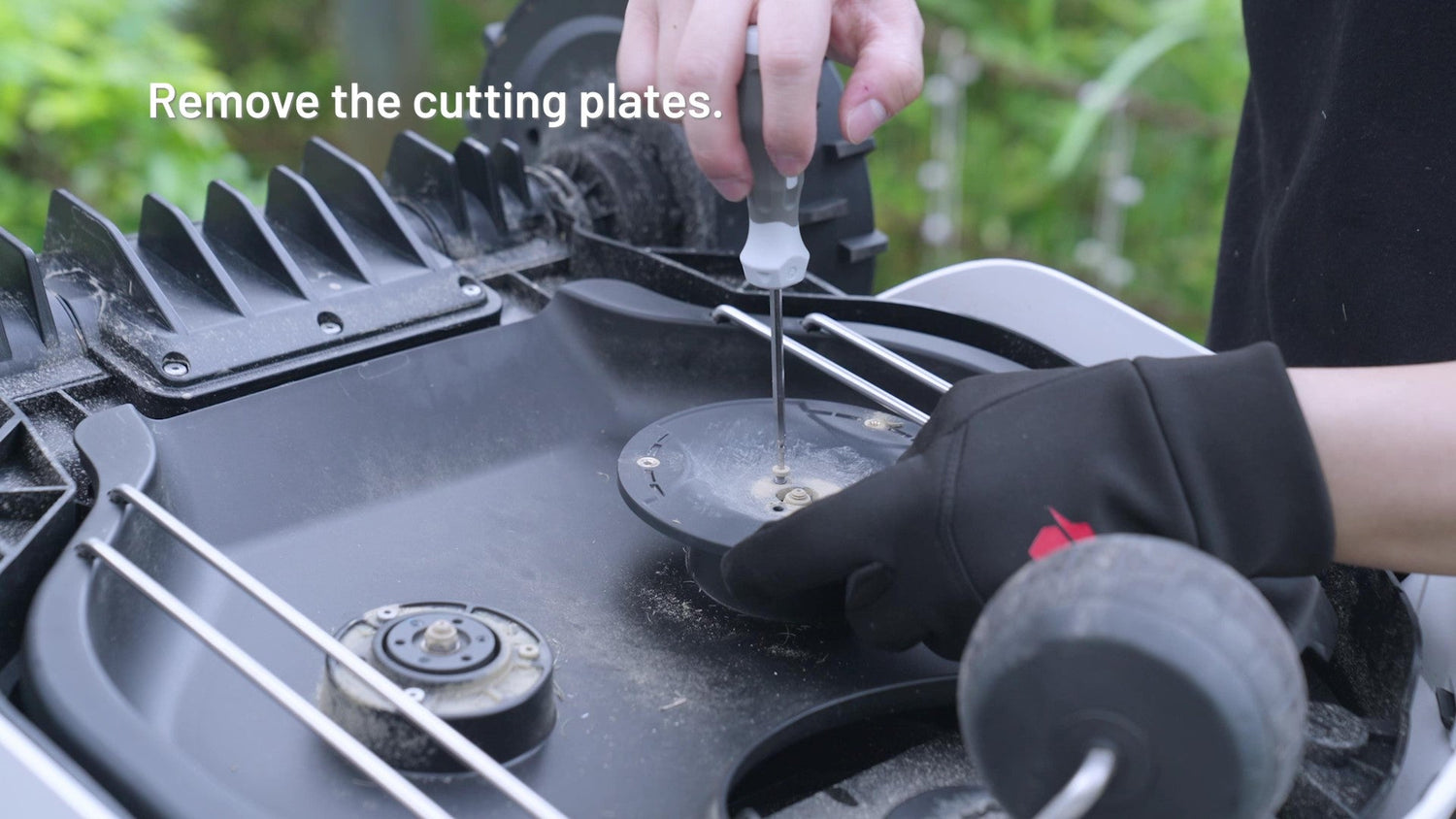
The blade must not spin while you turn the bolt. The simplest safe method is a wood block.
Place a thick piece of scrap wood against the inside of the mower deck so the blade presses into the wood when you turn the bolt. Keep your hands away from the blade edge.
A blade-holding tool can also lock the blade in place. Follow its instructions and make sure it is designed for the mower type you are servicing.
Do not use your foot, knee, or hand to hold the blade. Do not ask another person to hold it. If the tool slips, the blade can move without warning.
Which Tool Should You Use?
The right substitute depends on the bolt condition and how much space surrounds it.
| Situation | Best option | Main concern |
|---|---|---|
| Bolt is clean and easy to reach | Six-point socket | Must match the bolt size |
| Bolt is tight | Socket with breaker bar | Use steady force |
| Bolt head is exposed but no socket is available | Locking pliers | May round the bolt |
| Bolt is recessed | Correct socket | Pliers may slip |
| Bolt is badly rounded | Extractor socket or repair shop | Further force may worsen damage |
| Mower deck is hard to access | Follow the manual or remove the deck | Do not reach under an unsupported deck |
| Blade is bent or cracked | Replace the blade | Do not try to straighten it |
A tool that fits well is more important than a tool that looks powerful. A large pair of pliers can still fail if it grips only a small part of the bolt.
What to Do If the Blade Bolt Is Stuck
A stuck bolt usually needs better contact, more leverage, or rust treatment. Start with the least aggressive option.
- Clean the bolt and surrounding area.
- Apply penetrating oil.
- Wait for the product to work.
- Refit the socket or locking pliers.
- Tap the tool lightly to improve seating.
- Apply slow pressure.
- Use a longer breaker bar only if the tool remains square.
Avoid striking the blade or crankshaft. A hard impact can bend the blade, damage the blade adapter, or affect the engine shaft.
If the bolt begins to round, stop. Continuing with pliers can turn a simple blade change into a bolt extraction job. Use a bolt extractor socket or take the mower to a small-engine repair shop.
When the blade spins instead of the bolt
The blade may spin because it is not blocked, or because the blade adapter is turning with the crankshaft. Reposition the wood block so the blade presses against it in the loosening direction.
If the blade still moves, use a proper blade holder. Do not add more force while holding the blade by hand.
When the bolt turns but does not come out
The bolt may have damaged threads, a worn washer, or a damaged blade adapter. Keep turning only if the bolt comes out smoothly.
Once removed, inspect:
- The bolt threads
- The washer
- The blade center hole
- The blade adapter
- The crankshaft end
- Any key, spacer, or alignment feature
Replace damaged hardware with the part specified for your mower. Do not substitute a random bolt with a similar-looking one.
How to Install the Blade Again
Installation is just as important as removal. A blade that is backward, loose, or poorly seated can cause vibration and damage.
- Clean the mounting area.
- Check the blade for cracks, bends, and excessive wear.
- Install the blade in the correct direction.
- Match the blade’s center hole and alignment features.
- Reinstall the washer and bolt in the correct order.
- Hold the blade with a block or blade holder.
- Tighten the bolt to the torque listed in the owner’s manual.
- Reconnect the spark plug wire or reinstall the battery only after the work is complete.
- Start the mower briefly and watch for abnormal vibration.
Most mower blades have a raised or curved side that faces the mower deck. The cutting edge normally faces the direction of rotation. However, blade designs differ, so use the markings and manual for your model.
Do not guess the final torque. A loose bolt can allow the blade to detach. An overly tight bolt can damage the crankshaft or make future removal difficult.
Signs the Job Was Done Correctly
The blade should sit flat against its mounting surface. The bolt should be tight, and the blade should not wobble when you rotate it by hand with the power source disconnected.
After starting the mower, watch for:
- Little or no unusual vibration
- No scraping sound
- No blade movement from side to side
- No loose hardware
- Normal cutting performance
Shut the mower off at once if it shakes, makes a metal-on-metal sound, or produces a new knocking noise. Disconnect the spark plug wire or battery before inspecting it.
A vibration may come from a bent blade, incorrect installation, missing washer, damaged adapter, or debris under the deck. Replacing the blade without finding the cause may not solve the problem.
Common Mistakes to Avoid
Turning the bolt the wrong way
Most mower blade bolts loosen counterclockwise when viewed from the bolt head. Some equipment can use unusual thread arrangements, so check the manual before applying high force.
Using the wrong tool size
A loose-fitting tool can round the bolt. Metric and U.S. customary sizes may look close but are not interchangeable.
Holding the blade with your hand
Even a stationary blade has sharp edges. The blade can move when the bolt breaks free.
Tipping a gas mower on the wrong side
Oil or fuel can flow into the air filter, carburetor, or muffler. Follow the manufacturer’s instructions for safe positioning.
Using heat near fuel
A torch can ignite fuel vapors and damage seals, paint, wiring, and plastic parts. Avoid heat unless a qualified technician has assessed the mower.
Reusing damaged hardware
A rounded bolt, bent washer, or damaged adapter may not hold the blade securely. Replace it with the correct part.
Sharpening a badly bent blade
A blade with a bend, crack, or deep gouge should be replaced. Grinding cannot restore the blade’s original balance or strength.
Can You Remove a Mower Blade With Pliers?
You may be able to remove a blade with locking pliers if the bolt head is exposed, clean, and undamaged. Ordinary slip-joint pliers usually do not provide enough grip for a tight blade bolt.
Locking pliers are not the preferred tool. They can slip, damage the bolt, and make later removal harder. Use them only as a temporary option, and replace the bolt if the corners become damaged.
Can You Use a Screwdriver Instead of a Wrench?
A screwdriver cannot safely turn a standard hex blade bolt. It may work only if the mower uses a screw with a matching drive, which is uncommon for many blade mounts.
Do not place a screwdriver through the blade hole or use one as a lever against the crankshaft. That can damage the blade, adapter, or deck.
What If You Have No Tools at All?
Do not remove the blade by gripping it with your hands or by striking it with another object. Borrow or buy the correct socket and a way to hold the blade, or have a repair shop remove it.
A basic socket set is often enough for future mower maintenance. The correct tool usually costs less than repairing a rounded bolt or damaged crankshaft.
When Should You Stop and Get Professional Help?
Stop the job if:
- The bolt is badly rounded
- The crankshaft appears bent
- The blade adapter is cracked
- The blade will not stay still
- The mower has fuel leakage
- You cannot support a riding mower deck safely
- You are unsure which part faces upward
- The blade has broken and damaged the deck
- The correct torque specification is unavailable
A small-engine repair technician can remove a seized bolt and inspect the blade mount. This is safer than using uncontrolled force on a mower that may have hidden damage.
Frequently Asked Questions
What is the easiest way to remove a lawn mower blade without a wrench?
The easiest safe option is a socket with a ratchet or impact driver. If you do not have a socket, locking pliers may work on an exposed bolt head, but they are more likely to slip or damage the bolt.
Which way do you turn the mower blade bolt?
Most blade bolts loosen counterclockwise when viewed from the bolt head. Check the owner’s manual first because thread direction can vary by design.
Can I use an adjustable wrench on a mower blade?
Yes, if it fits the bolt tightly and remains square while you turn it. A six-point socket is usually better because it grips the bolt more securely.
Should I replace the bolt when changing the blade?
Replace the bolt if it is rounded, deeply rusted, bent, or has damaged threads. A clean bolt in good condition may be reused if the mower manufacturer allows it.
How often should I remove a lawn mower blade?
Remove and inspect the blade when it becomes dull, bent, cracked, or damaged. Many homeowners inspect it at least once each mowing season, but sandy soil, rocks, and frequent use can require more frequent checks.
Conclusion
You can remove a lawn mower blade without a standard wrench, but you still need a controlled method to turn the blade bolt. A six-point socket is the best substitute. Locking pliers can work for an exposed bolt, but they should be a backup rather than the first choice.
Disconnect the mower’s power source, block the blade, use the correct tool size, and stop if the bolt begins to round. Once the blade is off, inspect the hardware and reinstall the blade according to the manufacturer’s direction and torque specification.
Recent Tool Guides
 Hammer
How To Hammer Flowers Onto Paper: Easy Guide
Learn how to hammer flowers onto paper with simple steps, helpful tips, and beautiful results for...
Read Guide → Wrench
How To Use A Hex Wrench: Easy Step-By-Step Guide
Learn how to use a hex wrench correctly with simple steps, helpful tips, and common mistakes...
Read Guide → Hacksaw
How To Cut Curtain Pole With Hacksaw: Easy Guide
Learn how to cut curtain pole with hacksaw safely and neatly. Follow simple steps for accurate...
Read Guide → Wrench
How To Use A Husky Torque Wrench: Easy Guide
Learn how to use a Husky torque wrench correctly with simple steps, torque settings, and safety...
Read Guide → Hammer
How To Hold A Hammer: Safe Grip Guide
Learn how to hold a hammer with the right grip, stance, and technique for safer, more...
Read Guide → Hacksaw
How To Cut Flexible Metal Conduit With Hacksaw: Easy Guide
Learn how to cut flexible metal conduit with hacksaw safely and cleanly. Follow simple steps for...
Read Guide →