What Size Wrench For Oil Drain Plug: Find The Right Fit
Introduction
For most cars and trucks in the United States, an oil drain plug uses a metric socket, often 14 mm, 17 mm, or 19 mm. Some vehicles use 13 mm, 15 mm, 16 mm, or 18 mm heads. Older vehicles and some American models may use a SAE size, such as 1/2 inch, 9/16 inch, 5/8 inch, 11/16 inch, or 3/4 inch.
There is no single wrench size that fits every oil drain plug. The correct size depends on the vehicle, engine, oil pan, and replacement plug. Always check the owner’s manual or service information before forcing a socket onto the plug.
A 6-point socket is usually the safest choice. It grips the flat sides of the plug better than a 12-point socket and lowers the risk of rounding the bolt head.

Quick answer: common oil drain plug wrench sizes
The most common oil drain plug sizes include:
| Socket size | Measurement system | Where you may find it |
|---|---|---|
| 13 mm | Metric | Some cars and light trucks |
| 14 mm | Metric | Many modern vehicles |
| 15 mm | Metric | Various cars, trucks, and SUVs |
| 16 mm | Metric | Some European and Asian vehicles |
| 17 mm | Metric | Many vehicles and aftermarket plugs |
| 18 mm | Metric | Some trucks and SUVs |
| 19 mm | Metric | Some larger vehicles |
| 1/2 inch | SAE | Some older or American vehicles |
| 9/16 inch | SAE | Older vehicles and some aftermarket plugs |
| 5/8 inch | SAE | Some cars and trucks |
| 11/16 inch | SAE | Some older vehicles |
| 3/4 inch | SAE | Some trucks and older vehicles |
This table is a starting point, not a fitment chart. A 14 mm plug is not the same as a 14 mm thread. The socket size describes the outside head of the plug. The thread size describes the part that screws into the oil pan.
How to find the correct wrench size
The best method is to identify the vehicle first, then confirm the plug size with a tool.
1. Check the owner’s manual
Look in the maintenance section of your vehicle’s owner’s manual. It may list the drain plug torque, gasket type, or replacement part number. It may not always list the wrench size.
A factory service manual or reliable vehicle repair database may provide more detail. Parts catalogs can also help, but confirm that the listed plug fits your exact engine and oil pan.
Use the full vehicle details:
- Model year
- Make
- Model
- Engine size
- Drive type, when relevant
- Hybrid or gasoline configuration
- Oil pan type
Two versions of the same model can use different oil pans or drain plugs.
2. Look at the plug head
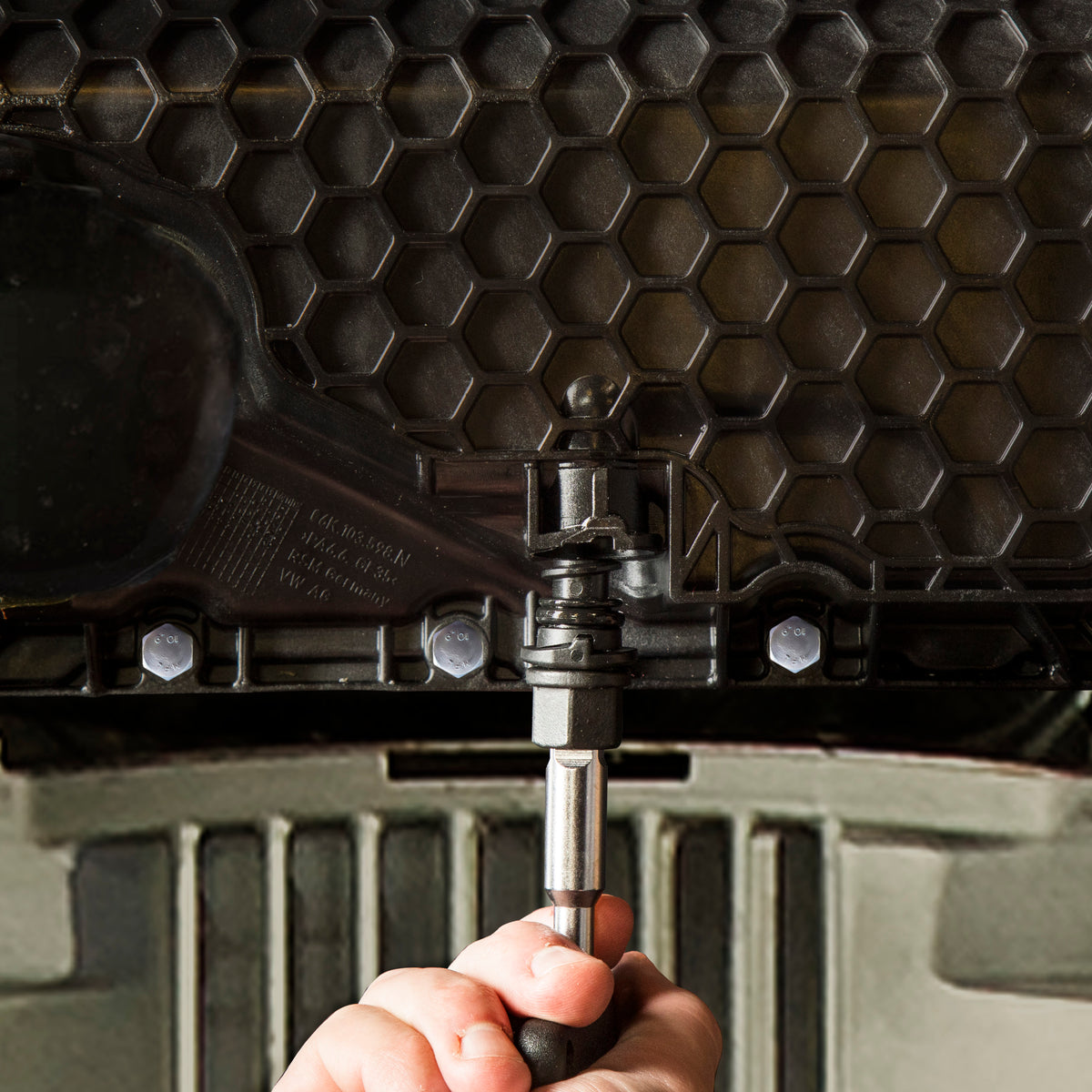
The drain plug head is the part that accepts the wrench or socket. Clean away dirt and oil so the edges are easy to see.
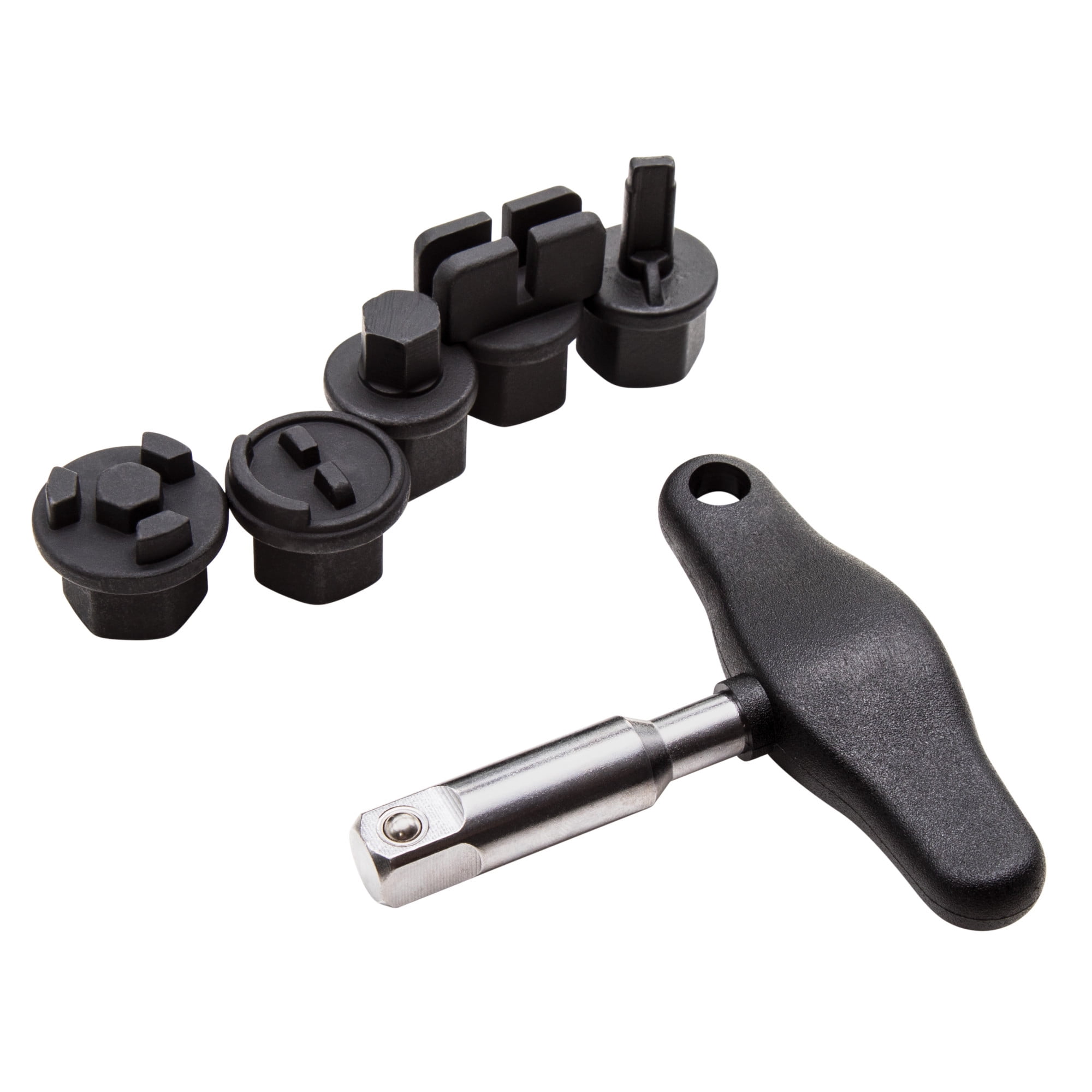
Most standard plugs have an external hex head. Some use:
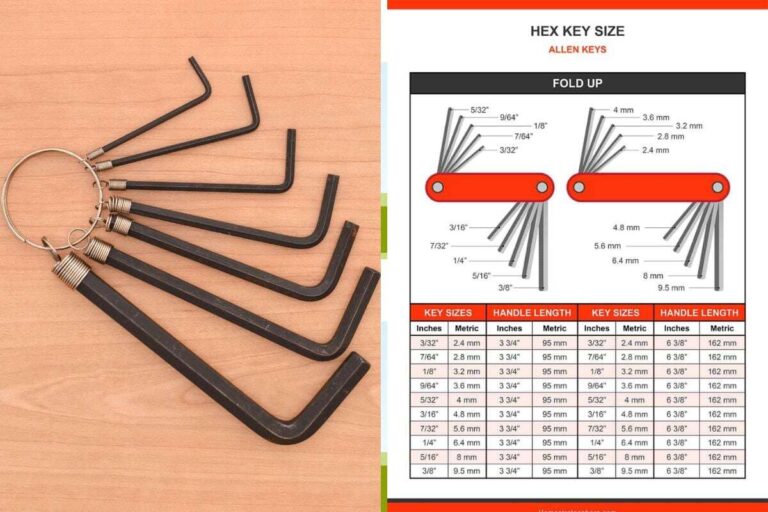
- An internal hex, also called an Allen or hex socket
- A Torx recess
- A square recess
- A special low-profile head
- A plastic plug with a molded drive shape
do not assume every plug takes a regular six-sided socket.
3. Test the socket by hand
Place the socket over the plug before attaching a ratchet. The correct socket should:
- Sit fully on the plug
- Fit with little side-to-side movement
- Reach the entire hex head
- Stay straight when you apply force
If the socket rocks, feels loose, or stops before covering the full head, do not use it. A loose fit can round the plug.
4. Try metric before SAE only when the vehicle is unknown
Many vehicles sold in the United States use metric fasteners, including several domestic brands. Some older vehicles use SAE sizes. A metric socket that seems close to a SAE socket may slip under load.
Do not hammer a nearly matching socket onto the plug unless you are dealing with a damaged plug and have accepted that replacement will be needed.
Why the wrench size is not the same as the drain plug size
An oil drain plug has more than one measurement. Confusing these measurements can lead to the wrong part or tool.
Socket or wrench size
This is the size of the plug head. For example, a plug may require a 17 mm socket.
Thread size
This is the diameter and pitch of the threaded section. A plug could have an M12 × 1.25 thread, for example. The “M12” refers to the thread diameter, while “1.25” refers to the distance between thread peaks in millimeters.
Washer or gasket size
The sealing washer sits between the plug and the oil pan. Its inner diameter must match the plug thread, and its outer diameter must fit the sealing surface.
These three sizes describe different parts of the plug. A 17 mm head does not tell you the thread size or washer size.
Which tool should you use?
Use a 6-point socket and ratchet for a standard external hex drain plug. This setup gives you better contact than an adjustable wrench or open-end wrench.
Helpful tools include:
- A 6-point metric socket set
- A 6-point SAE socket set
- A 3/8-inch-drive ratchet for most passenger vehicles
- A short extension, if needed
- A torque wrench
- A drain pan
- Replacement drain plug washer
- A flashlight
- Gloves and eye protection
A box-end wrench can work when there is enough room, but a socket usually gives a more secure grip. Avoid an adjustable wrench when possible. Its jaws can move under load and damage the plug.
Use a breaker bar only when the plug is stuck and the tool can remain straight. Keep your hand clear of the tool’s path.

How to remove an oil drain plug safely
Before starting, park on a stable, level surface. Set the parking brake and let the engine cool enough to reduce burn risk. Warm oil drains well, but hot oil can cause serious burns.
1. Raise and support the vehicle if needed
Use a floor jack only to lift the vehicle. Support it with properly rated jack stands placed at the manufacturer’s approved points.
Never work under a vehicle supported only by a jack. If the vehicle can be serviced from the ground, ramps may be another option, but use them on a level surface and follow their instructions.
2. Place the drain pan under the plug
Position the pan so it can catch the first stream of oil and the wider flow that follows. Oil can travel several inches across the pan and may splash.
3. Clean the plug
Wipe dirt from the plug and surrounding oil pan. Dirt can prevent the socket from seating fully.
4. Fit the socket completely
Push the correct 6-point socket onto the plug. Keep the ratchet square to the plug.
Most standard right-hand-threaded drain plugs loosen when turned counterclockwise when viewed from the plug head. Some unusual designs may differ, so confirm the direction before applying heavy force.
5. Loosen the plug by hand or with the ratchet
Once the plug breaks free, turn it by hand. Keep pressure toward the plug while turning to reduce the chance of cross-threading during reinstallation.
6. Replace the sealing washer
Many drain plugs use a crush washer or another sealing washer. Replace it when the vehicle maker specifies a new one, and inspect the plug threads and sealing face.
7. Reinstall and torque the plug
Start the plug by hand. It should turn several turns smoothly. If it binds right away, remove it and check the threads.
Tighten the plug to the vehicle maker’s stated torque. Do not use a general torque value for every vehicle. Oil pans may be made from steel, aluminum, or another material, and the correct torque can vary greatly.
8. Check for leaks
After adding the correct amount of oil, start the engine briefly and inspect the drain plug. Stop the engine, wait a few minutes, and check the oil level again.
A small wet ring may show a sealing problem. Active dripping requires correction before driving.

What to do if the oil drain plug will not come off
A stuck plug usually needs better tool control, not more force.
Try these steps in order:
- Confirm that you are turning the plug in the loosening direction.
- Clean the plug so the socket can seat fully.
- Try a new 6-point socket of the exact size.
- Keep the socket straight and apply steady pressure.
- Use a short breaker bar if you have enough clearance.
- Use penetrating oil only where it will not contaminate the oil or sealing surface.
- Stop if the plug begins to round.
Avoid heating an oil pan or drain plug. Oil residue may ignite, and heat can damage nearby parts, seals, wiring, or the pan.
If the head is already rounded, a dedicated bolt-extraction socket may remove it. Plan to replace the plug and washer. If the plug spins but does not tighten, the pan threads may be damaged. That problem may require a thread repair, a replacement pan, or professional service.
Common mistakes that damage drain plugs
Using the wrong near-size socket
A 15 mm socket and a 9/16-inch socket are close in size, but they are not interchangeable for reliable removal. The slight difference can damage the corners.
Using a 12-point socket on a tight plug
A 12-point socket is useful in some tight spaces, but it contacts less of the plug head. A 6-point socket is usually better for a tight or rusty drain plug.
Using an open-end wrench
An open-end wrench grips only two sides of the plug. It can spread the load and round the corners.
Over-tightening the plug
Too much force can strip the oil pan threads, crush a washer too far, or distort the sealing area. Aluminum pans need particular care.
Reusing a damaged washer
A crushed, cracked, or badly flattened washer may not seal again. Oil leaks can develop after the vehicle leaves the driveway.
Forgetting the old washer
Sometimes an old washer stays stuck to the oil pan. Installing a new washer on top of it can prevent the plug from seating correctly.
Leaving the old oil filter installed
When completing an oil change, replace the oil filter if the service schedule calls for it. Add oil based on the specified capacity, then verify the level with the dipstick or electronic oil-level system.
How tight should an oil drain plug be?
The correct tightness comes from the vehicle manufacturer’s torque specification. There is no safe universal torque number for every drain plug.
The required value can change with:
- Oil pan material
- Plug diameter
- Thread pitch
- Washer type
- Plug design
- Dry or lubricated threads
- Use of a torque specification for a new plug
A torque wrench gives the most repeatable result. Set it to the stated value and pull smoothly. Do not add extra force after the wrench signals that the setting has been reached.
If no specification is available, pause the job and obtain service information for the exact vehicle. Guessing can turn a routine oil change into a stripped oil pan repair.
Can you use a wrench instead of a socket?
Yes, if the wrench fits the plug correctly and has enough room to turn. A box-end wrench is safer than an open-end wrench because it contacts more sides of the plug.
A socket is usually the better choice because it:
- Fits more squarely
- Applies force to more faces
- Works with a torque wrench
- Offers more grip on a tight plug
- Reduces the chance of rounding a good plug
An adjustable wrench should be a last resort, not the normal tool for an oil change.
Key takeaways
- There is no universal oil drain plug wrench size.
- Common sizes include 14 mm, 17 mm, and 19 mm.
- Other vehicles may use 13 mm, 15 mm, 16 mm, 18 mm, or SAE sizes.
- The head size is different from the plug’s thread size.
- Use a properly fitted 6-point socket.
- Check the owner’s manual or service information for the exact vehicle.
- Replace the sealing washer when required.
- Use the manufacturer’s torque specification.
- Stop if the plug begins to round or the oil pan threads feel damaged.
FAQs
Is a 14 mm wrench common for oil drain plugs?
Yes, 14 mm is a common size on some vehicles, but it is not universal. Check the exact vehicle before starting the oil change.
Should I use metric or SAE sockets?
Use whichever size fits the plug exactly. Many vehicles sold in the United States use metric fasteners, but SAE drain plugs still exist, especially on older vehicles and some aftermarket parts.
Can I use a 12-point socket on an oil drain plug?
You can, but a 6-point socket is usually safer. A 6-point socket grips the flat sides of the plug and is less likely to round it.
What if the drain plug is rounded?
Stop using standard sockets. A bolt-extraction socket may remove the plug, but replace the plug afterward. If the pan threads are damaged, seek repair before refilling and driving the vehicle.
Does every oil drain plug need a new washer?
No single rule covers every vehicle. Some plugs use a reusable seal, while others use a crush washer that should be replaced during service. Follow the vehicle maker’s instructions and inspect the old washer.
Can I measure the plug with a ruler?
You can estimate the head size, but a ruler is not precise enough for a close fit. Test actual metric and SAE sockets by hand, or confirm the size through vehicle service information.
Conclusion
The right wrench for an oil drain plug depends on the exact vehicle. Start with the owner’s manual, then confirm the plug with a clean, properly fitted socket. For many U.S. vehicles, a 14 mm, 17 mm, or 19 mm 6-point socket may work, but never force a size that feels loose.
Before removing the plug, have the correct socket, drain pan, replacement washer, and torque specification ready. If the plug is stuck, rounded, or spinning without tightening, stop before causing damage and have the plug or oil pan assessed.
Recent Tool Guides
 Hammer
How To Hammer Flowers Onto Paper: Easy Guide
Learn how to hammer flowers onto paper with simple steps, helpful tips, and beautiful results for...
Read Guide → Wrench
How To Use A Hex Wrench: Easy Step-By-Step Guide
Learn how to use a hex wrench correctly with simple steps, helpful tips, and common mistakes...
Read Guide → Hacksaw
How To Cut Curtain Pole With Hacksaw: Easy Guide
Learn how to cut curtain pole with hacksaw safely and neatly. Follow simple steps for accurate...
Read Guide → Wrench
How To Use A Husky Torque Wrench: Easy Guide
Learn how to use a Husky torque wrench correctly with simple steps, torque settings, and safety...
Read Guide → Hammer
How To Hold A Hammer: Safe Grip Guide
Learn how to hold a hammer with the right grip, stance, and technique for safer, more...
Read Guide → Hacksaw
How To Cut Flexible Metal Conduit With Hacksaw: Easy Guide
Learn how to cut flexible metal conduit with hacksaw safely and cleanly. Follow simple steps for...
Read Guide →