What Is An Allen Wrench Used For: Practical Guide
In U.S. homes, garages, bike shops, and workplaces, an Allen wrench is used to turn screws and bolts with a six-sided hole in the head. It is also called a hex key or hex wrench.
You use it to assemble furniture, adjust bicycles, repair machines, tighten hardware, and work on many products made in the United States. The tool is small, simple, and useful, but the wrench must match the fastener in both shape and size.
What Is an Allen Wrench?
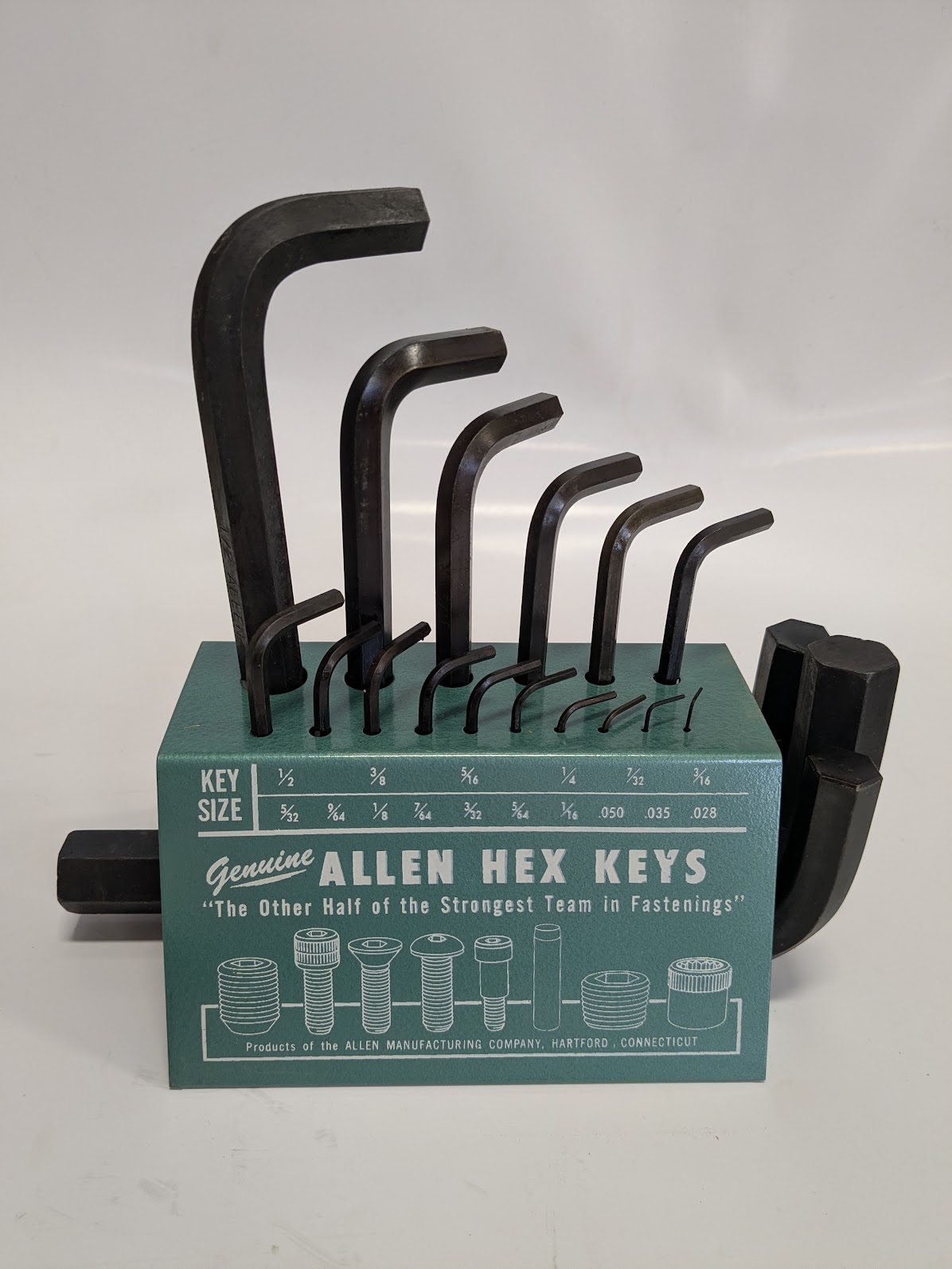
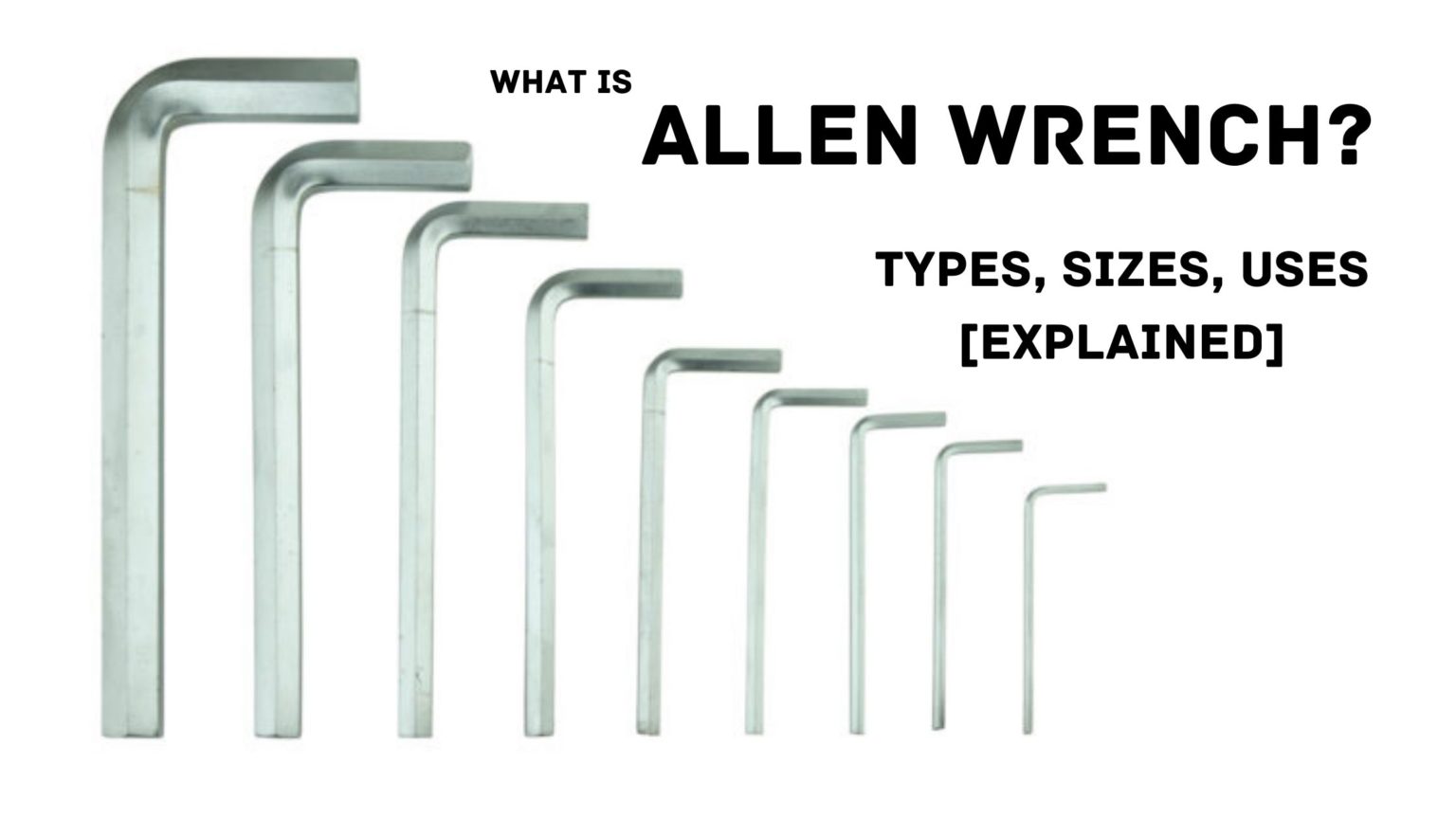
An Allen wrench is a short, L-shaped or T-shaped metal tool with a hexagonal tip. The tip fits into a matching six-sided recess, known as an internal hex drive, in a screw or bolt.
Most Allen wrenches have six flat sides. When you turn the wrench, those sides press against the inside walls of the fastener. This transfers turning force, also called torque, so you can tighten or loosen the fastener.
“Allen wrench” is a common name in the United States. Hex key and hex wrench mean the same basic tool. The name “Allen” comes from the Allen Manufacturing Company, which helped popularize this type of drive.
Allen wrenches are commonly made from hardened steel. Some have a black oxide, chrome, or other finish to help resist wear and rust.

What Is an Allen Wrench Used For?
An Allen wrench is mainly used to install, remove, or adjust fasteners with an internal hex socket. Its most common uses include:
- Assembling flat-pack furniture
- Tightening bicycle components
- Adjusting brake and derailleur parts
- Installing cabinet handles and drawer hardware
- Repairing exercise equipment
- Servicing motorcycles and vehicles
- Adjusting machine parts
- Installing door hardware
- Working on electronics and small devices
- Building or repairing metal frames
- Tightening set screws on shafts, knobs, and pulleys
The tool works well when a screw sits in a narrow or recessed space. A standard screwdriver may not fit, but a slim hex key often can.
Furniture assembly
Many desks, chairs, shelves, bed frames, and storage units sold in the United States use hex socket screws. Manufacturers choose these screws because they are compact and easy to package with a small hex key.
Use the correct size to avoid damaging the screw. Press the wrench firmly into the socket before turning it.
Bicycle work
Bicycles use hex socket fasteners in many areas, including:
- Stem bolts
- Handlebar clamps
- Seat-post clamps
- Bottle-cage bolts
- Brake calipers
- Disc-brake parts
- Derailleur adjustments
- Rack and fender mounts
A bicycle may use several sizes. Small errors can damage both the tool and the bolt, so check the bicycle maker’s service instructions when the correct size is unclear.
Automotive and mechanical repairs
Cars, trucks, motorcycles, lawn equipment, and shop machines may use internal hex bolts. These fasteners can hold covers, brackets, guards, pulleys, and other parts.
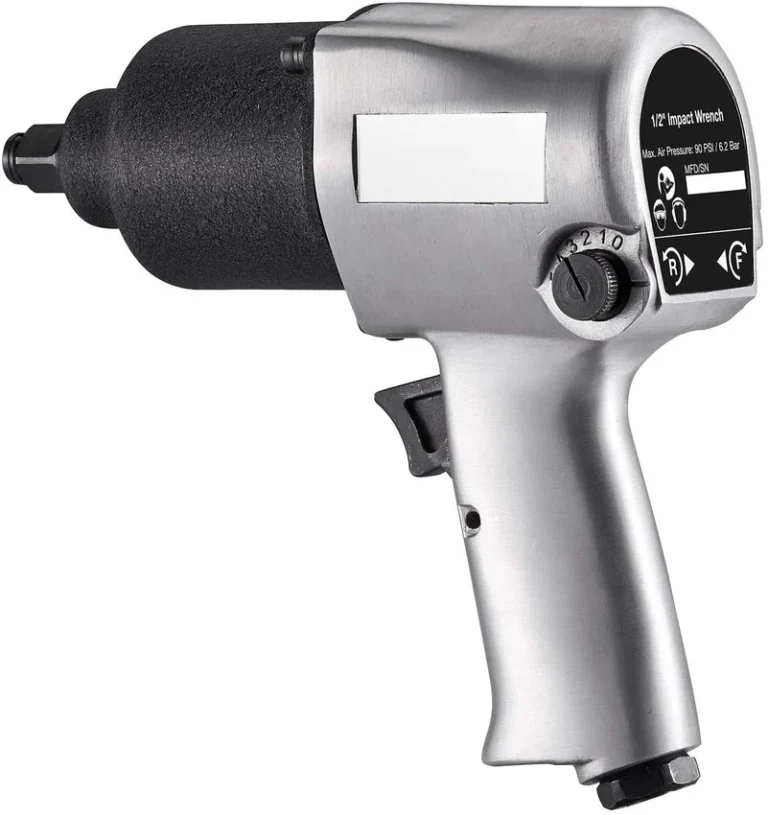
An Allen wrench is suitable for light and moderate work when the fastener is easy to reach. For high-torque jobs, use a hex bit socket with a ratchet or torque wrench. A small L-shaped key may not provide enough grip or leverage.
Set-screw adjustments
A set screw has no traditional head. It sits inside a threaded hole and presses against another part. Allen wrenches are often used to adjust set screws in:
- Door knobs
- Faucet handles
- Machine collars
- Gear hubs
- Furniture joints
- Exercise equipment
- Camera mounts
Turn the wrench slowly. Small set screws can strip more easily than larger bolts.

How Does an Allen Wrench Work?
An Allen wrench works by filling the six-sided recess in a hex socket fastener. The close fit lets the wrench apply torque to the fastener without needing a slot or cross-shaped head.
The six-sided shape spreads force across several contact surfaces. This can give a better grip than a flat screwdriver tip. It also allows the fastener head to remain compact and smooth on the outside.
The tool has limits. If the wrench is too small, it can move inside the socket and round the edges. If it is too large, it will not seat fully. In either case, turning force can damage the fastener.
A clean, fully seated hex key transfers force more effectively than a dirty or partly inserted one. This is why fit matters more than brute force.

Allen Wrench Sizes: SAE or Metric?
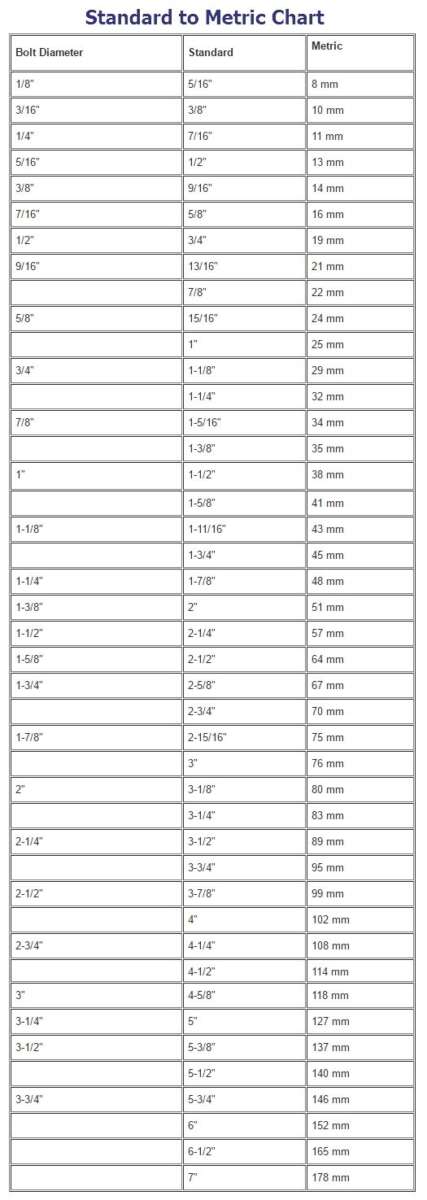
The correct Allen wrench size depends on the fastener. In the United States, you may encounter both SAE and metric hex sizes.
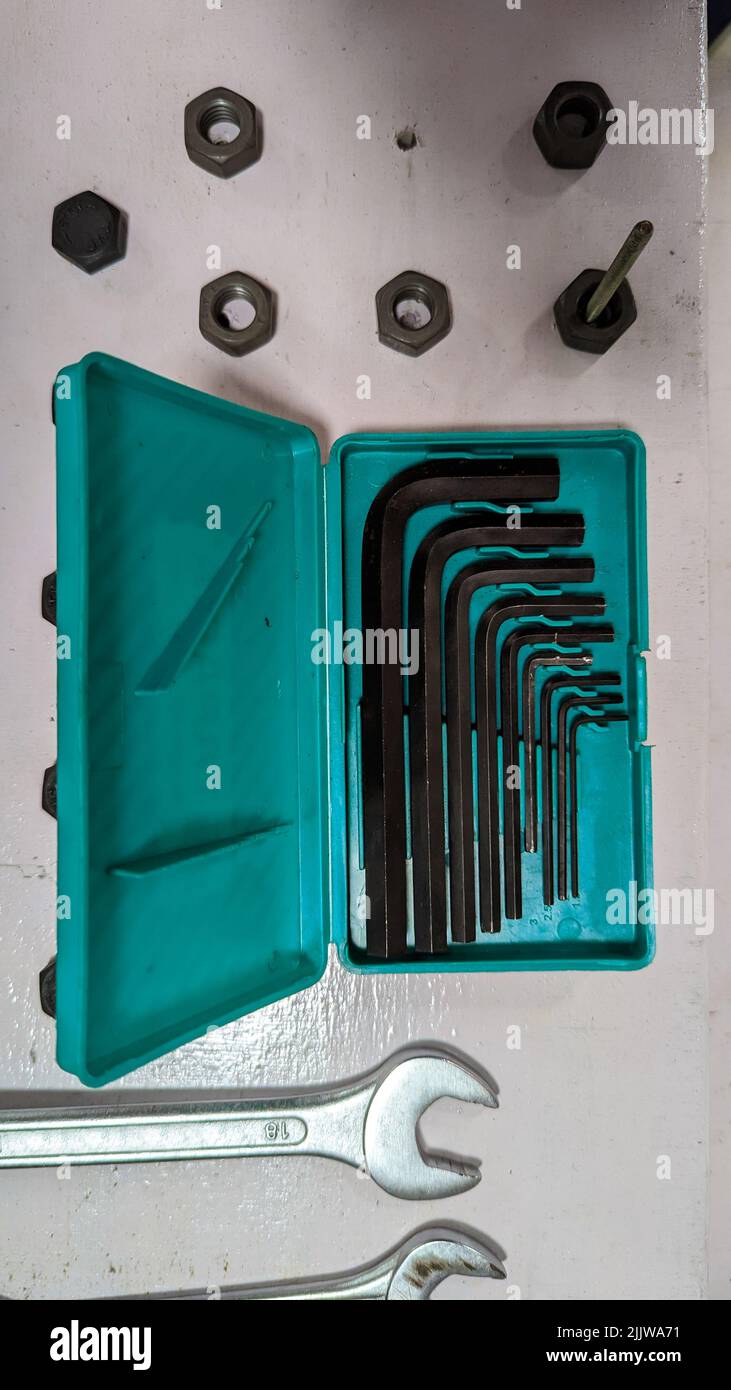
- SAE sizes are measured in fractions of an inch, such as 1/8 inch, 3/16 inch, and 1/4 inch.
- Metric sizes are measured in millimeters, such as 2 mm, 3 mm, 4 mm, and 5 mm.
Do not assume that a nearby size will work. Some SAE and metric sizes are close enough to enter the same socket, but the fit may be poor.
| Fastener or wrench system | Common size examples | Measurement |
|---|---|---|
| SAE | 1/16, 3/32, 1/8, 5/32, 3/16, 1/4 inch | Inches |
| Metric | 1.5, 2, 2.5, 3, 4, 5, 6 mm | Millimeters |
The table shows common examples, not a complete size chart. Product manuals and repair instructions are the best way to confirm the required size.
If the wrench rocks, slips, or enters only partway, stop. Try the next correct size rather than forcing it.

How to Use an Allen Wrench Correctly
Use these steps for most basic Allen wrench tasks:
- Choose the correct system. Check whether the fastener uses an SAE or metric size.
- Inspect the fastener. Remove dirt, paint, or debris from the hex socket.
- Insert the short or long end. Use the end that gives the best access.
- Seat the wrench fully. Push it straight into the socket.
- Turn slowly. Use steady pressure instead of sudden force.
- Keep the wrench straight. Avoid bending it sideways while turning.
- Tighten only as much as required. Follow the product maker’s instructions when a torque value is provided.
- Check the result. The fastener should sit correctly and hold the parts firmly without damaged edges.
The short end gives more leverage when you use the long arm as a handle. The long end is useful when you need to reach a deep or narrow fastener.
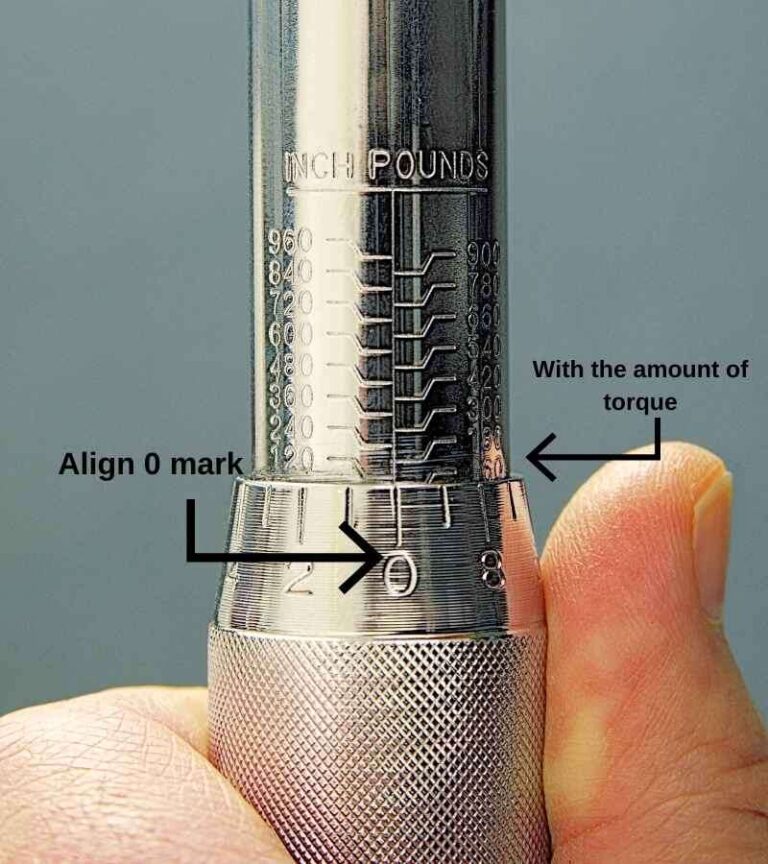
For final tightening on bicycles, vehicles, and machinery, use a torque wrench with the correct hex bit when the manufacturer specifies a torque value. Proper torque helps prevent loose parts, damaged threads, and broken fasteners.

L-Shaped, T-Handle, and Folding Hex Keys
Different Allen wrench designs suit different tasks.
| Tool type | Best use | Main trade-off |
|---|---|---|
| L-shaped hex key | General repairs and furniture assembly | Less comfortable for repeated work |
| T-handle hex wrench | Frequent shop or bicycle work | Takes more storage space |
| Folding hex-key set | Carrying in a toolbox or on a bike | Usually offers less leverage |
| Hex bit socket | High torque and torque-wrench work | Needs a ratchet or driver |
| Ball-end hex key | Access at a slight angle | Usually not suitable for high torque |
A ball-end hex key has a rounded tip. It can reach a fastener when the tool cannot stay perfectly straight. However, the ball end contacts less of the socket wall than a standard hex end. Use the straight end for loosening tight fasteners and for final tightening.
A T-handle can provide better control and comfort during repeated work. A folding set is convenient for small repairs but may not handle seized or heavily tightened bolts.

Common Problems and How to Fix Them
The wrench slips
A slipping wrench often means the size is wrong, the socket is dirty, or the fastener is already damaged.
Remove the wrench and inspect the socket. Clean it, try the correct size, and push the tool fully into place. Do not keep turning a wrench that slips, because it can round the fastener.
The wrench will not fit
Check whether the fastener is metric or SAE. Also look for paint, rust, dirt, or damage inside the socket.
Never hammer in a larger wrench just to make it fit. That can damage the fastener and make later removal harder.
The bolt will not move
A tight bolt may have thread-locking compound, corrosion, or too much applied torque. Use a longer tool only when the fastener and surrounding part can safely handle more force.
For stubborn hardware, a hex bit socket and ratchet can give better control than an L-shaped key. If the fastener begins to round, stop before the damage gets worse.
The fastener is stripped
A stripped hex socket cannot hold the wrench properly. Stop applying force. Depending on the part, removal may require a screw extractor, locking pliers, a drilled head, or professional repair.
Do not use a loose-fitting wrench as a last attempt. That often turns a small repair into a more difficult one.
Allen Wrench Safety Tips
Allen wrenches are simple hand tools, but they can still cause injury or damage when used incorrectly.
- Wear eye protection when a fastener may break or a tool may slip.
- Keep your fingers away from pinch points.
- Use the correct size and drive type.
- Do not add a pipe or other extension to a small hex key.
- Replace keys that are bent, cracked, badly worn, or rounded.
- Support heavy parts before removing their fasteners.
- Follow the product manual for bicycles, vehicles, exercise machines, and equipment.
- Disconnect power before working on powered equipment.
- Do not rely on an Allen wrench to prove that a part is safe or correctly adjusted.
Some fasteners look like internal hex screws but use a different drive, such as Torx. A Torx recess has a six-point star shape, not six flat sides. A hex key will not fit it correctly.

Allen Wrench vs. Torx: What Is the Difference?
An Allen wrench has a six-sided hexagonal tip. A Torx tool has a star-shaped tip with six rounded points.
The two tools are not interchangeable. A hex key in a Torx fastener may damage the recess. A Torx driver in a hex socket will also fit poorly.
Look closely at the fastener before choosing a tool:
- Hex socket: six straight sides
- Torx socket: six-point star
- Phillips head: cross-shaped recess
- Slotted head: one straight slot
The correct tool should enter fully and sit firmly with very little side-to-side movement.
Key takeaways
- An Allen wrench turns screws and bolts with six-sided internal sockets.
- It is also called a hex key or hex wrench.
- Common uses include furniture assembly, bicycle repair, machine work, and set-screw adjustment.
- Match the wrench to the fastener’s SAE or metric size.
- Keep the tool straight and fully seated.
- Use a hex bit socket and torque wrench when the job calls for high force or a precise torque value.
- Do not use a loose-fitting wrench or force the wrong size.
Frequently Asked Questions
Can I use an Allen wrench on any screw?
No. An Allen wrench works only with a compatible internal hex socket. It will not properly turn Phillips, slotted, Torx, square, or other drive types.
Are Allen wrenches universal?
No. Allen wrenches come in different sizes and measurement systems. A metric key and an SAE key may look similar but still fit differently.
Which end of an Allen wrench should I use?
Use the end that gives the best access. The short end can provide more leverage, while the long end can reach recessed fasteners. Use a straight end for tight bolts and final tightening.
Can an Allen wrench remove a stripped bolt?
Usually not by itself. A stripped socket may need an extractor, locking pliers, drilling, or professional repair. Stop turning when the wrench begins to slip.
Is a hex key the same as an Allen wrench?
Yes. In normal tool use, “hex key,” “hex wrench,” and “Allen wrench” refer to the same type of tool.
Why does my Allen wrench keep slipping?
The most likely causes are the wrong size, dirt in the socket, a worn wrench, a damaged fastener, or an angled grip. Clean the socket, confirm the size, and insert the wrench fully before applying force.
Conclusion
An Allen wrench is used to turn internal hex screws and bolts. It is common in U.S. furniture, bicycles, vehicles, machines, cabinets, and household equipment.
Choose the correct SAE or metric size, keep the wrench fully seated, and use steady pressure. For high-torque or precision work, switch to a matching hex bit socket and follow the manufacturer’s torque instructions.
Recent Tool Guides
 Hammer
How To Hammer Flowers Onto Paper: Easy Guide
Learn how to hammer flowers onto paper with simple steps, helpful tips, and beautiful results for...
Read Guide → Wrench
How To Use A Hex Wrench: Easy Step-By-Step Guide
Learn how to use a hex wrench correctly with simple steps, helpful tips, and common mistakes...
Read Guide → Hacksaw
How To Cut Curtain Pole With Hacksaw: Easy Guide
Learn how to cut curtain pole with hacksaw safely and neatly. Follow simple steps for accurate...
Read Guide → Wrench
How To Use A Husky Torque Wrench: Easy Guide
Learn how to use a Husky torque wrench correctly with simple steps, torque settings, and safety...
Read Guide → Hammer
How To Hold A Hammer: Safe Grip Guide
Learn how to hold a hammer with the right grip, stance, and technique for safer, more...
Read Guide → Hacksaw
How To Cut Flexible Metal Conduit With Hacksaw: Easy Guide
Learn how to cut flexible metal conduit with hacksaw safely and cleanly. Follow simple steps for...
Read Guide →