

Keep tools clean, dry, oiled, sharpened, and stored properly for long life and safe use.
I’ve spent decades fixing things and teaching others workshop basics, so I know what works. This guide on how to maintain hand tools breaks down easy routines, smart habits, and pro tips. Read on to learn simple steps that save money, boost safety, and keep your tools ready when you need them.

Why regular maintenance matters
Well cared-for tools work better. They last longer. They keep you safer. Learning how to maintain hand tools reduces mistakes and repair costs. It also helps projects finish faster because tools perform as expected.
Good care prevents rust, dull edges, and loose parts. It keeps tolerances tight on measuring tools. Proper upkeep also preserves resale value. I’ll show methods I use daily in the shop and explain why each step matters.

Basic routine checklist for how to maintain hand tools
Use a short checklist you can repeat. These small habits avoid big repairs.
- After each use, wipe tools clean and dry them to stop moisture buildup.
- Inspect handles and joints for cracks or play; tighten screws and pins as needed.
- Oil moving parts lightly every few weeks or after exposure to moisture.
- Sharpen cutting tools when they show dullness; a small stone session keeps edges true.
- Store tools in a dry, organized place with silica packs or dehumidifiers if needed.
A simple routine like this makes learning how to maintain hand tools easy. Do these five things and most problems never start.

Tool-specific care: how to maintain hand tools by type
Different tools need different work. Below are focused steps for common hand tools.
Hammers and mallets
- Check the head for loosening. Tighten or replace the handle if loose.
- Lightly sand and oil wooden handles to prevent splits.
Screwdrivers and nut drivers
- Keep tips square. Replace worn tips to avoid stripped fasteners.
- Clean shafts and store tips protected from moisture.
Wrenches and pliers
- Clean grit from jaws and pivot points.
- Lubricate pivot pins and check for spring fatigue in pliers.
Chisels, plane irons, and knives
- Hone edges regularly on a stone or strop.
- Keep blades dry and lightly oiled to avoid rust.
Handsaws and files
- Remove pitch and resin after cuts with solvent and a brush.
- Maintain teeth patterns or have saws professionally filed when dull.
Measuring and layout tools
- Keep rulers and squares free of dents.
- Store calipers and levels in cases; check calibration periodically.
Using tool-specific steps helps you master how to maintain hand tools for every job. I learned early on that a well-tuned chisel does more for a project than raw effort.

Cleaning, rust removal, and surface protection
Rust is the silent killer of steel. Stopping it is a top priority when learning how to maintain hand tools.
- For light rust, use a brass brush or fine steel wool and a safe oil to rub it away.
- For stubborn rust, soak small tools in vinegar or use electrolysis for larger restorations.
- Neutralize acids and rinse, then dry thoroughly.
- Apply a thin coat of machine oil, mineral oil, or a wax finish to protect metal surfaces.
A quick story: I once rescued a rusted set of wrenches with a vinegar soak and gentle brushing. They look and work nearly like new now. The trick was thorough drying and oiling right after cleaning.

Sharpening and edge care
Sharp tools are safer and faster. Dull edges force bad angles and sloppy work.
- Use water stones or diamond stones for chisels, plane blades, and knives.
- Start with coarse grit for nicks, then move to fine grit for a keen edge.
- Strop on leather with compound to polish the cutting face.
- Maintain saw teeth with the right file and set; avoid reshaping yourself unless trained.
Practice makes sharpening repeatable and quick. I sharpen in short sessions after every few uses. That keeps tools ready and reduces time spent on long sharpening days.

Storage and organization for lasting performance
Good storage controls moisture and prevents damage. Clutter breeds neglect.
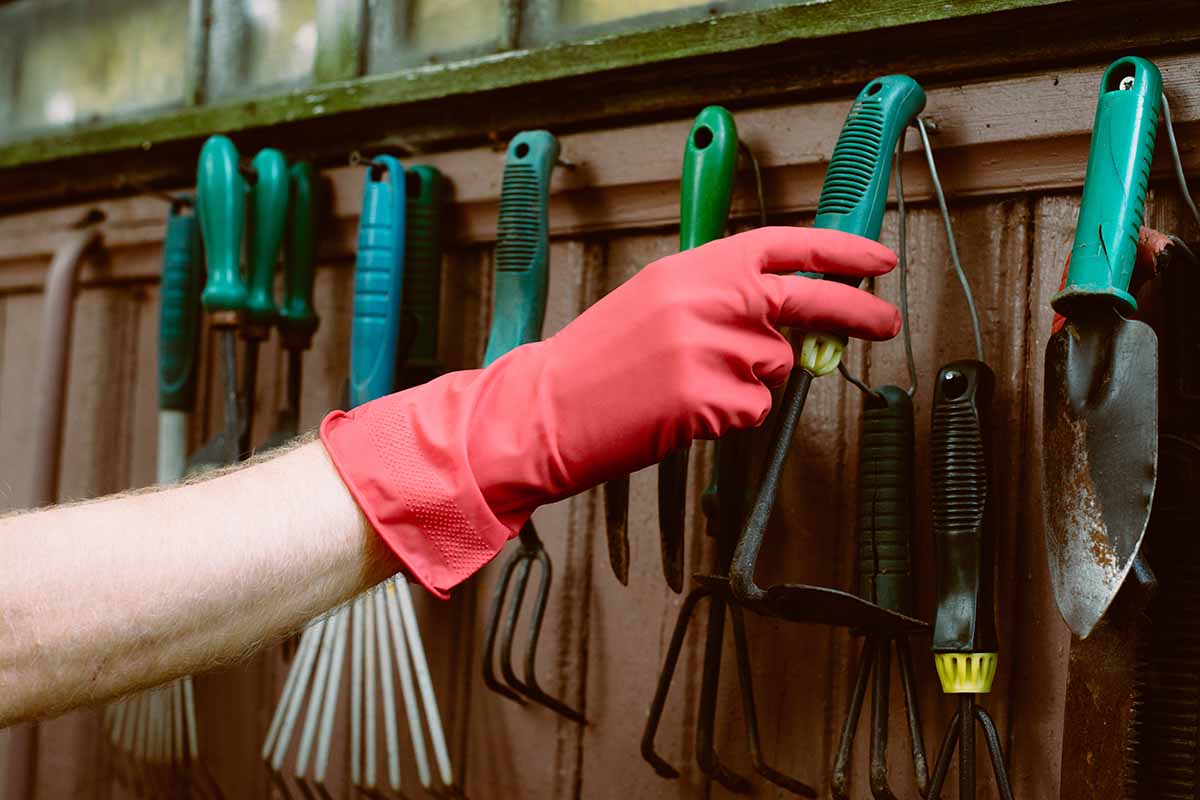
- Store tools off the floor on pegboards or in cabinets.
- Use lined drawers or foam in cases for delicate tools.
- Keep silica gel packs or a small room dehumidifier in cold, damp climates.
- Avoid leaving blades exposed; use guards or sheaths.
Organized storage is one of the simplest ways to learn how to maintain hand tools. You’ll reach for the right tool fast and see wear before it becomes a problem.

Tools and supplies you’ll need for maintenance
Keep a small maintenance kit handy. It saves time and keeps habits consistent.
- Cleaning rags and brushes
- Light machine oil, mineral oil, or tool-specific oils
- Rust remover, vinegar, or electrolysis setup for heavy rust
- Sharpening stones and leather strop
- Screwdrivers, hex keys, and small wrenches for adjustments
- Protective gloves and eye protection
- Silica gel packs and small dehumidifier (optional)
A compact kit in a drawer means you can act fast. I learned that having supplies at hand prevents procrastination. That’s how routines become habits.
Common mistakes and how to avoid them
Avoiding bad habits keeps tools healthy longer. Here are common errors and fixes.
- Storing wet tools unchecked. Fix by drying and oiling immediately.
- Over-oiling moving parts. Use light oil and wipe excess to avoid gumming.
- Ignoring small damage. Fix chips or loose handles early before they worsen.
- Using the wrong file or stone for the metal. Match abrasives to tool steel.
Once, I ruined a screwdriver by using it as a pry bar. It taught me to use the right tool for the job. That lesson drove home how to maintain hand tools properly by using them correctly.
PAA-style quick questions
How often should I clean my tools?
Clean tools after each use and do a more thorough check weekly. Regular light cleaning prevents buildup and rust.
Is oiling always necessary?
Not always. Oil moving steel parts and finished blades lightly. Avoid oil on wooden handles unless they are dry and cracked.
Can damaged tools be repaired?
Many can. Tighten, replace handles, and reshape edges. Replace tools if structural failure risks safety.
Frequently Asked Questions of how to maintain hand tools
How often should I sharpen chisels and plane blades?
Sharpen when cuts start to tear or require more force. For regular use, hone briefly after a few hours of work and fully sharpen when needed.
What is the best way to remove rust from hand tools?
Start with a brass brush and oil for light rust. Use vinegar or electrolysis for heavy rust, then neutralize, dry, and oil.
How do I store tools to prevent moisture damage?
Store tools indoors on pegboards, racks, or in lined drawers. Use silica gel packs or a dehumidifier in humid areas.
Can I use WD-40 to protect tools from rust?
WD-40 cleans and displaces moisture but is not a long-term protectant. Use a light machine oil or wax for lasting protection.
When should I replace a hand tool instead of repairing it?
Replace tools with cracks in the head, split handles that can’t be safely repaired, or severely worn jaws that compromise function or safety.
How do I maintain wooden handles?
Sand lightly if rough, then apply boiled linseed oil or a wax finish. Tighten or replace handles at the first sign of looseness.
Conclusion
Good tool care is simple, practical, and rewarding. Regular cleaning, quick oiling, sharpening when needed, and smart storage are the core steps to learn how to maintain hand tools. Start small: build a maintenance kit, do short checks after every job, and set a weekly routine. Your tools will last longer, work better, and keep you safer.
Try one new habit this week—wipe and oil a set of tools after a project—and notice the difference. If you found this helpful, subscribe for more hands-on tips or leave a comment with your maintenance wins.