What Does A Claw Hammer Look Like: Visual Guide
Introduction
In the United States, a claw hammer is the common hand tool many people picture when they hear the word “hammer.” You will find it in home toolboxes, hardware stores, construction sites, and repair kits across the country.
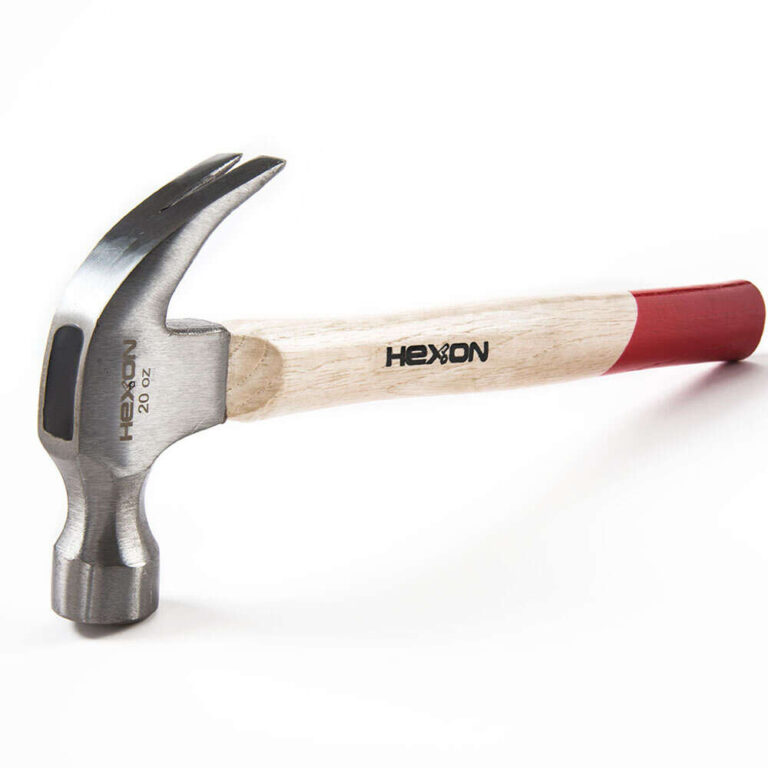
A claw hammer has a solid metal head, a striking face on one end, and a split, curved claw on the other. The face drives nails into wood. The claw pulls nails out and can provide light leverage. A handle connects both parts and gives you control.
What Does a Claw Hammer Look Like?
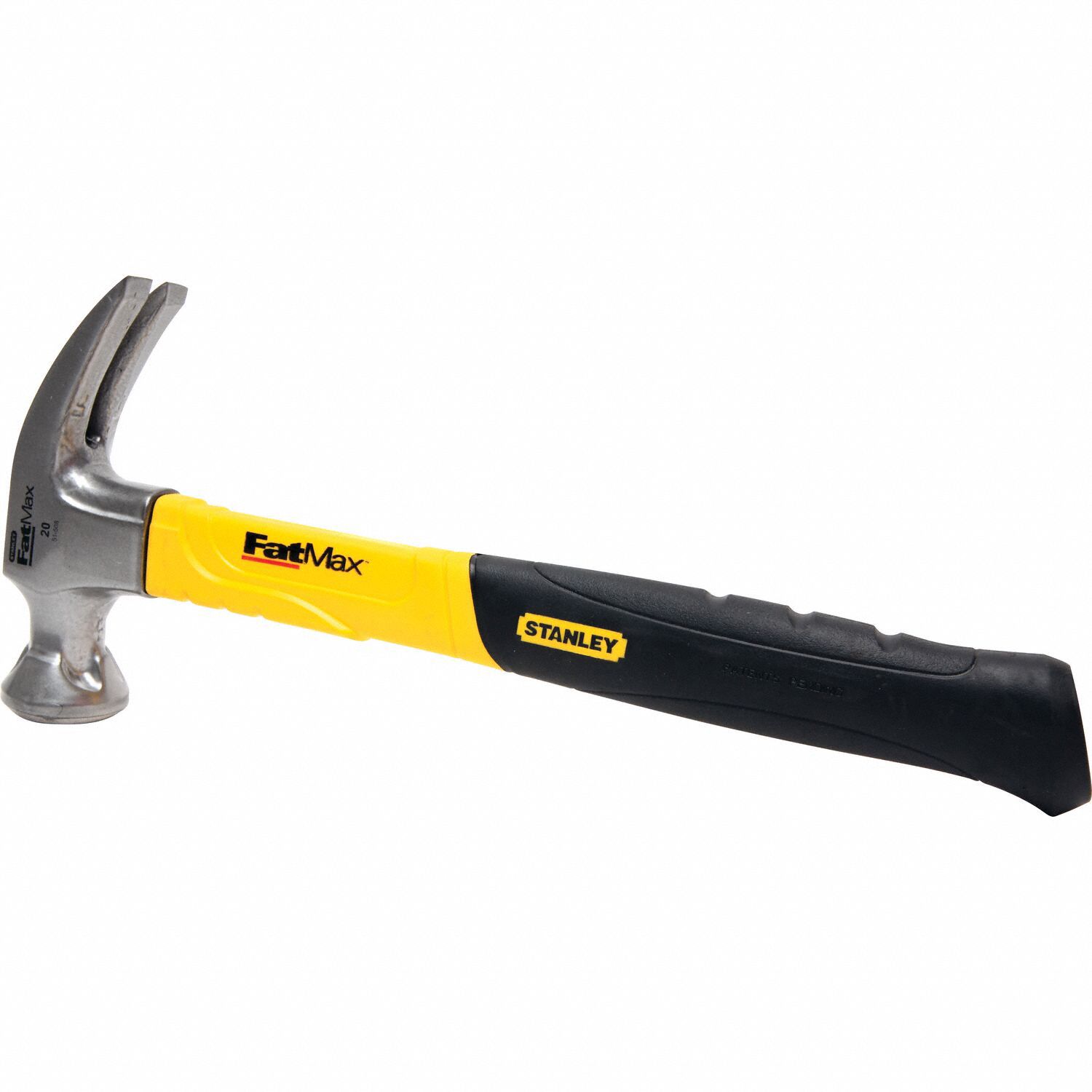
A claw hammer looks like a short metal bar mounted across the top of a handle. One end of the metal head is round or slightly square. This is the striking face. The other end narrows into two curved metal prongs. This is the claw.
Most claw hammers have these visible parts:
- Striking face: The flat or slightly domed end used to hit nails.
- Head: The metal body that holds the face and claw together.
- Claw: The split end used to pull nails and lift small objects.
- Eye: The opening in the head where the handle fits.
- Handle: The grip that lets you swing and control the hammer.
- Grip: The lower part of the handle, often shaped or coated for comfort.
Viewed from the side, the head usually forms a compact “T” shape. The handle extends down from the center. The claw curves away from the striking face, often at a slight angle.
A simple visual guide looks like this:
        Striking face                 Claw
             ______                  /  \
            |      |________________/    \
            |______|                \    /
                    \                \__/
                     |
                     |
                  Handle
                     |
                     |
                    Grip
The exact shape can vary. A household claw hammer may have a smooth face and a curved claw. A framing hammer may have a heavier head, a straighter claw, and a textured face.
The striking face
The striking face is the end that contacts the nail head. It is usually round, but some hammers use a more square face. The face may be smooth or textured.
A smooth face is common for general home repairs. It leaves fewer marks when you strike carefully. A textured face can help reduce slipping, but it may leave a pattern on the wood if you miss the nail.
The face often has a slight crown, or gentle outward curve. This shape helps place force near the center of the nail and may reduce sharp edge marks.
The claw
The claw is the most recognizable feature of this hammer. It is split down the middle to form a narrow V-shaped gap. You place the gap around a nail shank, then pull the handle toward the surface to lift the nail.
Claws come in two common shapes:
- Curved claw: A rounded claw that offers strong leverage for pulling nails.
- Straight claw: A flatter claw that can reach into tight gaps and help with light prying.
The claw is not designed for heavy demolition unless the hammer specifically supports that use. Excessive prying can bend the claw, damage the handle, or break the head.
The handle
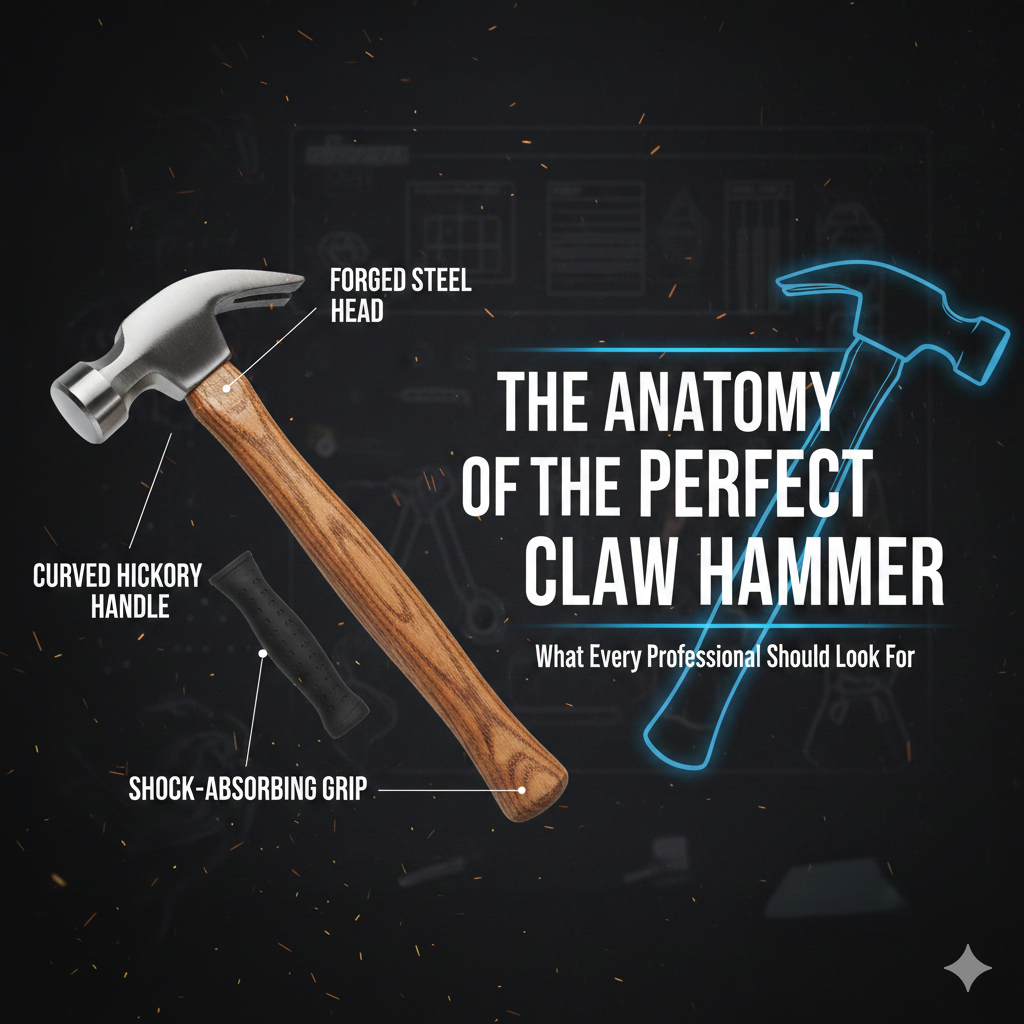
The handle may be made from wood, fiberglass, or steel. It can be straight, slightly curved, or shaped to improve grip.
Wood handles are traditional and can feel comfortable in the hand. Fiberglass handles often have a protective outer grip. Steel handles are usually strong, but they can transfer more vibration during use.
Handle length also changes the tool’s feel. A longer handle may provide more swing speed and leverage. A shorter handle can offer better control in small spaces.

How Is a Claw Hammer Different From Other Hammers?
A claw hammer is designed for general nail driving and nail removal. Other hammers may look similar, but their heads serve different jobs.
| Hammer type | What it looks like | Main use |
|---|---|---|
| Claw hammer | Flat face with a split claw | Driving and removing common nails |
| Framing hammer | Heavy head, often long handle and textured face | Building wood frames |
| Ball-peen hammer | Flat face and rounded ball on the back | Shaping metal and light metalwork |
| Sledgehammer | Large head on a long handle | Heavy demolition and driving large objects |
| Tack hammer | Small, narrow face, often with a magnet | Upholstery and small tacks |
| Mallet | Soft rubber, plastic, or wood head | Striking without heavy metal marks |
The claw is the key feature that separates a claw hammer from a ball-peen hammer. A ball-peen hammer has a rounded ball instead of a nail-pulling claw.
A framing hammer may also have a claw, but it is often larger and heavier. Its face may have a waffle-like texture. That texture helps the hammer stay on a nail, but it can leave deep marks in finished wood.
A tack hammer is smaller and lighter than a standard claw hammer. It may include a magnetic face that holds a small tack in place. It is not a substitute for a full-size claw hammer when driving standard construction nails.
What Are the Main Claw Hammer Sizes?
Claw hammer size usually refers to the weight of the metal head, not the full weight of the tool. Common head weights include 8, 12, 16, and 20 ounces.
A 16-ounce claw hammer is a common general-purpose size in the United States. It offers a useful balance of control, driving force, and portability. The right size still depends on the task and the user.
| Head weight | Typical fit |
|---|---|
| 8 ounces | Small repairs, crafts, and light trim work |
| 12 ounces | Light household jobs |
| 16 ounces | General repairs and common carpentry |
| 20 ounces or more | Heavier carpentry and demanding work |
A heavier hammer is not always better. It can drive a nail with fewer swings, but it also creates more fatigue and may cause more damage if you miss.
A lighter hammer gives better control for small nails and delicate work. It may require more strikes for a large nail.
For basic home repairs, look for a hammer that:
- Feels balanced in your hand.
- Lets you control the striking face.
- Has a handle that fits your grip.
- Does not show cracks, looseness, or mushroomed metal.
- Matches the size of the nails you plan to use.
How Does a Claw Hammer Work?
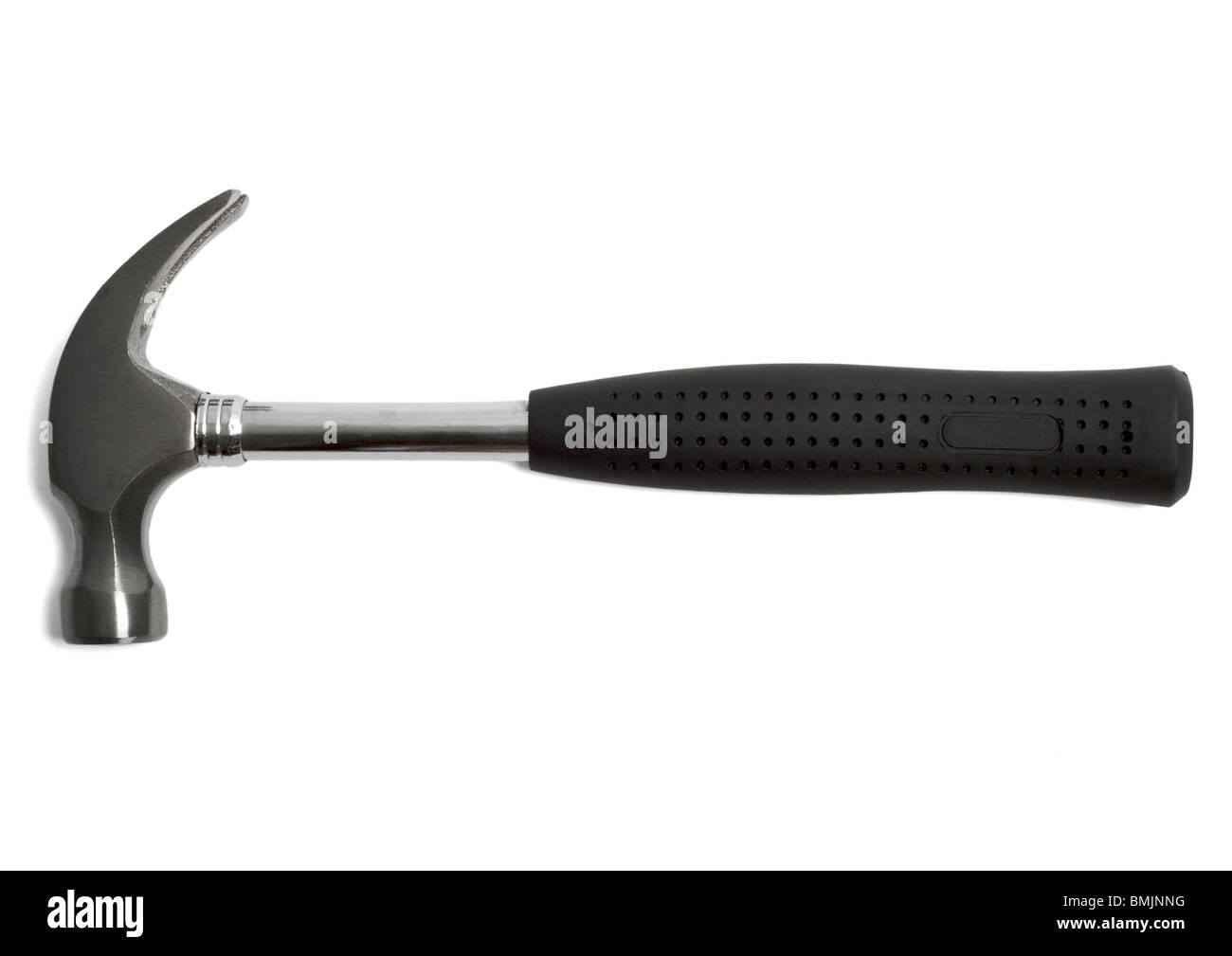
A claw hammer works by converting the motion of your arm into a focused impact. The metal face transfers that impact to the nail head. The nail then moves into wood, drywall backing, or another suitable material.
To pull a nail, the claw acts like a small lever. The nail sits in the slot between the claw tips. When you pull the handle back, the head becomes the pivot point, and the claw lifts the nail.
For better control:
- Hold the handle near the end of the grip for normal nail driving.
- Start the nail with light taps.
- Keep your fingers away from the striking area.
- Hold the hammer so the face meets the nail squarely.
- Stop if the nail bends or the material begins to split.
- Use a block of scrap wood under the head when pulling a nail from a finished surface.
The scrap block spreads pressure across a larger area. This can help reduce dents in wood. It does not make every surface safe from damage, so work slowly.
A claw hammer can also lift small boards or loosen light materials. However, it is not a replacement for a pry bar. Use a pry bar for sustained or heavy prying.

What Should You Look for When Identifying a Claw Hammer?
The split claw is the fastest way to identify a claw hammer. Next, look for a single striking face on the opposite end and a handle that runs through the center of the head.
A hammer is likely a claw hammer if it has:
- A metal head with one flat striking face.
- A curved or straight split claw.
- A medium-length handle.
- A size suited to nails and general carpentry.
- No rounded ball, soft mallet head, or oversized demolition head.
Some tools have a claw on one end but do not fit the usual claw hammer design. Roofing hammers, shingler’s hatchets, and specialty siding tools may include a claw or nail puller. Their heads and faces are shaped for specific materials and tasks.
Do not rely on color alone. Manufacturers use many handle colors and finishes. The head shape and claw design matter more than the paint or grip color.
Curved claw or straight claw?
Choose a curved claw when you want more leverage for removing common nails. Choose a straight claw when you need to reach into narrow spaces or do light prying.
Neither shape is automatically safer for every task. The condition of the hammer, the material, and the force you use all matter.
Smooth face or textured face?
A smooth face works well for finished wood and general repairs when you can strike accurately. A textured face can help reduce sliding on a nail head, but it may leave marks.
If appearance matters, use a smooth-faced hammer and protect the work surface. If you are framing a wall where small marks will not matter, a textured face may be practical.

Common Mistakes and Safety Tips
The most common mistake is using a claw hammer for a job that needs a different tool. A claw hammer can drive and remove many nails, but it is not meant for cutting metal, striking hardened tools, or heavy demolition.
Before use, check the hammer:
- Make sure the head is firmly attached.
- Look for cracks in a wood or fiberglass handle.
- Replace a hammer with a loose head.
- Do not use a claw with chipped or badly bent tips.
- Keep the striking face free of oil and heavy damage.
Wear safety glasses when driving or pulling nails. A nail can bend, break, or fly from the surface. Gloves may improve grip, but they do not replace careful hand placement.
Never strike the claw with another hammer. Do not use the hammer to hit a chisel unless the hammer is made for that purpose and the tool maker allows it. Do not use the claw as a sharp pry tool against electrical wires, pipes, or unknown materials.
If a nail will not move, stop and inspect the situation. The nail may be too large, rusted, embedded in a hard material, or connected to something that must remain in place. A larger pry bar or a professional repair may be safer.

Frequently Asked Questions
What is the claw on a hammer used for?
The claw is used mainly to pull nails. Its split shape fits around a nail shank, while its curve creates leverage when you pull the handle.
Is a claw hammer good for beginners?
Yes. A medium-weight claw hammer is a practical first hammer for basic household repairs. Beginners should start with light strikes and learn to control the face before using more force.
What is the most common claw hammer size?
A 16-ounce head is a common general-purpose size in the United States. Smaller and larger options may be better for light trim work or heavier carpentry.
Can a claw hammer break concrete?
A standard claw hammer is not designed for breaking concrete. Use a proper demolition tool, rotary hammer, or sledgehammer when the material and task require it.
Why does my hammer leave marks on wood?
The face may be textured, the edge may be damaged, or the hammer may be striking at an angle. A smooth-faced hammer and careful, centered strikes can reduce marks, but any metal hammer can damage finished wood.
Conclusion
A claw hammer is easy to recognize: it has a metal striking face on one end, a split claw on the other, and a handle through the center. The face drives nails, while the claw removes them and provides limited leverage.
For most home repairs in the United States, a well-balanced 12- to 16-ounce claw hammer is a practical starting point. Choose the face, claw shape, handle, and weight based on the material, nail size, and level of control you need. Before each use, inspect the tool and wear eye protection.
Recent Tool Guides
 Hammer
How To Hammer Flowers Onto Paper: Easy Guide
Learn how to hammer flowers onto paper with simple steps, helpful tips, and beautiful results for...
Read Guide → Wrench
How To Use A Hex Wrench: Easy Step-By-Step Guide
Learn how to use a hex wrench correctly with simple steps, helpful tips, and common mistakes...
Read Guide → Hacksaw
How To Cut Curtain Pole With Hacksaw: Easy Guide
Learn how to cut curtain pole with hacksaw safely and neatly. Follow simple steps for accurate...
Read Guide → Wrench
How To Use A Husky Torque Wrench: Easy Guide
Learn how to use a Husky torque wrench correctly with simple steps, torque settings, and safety...
Read Guide → Hammer
How To Hold A Hammer: Safe Grip Guide
Learn how to hold a hammer with the right grip, stance, and technique for safer, more...
Read Guide → Hacksaw
How To Cut Flexible Metal Conduit With Hacksaw: Easy Guide
Learn how to cut flexible metal conduit with hacksaw safely and cleanly. Follow simple steps for...
Read Guide →