What Is A Straight Claw Hammer Used For: Key Uses
Introduction
A straight claw hammer is a common hand tool used in U.S. homes, workshops, construction sites, and remodeling jobs. Its main jobs are driving nails, pulling nails, prying boards apart, and taking apart light wood structures.
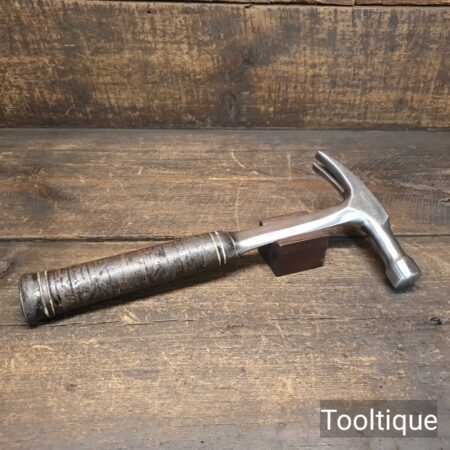
The “straight claw” name refers to the nearly straight shape of the claw behind the hammer head. This shape gives the tool a strong grip for pulling nails and extra reach for rough carpentry and demolition. It is often more useful for repair and tear-out work than a curved claw hammer.
Key Takeaways
- A straight claw hammer drives nails and fasteners into wood.
- Its straight claw pulls nails and can pry apart boards.
- It is common in framing, roofing, remodeling, and demolition.
- A straight claw is usually better for pulling nails and rough work than a curved claw.
- The hammer’s weight, handle, face, and claw design affect how it performs.
- Never use the claw as a substitute for a pry bar when heavy force could bend or break the tool.
What Is a Straight Claw Hammer?
A straight claw hammer is a hammer with two main working ends:
- A flat striking face for hitting nails and other suitable fasteners.
- A split, nearly straight claw for pulling nails and prying materials.
The head is usually made from steel. The handle may be wood, fiberglass, or a composite material. Some models have a smooth face, while others have a textured or milled face that helps reduce slipping when starting a nail.
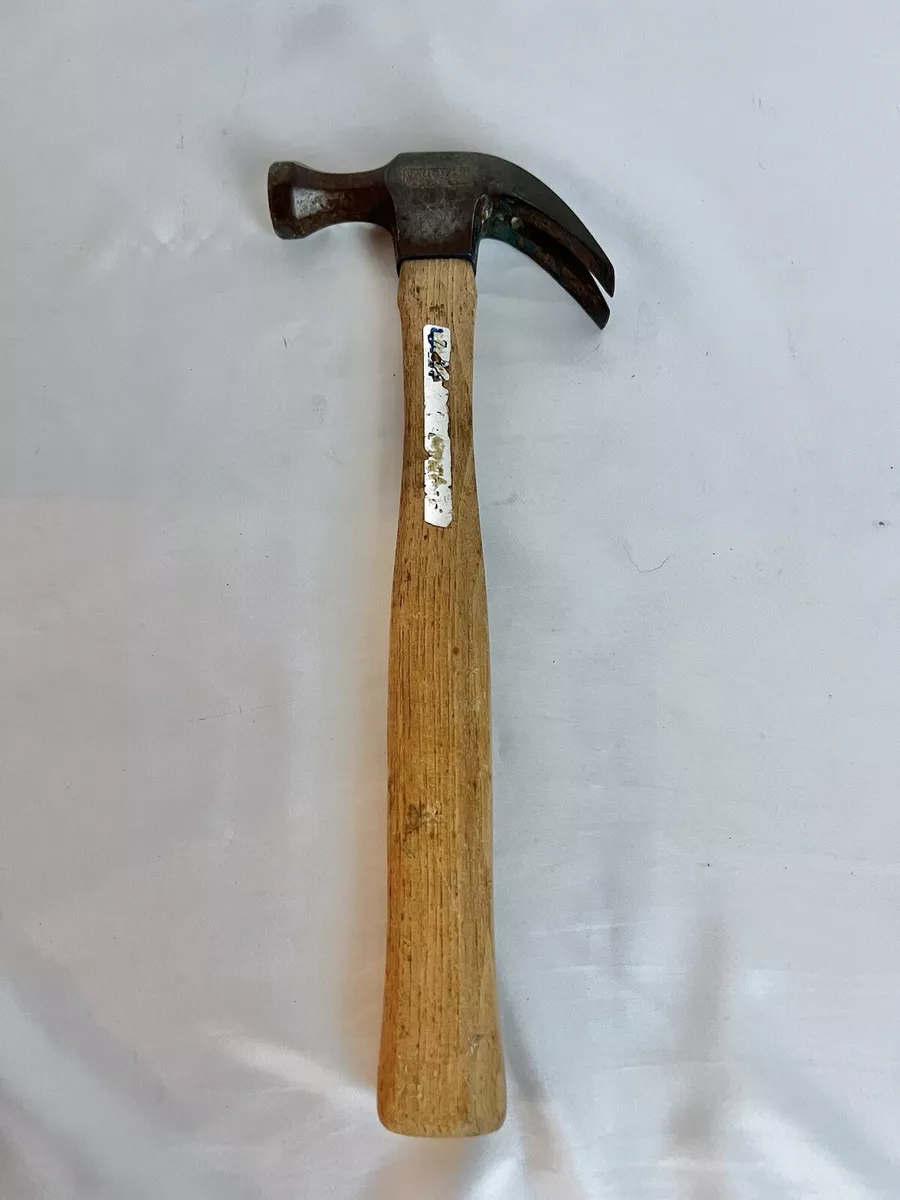
The claw has a V-shaped opening. You place this opening around the nail shaft or under the nail head. By pulling the handle back, the claw creates leverage and lifts the nail from the wood.
“Straight claw” does not mean the claw is perfectly flat. It means the claw extends with less curve than the claw on a standard curved claw hammer.
Straight claw vs. rip claw
The terms straight claw and rip claw are often used in similar ways, but they do not always describe identical designs.
A straight claw may be a general-purpose claw with a fairly direct shape. A rip claw usually has a straighter, stronger profile designed for pulling, prying, and rough carpentry. Product names vary by manufacturer, so the actual claw shape matters more than the label.
What Is a Straight Claw Hammer Used For?
A straight claw hammer is mainly used for nail work, framing, prying, and light demolition. Its straight claw gives it more reach and leverage than many curved claw hammers.
1. Driving nails
The hammer face drives nails into wood, drywall backing, roof sheathing, and other approved materials. You can use it to:
- Start and set common nails
- Drive framing nails
- Install wood trim
- Attach boards and sheathing
- Secure temporary bracing
- Drive some specialty fasteners when the fastener maker permits it
The right hammer size depends on the work. A lighter hammer offers more control for small repairs. A heavier hammer drives large framing nails with fewer blows but needs more care and strength.
Do not strike hardened steel objects, masonry tools, or other items unless the tool maker says the hammer is designed for that task. A normal claw hammer can chip when used on the wrong material.
2. Pulling nails
Nail pulling is one of the straight claw hammer’s best uses. The long, direct claw can reach nails that sit below the surface or behind boards.
To pull a nail:
- Slide the claw under the nail head.
- Push the claw in until it grips the shaft.
- Pull the handle toward the work surface.
- Place a scrap block under the hammer head if you need more leverage or want to protect the wood.
- Rotate the hammer to lift the nail.
Pull the nail in small stages if it is tight. This reduces stress on the claw and may prevent the nail from snapping.
If the nail head breaks off, drive the claw into the wood near the nail shaft and grip what remains. For a buried or stubborn nail, use nail pullers or end-cutting pliers instead of forcing the hammer.
3. Prying boards apart
The straight claw can separate boards, loosen trim, and open small gaps between pieces of wood. This is useful during remodeling when you need to remove:
- Baseboards
- Door and window trim
- Wood siding
- Deck boards
- Small framing pieces
- Shipping crates
- Temporary wood supports
Place the claw as close as possible to the fastener or joint. A scrap wood block under the hammer head spreads the load and reduces dents.
For large boards, glued joints, or heavy framing, use a pry bar. A hammer claw is not a replacement for a long pry bar. Excessive force can bend the claw, crack the handle, or send the tool back toward you.
4. Rough carpentry and framing
Many framing hammers use a straight or rip-style claw. The design suits work where the tool must do more than drive nails.
A straight claw hammer can help with:
- Aligning wood members
- Pulling misplaced nails
- Opening small gaps
- Removing blocking
- Adjusting boards before fastening
- Breaking light wood joints
Framing hammers are often heavier than general-purpose household hammers. They may also have a longer handle and a textured striking face. These features can increase driving power but also increase fatigue and the risk of damaging finished wood.
5. Light demolition
A straight claw hammer can handle small tear-out jobs. It may break thin wood, loosen trim, and remove nailed materials.
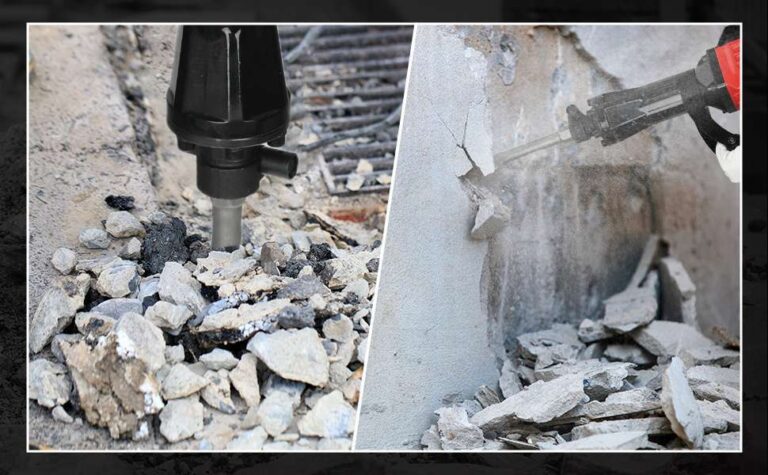
For example, it can help remove a damaged fence board or take apart a small wood crate. It is less suitable for concrete, brick, thick steel, or major structural demolition.
Use a demolition bar, wrecking bar, or proper cutting tool when the material resists normal hand force. Choose the tool based on the job rather than trying to make one hammer do everything.

Straight Claw Hammer vs. Curved Claw Hammer
The main difference is claw shape. A curved claw usually gives more built-in leverage for pulling nails. A straight claw often gives better reach, control, and prying ability.
| Feature | Straight claw hammer | Curved claw hammer |
|---|---|---|
| Claw shape | Nearly straight | Curved or rounded |
| Nail pulling | Strong, especially for recessed nails | Easy for many exposed nails |
| Prying | Useful for rough work | More limited in some positions |
| Typical work | Framing, demolition, repair | General household work and finish carpentry |
| Wood damage | May cause more damage during forceful prying | Can also dent wood, depending on use |
| Reach | Often longer and more direct | Often more compact |
| Best fit | Rough or structural work | General-purpose nail work |
Neither type is automatically better. A curved claw may be easier for a homeowner who mainly hangs pictures or repairs small wood items. A straight claw may be better for removing boards, pulling buried nails, or doing framing work.
The handle and head design matter as much as the claw. Two hammers with straight claws may feel very different because of their weight, balance, grip, and handle length.

How to Choose the Right Straight Claw Hammer
Choose the hammer based on the material, nail size, work position, and amount of force required. A heavier hammer is not always the better choice.
Hammer weight
Hammer weight usually refers to the weight of the metal head, not the entire tool. Common claw hammer sizes include:
- 8 to 12 ounces: Small repairs, light trim, and controlled work
- 16 ounces: General household and carpentry use
- 20 ounces: Framing, larger nails, and heavier wood work
- 22 ounces or more: Demanding framing and rough construction work
These ranges are general. A 20-ounce hammer can drive large nails well, but it may be tiring for overhead work. A 16-ounce hammer may offer better control for long repair sessions.
Handle material
Wood handles are light and can absorb some vibration. They can also split, loosen, or break with age and misuse.
Fiberglass handles usually resist splitting and may reduce some vibration. Inspect the connection between the head and handle, because a strong handle does not make a loose head safe.
Composite handles may combine a shock-absorbing grip with a durable core. Their comfort depends on the design and the user’s hand size.
The head must stay firmly attached in every case. Do not use a hammer with a loose head, cracked handle, damaged grip, or bent claw.
Face type
A smooth face is useful when you want to reduce marks on visible wood. A milled or textured face can help prevent the hammer from sliding off a nail head, but it may leave more marks.
For framing and rough construction, a textured face can be practical. For trim and finish work, a smooth face gives you more control over surface damage.
Balance and grip
A well-balanced hammer should feel controlled through the swing. The handle should not twist in your hand. A grip that feels secure can reduce strain, but no grip removes the need for proper technique.
If possible, hold the hammer before buying it. Check whether the weight feels manageable when the tool is held at arm’s length and above shoulder height.
How to Use a Straight Claw Hammer Safely
Use a straight claw hammer with controlled swings, stable footing, and the correct eye protection. Most hammer injuries come from missed strikes, flying chips, loose heads, or using the tool for the wrong task.
Before you start
Check these points first:
- The head is tight.
- The handle has no cracks, splinters, or deep cuts.
- The claw is not bent or chipped.
- The face is not mushroomed or badly damaged.
- The nail or material is suitable for hammer use.
- The workpiece is supported and cannot move unexpectedly.
- Your feet are stable and clear of trip hazards.
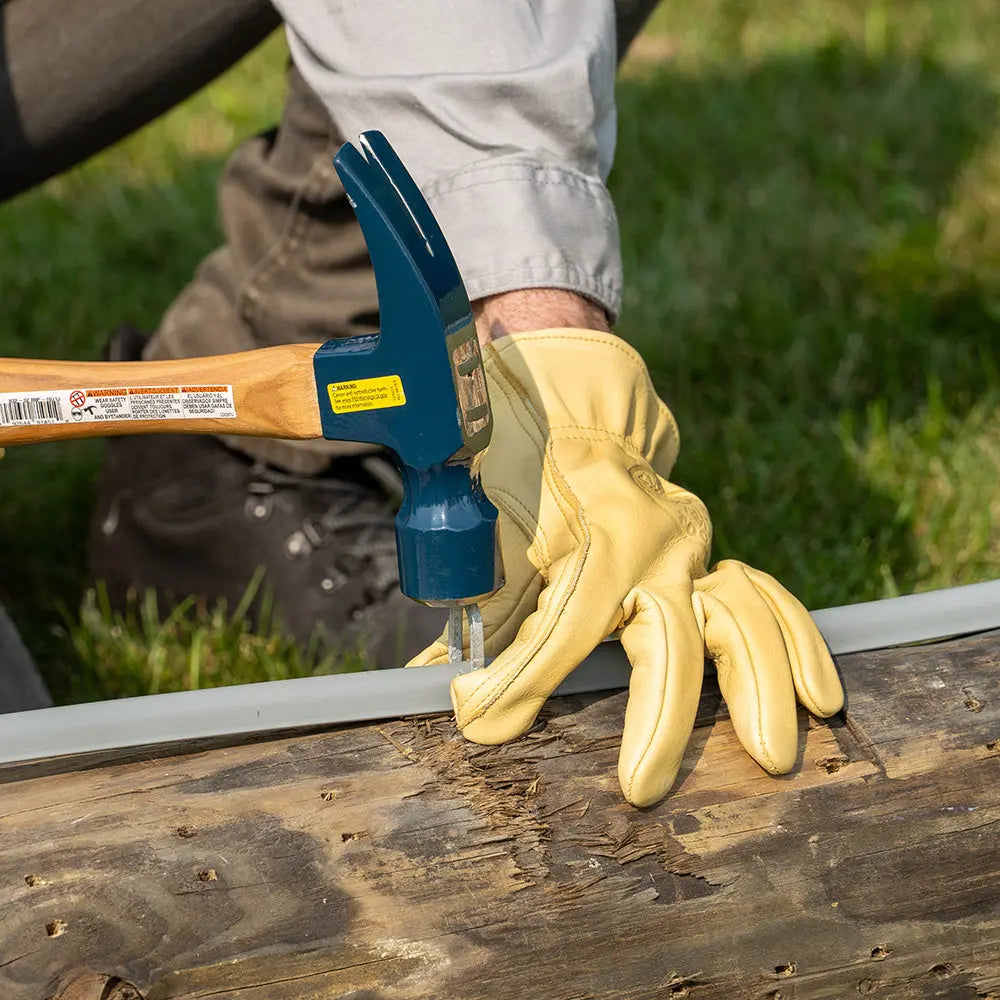
Wear safety glasses when driving nails, pulling nails, cutting wood, or striking material that could chip. Gloves may improve grip, but they do not replace eye protection.
Drive a nail
- Hold the nail between your fingers near the top.
- Tap it lightly until it stands on its own.
- Move your fingers away.
- Use controlled swings and strike the nail head squarely.
- Stop when the nail is set to the desired depth.
Do not hold a nail close to the striking path after the first light taps. For small nails, use pliers or a nail holder if your fingers would be too close.
Keep your wrist fairly firm and let the hammer move in a smooth arc. Large, wild swings reduce accuracy and increase fatigue.
Pull a nail
- Expose enough of the nail head for the claw to catch it.
- Push the claw under the head.
- Rock the hammer slowly instead of jerking it.
- Use a wood block under the head when more leverage is needed.
- Stop if the claw begins to bend or the wood starts to split.
For a nail that will not move, cut it with appropriate pliers or use a dedicated nail puller. Do not strike the hammer handle with another hammer unless the manufacturer specifically allows that method.
Pry safely
Place the claw near a solid support point. Keep your face and body out of the likely path of the hammer if the claw slips.
Never extend the handle with a pipe or another object. This creates more force than the hammer may safely handle and can cause sudden tool failure.
Common Mistakes to Avoid
The most common mistake is treating a straight claw hammer like a universal pry bar. The claw is strong, but its strength has limits.
Avoid these errors:
- Using the hammer to strike hardened steel
- Prying against fragile finished surfaces without a protective block
- Pulling at an extreme sideways angle
- Using a hammer with a loose head
- Striking nails at a sharp angle
- Using a heavy framing hammer for delicate trim
- Holding a workpiece in your hand while striking near your fingers
- Using the claw to lift heavy structural members
- Ignoring a cracked handle or bent claw
- Leaving the hammer where someone can step on it
A straight claw can damage wood. This is not always a defect. The tool is built for force, and prying can leave dents, splits, and marks. Use a trim puller or small pry bar when preserving the surface matters.
If the claw slips repeatedly, check the nail position, claw depth, angle, and condition of the tool. If the nail is buried too deeply, a purpose-made nail puller may work better.

Can a Straight Claw Hammer Split Wood?
A straight claw hammer can split small pieces of wood, but it is not a substitute for an axe, hatchet, or splitting maul.
The claw may start a split in thin scrap wood or break apart a weak joint. However, forcing the claw into thick or knotty wood can bend it or damage the handle.
Use a tool designed for splitting when you need to process firewood or larger pieces of timber. A hammer is made to strike and pull. A splitting tool is made to drive a wedge through wood fibers.
Can You Use a Straight Claw Hammer for Framing?
Yes. A straight claw hammer is commonly suited to wood framing, especially when the hammer has a suitable weight, handle, and face.
For framing, look for:
- A weight you can control for repeated swings
- A handle long enough for the work
- A face that matches the desired surface finish
- A claw that can pull nails and make small adjustments
- A head and handle connection that stays secure
Framing is physically demanding. A heavier hammer may reduce the number of blows per nail, but it can increase arm, shoulder, and wrist fatigue. The best choice is the heaviest hammer you can control accurately for the full job.
Can You Use a Straight Claw Hammer for Finish Carpentry?
You can, but a lighter hammer with a smooth face is often a better choice for visible wood.
Finish carpentry requires accurate strikes and minimal surface damage. A heavy framing hammer or textured face may dent trim, leave marks, or drive a small nail too far.
For trim, molding, cabinet work, and delicate repairs, choose a light hammer and protect the surface. A nail set may also help you drive a finishing nail below the wood surface without striking the trim repeatedly.
Straight Claw Hammer Maintenance
Basic care helps the tool stay safe and accurate.
- Keep the striking face clean and free from deep damage.
- Store the hammer in a dry place.
- Check the handle and head before each use.
- Do not oil the striking face.
- Replace a cracked handle.
- Remove the hammer from service if the head loosens.
- Do not grind away major damage unless the tool maker provides a safe repair method.
A wooden handle may need replacement if it becomes loose or split. A damaged fiberglass or composite handle usually requires tool replacement because field repairs may not restore the original strength.
Follow the maker’s instructions for repair and replacement. OSHA’s hand-tool safety rule for construction work, 29 CFR 1926.301, also requires tools to be maintained in safe condition.

Frequently Asked Questions
Is a straight claw hammer better than a curved claw hammer?
It depends on the job. A straight claw often works better for rough carpentry, prying, and pulling recessed nails. A curved claw may offer easier leverage for common nail removal and general household repairs.
What is the best weight for a straight claw hammer?
A 16-ounce hammer is a practical general-purpose size for many users. Choose a lighter model for delicate work and a heavier model for framing or large nails if you can control it safely.
Can a straight claw hammer remove nails without damaging wood?
It can reduce damage when you use a scrap wood block under the head and pull in small stages. Some damage is likely when the nail is tight, the wood is soft, or the claw must enter the surface.
Why does my hammer slip off nail heads?
The nail may be bent, the hammer face may be worn, or you may be striking at an angle. Keep the face square to the nail and inspect the hammer for damage. A textured face can improve grip but may mark the wood.
When should I use a pry bar instead?
Use a pry bar when the material is heavy, the joint is very tight, or you need long leverage. A pry bar spreads force more effectively and reduces the chance of bending the hammer claw or damaging the handle.
Conclusion
A straight claw hammer is used for driving nails, pulling nails, prying boards, rough carpentry, framing, and light demolition. Its nearly straight claw gives it reach and useful leverage, especially when a curved claw cannot reach or grip a nail well.
For small home repairs, a 16-ounce model is often a flexible starting point. For framing, choose a weight and handle that you can control for repeated swings. Use a pry bar for heavy tear-out, and remove any hammer with a loose head, cracked handle, or damaged claw from service.
Recent Tool Guides
 Hammer
How To Hammer Flowers Onto Paper: Easy Guide
Learn how to hammer flowers onto paper with simple steps, helpful tips, and beautiful results for...
Read Guide → Wrench
How To Use A Hex Wrench: Easy Step-By-Step Guide
Learn how to use a hex wrench correctly with simple steps, helpful tips, and common mistakes...
Read Guide → Hacksaw
How To Cut Curtain Pole With Hacksaw: Easy Guide
Learn how to cut curtain pole with hacksaw safely and neatly. Follow simple steps for accurate...
Read Guide → Wrench
How To Use A Husky Torque Wrench: Easy Guide
Learn how to use a Husky torque wrench correctly with simple steps, torque settings, and safety...
Read Guide → Hammer
How To Hold A Hammer: Safe Grip Guide
Learn how to hold a hammer with the right grip, stance, and technique for safer, more...
Read Guide → Hacksaw
How To Cut Flexible Metal Conduit With Hacksaw: Easy Guide
Learn how to cut flexible metal conduit with hacksaw safely and cleanly. Follow simple steps for...
Read Guide →