

Attach the hand tool, spray a small amount of solution, scrub gently, and make slow suction passes until the area is nearly dry.
Learning how to use Bissell ProHeat 2X hand tool correctly can make a big difference on stairs, upholstery, car seats, and small carpet stains. The tool is simple, but the best results come from using the right water level, gentle pressure, and enough dry passes to remove leftover moisture.
What the Bissell ProHeat 2X Hand Tool Does
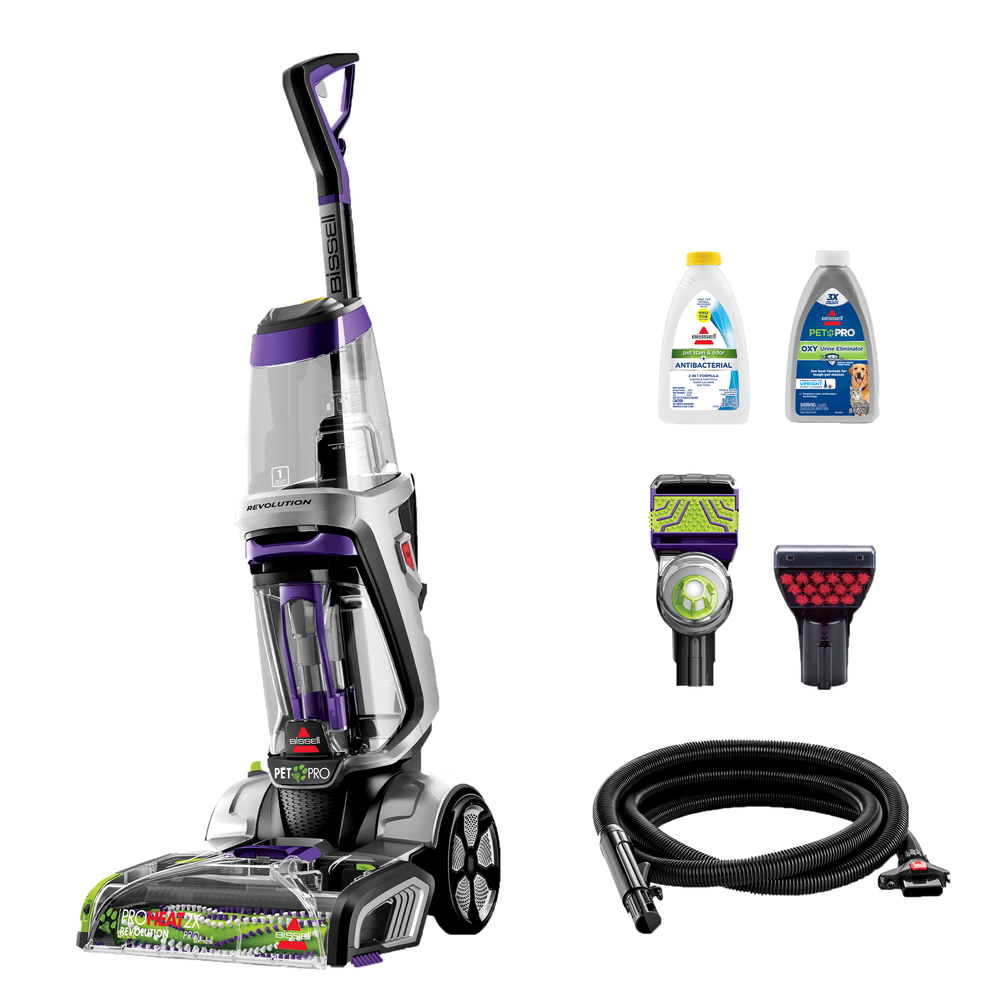
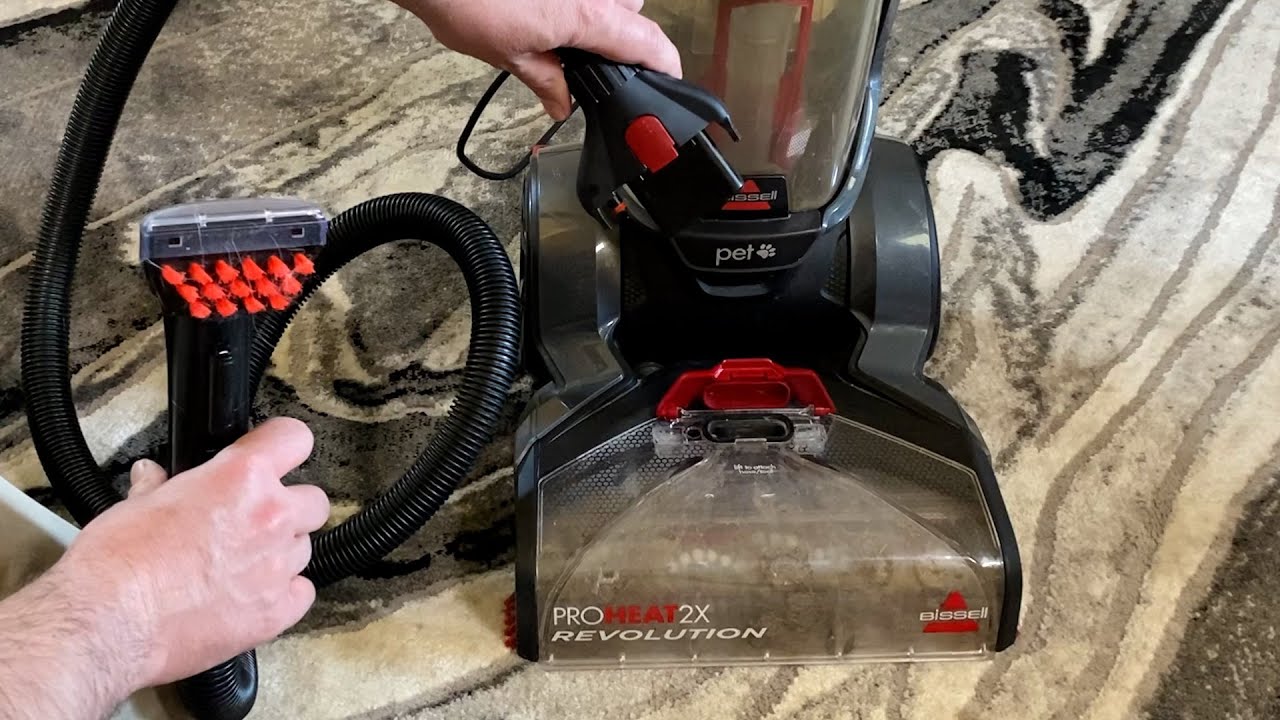
The Bissell ProHeat 2X hand tool is a small cleaning attachment that connects to the machine’s hose. It sprays a mix of water and Bissell cleaning formula onto a small area. It then lifts dirty water through the same tool.
This makes it useful for spots that are hard to clean with the main floor nozzle, such as:
• Carpeted stairs
• Upholstered chairs and sofas
• Car seats and floor mats
• Pet stains
• Small food and drink spills
• Edges near walls
• Tight areas around furniture
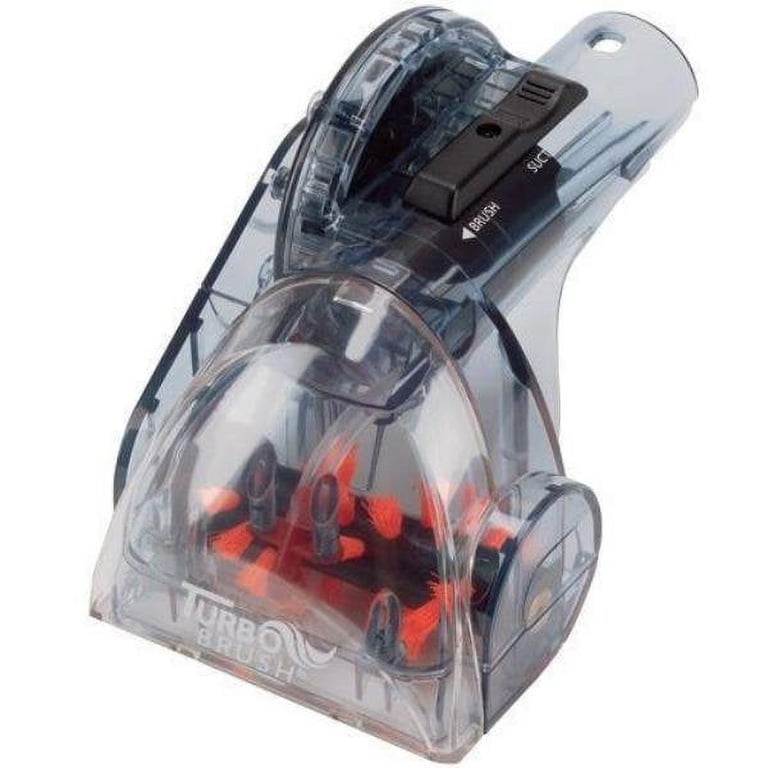
The exact attachment may vary by ProHeat 2X model. Some machines include a 3-inch Tough Stain Tool, while others include a DeepReach Pet Tool or a powered TurboBrush. Always check the tool shape and your model’s manual before use.
A hand tool is best for small areas. It is not a replacement for the full-size carpet cleaning head. Using it on a large carpet can take much longer and may leave the surface too wet.

What You Need Before You Start
Good preparation helps the Bissell ProHeat 2X hand tool work well. Before connecting anything, remove loose dirt and check the fabric or carpet for colorfastness.
Gather these items:
• Bissell cleaning formula made for your machine
• Clean tap water
• A vacuum cleaner
• White towels or cloths
• The correct hose and hand tool
• A small bowl for rinsing the tool
Read the care label on upholstery before cleaning. A label marked “W” or “WS” often allows water-based cleaning, but labels can vary. Avoid wet cleaning materials marked “S,” “X,” or “dry clean only” unless the manufacturer gives clear permission.
Test a hidden area first. Apply a small amount of solution, blot it, and wait until it dries. Check for color transfer, fading, shrinkage, or texture changes.
In hands-on cleaning, one common lesson is that most problems start before the machine is turned on. Loose crumbs, pet hair, and dry soil can turn into muddy residue when mixed with water. A slow vacuum pass first often gives a cleaner and faster result.

How to Use Bissell ProHeat 2X Hand Tool Step by Step
The basic process is the same across many Bissell ProHeat 2X models. However, switch names and hose ports can differ, so use the instructions printed on your machine if they do not match these steps.
1. Vacuum the area
Vacuum the carpet, stair, or upholstery first. Use an attachment to remove hair, dust, crumbs, and loose grit.
Do not skip this step for pet stains. Hair can block the tool, while dry soil can spread when the spray begins.
2. Fill the clean water tank
Remove the clean water tank from the machine. Fill it with hot tap water, not boiling water.
Many ProHeat 2X models specify water below 140°F. Very hot or boiling water can damage parts, affect fabric, and create a burn risk. Add the recommended amount of Bissell formula to the marked line or formula compartment.
Do not add bleach, dish soap, laundry detergent, vinegar, or homemade mixtures. These products may create too much foam, leave residue, or damage the machine.
3. Attach the hose
Find the hose connection on the front or side of the carpet cleaner. Push the hose firmly into the port until it is secure.
Connect the hand tool to the end of the hose. If the tool has a brush head, make sure it clicks into place. A loose connection can reduce suction and cause water to leak.
4. Select the hose or tool setting
Some Bissell ProHeat 2X models have a Ready Tools, Tools, or Hose setting. Set the machine to the tool mode before cleaning.
If your machine uses a separate switch, follow the label near the controls. Do not force a dial. If the machine does not spray, turn it off and check the hose connection, tank position, and tool nozzle.
5. Place the tool on the surface
Put the tool flat against the carpet or fabric. Begin at the outer edge of the stain and work toward the center.
Starting at the edge helps prevent the stain from spreading. It also lets you control how much liquid reaches the surface.
6. Press the spray trigger
Squeeze the trigger for a short spray. Use only enough solution to lightly dampen the area.
For a small stain, one or two short sprays may be enough. The goal is to rinse the fibers, not soak the padding or cushion.
7. Scrub gently
Move the hand tool back and forth with light pressure. Let the brush do the work.
Avoid aggressive scrubbing. Hard brushing can roughen carpet fibers, damage upholstery, or push a stain deeper. For delicate fabric, use less pressure and fewer brush strokes.
8. Release the trigger and make slow suction passes
Release the spray trigger. Then slowly pull the tool toward you while keeping it pressed against the surface.
Make several dry passes without spraying. These passes remove dirty water and help the area dry sooner. A useful rhythm is:
- Spray while moving forward slowly.
- Release the trigger.
- Pull back slowly to extract water.
- Repeat only if the stain remains.
- Finish with extra dry passes.
9. Blot when needed
After cleaning upholstery, press a clean white towel against the area. Do not rub it.
The towel can show whether excess moisture or color is still transferring. If the towel becomes wet, continue with suction passes rather than adding more spray.
10. Let the area dry fully
Keep people and pets away until the area is dry. Improve airflow with fans or open windows when practical.
Drying time depends on the material, room humidity, water amount, and padding. If the surface remains wet for many hours, you may have used too much solution or made too few extraction passes.
How to Clean Stains With the Hand Tool
Different stains need slightly different care. The hand tool can lift many fresh spills, but it may not remove old dye, permanent discoloration, or damage that has changed the fiber.
Fresh food and drink spills
First remove solid material with a spoon or dull edge. Vacuum loose pieces once they are dry.
Use a small amount of cleaning solution. Work from the outside of the spill toward the center, then make slow suction passes.
Pet urine stains
Blot fresh urine with white towels before using the machine. Do not rub, because rubbing can spread the liquid.
The Bissell ProHeat 2X hand tool can remove surface soil and some odor-causing residue, but old urine may reach the carpet pad. Deep odor can require an enzyme treatment, professional cleaning, or replacement of contaminated padding.
Grease and oily stains
Do not flood an oily stain with water. First remove excess grease with a clean, absorbent cloth.
Use only a product approved for the material and test it in a hidden spot. Water extraction may help, but some oil-based stains need a solvent-based treatment handled by a professional.
Mud
Let thick mud dry before vacuuming. Wet mud can spread and create a larger stain.
After vacuuming, use short spray bursts and several extraction passes. Replace the water or rinse the tank if the recovered water becomes heavily soiled.
Pet hair
Remove as much hair as possible before using the hand tool. A rubber glove, lint roller, or upholstery brush can help.
Too much hair can collect around the nozzle and reduce suction. Stop the machine and clear the tool if water flow becomes weak.
How to Use the Tool on Upholstery and Car Seats
The Bissell ProHeat 2X hand tool can work well on water-safe upholstery, but furniture needs extra care. Cushions often hold more moisture than carpet fibers.
Check the care label first. Test a hidden section, then clean one small area at a time.
Use these steps:
• Vacuum the surface carefully.
• Spray lightly with short trigger presses.
• Keep the tool moving.
• Use gentle brush pressure.
• Make slow suction passes without spraying.
• Blot with a white towel.
• Allow the cushion to dry with good airflow.
Avoid soaking foam cushions. Moisture trapped inside foam can cause a stale smell, mildew growth, or long drying times. If possible, clean removable cushions on both sides only when the care label allows it.
For car seats, protect electrical controls and avoid spraying near seat belts, speakers, airbag areas, and wiring. Never saturate a child safety seat unless its manufacturer specifically permits that cleaning method. Many car seat makers recommend surface cleaning with limited moisture to protect the seat’s safety materials.

Common Mistakes to Avoid
Using the Bissell ProHeat 2X hand tool is easy, but a few mistakes can lead to poor results.
Using too much formula
More formula does not always mean better cleaning. Extra detergent can leave a sticky film that attracts new soil.
Follow the tank’s formula marks. If the surface feels tacky after drying, rinse with clean water only if the material and machine instructions allow it.
Spraying too much water
Overwetting is one of the most common errors. It can cause slow drying, odor, color bleeding, or damage to the backing.
Use short sprays and several dry suction passes. Think of the process as rinsing a sponge, not filling a bucket.
Moving too quickly
Fast passes leave dirty water behind. Pull the tool slowly during extraction so the vacuum has time to lift moisture.
Slow work usually produces a cleaner and drier result than repeated heavy spraying.
Scrubbing too hard
Aggressive scrubbing can damage loops, lift fibers, or change the texture of upholstery. Gentle strokes are safer and often work just as well.
Ignoring the recovery tank
Stop and empty the dirty water tank when it reaches the marked limit. A full tank can reduce suction and may cause dirty water to spill.
Leaving the tool dirty
A dirty tool can smell and spread residue during the next cleaning job. Rinse it after every use and remove hair from the nozzle.

How to Clean and Store the Hand Tool
Proper care helps protect suction and spray flow. Clean the tool as soon as you finish, while residue is still soft.
Follow these steps:
- Turn off and unplug the carpet cleaner.
- Remove the hand tool from the hose.
- Rinse the tool under clean, warm water.
- Clear hair and debris from the spray opening and suction path.
- Rinse the hose if the manual allows it.
- Empty and rinse the dirty water tank.
- Empty the clean water tank if the manual recommends it.
- Wipe the tool with a clean cloth.
- Let all parts air-dry before storage.
Do not store the tool inside a sealed, damp container. Airflow prevents stale odors and helps limit mold growth.
If the tool does not spray later, check for dried formula near the nozzle. If suction is weak, inspect the hose, tank seal, float, and tool opening. Unplug the machine before clearing any blockage.

Why the Hand Tool May Not Work Properly
A Bissell ProHeat 2X hand tool may stop spraying or extracting for several simple reasons.
The tool will not spray
Check these items:
• The clean water tank is filled and seated correctly.
• The formula tank has the right amount of solution.
• The hose is fully connected.
• The tool nozzle is not clogged.
• The machine is set to the hose or tool mode.
• The spray trigger moves freely.
If the pump runs but no liquid comes out, turn off and unplug the unit. Rinse the tool opening and review the model-specific priming instructions.
The tool has weak suction
A full dirty water tank is a common cause. Empty it and confirm that the lid and rubber gasket are fitted correctly.
Also inspect the hose for bends, cracks, or blockages. A loose tool connection can allow air to enter and reduce extraction.
The area stays too wet
Use fewer spray bursts and more slow suction passes. Check that the recovery tank is not full and that the tool is sealed against the surface.
Some thick upholstery and dense carpet hold water naturally. In that case, use fans and allow more drying time rather than adding more solution.
The machine leaves a smell
A smell may come from dirty tanks, a wet hose, old formula, or moisture trapped in carpet padding. Empty the tanks after each use and allow parts to dry fully.
If odor returns from an old pet stain, the problem may be below the carpet surface. The hand tool alone may not reach the padding.

Safety and Material Care Tips
Use the hand tool in a safe, controlled way. Keep the machine on a stable surface and never pull it by the hose.
Important precautions include:
• Unplug the machine before cleaning or checking parts.
• Keep water away from electrical plugs and controls.
• Never use boiling water.
• Do not mix cleaning chemicals.
• Keep children and pets away from wet areas.
• Follow the care label for upholstery and rugs.
• Stop if you see color bleeding or fabric damage.
• Use ventilation when cleaning indoors.
Bissell carpet cleaners are designed for water-based cleaning solutions approved for the machine. Using unapproved chemicals can affect foam control, seals, fabric color, and warranty coverage.
The tool also has limits. It cannot repair worn carpet, remove every permanent stain, or guarantee complete odor removal from soaked padding. Knowing these limits helps you avoid wasting time and causing extra damage.
How Often Should You Use the Hand Tool?
Use the hand tool when a small area needs targeted cleaning. A fresh spill should be treated soon, after removing any solid material and blotting excess liquid.
For normal home use, clean high-touch upholstery and small carpet spots when they become visibly dirty or develop an odor. Do not repeatedly wet the same area without allowing it to dry fully.
A full carpet cleaning schedule depends on traffic, pets, allergies, and household needs. Many homes benefit from regular vacuuming and occasional deep cleaning, while homes with pets or young children may need spot cleaning more often.
The best routine is simple:
• Vacuum often.
• Treat spills early.
• Use the least moisture needed.
• Extract slowly.
• Dry the area completely.
• Clean the tool after use.
Frequently Asked Questions About How to Use Bissell ProHeat 2X Hand Tool
Do I need to pre-treat a stain before using the hand tool?
Pre-treatment can help with old or stubborn stains, but use a product that is safe for the material. Test it in a hidden place first, and never mix it with carpet machine formula.
Can I use the Bissell ProHeat 2X hand tool on a couch?
Yes, but only when the upholstery care label allows water-based cleaning. Use light sprays, gentle strokes, and many suction passes to prevent the cushion from becoming soaked.
Why is my Bissell hand tool not spraying?
The clean water tank may be empty, misaligned, or blocked, or the hose and tool may not be connected fully. Check the tool nozzle and the machine’s hose setting after unplugging the cleaner.
How long does carpet take to dry after using the hand tool?
Drying time depends on airflow, humidity, carpet thickness, and how much water you used. Fans and open windows can help, but the area should remain undisturbed until it is fully dry.
Can I use boiling water in a ProHeat 2X?
No. Use hot tap water within the temperature limit stated for your model. Boiling water can damage the machine and create a burn hazard.
How do I prevent the hand tool from leaving a wet spot?
Use short sprays and pull the tool slowly without spraying to remove water. Finish with several dry passes and improve airflow around the cleaned area.
Can the hand tool remove pet urine odor?
It may remove surface soil and some odor, but urine that reaches the pad can remain. Deep or repeated odor may need an enzyme treatment or professional cleaning.
Should I rinse the hand tool after every use?
Yes. Rinse away formula, hair, and dirty water after each use, then let the tool air-dry. This helps prevent clogs and stale odors.
Conclusion
Learning how to use Bissell ProHeat 2X hand tool comes down to five habits: vacuum first, use approved formula, spray lightly, extract slowly, and dry the area fully. The tool works best on small stains, stairs, upholstery, and other tight spaces where the main floor nozzle cannot reach.
Take your time and treat the hand tool like a small rinse-and-vacuum system, not a high-pressure scrubber. Check your model’s manual for attachment and tank details, then try the method on a hidden area before cleaning a visible surface. Share your cleaning results or explore more carpet-care guides for practical home tips.
