Where To Buy Hand Tools Online: Best Places To Shop
Introduction
The best place to buy hand tools online in the United States depends on what you need. Home Depot, Lowe’s, Ace Hardware, Harbor Freight, Northern Tool, Grainger, MSC Industrial, Amazon, and Walmart all sell hand tools, but they serve different buyers.
For a basic home repair, a local hardware chain may offer easy returns and store pickup. For professional work, an industrial supplier may provide better product details, replacement parts, and business support. Marketplaces can offer broad selection, but you must check the seller, warranty, and return terms.
Before you buy, compare the tool’s size, material, drive type, intended use, warranty, price, shipping cost, and return policy. A low price matters less if the tool does not fit the fastener or cannot handle the job.

Best Online Stores for Hand Tools in the U.S.
The right online store depends on the job, your budget, and how much product support you need. No single retailer is best for every tool buyer.
Home Depot and Lowe’s
Home Depot and Lowe’s are strong choices for common household and trade tools. Their websites usually carry ratchets, sockets, screwdrivers, pliers, wrenches, hammers, measuring tools, tool storage, and specialty hand tools.
Their main advantage is convenience. In many U.S. areas, you can order online and choose store pickup. That can help when a project cannot wait for standard shipping. Store availability varies by location, so confirm the item is ready before driving over.
These retailers also make sense when you want to return an item in person. Read the current return rules before buying, especially for used, opened, clearance, or special-order products.
Ace Hardware
Ace Hardware is useful for smaller purchases and local service. Its selection may vary more from one store to another because many Ace stores are independently owned.
Ace can be a good choice when you need a common tool quickly or want help from a local hardware store. Check whether the online order is fulfilled by a nearby store and whether pickup, shipping, and return terms differ.
Harbor Freight
Harbor Freight is known for low-cost tools aimed at homeowners, hobbyists, and some light-duty users. It can be a reasonable option for occasional jobs where the tool will not face heavy daily use.
The trade-off is that product quality, finish, fit, and long-term durability can vary by tool and product line. Look closely at the specifications and warranty. A cheap tool may be cost-effective for one project but a poor choice for work that demands precise fit or repeated use.
Northern Tool
Northern Tool is a useful source for shop, farm, automotive, construction, and maintenance tools. Its catalog often includes larger hand tools, specialty tools, tool storage, and equipment used in demanding work.
Compare the tool’s dimensions and intended application before ordering. Some products are designed for heavy mechanical use, while others are better suited to general home maintenance.
Grainger and MSC Industrial
Grainger and MSC Industrial mainly serve maintenance, repair, operations, manufacturing, and professional buyers. They can be helpful when you need exact specifications, industrial brands, replacement parts, or a tool for a defined workplace task.
These suppliers may not always offer the lowest price for a basic screwdriver or tape measure. Their value often comes from product data, business account support, brand selection, and access to specialized tools.
Amazon and Walmart
Amazon and Walmart offer broad online selection and quick comparison. They can be convenient for standard tool sets, replacement tools, and widely sold brands.
The key risk is seller variation. On a marketplace, the retailer may not be the actual seller or shipper. Before ordering, check:
- The seller’s name and rating
- Whether the product is new, used, refurbished, or open-box
- The stated warranty
- The return deadline and restocking terms
- The exact model number
- Whether the product photos match the written description
Buy from the manufacturer or an authorized seller when authenticity, warranty service, or safety is important.
How to Choose an Online Hand Tool Store
Choose the store after you define the task, not before. A store that is ideal for a homeowner may be inefficient for a contractor or maintenance department.
Match the store to your project
Use this simple guide:
| Your need | Online store type to consider | What to check |
|---|---|---|
| Occasional home repair | Home improvement or local hardware store | Price, pickup, returns |
| Low-cost tool for light use | Discount tool retailer | Warranty, fit, durability |
| Automotive or shop work | Tool and equipment retailer | Size range, strength rating, replacement parts |
| Professional maintenance | Industrial supplier | Specifications, availability, account support |
| Specialty or unusual tool | Industrial supplier or manufacturer | Compatibility, instructions, service |
| Fast replacement | Local retailer with pickup | Confirm stock before travel |
| Brand-specific replacement | Manufacturer or authorized dealer | Exact model and warranty |
This table is a starting point, not a quality ranking. A professional may buy from a home improvement store, and a homeowner may need an industrial supplier for one unusual repair.
Compare the total purchase cost
The listed price is only part of the cost. Use this calculation:
Total cost = tool price + shipping + sales tax − discounts
For example, a $24 tool with $8 shipping may cost more than a $29 tool with free shipping. A lower price can also lose its value if the product requires an adapter, replacement bit, or second trip to the store.
For large orders, check whether free shipping requires a minimum purchase. Do not add unneeded tools just to reach that threshold.
Check the return and warranty terms
A return policy and a manufacturer warranty are different.
- A return policy covers the retailer’s rules for sending an item back.
- A manufacturer warranty covers defects or failures under stated conditions.
- A satisfaction guarantee may have separate limits and exclusions.
Read the terms before using the tool. Some retailers may limit returns on used, damaged, or modified products. A warranty may exclude normal wear, misuse, corrosion, or damage from using the tool outside its intended purpose.
Prefer clear specifications
A useful product page should state the model number, dimensions, materials, drive size, weight, included parts, and intended use. Be cautious when a listing uses broad terms such as “heavy duty” without measurable details.
For a socket or wrench, verify the measurement system:
- SAE tools use inch-based sizes.
- Metric tools use millimeter sizes.
They may look similar, but using the wrong size can round a fastener. A tool set with both systems may cost more, but it can prevent delays when working on mixed equipment.
What to Check Before Buying a Hand Tool Online
Product fit is more important than brand popularity. Confirm that the tool can do the specific job and work with the fastener, material, or equipment involved.
Confirm the size and type
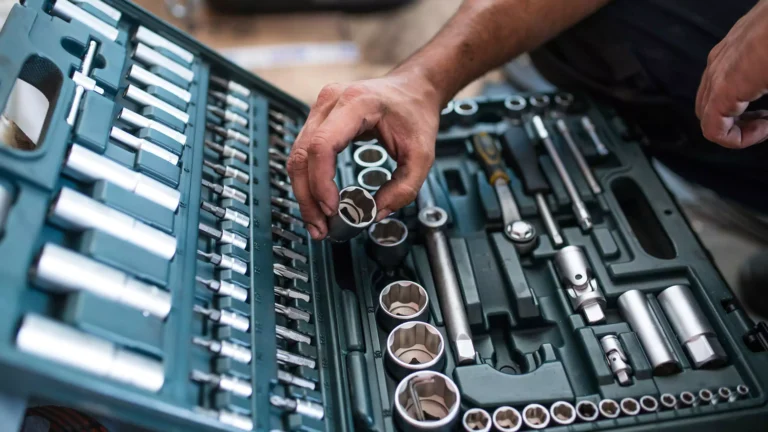
Check the exact size, length, and drive type. A 1/4-inch-drive socket set is not a substitute for a 1/2-inch-drive set when the job calls for higher torque.
For screwdrivers and bits, match the tip to the fastener. Common examples include Phillips, slotted, Torx, hex, square, and Pozidriv. A similar-looking tip may not fit correctly.
For pliers, check the jaw design and opening range. Slip-joint pliers, needle-nose pliers, locking pliers, and tongue-and-groove pliers serve different tasks.
Check the material and finish
Many hand tools use steel alloys, but the grade and heat treatment can differ. Product pages may describe chrome vanadium steel, carbon steel, stainless steel, or other materials.
The material name alone does not prove that one tool will last longer. Look at the complete specification, the warranty, and the intended use. A polished finish may make a tool easier to clean, but it does not by itself show how strong the tool is.
Look for the correct tool rating
Some tools have ratings or limits that matter:
- Torque tools may have a stated measurement range.
- Cutting tools may list the materials they can cut.
- Hammers may have a stated head weight.
- Ladders and lifting tools may have load limits.
- Insulated tools may be designed for electrical work under specific conditions.
Do not assume that a tool is safe for electrical work because it has a plastic handle. OSHA rules and employer procedures may require properly rated tools and additional controls. De-energize equipment when possible, verify the absence of voltage with a suitable tester, and use a qualified professional for electrical work beyond your training.
Inspect the listing for missing parts
Tool sets often look complete in photos but exclude accessories. Check the written list of included items.
Common omissions include:
- Batteries
- Chargers
- Adapters
- Extension bars
- Specialty bits
- Carrying cases
- Calibration certificates
- Replacement blades
Also check whether a “set” contains duplicate sizes or skips common sizes. A larger piece count does not always mean better value.
When to Buy From a Manufacturer Instead
Buy directly from the manufacturer or an authorized dealer when authenticity, replacement parts, or warranty service is central to the purchase.
This approach can be useful for:
- Specialized mechanic’s tools
- Precision measuring tools
- Torque tools
- Tools with replaceable parts
- Professional hand tools with long-term service support
- Tools that must match an existing system
Manufacturer websites often provide manuals, parts diagrams, warranty instructions, and approved dealer information. However, direct purchase is not automatically cheaper. Compare the final cost with reputable retailers.
For a torque wrench or other precision tool, check whether calibration information is included and what calibration interval the maker recommends. Do not treat a calibration certificate as proof that the tool will remain accurate forever. Storage, use, drops, and time can affect performance.
How to Avoid Counterfeit or Misleading Tool Listings
Counterfeit risk is higher when a listing uses vague product details, an unusually low price, or an unknown seller. The risk is especially serious for tools used under high force or in safety-critical work.
Use these checks:
- Search the exact model number on the manufacturer’s website.
- Compare the photos, dimensions, markings, and packaging.
- Check whether the seller is authorized.
- Read recent reviews for model-specific complaints.
- Avoid listings that combine several different models in one page.
- Keep your receipt and order record.
Reviews can help identify repeated problems, but they are not laboratory testing. Some reviews may describe a different size, seller, or product revision. Focus on reviews that identify the exact model and explain the failure or fit issue.
If a tool arrives with damaged packaging, missing markings, poor machining, or a mismatch between the listing and the product, stop using it. Contact the seller and manufacturer. For a suspected unsafe product, you can also check the U.S. Consumer Product Safety Commission’s recall database.
Hand Tool Safety After Your Order Arrives
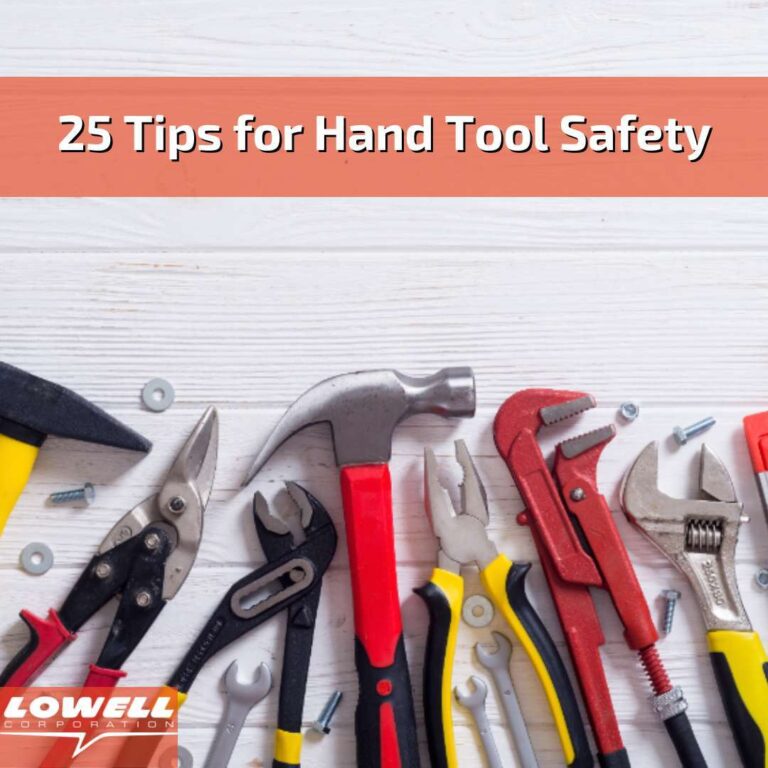
Inspect a new tool before use. Look for cracks, loose handles, damaged grips, bent parts, sharp burrs, incomplete jaws, and signs of corrosion.
Use the tool only for its intended purpose. Do not use a wrench as a hammer unless the manufacturer specifically designed it for that task. Do not extend a wrench with a pipe unless the tool’s instructions allow it. Extra leverage can exceed the tool’s design limit and cause a sudden break or slip.
Wear suitable eye protection when cutting, striking, scraping, or working where chips may fly. Keep your hands clear of pinch points. Use the correct size tool so it seats fully on the fastener.
The Occupational Safety and Health Administration requires employers to keep tools and equipment in safe condition under its general hand-tool rule. Home users should apply the same basic principle: remove damaged tools from service instead of hoping they will last one more job.
Store tools clean and dry. Wipe away oil and moisture, keep cutting edges protected, and return tools to a case or drawer where they will not fall or cause trips.
Common Mistakes When Buying Hand Tools Online
The most common buying mistake is choosing by piece count alone. A 100-piece set may include many bits and small accessories but lack the socket sizes or tool types you actually need.
Other mistakes include:
- Buying metric tools for an SAE fastener, or the reverse
- Ignoring the drive size
- Choosing a tool that is too short for the task
- Assuming a lifetime warranty covers misuse or normal wear
- Trusting stock photos instead of the model number
- Forgetting shipping and sales tax
- Buying from an unknown seller because the price is unusually low
- Skipping the manual for torque, cutting, or specialty tools
- Using a general tool for electrical, lifting, or other high-risk work
A short checklist can prevent most errors: identify the task, measure the fastener, choose the tool type, confirm the model, review the seller, calculate the total cost, and read the return terms.
A Simple Online Buying Checklist
Before placing an order, confirm the following:
- The tool matches the job.
- The size and measurement system are correct.
- The drive, tip, jaw, blade, or handle type is suitable.
- The listing shows an exact model number.
- The seller is reputable or authorized.
- The warranty is clear.
- The return window meets your needs.
- The full cost includes shipping and tax.
- The product includes all required accessories.
- You know how to inspect and use the tool safely.
For a basic home kit, start with tools that solve common tasks: a tape measure, screwdrivers, pliers, adjustable wrench, utility knife, level, hex keys, and a hammer. Add sockets, specialty bits, or precision tools only when your work requires them.
Frequently Asked Questions
Is it safe to buy hand tools from Amazon?
It can be safe when you verify the exact model, seller, condition, warranty, and return policy. For high-force, precision, or safety-related tools, consider buying from the manufacturer or an authorized dealer.
Which online store has the cheapest hand tools?
Prices change by brand, sale, shipping cost, and tool type. Discount retailers may have lower upfront prices, while home improvement and industrial stores may offer stronger support or easier returns. Compare total cost rather than the displayed price alone.
Are expensive hand tools always better?
No. A higher price may reflect better materials, tighter manufacturing, warranty support, or brand service, but it does not guarantee that the tool fits your needs. Match the tool to the workload, precision required, and expected frequency of use.
Should I buy a hand tool set or individual tools?
A set can cost less per tool when you need most of the included sizes. Buy individual tools when you need one specialty item or want to avoid paying for duplicates and unused pieces.
Where should I buy professional-grade hand tools?
Consider an established industrial supplier, a manufacturer, an authorized dealer, or a reputable tool retailer. Compare specifications, replacement parts, warranty service, and availability—not only the brand name.
Conclusion
The best place to buy hand tools online in the U.S. depends on the job. Home improvement stores are convenient for common tools and pickup. Harbor Freight may suit light-duty, budget-focused work. Northern Tool and industrial suppliers are better fits for specialty, shop, and professional needs. Marketplaces offer choice, but require closer checks on sellers and warranties.
Start by identifying the task and the exact tool specification. Then compare total cost, seller reliability, return terms, warranty coverage, and safety limits. A few minutes of checking can prevent the wrong size, a missing accessory, or a tool that is not fit for the work.
Recent Tool Guides
 Hammer
How To Hammer Flowers Onto Paper: Easy Guide
Learn how to hammer flowers onto paper with simple steps, helpful tips, and beautiful results for...
Read Guide → Wrench
How To Use A Hex Wrench: Easy Step-By-Step Guide
Learn how to use a hex wrench correctly with simple steps, helpful tips, and common mistakes...
Read Guide → Hacksaw
How To Cut Curtain Pole With Hacksaw: Easy Guide
Learn how to cut curtain pole with hacksaw safely and neatly. Follow simple steps for accurate...
Read Guide → Wrench
How To Use A Husky Torque Wrench: Easy Guide
Learn how to use a Husky torque wrench correctly with simple steps, torque settings, and safety...
Read Guide → Hammer
How To Hold A Hammer: Safe Grip Guide
Learn how to hold a hammer with the right grip, stance, and technique for safer, more...
Read Guide → Hacksaw
How To Cut Flexible Metal Conduit With Hacksaw: Easy Guide
Learn how to cut flexible metal conduit with hacksaw safely and cleanly. Follow simple steps for...
Read Guide →