What Is Proper For The Care Of Hand Tools: Easy Guide
Proper hand tool care means cleaning, inspecting, protecting, storing, and using each tool as its maker directs. Keep tools dry, remove dirt and rust, oil moving parts, sharpen cutting edges correctly, and replace tools with unsafe damage. Good care helps tools work well and lowers the risk of cuts, flying parts, electric shock, and hand injuries.
This guide applies to common tools used in U.S. homes, garages, farms, workshops, and job sites. It also reflects basic safety principles used by the Occupational Safety and Health Administration (OSHA), including keeping tools in safe condition and using the right tool for the job.

Why Hand Tool Care Matters
Well-kept hand tools are easier to control. A clean wrench grips a fastener better. A sharp chisel needs less force. A hammer with a sound handle is less likely to break or send a loose head into the air.
Poor care creates several common problems:
- Rust can weaken metal and make moving parts stick.
- Dull blades can slip because the user must push harder.
- Cracked handles can split during use.
- Mushroomed striking ends can shed metal chips.
- Loose screwdriver tips can damage screws and cause slips.
- Dirty tools can carry grit into hinges, bearings, and other parts.
- Wet tools can damage nearby tools during storage.
Tool care is not only about making equipment last longer. It also helps preserve the tool’s intended shape, balance, grip, and function.
The maker’s instructions come first. A product manual may specify a lubricant, sharpening angle, cleaning method, or storage limit. Do not use a general care rule when it conflicts with the tool’s instructions.

The Basic Hand Tool Care Routine
A simple routine works for most manual tools:
- Clean the tool after use.
- Inspect it for damage or wear.
- Dry it fully.
- Lubricate moving or exposed metal parts when needed.
- Sharpen or adjust the working edge if the tool requires it.
- Store it in a dry, protected place.
- Remove unsafe tools from service.
The best time to inspect a tool is before putting it away. The tool is already in your hand, so damage is easier to spot.
1. Clean the Tool
Remove dirt, sawdust, grease, paint, and metal filings with a cloth or soft brush. Use a mild cleaner when plain water is not enough. Avoid soaking tools with wood handles, leather parts, springs, bearings, or other materials that can hold water.
For sticky residue, use a cleaner approved for the tool’s surface. Test it on a small area first. Some solvents can damage plastic grips, painted finishes, rubber, or tool labels.
Never mix cleaning chemicals. Use ventilation and wear the protective equipment listed on the product label.
2. Inspect for Damage
Check the parts that carry force or help you control the tool:
- Handles, grips, and shafts
- Jaws, teeth, and cutting edges
- Hinges, springs, and locks
- Ratchets and adjustment parts
- Hammer heads and striking faces
- Screwdriver tips and bits
- Blades and guards
- Insulation on tools used near electrical systems
Look for cracks, bends, chips, deep rust, loose parts, sharp burrs, and unusual movement. A tool may look clean but still be unsafe.
3. Dry the tool
dry all metal surfaces after cleaning. Pay attention to joints, holes, seams, and areas under grips. Water left in these places can cause hidden rust.
A clean, dry cloth is usually enough. For tools that became very wet, allow them to air-dry in a warm, dry area before storage. Do not use excessive heat on plastic handles, rubber grips, sealed bearings, or tools with glued parts.
4. Protect Metal Surfaces
A light film of suitable oil or rust preventive can protect bare steel. Apply only a small amount, then wipe away excess oil. Too much oil attracts dust and can make a handle slippery.
Do not oil every tool by default. Some tools need dry protection, special grease, or no lubricant at all. Follow the product manual, especially for precision tools and tools with sealed mechanisms.
5. Check the Working Edge
A dull knife, plane blade, scraper, or chisel may need sharpening. Use the method and angle recommended by the maker. Keep both hands and the edge under control during sharpening.
Do not use a damaged grinding wheel or an improvised sharpening method. If you do not know how to sharpen a specialized tool safely, use a qualified sharpening service or replace the part.
How to Care for Different Types of Hand Tools
Different tools need different care. The material, moving parts, and work load all affect the correct method.
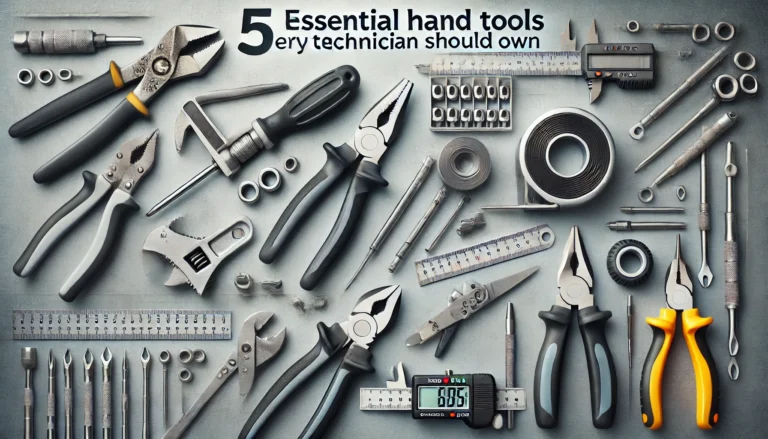
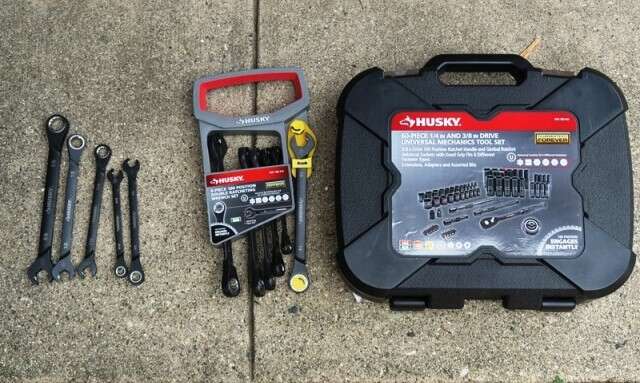
Pliers, Wrenches, and Adjustable Tools
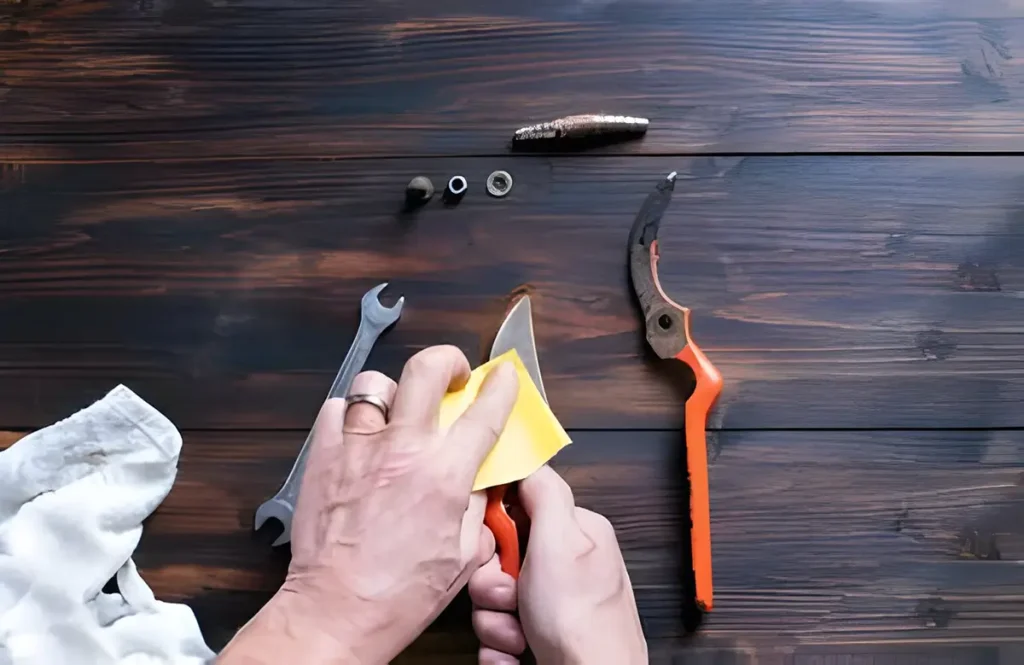
Wipe these tools after use. Remove grit from jaws, teeth, threads, and adjustment wheels. Add a small amount of light oil to hinges or adjustment threads when the maker allows it.
Do not hammer on a wrench unless it is designed for striking. Do not use pliers as a substitute for a wrench when the jaws may damage the fastener or slip.
Inspect adjustable wrenches for jaw movement. Excess play can make the tool slip. Replace tools with bent jaws, damaged teeth, or cracked handles.
Screwdrivers and Nut Drivers
Clean the shaft and handle. Check the tip for rounding, twisting, or chipping. A damaged tip can slip from the screw head.
Do not use a screwdriver as a chisel, punch, pry bar, or scraper unless it was made for that purpose. Do not strike a standard screwdriver with a hammer. Use a tool with a striking cap only when the manufacturer states that it is designed for impact.
Keep screwdriver tips dry and free from oil when grip is important. Oil on the tip can increase slipping.
Hammers and Striking Tools
Inspect the head before each use. The head must be secure, and the handle must not have cracks, splits, or severe wear. Look closely at the striking face and the area around the eye, where the head meets the handle.
A metal striking face that has spread outward, often called a mushroomed face, can release chips. Remove the tool from service until the damaged area is repaired by a qualified person or the tool is replaced.
Never use a hammer with a loose head. Do not strike hardened surfaces unless the hammer is designed for that work and you use the required eye and face protection.
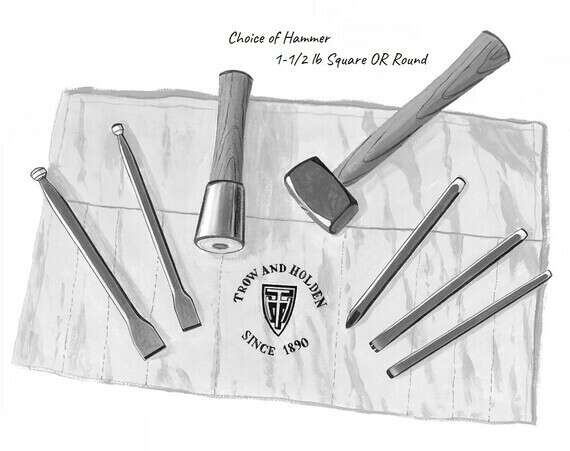
Cutting Tools
Keep knives, snips, chisels, punches, and shears sharp and clean. A sharp edge is easier to guide, but it still requires careful handling.
Store cutting tools with a sheath, guard, closed position, or other protection. Keep edges away from hands and from tools that may damage them.
Do not test sharpness with your finger. Keep the cutting path away from your body. Wear eye protection when cutting wire, metal, tile, or other material that may produce chips.
Tools With Wood Handles
Wipe wood handles clean and keep them dry. Check for cracks, loose wedges, splinters, and soft or crushed areas.
Do not soak wooden handles in water. Do not coat them with a slippery finish. A handle should remain easy to grip and should fit firmly into the tool head.
Replace a handle when it is cracked, badly split, loose, or too worn to provide safe control.
Insulated Tools
Tools marked as insulated or rated for electrical work require special care. Inspect the insulation for cuts, burns, cracks, swelling, or separation. Keep the tool clean and dry.
Do not use an insulated tool as proof that a circuit is safe. De-energize, lock out, and verify electrical systems using the correct procedure before work. For electrical tasks beyond your training, contact a qualified electrician.
Damaged insulation is a reason to remove the tool from service. Do not patch it with tape and assume the original protection has been restored.
Proper Storage for Hand Tools
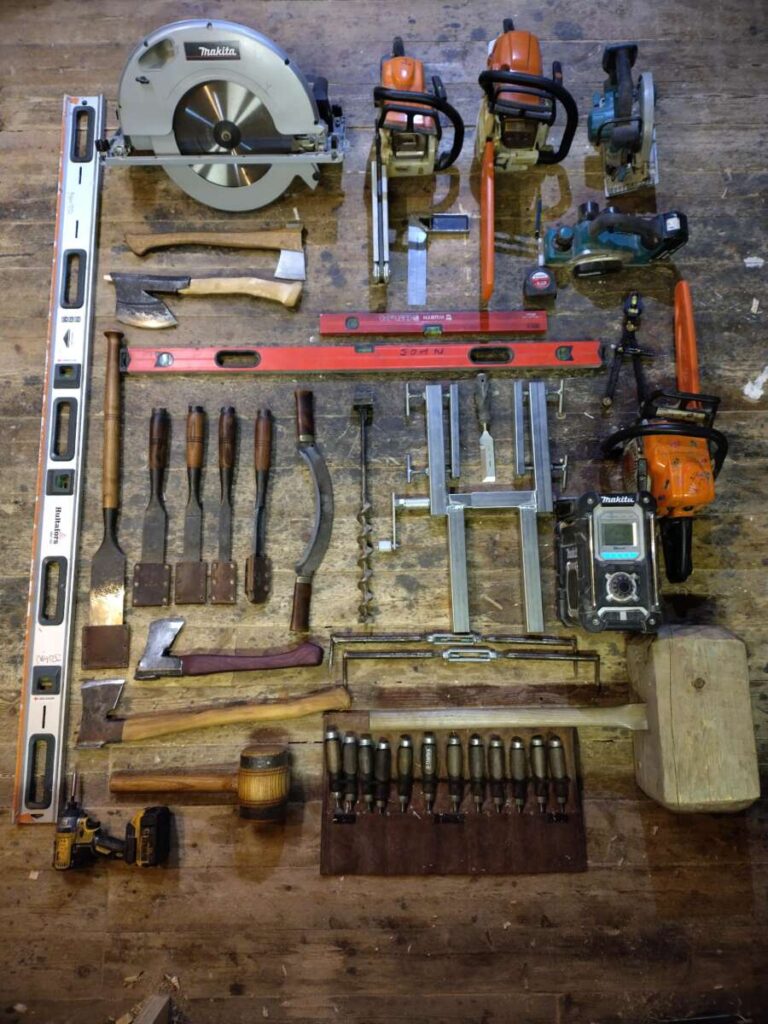
Store hand tools in a dry, organized location where they will not fall, rub against one another, or collect moisture. A toolbox, cabinet, pegboard, drawer, or fitted case can work well when it protects the tools from the local conditions.
Good storage practices include:
- Keep cutting edges covered.
- Store heavy tools low enough to reduce drop hazards.
- Keep tools off damp floors.
- Separate clean tools from oily or dirty equipment.
- Avoid tightly packing tools where they scrape one another.
- Store tools where children and unauthorized users cannot reach them.
- Keep tools away from corrosive chemicals and salt spray.
- Use silica gel or another moisture-control method only as a supplement, not as a replacement for dry storage.
Do not leave tools outside overnight. Even a light layer of dew can start corrosion on bare steel.
If you work in a humid area, inspect tools more often. In coastal parts of the United States, salt in the air can speed corrosion. In cold areas, moving a tool from a cold truck into a warm space may cause condensation. Wipe the tool dry before storing it.

How Often Should You Maintain Hand Tools?
Inspect hand tools before each use and clean them after each use when they contact dirt, water, chemicals, or abrasive material. The full maintenance interval depends on the tool and its work conditions.
| Tool condition | Recommended action |
|---|---|
| Clean, dry household use | Inspect before use and wipe after use |
| Frequent garage or workshop use | Clean after use and inspect weekly |
| Wet, dusty, or corrosive work | Clean and dry after every use |
| Tools with hinges or adjustment parts | Lubricate according to the manual |
| Cutting tools | Sharpen when the edge needs extra force or begins to slip |
| Striking tools | Inspect before every use |
| Insulated tools | Inspect before every electrical task |
These are practical starting points, not universal manufacturer schedules. A tool used every day in a machine shop may need more care than the same tool used once a month at home.
Use performance as a warning sign. If a tool feels loose, binds, slips, bends, or needs unusual force, stop and inspect it.
When to Repair and When to Replace a Hand Tool
Repair may be reasonable when the damage is limited and the repair restores the tool’s original strength and function. Examples can include replacing a manufacturer-approved handle, spring, blade, or worn bit.
Replace the tool, or have it assessed by a qualified repair professional, when it has:
- A cracked or bent load-bearing part
- A loose hammer head
- A split or badly damaged handle
- Deep corrosion or metal loss
- A chipped cutting edge that cannot be safely restored
- A ratchet that slips under load
- Damaged electrical insulation
- A broken safety guard
- A permanent bend caused by overload
- A missing part needed for safe operation
Do not weld, grind, drill, heat, or reshape a tool unless the manufacturer or a qualified repair source supports that repair. Changing the metal shape can reduce strength or alter how the tool handles force.
A low-cost tool is not automatically disposable, and an expensive tool is not automatically safe. The deciding question is whether the tool still performs its intended task without creating an unreasonable hazard.

Common Hand Tool Care Mistakes
Several mistakes shorten tool life or create avoidable danger.
Using the Wrong Tool
A screwdriver is not a pry bar. Pliers are not a wrench. A knife is not a scraper. Using the wrong tool can damage both the work and the tool, while increasing the chance of a slip.
Leaving Tools Wet
Water trapped in joints and seams can cause rust that is hard to see. Dry tools before putting them away.
Using Too Much Oil
Heavy oil attracts dust and can make grips slippery. Use a thin coat where the tool needs corrosion protection or lubrication.
Filing Away Damage Without Checking the Cause
A burr or mushroomed edge may show that the tool was overloaded or used for the wrong task. Removing visible metal without checking the tool’s condition may hide a deeper problem.
Storing Sharp Tools Loose
Loose blades can cut hands and damage other tools. Use guards, sheaths, cases, or secure storage.
Treating Tape as a Permanent Repair
Tape may cover a damaged handle or insulation, but it does not restore the tool’s strength or safety rating. Follow the maker’s repair instructions or replace the tool.
Ignoring the Manual
Care rules vary. A precision tool, insulated tool, torque tool, or coated tool may need a specific cleaner, oil, storage method, or calibration schedule.

A Simple Hand Tool Care Checklist
Use this checklist at the end of a job:
- Remove dirt, dust, grease, and filings.
- Check handles, grips, jaws, edges, hinges, and fasteners.
- Look for cracks, bends, chips, rust, and loose parts.
- Clean and dry the tool.
- Lubricate only the parts and surfaces that need it.
- Sharpen cutting tools with the correct method.
- Cover sharp edges.
- Store tools in a dry, protected place.
- Tag or remove damaged tools.
- Replace unsafe parts with approved parts when available.
A tool is ready for storage when it is clean, dry, complete, and free from damage that could affect safe use.
Key Takeaways
- Clean and dry hand tools after use.
- Inspect tools before each use.
- Keep cutting edges sharp and protected.
- Lubricate moving parts lightly and only when suitable.
- Store tools in a dry, organized location.
- Never use a cracked, loose, bent, or badly corroded tool.
- Do not use a general repair method when the manufacturer requires a specific one.
- Damaged insulation, loose striking heads, and cracked handles require immediate action.
FAQs About Caring for Hand Tools
Should I oil all my hand tools?
No. Apply oil only when the tool’s materials and design call for it. A light coat may protect bare steel, and a small amount may help a hinge or adjustment thread. Too much oil can attract grit and make the tool slippery.
What is the best way to remove rust from hand tools?
Start with a dry brush or cloth to remove loose rust. For light surface rust, use a rust remover or abrasive method that is suitable for the tool’s finish. Follow the product label, wear the required protection, and dry the tool fully afterward. Deep rust, pitting, or metal loss may make replacement safer.
Can I wash hand tools with water?
Some tools can be rinsed, but water should not remain on the tool. Dry the tool at once and pay special attention to joints and seams. Do not soak tools with wood handles, electrical insulation, sealed parts, or materials that can absorb water unless the manufacturer permits it.
How do I know when a tool is too damaged to use?
Remove it from service if it has a crack, dangerous bend, loose striking head, broken handle, deep corrosion, chipped working edge, slipping mechanism, or damaged insulation. If the defect affects strength, control, or protection, do not keep using the tool while deciding what to do.
How should I store tools in a humid garage?
Keep them off the floor in a closed cabinet, toolbox, or other dry location. Wipe bare metal with a suitable rust preventive, avoid over-oiling, and inspect the tools more often. Improve ventilation and reduce moisture when possible.
Do hand tools need professional maintenance?
Many common tools need only cleaning, inspection, and basic lubrication. Professional service may be needed for torque tools, precision instruments, specialty cutting tools, damaged insulated tools, and repairs involving heat, welding, or structural parts.
Conclusion
Proper care of hand tools is a repeatable habit: clean, inspect, dry, protect, store, and replace unsafe tools. Match the care method to the tool’s material and design, and follow the manufacturer’s instructions when they are more specific.
Start with the tools you use most. Clean them today, inspect their handles and working ends, and move any damaged tools out of service before the next job.
Recent Tool Guides
 Hammer
How To Hammer Flowers Onto Paper: Easy Guide
Learn how to hammer flowers onto paper with simple steps, helpful tips, and beautiful results for...
Read Guide → Wrench
How To Use A Hex Wrench: Easy Step-By-Step Guide
Learn how to use a hex wrench correctly with simple steps, helpful tips, and common mistakes...
Read Guide → Hacksaw
How To Cut Curtain Pole With Hacksaw: Easy Guide
Learn how to cut curtain pole with hacksaw safely and neatly. Follow simple steps for accurate...
Read Guide → Wrench
How To Use A Husky Torque Wrench: Easy Guide
Learn how to use a Husky torque wrench correctly with simple steps, torque settings, and safety...
Read Guide → Hammer
How To Hold A Hammer: Safe Grip Guide
Learn how to hold a hammer with the right grip, stance, and technique for safer, more...
Read Guide → Hacksaw
How To Cut Flexible Metal Conduit With Hacksaw: Easy Guide
Learn how to cut flexible metal conduit with hacksaw safely and cleanly. Follow simple steps for...
Read Guide →