What Are The Hazards Of Hand Tools: Safety Risks Explained
Introduction
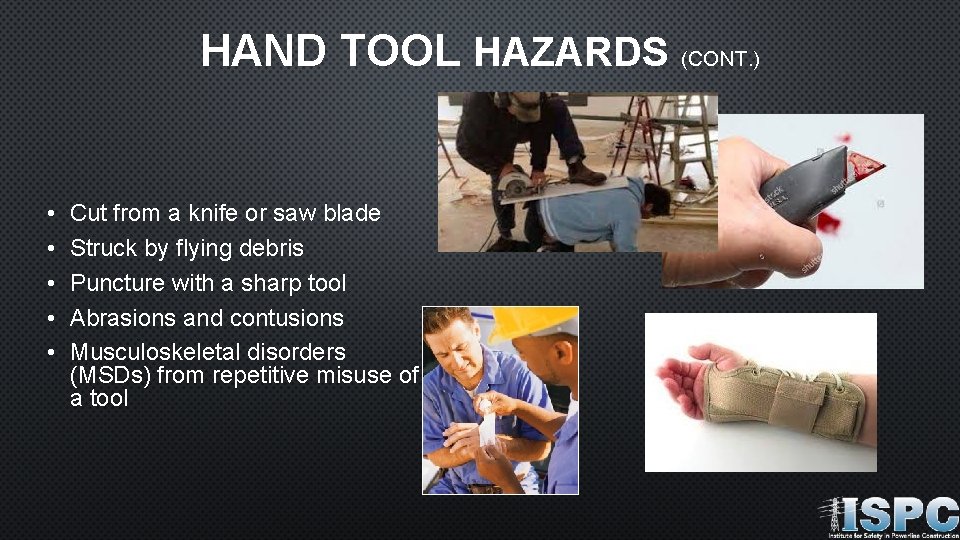
Hand tools can cause cuts, punctures, eye injuries, strains, burns, electric shock, and even serious crush injuries. Common examples include hammers, screwdrivers, wrenches, pliers, utility knives, chisels, saws, and files.
In the United States, the Occupational Safety and Health Administration (OSHA) requires employers to keep tools and equipment safe for workplace use. OSHA’s hand-tool rules cover issues such as damaged tools, sharp edges, struck-by hazards, and safe use near electrical sources. The same basic controls also help homeowners, DIY users, and volunteers avoid injuries.
The main risks come from using the wrong tool, using a damaged tool, applying too much force, failing to secure the work, and skipping eye or hand protection. A short inspection and the right work method can prevent many injuries.

The Main Hazards of Hand Tools
The hazards of hand tools vary by tool type, task, material, and work setting. A screwdriver may cause a puncture or hand strain, while a hammer may create flying fragments or a struck-by injury.
| Hazard | How it happens | Possible injury |
|---|---|---|
| Cuts and punctures | Contact with blades, points, or broken edges | Lacerations, puncture wounds, infection |
| Flying particles | Striking, cutting, filing, or chipping material | Eye or face injury |
| Struck-by injuries | A hammer, chisel, or tool head slips or breaks | Bruises, fractures, head injury |
| Pinch and crush injuries | Hands remain between tools, parts, or moving objects | Crushed fingers, fractures |
| Muscle strain | Excess force, poor posture, or repeated motion | Sprains, tendon problems, back pain |
| Electric shock | A metal tool contacts an energized part | Shock, burns, electrocution |
| Burns and fire | Tools contact hot parts or flammable materials | Skin burns, fire |
| Slips and falls | Tools, cords, or materials are left in walkways | Falls, cuts, broken bones |
| Noise and vibration | Repeated striking or high-force use | Hearing damage, numbness, hand problems |
These hazards often overlap. For example, a dull knife may require extra force. Extra force makes the knife more likely to slip, which raises the risk of a cut and a muscle strain at the same time.
Cuts and puncture wounds
Sharp edges cause some of the most obvious hand-tool injuries. Utility knives, handsaws, chisels, screwdrivers, awls, and damaged metal tools can cut or pierce skin.
A blade that is dull, rusty, loose, or poorly secured can be more dangerous than a sharp blade. A dull blade often needs more pressure. When it breaks free, the user may lose control.
Keep the cutting path away from your body and free hand. Use a clamp or vise when practical. Replace blades and tools that are bent, cracked, loose, or badly worn.
Flying particles and eye injuries
Hammers, chisels, punches, files, and saws can send small pieces of metal, wood, masonry, or plastic into the air. A damaged tool head may also break apart when struck.
OSHA requires suitable eye or face protection where workers may be exposed to flying objects. For many common tasks, safety glasses with side protection are a basic control. Goggles or a face shield may be needed when fragments, dust, or splashes could reach the face.
Do not rely on ordinary prescription glasses unless they are rated as protective eyewear. Regular lenses may not provide side protection or adequate impact resistance.
Struck-by and impact injuries
A hammer can miss its target. A wrench can slip. A chisel can glance off a surface. Each event can send the tool into a hand, arm, face, or another person.
Inspect hammer and mallet heads before use. Do not use a hammer with a loose head, cracked handle, or damaged striking face. Never strike a hardened tool with another tool unless the tool maker’s instructions allow it. Hardened metal can chip and send sharp fragments outward.
Keep other people out of the strike zone. This matters in garages, construction areas, machine shops, and crowded workspaces.
Pinch, crush, and caught-between injuries
Hands can be crushed between a wrench and a nearby surface, between a workpiece and a vise, or between parts that shift during repair.
Place your hands where a slipping tool will not trap them. Support heavy parts before loosening fasteners. Use a clamp, stand, or lifting aid instead of holding an unstable object with one hand while working with the other.
Gloves may protect against some sharp edges, but they do not remove a crush hazard. In some tasks, loose gloves can also catch on rotating equipment. Follow the equipment maker’s instructions and the employer’s hazard assessment.
Strains and overuse injuries
Hand tools can stress the wrist, fingers, elbow, shoulder, and back. The risk rises when a worker uses a tool that is too large, too small, too heavy, or poorly shaped for the task.
Repeated gripping and twisting can contribute to tendon irritation and fatigue. A long handle may provide more leverage, but it can also increase the force placed on a fastener or part. Use controlled force rather than sudden jerks.
Change position when possible. Take short breaks during repetitive work. Stop if you feel sharp pain, numbness, tingling, or loss of grip strength.
Electric shock
A hand tool does not need to be powered to create an electrical hazard. A metal screwdriver, pliers, wrench, or knife can contact an energized wire or terminal.
Before working on electrical equipment, identify the energy source and use the correct lockout or de-energizing procedure when required. OSHA’s electrical rules address safe work practices, insulated tools, and protection from energized parts.
Do not assume that turning off a wall switch makes a circuit safe. A qualified person should verify the condition of electrical systems when the task involves exposed energized parts, unknown wiring, or work beyond basic user-level maintenance.
Slips, trips, and falls
A tool left on a ladder, floor, scaffold, or walkway can cause a fall. A fall may then lead to contact with a blade, sharp edge, or hard surface.
Keep tools in a belt, bucket, toolbox, or secured tray when they are not in use. Do not carry sharp tools in a pocket with the point or blade exposed. Use a tool pouch or sheath designed for that purpose.
Clean up metal scraps, wood pieces, oil, and other debris as work progresses. Good housekeeping is a control, not just a matter of appearance.

Why Hand-Tool Injuries Happen
Most hand-tool injuries have more than one cause. The tool may be damaged, but the user may also be rushing, working in poor light, or holding the material in an unsafe position.
Using the wrong tool
A screwdriver is not a pry bar. Pliers are not a substitute for a wrench. A knife is not a chisel. Using a tool outside its design can damage the tool and make it harder to control.
Choose a tool that matches the fastener, material, size, and force needed. Use a socket or wrench that fits the fastener correctly. Use a saw suited to the material. Use a clamp or vise when the workpiece needs support.
Using damaged or poorly maintained tools
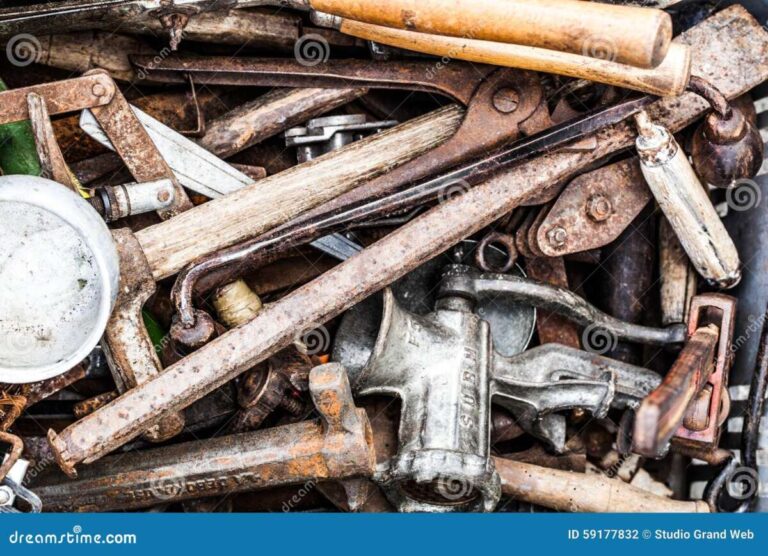
OSHA’s general industry rule, 29 CFR 1910.242(a), requires employers to keep hand and power tools in safe condition. Common defects include:
- Cracked handles
- Loose heads
- Bent shafts
- Mushroomed striking ends
- Dull or broken blades
- Damaged insulation
- Missing guards
- Worn jaws or teeth
- Slippery grips
- Rust that weakens the tool
Remove defective tools from service. Mark them clearly so another person does not use them by mistake. Repair them only when the repair restores the tool to a safe condition.
Applying force in an unsafe direction
A tool may slip when force is applied sideways, at an angle, or away from the body. A sudden release can cause a fall or send the hand into a sharp edge.
Whenever possible, push a wrench or other tool away from your body while keeping a stable stance. Keep your free hand out of the travel path. Do not use a cheater bar or pipe to extend a handle unless the tool and task are designed for that use.
Holding the workpiece by hand
Holding a small part in one hand while cutting, drilling, striking, or filing with the other increases the chance of injury. The workpiece can move without warning.
Use a vise, clamp, bench hook, or other suitable support. Make sure the support itself is stable and strong enough for the force of the task.
Working too quickly
Rushing reduces inspection time and makes poor positioning more likely. Fatigue can have the same effect.
Plan the task before starting. Set out the tools you need. Keep the work area lit and clear. If the tool begins to slip, stop and correct the setup instead of forcing the task.

How to Use Hand Tools More Safely
Safe hand-tool use starts before the first cut or strike. Use this short sequence for home projects and workplace tasks.
1. Identify the task and its hazards
Ask what could cut, strike, crush, shock, burn, or strain you. Consider the material, the tool, nearby people, overhead objects, and hidden energy sources.
Check for:
- Sharp edges and points
- Stored pressure or spring force
- Energized wires or equipment
- Hot surfaces
- Flammable liquids or vapors
- Dust or fragments
- Unstable workpieces
- Poor lighting or limited space
If the task involves exposed electrical parts, structural risk, gas systems, hazardous chemicals, or heavy equipment, stop and obtain qualified help when you lack the required training.
2. Select the right tool
Match the tool to the job. Confirm that its size and design fit the fastener or material.
Do not use household tools for tasks that require rated electrical tools, insulated tools, non-sparking tools, or specialized equipment. The required tool depends on the hazard, not just on convenience.
3. Inspect the tool
Look at the handle, head, blade, shaft, jaws, grip, and any guard. Check for cracks, looseness, sharp unwanted edges, excessive wear, and contamination such as oil.
For tools used near electricity, inspect insulation for cuts, gaps, or exposed metal. Damaged insulation is not made safe by electrical tape alone.
4. Prepare the work area
Use stable footing and enough light to see the work. Keep the floor dry and remove clutter.
Secure the workpiece. Place tools where they cannot roll, fall, or become a trip hazard. Keep bystanders outside the work zone, especially when striking, cutting, or chipping.
5. Wear task-appropriate PPE
Personal protective equipment depends on the hazard assessment. Common options include:
- Safety glasses for flying particles
- Goggles for dust or splash hazards
- Face shields for higher-impact or splash risks
- Cut-resistant gloves for suitable cutting tasks
- Hearing protection for repeated loud impact
- Protective footwear where dropped objects are possible
PPE does not fix a wrong tool or unsafe setup. It adds protection after other controls are in place.
6. Use controlled force and sound body position
Keep both feet stable. Maintain a neutral wrist when practical. Use smooth pressure rather than sudden jerks.
Keep your face and body out of the likely path of a slipping or breaking tool. Do not place a hand behind the material where the tool may exit.
7. Stop when conditions change
Stop work if the tool slips, the material moves, visibility falls, or a hidden hazard appears. Recheck the setup before continuing.
If a tool breaks or causes an injury, remove it from service and report the event in a workplace. A near miss can reveal a hazard before someone suffers a serious injury.

Hand-Tool Safety by Tool Type
Different tools create different hazards. The correct control must fit the tool.
Knives and utility cutters
Use a sharp, stable blade designed for the material. Keep the free hand away from the cutting line. Retract or cover the blade when it is not in use.
Do not catch a falling knife. Let it fall and move away. Replace disposable blades safely and place used blades in a suitable puncture-resistant container.
Hammers and striking tools
Check that the head is secure and the handle is sound. Wear eye protection when striking metal, masonry, or any material that may chip.
Do not strike one hardened tool against another unless the manufacturer allows it. Keep hands and other people away from the strike area.
Screwdrivers
Use the correct tip and size. Keep the workpiece secured instead of holding it in your palm. Never use a screwdriver as a pry bar, punch, or chisel.
A screwdriver with a damaged tip is more likely to slip and may damage the fastener.
Wrenches and pliers
Use the correct size so the tool fully engages the fastener. Pull in a controlled direction and keep your hand clear of nearby edges.
Do not add extra pipe length to a handle unless the tool is designed for that method. Do not use pliers to turn a fastener when a properly fitting wrench is available.
Chisels, punches, and files
Wear eye protection. Inspect striking ends for mushrooming, which can produce metal fragments when struck.
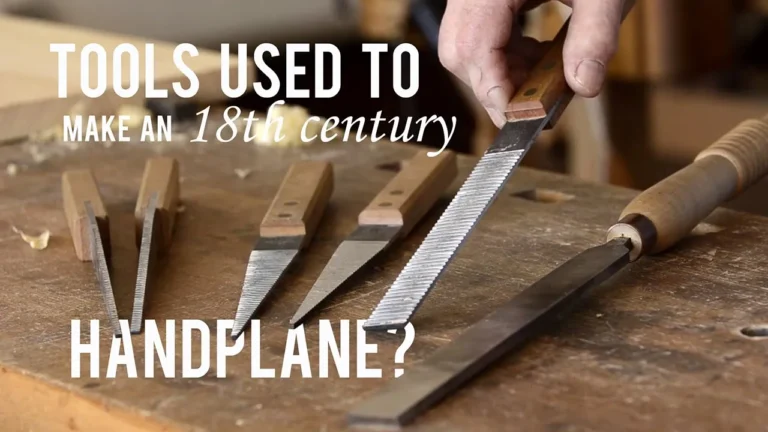
Use a handle on a file when the design requires one. A bare file tang can puncture the hand. Secure the workpiece instead of holding it while filing or chiseling.
Saws
Keep the blade sharp and properly installed. Support the material so it does not close on the blade or shift during the cut.
Use a blade guard or sheath when provided. Keep the other hand outside the blade path and place the saw down with the teeth protected.
Hand Tools and Power Tools Are Not the Same
Hand tools rely mainly on human force, while power tools use electricity, batteries, compressed air, fuel, or another energy source. Some hazards overlap, but power tools add risks such as unexpected start-up, entanglement, kickback, and higher noise or cutting speed.
Do not use a hand-tool safety checklist as a complete power-tool assessment. A powered saw, grinder, drill, or nailer may require guards, trigger controls, grounding or double insulation, disconnect procedures, and manufacturer-specific training.
OSHA’s Hand and Power Tools page provides workplace guidance on tool hazards, inspection, guarding, and safe use. The National Institute for Occupational Safety and Health also provides research and prevention information for occupational injuries.
For either tool type, the basic order is similar: remove the hazard when possible, use the right tool, secure the work, use guards and PPE, and follow the manufacturer’s instructions.

Common Hand-Tool Safety Mistakes
Avoiding these mistakes can prevent many injuries:
- Using a damaged tool: Remove it from service instead of trying to finish “one quick job.”
- Cutting toward the body: Change the work position or secure the material.
- Holding the work in one hand: Use a vise, clamp, or support.
- Using the wrong tool: Select the tool made for the fastener or material.
- Ignoring eye protection: Small fragments can cause permanent eye damage.
- Carrying sharp tools in pockets: Use a sheath, pouch, or toolbox.
- Leaving tools overhead: A falling tool can injure anyone below.
- Working near electricity without checking: De-energize and verify when required.
- Using excessive force: Stop and find the reason for resistance.
- Leaving tools dirty or wet: Clean and dry them before storage.
- Assuming gloves solve every risk: Gloves may not prevent crush injuries and can create snag hazards in some settings.
- Letting untrained people use specialized tools: Training must match the tool and the hazard.
A common mistake is treating a small tool as a small risk. A short blade, pointed screwdriver, or light hammer can still cause a serious injury when the tool slips or breaks.

What to Do After a Hand-Tool Injury
For a serious injury, call 911 in the United States. Seek urgent medical care for uncontrolled bleeding, deep or gaping wounds, loss of feeling or movement, suspected fractures, eye injuries, electrical shock, burns, or embedded objects.
For a minor cut, control bleeding with clean pressure and clean the wound. Medical advice may be needed if the wound is deep, contaminated, caused by a puncture, or associated with an uncertain tetanus vaccination history.
Do not remove an object embedded in the eye or body. Protect the area and obtain medical care.
At work, report the injury and the unsafe condition according to the employer’s procedure. Preserve the damaged tool if appropriate. Reviewing what happened can identify a failed guard, poor training, defective tool, or unsafe work method.

Frequently Asked Questions
What is the most common hazard of hand tools?
Cuts, punctures, and struck-by injuries are common hazards because many hand tools have sharp edges, points, heavy heads, or parts that can slip. The exact risk depends on the tool and task.
Are gloves required when using hand tools?
Not for every task. Gloves may help with cuts, abrasions, heat, or sharp edges, but they do not replace safe technique. Gloves can also reduce grip or catch on moving equipment. Choose them based on the specific hazard.
Should I use safety glasses with hand tools?
Use suitable eye protection when the task may create flying particles, chips, dust, or splashes. Hammers, chisels, punches, files, and saws often require extra attention to eye protection.
Can I repair a damaged hand tool?
Only if the repair restores the tool to a safe condition and is appropriate for that tool. Do not keep using a tool with a cracked handle, loose head, damaged insulation, badly worn jaws, or a compromised blade.
When should a professional handle the task?
Contact a qualified professional for exposed energized electrical work, gas systems, structural repairs, hazardous materials, heavy equipment, or any job where you cannot identify and control the risks. Stop if the task exceeds your training or the tool’s intended use.
Key Takeaways
- The main hazards of hand tools include cuts, punctures, flying particles, struck-by injuries, crush injuries, strains, electric shock, and falls.
- The wrong tool, a damaged tool, poor work positioning, and excessive force are common causes.
- Inspect tools before use and remove defective tools from service.
- Secure the workpiece and keep hands out of the tool’s travel path.
- Wear eye protection whenever the task may produce flying debris.
- Treat electrical, structural, chemical, and heavy-equipment work as higher-risk tasks that may require qualified help.
Conclusion
Hand tools are safe only when the tool, task, workpiece, and user are a good match. Inspect the tool, choose the right design, secure the material, control the force, and protect your eyes and hands when the hazard calls for it.
For workplace use in the United States, follow your employer’s hazard assessment, training, PPE rules, and applicable OSHA requirements. For home projects, stop when the risk is unclear or the task involves energy sources and systems beyond your training.
Recent Tool Guides
 Hammer
How To Hammer Flowers Onto Paper: Easy Guide
Learn how to hammer flowers onto paper with simple steps, helpful tips, and beautiful results for...
Read Guide → Wrench
How To Use A Hex Wrench: Easy Step-By-Step Guide
Learn how to use a hex wrench correctly with simple steps, helpful tips, and common mistakes...
Read Guide → Hacksaw
How To Cut Curtain Pole With Hacksaw: Easy Guide
Learn how to cut curtain pole with hacksaw safely and neatly. Follow simple steps for accurate...
Read Guide → Wrench
How To Use A Husky Torque Wrench: Easy Guide
Learn how to use a Husky torque wrench correctly with simple steps, torque settings, and safety...
Read Guide → Hammer
How To Hold A Hammer: Safe Grip Guide
Learn how to hold a hammer with the right grip, stance, and technique for safer, more...
Read Guide → Hacksaw
How To Cut Flexible Metal Conduit With Hacksaw: Easy Guide
Learn how to cut flexible metal conduit with hacksaw safely and cleanly. Follow simple steps for...
Read Guide →