

You can use a hacksaw to cut meat, but it is unsafe and unsuitable for most kitchen tasks.
The answer to “can you use a hacksaw to cut meat” depends on the blade, the meat, and food safety. A standard hacksaw may cut through frozen meat or bone, but a proper butcher saw is cleaner, safer, and easier to control. This guide explains the risks, better tools, safe methods, and situations where a hacksaw should stay in the garage.
Can You Use a Hacksaw to Cut Meat?
Technically, you can use a hacksaw to cut meat. Its fine teeth can pass through frozen meat, cartilage, and small bones. However, a regular hacksaw is not made for food preparation.
The main problem is contamination. Many hacksaw frames and blades are made for wood, metal, or plastic. They may have oil, rust, paint, dirt, or metal residue that should never touch food. Even a new blade may have a coating or manufacturing residue that is not approved for food contact.
A hacksaw can also crush soft meat instead of making a clean cut. Its narrow blade may clog with fat and tissue. This can make the saw hard to control and increase the chance of slipping.
A hacksaw may work in an emergency if all of these points are true:
• The saw is brand new and has never touched metal, wood, chemicals, or dirty surfaces.
• The blade is made from food-safe stainless steel.
• The blade has no paint, oil, rust, or unknown coating.
• The meat is very cold or partly frozen.
• You clean and sanitize every food-contact part before and after use.
Even then, a butcher saw or meat band saw is the better choice.

Why a Standard Hacksaw Is a Poor Meat-Cutting Tool
A hacksaw is designed to cut hard materials. It is not designed to handle the texture, moisture, and fat found in meat. This creates several practical and safety concerns.
It may contaminate the meat
A standard hacksaw can carry bacteria from previous projects. It may also hold tiny particles of metal, paint, wood, or grease. Washing the blade may not remove every residue from the teeth or mounting points.
Food safety depends on controlling cross-contamination. A tool used for home repairs should not be used for food unless it is specifically made and kept only for food use.
It can leave sharp fragments
A worn or low-quality blade may break. Small metal fragments can remain in the cut meat. These fragments may be hard to see and can cause injury if swallowed.
A proper meat saw uses a blade designed for food work. It is still important to inspect the meat after cutting, especially when working through bone.
It gives poor control
Meat moves as you cut it. Fat can make the surface slick, while bone can suddenly change the direction of the blade. A hacksaw handle and frame may not give you the grip or clearance needed for safe cutting.
This is much like using a household scissors to prune a thick tree branch. It may work for a moment, but the tool is not suited to the job.
It can damage the meat
A fine-tooth hacksaw may create a rough cut. It can smear fat across the surface and push bone dust into the meat. This is not ideal for steaks, chops, ribs, or clean portion cuts.
For frozen meat, the blade may also heat the surface from friction. That can soften the outside while the center remains hard, making the cut less stable.

What Happens When You Cut Different Types of Meat?
The answer to “can you use a hacksaw to cut meat” changes based on the cut and its condition. Soft meat, frozen meat, and bone-in cuts each respond differently.
Fresh, soft meat
Do not use a hacksaw on fresh meat if you can avoid it. A sharp chef’s knife, boning knife, or meat cleaver gives better control and a cleaner cut.
Fresh meat may fold around the blade. This can pull the meat toward the saw and make your hand move closer to the teeth.
Frozen meat
A hacksaw can cut frozen meat more easily than fresh meat because the meat becomes firm. Still, a proper frozen-food saw is safer and more hygienic.
Partly thawed meat is often the most difficult. The outside may be soft and slippery, while the center stays hard. For many cuts, chilling the meat until firm but not fully frozen gives the best control with a proper knife.
Bone-in meat
A hacksaw may cut through small bones, but a butcher saw is built for this purpose. Bone creates resistance and can cause the blade to bind or jump.
Never force the saw through a bone. Use slow, steady strokes and keep both hands away from the cutting path. Better yet, ask a butcher to portion large bone-in cuts before you take them home.
Large primal cuts
Large beef, pork, or lamb sections need stable support and enough space. A kitchen table is usually not a safe work area for this task.
For large cuts, a butcher can use a commercial meat saw. This gives a straighter cut and reduces waste.

Hacksaw vs. Butcher Saw
A butcher saw is the correct tool when you need to cut meat and bone. It has a wider blade, a food-safe design, and a frame made for repeated cutting.
| Feature | Standard hacksaw | Butcher saw |
|---|---|---|
| Main purpose | Cutting metal and other materials | Cutting meat and bone |
| Food-safe design | Usually no | Usually yes |
| Blade width | Narrow | Wider and more stable |
| Cleaning | Often difficult | Designed for washing and sanitation |
| Meat control | Limited | Better control |
| Risk of residue | High | Lower when properly maintained |
| Best use | Workshop projects | Meat preparation |
A meat cleaver is useful for some joints and small bones. A boning knife works well for separating meat from bone. An electric knife can handle some frozen foods, but it needs careful cleaning and a stable work surface.
The best tool depends on the cut:
• Use a chef’s knife for boneless meat.
• Use a boning knife for trimming around joints.
• Use a meat cleaver for suitable small bones and joints.
• Use a butcher saw for large bones or thick frozen cuts.
• Ask a professional butcher to handle oversized or difficult pieces.

Can You Use a Hacksaw to Cut Meat Safely?
If you ask, “can you use a hacksaw to cut meat safely,” the most accurate answer is usually no. A standard workshop hacksaw creates too many sanitation and control problems.
If you have no other option, treat the task as a high-risk food preparation job. Use only a new, unused, food-safe stainless steel blade. Do not use a blade that has cut metal, wood, tile, drywall, or any chemical-treated material.
Follow these steps:
Wash your hands with soap and warm water.
Clean and sanitize the work surface.
Keep the meat cold during preparation.
Use a stable, non-slip cutting board.
Secure the meat with a clean towel or food-safe holder, not your fingers.
Make slow, straight strokes without forcing the blade.
Keep your free hand behind the blade and away from the cutting path.
Stop if the blade bends, breaks, clogs, or becomes difficult to control.
Inspect the meat for bone dust or possible metal fragments.
Clean and sanitize all reusable equipment at once.
The USDA advises keeping raw meat separate from ready-to-eat food and cleaning surfaces after contact. It also recommends using a food thermometer because safe handling and safe cooking are different steps.
Do not rely on cooking to fix chemical contamination or metal fragments. Heat may kill some germs, but it will not make oil, paint, rust, or sharp metal safe to eat.

How to Clean a Meat Saw or Food-Safe Hacksaw
Cleaning is not the same as sanitizing. Cleaning removes food, grease, and dirt. Sanitizing reduces germs to a safer level.
First, take apart the tool if the design allows it. Follow the manufacturer’s instructions. Scrub the blade, frame, handle, and fasteners with hot water and dish soap.
Next, rinse away all soap. Apply a food-safe sanitizer according to its label. Do not mix cleaning chemicals, and do not use products that are not approved for food-contact surfaces.
Allow the parts to air-dry fully before storage. Moisture can lead to rust and bacterial growth.
Pay close attention to:
• Blade teeth
• Handle joints
• Screws and fasteners
• Areas beneath the blade mount
• Cracks in plastic handles
• Rust spots and chipped coatings
A tool that cannot be cleaned fully should not be used for food. This is one reason a regular hacksaw is a poor substitute for a butcher saw.

Common Mistakes to Avoid
Many problems happen because people focus only on whether the blade can cut. The better question is whether the entire process is safe and controlled.
Using a used workshop blade
Even if the blade looks clean, it may contain invisible oil or particles. Never use a blade that has already cut metal or other workshop materials.
Cutting on an unstable surface
A sliding board can turn a simple cut into a serious hand injury. Use a large, sturdy board with a damp towel underneath to prevent movement.
Holding the meat with your hand
Do not place your fingers near the blade. Use a stable grip on the meat’s far side, or use a food-safe clamp designed for kitchen use.
Forcing the blade
Pressure can bend or break the blade. It can also cause the saw to jump forward. Let the teeth do the work with calm, even strokes.
Leaving the meat warm
Raw meat should not sit at room temperature for long periods. Keep it refrigerated until you are ready to cut it, and return it to cold storage soon after preparation.
Ignoring bone dust
Bone dust can collect along the cut. Brush or rinse the meat as appropriate, then inspect it carefully before cooking. When possible, use a blade made for meat and bone to reduce this problem.

When Should You Ask a Butcher for Help?
Some cuts are too large, hard, or awkward for home preparation. Asking a butcher is often safer and may save money by reducing waste.
Contact a butcher when you need to:
• Split a large beef or lamb bone
• Cut through a thick frozen roast
• Portion a whole animal
• Make uniform steaks or chops
• Separate meat at a difficult joint
• Cut meat for a smoker or large event
A butcher can also recommend the right portion size. For example, a professional may cut short ribs across the bone, prepare shanks to fit a pot, or slice frozen meat evenly for hot pot dishes.
In practical kitchen work, the biggest lesson is simple: the right tool usually matters more than extra strength. A sharp, clean, purpose-built tool gives better results with less risk.

Safer Alternatives to a Hacksaw
The safest alternative depends on what you are cutting. For boneless meat, use a sharp kitchen knife with a sturdy cutting board. Keep the blade sharp because a dull knife needs more force and is more likely to slip.
For bone-in meat, use a meat cleaver only when the cut is suitable for cleaving. Do not swing a cleaver at hard, dense bones unless you have the training and the correct surface.
For large bones or frozen blocks, use a butcher saw. If you do not have one, a butcher shop is the safest option.
You can also ask the meat counter to:
• Remove the bone
• Divide a roast into smaller pieces
• Cut meat into stew cubes
• Slice frozen meat
• Prepare ribs, shanks, or chops
These services are often quick and may be free or low cost. They also help you avoid buying a tool that you will rarely use.
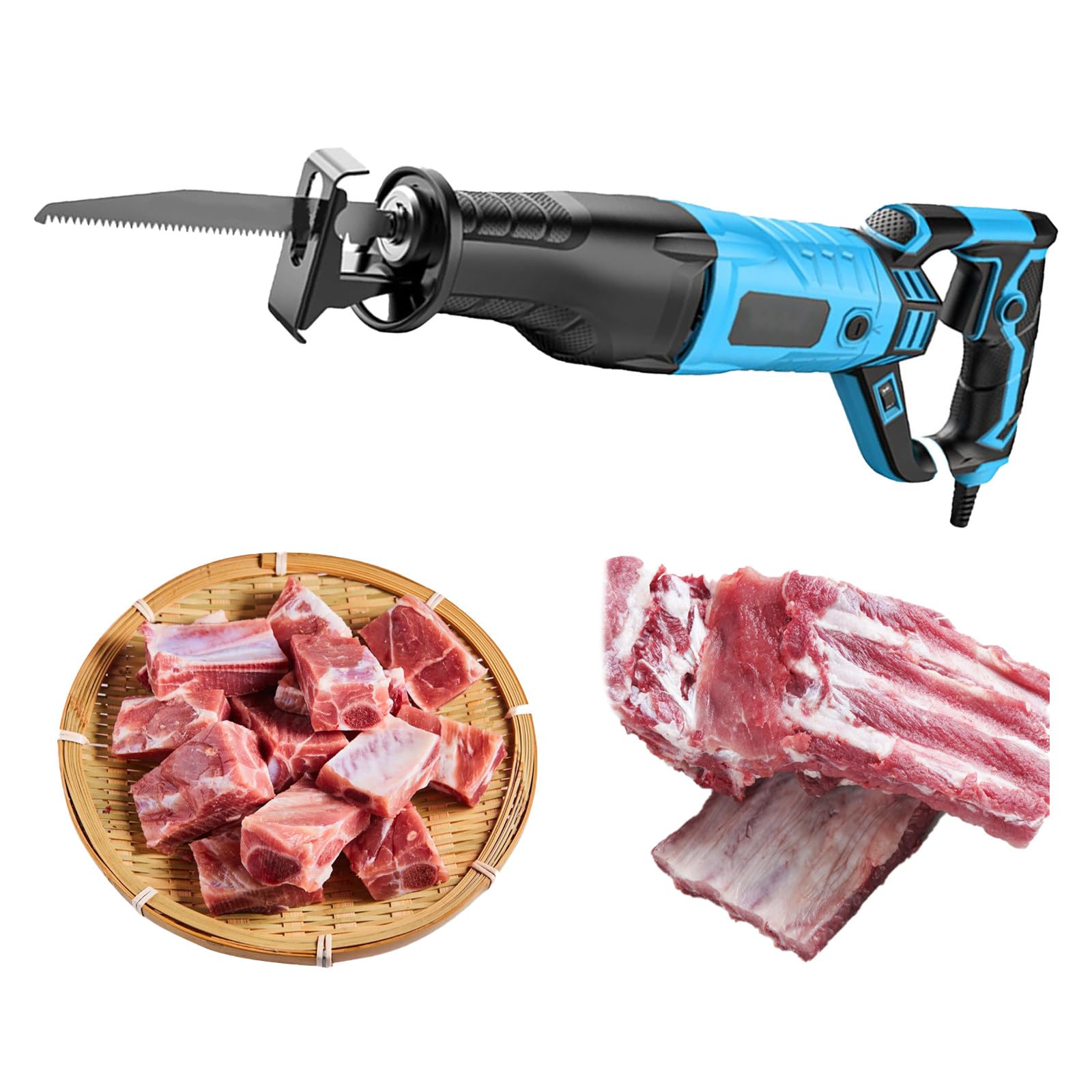
Frequently Asked Questions About Can You Use a Hacksaw to Cut Meat
Can you use a regular hacksaw to cut frozen meat?
A regular hacksaw can physically cut frozen meat, but it is not recommended for food preparation. The blade may contain oil, rust, or metal residue, and its design offers less control than a food-safe butcher saw.
Can a hacksaw cut through bone?
Yes, a hacksaw can cut through some bones, especially small or thin bones. A butcher saw is safer because it is designed for meat, bone, cleaning, and controlled cutting.
Is a new hacksaw blade safe for food?
Not automatically. A new blade may have manufacturing residue, protective oil, or a coating that is not approved for food contact, so only a clearly food-safe blade should be considered.
Can you use a hacksaw to cut raw chicken?
You should not use a standard hacksaw to cut raw chicken. Use kitchen shears, a boning knife, or a chef’s knife, then wash and sanitize all surfaces that touched the chicken.
What is the best saw for cutting meat and bone?
A butcher saw is the best manual saw for meat and bone. It has a food-safe design, a stable frame, and a blade made for cutting through bone without the contamination risks of a workshop hacksaw.
Can cooking remove hacksaw contamination from meat?
No. Cooking may destroy many harmful germs, but it will not remove oil, paint, rust, chemicals, or metal fragments. Contaminated meat should not be served.
Conclusion
So, can you use a hacksaw to cut meat? You can, in the narrow technical sense, but a standard hacksaw is not a safe or reliable kitchen tool. It may introduce contaminants, leave fragments, damage the meat, and make the cut harder to control.
Use a sharp kitchen knife for boneless meat and a food-safe butcher saw for thick cuts or bone. When the job is too large or awkward, ask a butcher to prepare it. Choose the right tool, keep the meat cold, and treat sanitation as seriously as cutting technique.
