

A drill can be a hand tool when operated by hand, but most modern drills are handheld power tools.
The answer depends on how you define “hand tool.” A manual hand drill fits the traditional definition because your muscles provide the power. A cordless or corded drill is held in your hand, but its motor makes it a power tool. Understanding this difference helps you choose the right tool, follow safety rules, and describe it correctly in a workshop, classroom, or job site.

Is a drill a hand tool?
A drill is a hand tool only in some cases. The key factor is not its size or whether you hold it in your hand. The key factor is how it receives power.
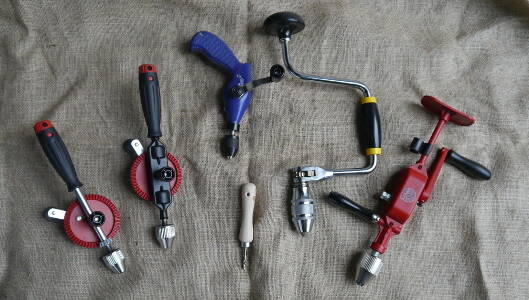
A traditional hand drill uses a crank or gear system. You turn the handle by hand, and the chuck rotates the drill bit. Since no motor or battery powers it, a manual drill is a true hand tool.
A corded drill or cordless drill is different. You guide it with your hands, but an electric motor turns the bit. In strict tool classifications, it is a handheld power tool rather than a basic hand tool.
The simplest way to understand it is this:
• A manual hand drill is a hand tool.
• A cordless drill is a handheld power tool.
• A corded drill is a handheld power tool.
• A drill press is a stationary power tool or machine tool.
So, is a drill a hand tool? The most accurate answer is that it can be, but common modern drills are usually classified as power tools.
What makes a tool a hand tool?
A hand tool is powered mainly by human effort. It does not use an electric motor, compressed air system, fuel engine, or battery to perform its main action.
Examples include:
• Screwdrivers
• Hammers
• Pliers
• Wrenches
• Chisels
• Manual hand drills
• Hand saws
• Files
Hand tools are often simple to use and easy to carry. They can also offer excellent control because the user directly controls the force and speed.
However, the term “hand tool” can have a broad everyday meaning. Many people call any tool held in the hand a hand tool. Under that broad meaning, a cordless drill is a hand tool because you hold and guide it.
In trade work and safety training, the narrower meaning is more useful. It separates tools powered by people from tools powered by electricity, batteries, air, or fuel.
Why are cordless drills called power tools?
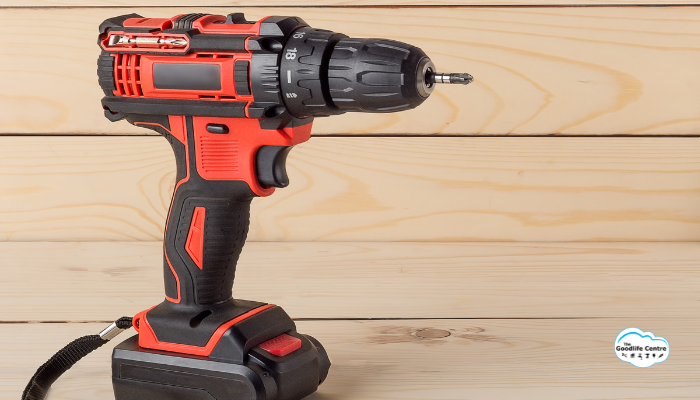
A cordless drill stores energy in a battery. The battery sends electricity to a motor, and the motor turns the chuck and drill bit.
That makes a cordless drill a power tool, even though it is small and portable. The same rule applies to many handheld tools, such as:
• Angle grinders
• Circular saws
• Impact drivers
• Rotary tools
• Electric screwdrivers
• Reciprocating saws
A cordless drill may feel like a simple hand tool because it is light and easy to carry. Yet its motor can produce far more speed and torque than most people can create by hand.
This extra power is useful, but it also creates more risk. A bit can catch in material. The drill can twist suddenly. A damaged battery or loose wire can also create a shock or fire hazard.
That is why manufacturers and workplace safety agencies treat powered drills as equipment that needs proper training, inspection, and protective practices.
Manual hand drills versus electric drills
A manual hand drill and an electric drill perform the same basic task: they rotate a bit to make a hole. Their designs, benefits, and limits are quite different.
Manual hand drill
A manual hand drill normally has a handle, crank, gears, and chuck. You rotate the crank, which transfers motion through the gears to the bit.
Benefits include:
• No battery or outlet is needed
• Very quiet operation
• Good control at low speed
• Low risk of electrical shock
• Useful in delicate wood or craft work
• Easy storage and simple maintenance
The main limitation is speed. Drilling a large number of holes can take time and effort. A manual hand drill also struggles with hard materials, thick stock, and large bits.
Electric drill
An electric drill uses a motor to rotate the bit. It may receive power from a wall outlet or a rechargeable battery.
Benefits include:
• Fast drilling
• Less physical effort
• Better performance in wood, metal, plastic, and masonry
• Compatibility with many accessories
• Adjustable speed and torque settings
• Easy use for repeated work
Its limits include noise, vibration, battery charging, and the risk of injury from rotating parts. A powered drill also needs more care around water, damaged cords, and poorly secured workpieces.
A practical lesson is simple: use a manual drill when control and quiet work matter most. Use an electric drill when speed, power, or repeated holes matter more.
Is a drill a hand tool in workplace classifications?
Workplace classifications can vary by industry, training program, and company policy. In many safety systems, tools are grouped into hand tools and power tools.
A hand tool usually depends on human force. A power tool uses an external energy source, such as:
• Electricity
• Batteries
• Compressed air
• Gasoline
• Hydraulic pressure
Under this system, a battery drill is a power tool. It is also handheld, but “handheld” describes its form and use, not its power source.
This distinction matters because powered tools often have special safety requirements. Employers may require eye protection, training, equipment checks, and safe battery handling.
Some tool catalogs use the term “handheld power tool” instead of “hand tool.” This wording avoids confusion. It tells you that the tool is held by hand but powered by a motor.
If you need a precise answer for a class, job form, or safety document, describe the tool fully. For example, write “cordless handheld power drill” instead of simply writing “hand tool.”
Common types of drills
The word “drill” covers several tools. Their classifications are not all the same.
Cordless drill
A cordless drill uses a rechargeable battery. It is portable and useful for home repairs, construction, furniture work, and maintenance.
Most cordless drills include a clutch. The clutch limits torque and helps prevent stripped screws or damaged material.
Corded drill
A corded drill gets power from an electrical outlet. It can run for long periods without charging, but the cord limits movement and can create a trip hazard.
Corded models are often useful for heavy work in a fixed area.
Hammer drill
A hammer drill spins the bit and adds a forward pulsing action. This helps the bit enter brick, block, and some concrete.
A hammer drill is a handheld power tool. It is not the same as a rotary hammer, which is usually larger and designed for tougher masonry work.
Impact drill or impact driver
An impact driver uses rotation and short bursts of force. It works well for driving long screws, bolts, and fasteners.
Although people sometimes call it an impact drill, an impact driver is designed mainly for fastening. It may accept hex-shank bits rather than standard round drill bits.
Drill press
A drill press is mounted to a stand or base. The user lowers the rotating bit into the workpiece with a feed handle.
A drill press is not a hand tool. It is a stationary machine that can provide accurate holes and steady pressure.
Manual hand drill
A manual hand drill is the clearest example of a true hand tool. It depends on human movement, not a motor or battery.

How to use a handheld drill safely
Whether you use a manual hand drill or an electric model, safe technique matters. A drill can damage material, break a bit, or cause injury when used carelessly.
Follow these basic steps:
Choose the correct bit for the material. Use wood bits for wood, metal bits for metal, and masonry bits for brick or concrete.
Inspect the drill before use. Check the cord, battery, chuck, trigger, housing, and bit for damage.
Secure the workpiece. Use clamps instead of holding a small object in your hand.
Wear suitable eye protection. Drilling can send chips and dust toward your face.
Keep loose clothing, hair, and jewelry away from the rotating chuck.
Set the correct speed. Lower speeds often work better for large bits and metal.
Hold the drill firmly with both hands when the tool or material may twist.
Keep the bit straight. A leaning bit can bind, break, or enlarge the hole.
Let the bit cut at its own pace. Pushing too hard can overheat the bit or stall the motor.
Disconnect power before changing a bit or clearing a jam. Remove the battery or unplug the drill first.
One common mistake is using a dull bit and then forcing the drill into the material. A sharp bit is safer, faster, and easier to control.

Advantages and limitations of a drill as a hand tool
When people ask, “Is a drill a hand tool?” they may also want to know whether a drill is suitable for their project. The answer depends on the task.
A manual drill offers strong control and a low-tech design. It is useful where noise, electricity, or excessive speed could cause problems.
An electric drill offers more power and saves time. It is often the better choice for home improvement, construction, cabinet work, and repair jobs.
Still, no drill is perfect. Consider these limitations:
• A manual drill requires more effort
• An electric drill can cause sudden torque
• Large bits may overload a small drill
• Batteries lose charge and wear out
• Cords can limit movement
• High speed can burn wood or damage metal
• Dust from masonry or treated materials may require extra protection
The tool should match the material and the job. A small cordless drill is excellent for assembling furniture. It may be the wrong choice for drilling dozens of large holes in thick hardwood.
Choosing the right drill for your project
Start by asking what you need to drill and how often you will use the tool.
For occasional home repairs, a cordless drill with an adjustable clutch is often the most versatile choice. Look for a comfortable grip, a two-speed gearbox, and a battery system with easy charging.
For long work sessions, a corded drill may be more practical. You will not need to stop and recharge, but you should manage the cord carefully.
For masonry, choose a hammer drill or rotary hammer. A standard drill may spin a masonry bit, but it may work slowly and place extra strain on the motor.
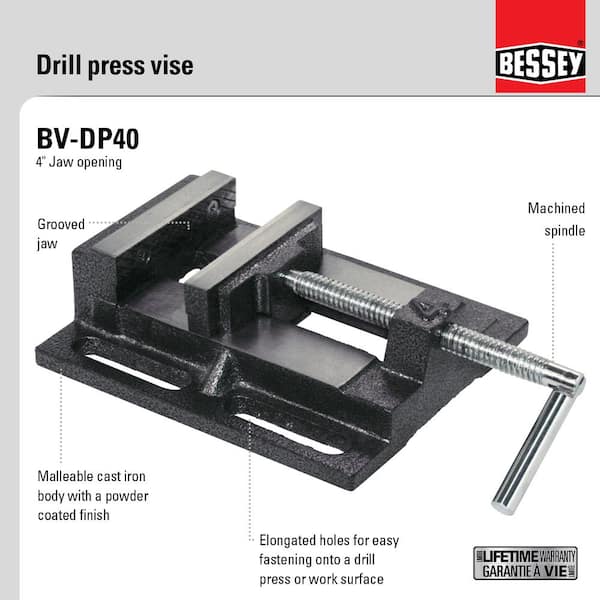
For accurate repeated holes, consider a drill press. It provides more stability than a handheld model and helps keep holes straight.
Before buying, compare:
• Voltage and battery capacity
• Chuck size
• Speed settings
• Clutch positions
• Torque output
• Tool weight
• Warranty coverage
• Availability of replacement batteries
The most powerful drill is not always the best drill. Balance power with control, comfort, and the needs of your work.
Common mistakes to avoid
Many drilling problems come from small errors rather than poor tools.
Avoid these mistakes:
• Using the wrong bit
• Drilling without securing the workpiece
• Applying too much force
• Ignoring overheating
• Using a damaged cord or battery
• Wearing gloves near a rotating chuck
• Drilling into hidden wires or pipes
• Failing to mark the correct hole depth
• Using high speed for every material
• Treating a powered drill like a harmless hand tool
Before drilling into a wall, check for electrical cables, plumbing, and structural parts. A stud finder can help, but it may not detect every hidden hazard.
When drilling metal, use cutting fluid when appropriate and reduce speed. When drilling wood, support the back of the board to reduce splintering.
When drilling tile, use the correct tile bit and avoid hammer mode unless the bit and tile manufacturer allow it. Small changes in technique can prevent costly damage.
Frequently Asked Questions About Is a Drill a Hand Tool
Is a cordless drill considered a hand tool?
A cordless drill is usually classified as a handheld power tool because a battery and motor provide its energy. In casual speech, people may call it a hand tool because they hold it in their hands.
Is a manual hand drill a hand tool?
Yes. A manual hand drill is a true hand tool because the user supplies the force that turns the bit. It does not rely on electricity, compressed air, or a motor.
Is a drill press a hand tool?
No. A drill press is a stationary power tool or machine tool. It is mounted on a base and uses a controlled feed system to move the bit.
Is a corded drill a power tool?
Yes. A corded drill is a handheld power tool because an electric motor rotates the bit. The power comes from an electrical outlet through a cord.
Can a drill be used as a screwdriver?
Many electric drills can drive screws when fitted with the correct driver bit. Use a low clutch setting and moderate speed to reduce the chance of stripping the screw or damaging the material.
Is a drill safe for beginners?
A drill can be safe for beginners when they receive basic instruction and follow the manufacturer’s guidance. Secure the workpiece, wear eye protection, use the correct bit, and disconnect power before making adjustments.
Conclusion
So, is a drill a hand tool? A manual hand drill is a hand tool because it relies on human power. Corded and cordless drills are handheld power tools because motors provide the force. A drill press is a stationary machine, not a hand tool.
Knowing this difference makes tool selection and safety practices much clearer. Match the drill to the material, inspect it before use, and focus on control rather than raw power. If this guide helped, explore more tool safety resources or share your drilling experience in the comments.
