How To Remove Stuck Mower Blade Bolt: Easy Fix
A stuck mower blade bolt usually comes off with the right socket, penetrating oil, and steady force from a breaker bar. You do not need an impact wrench. The key is to secure the mower, use the correct socket, prevent the blade from turning, and avoid damaging the bolt or blade adapter.
This guide applies mainly to walk-behind and riding mowers used in the United States. Always check your mower’s owner’s manual before lifting the deck or removing the blade. Mower designs, bolt sizes, thread direction, and safe lifting points can vary by brand and model.

What You Need Before You Start
Gather the correct tools before applying force. The wrong socket or an unstable mower can turn a simple repair into a damaged bolt or hand injury.
You may need:
- A six-point socket that fits the blade bolt
- A ratchet for normal removal
- A breaker bar for extra leverage
- A short length of pipe only if the tool maker allows it
- Penetrating oil
- A wire brush
- A block of scrap wood
- Work gloves
- Safety glasses
- A torque wrench for reassembly
- A replacement blade bolt or washer, if the old one is damaged
A six-point socket grips all six flat sides of the bolt head. It is less likely to round the bolt than a worn twelve-point socket or an adjustable wrench.
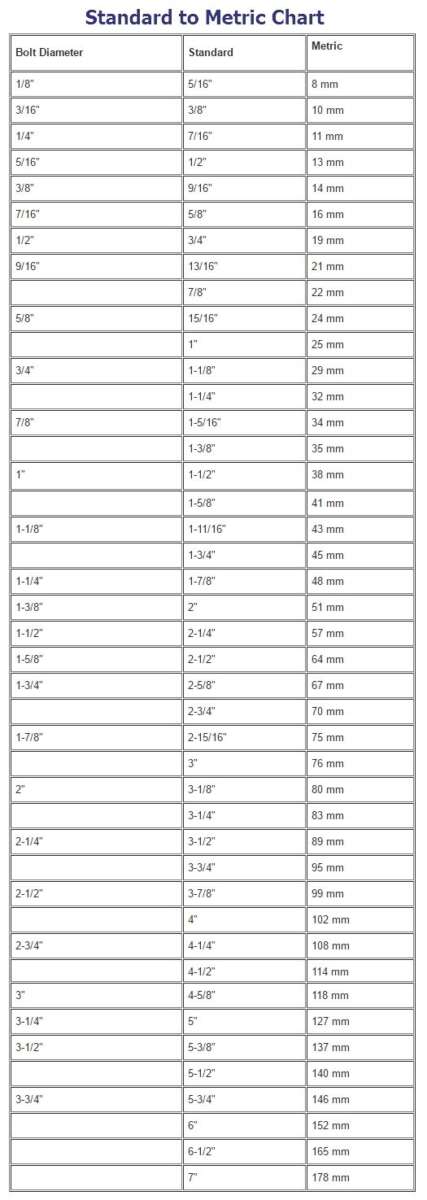
Before you begin, confirm the bolt size. Common mower blade bolts may use standard or metric sizes, depending on the manufacturer. Do not guess if the socket feels loose.
Important safety steps
- Park the mower on a flat, hard surface.
- Turn off the engine and let it cool.
- Remove the ignition key on a riding mower.
- Disconnect the spark plug wire on a gas walk-behind mower.
- Keep the disconnected spark plug wire away from the plug.
- Remove the battery connection on an electric-start or battery-powered mower when the manual permits it.
- Shut off the fuel valve, if fitted.
- Wear eye protection before brushing rust or striking the tool.
For a walk-behind mower, follow the owner’s instructions for tipping it. Many engines can leak oil or fuel if turned the wrong way. On a riding mower, use approved ramps, a service lift, or jack stands rated for the mower’s weight. Never rely on a car jack alone.
Step 1: Confirm Which Way the Bolt Turns
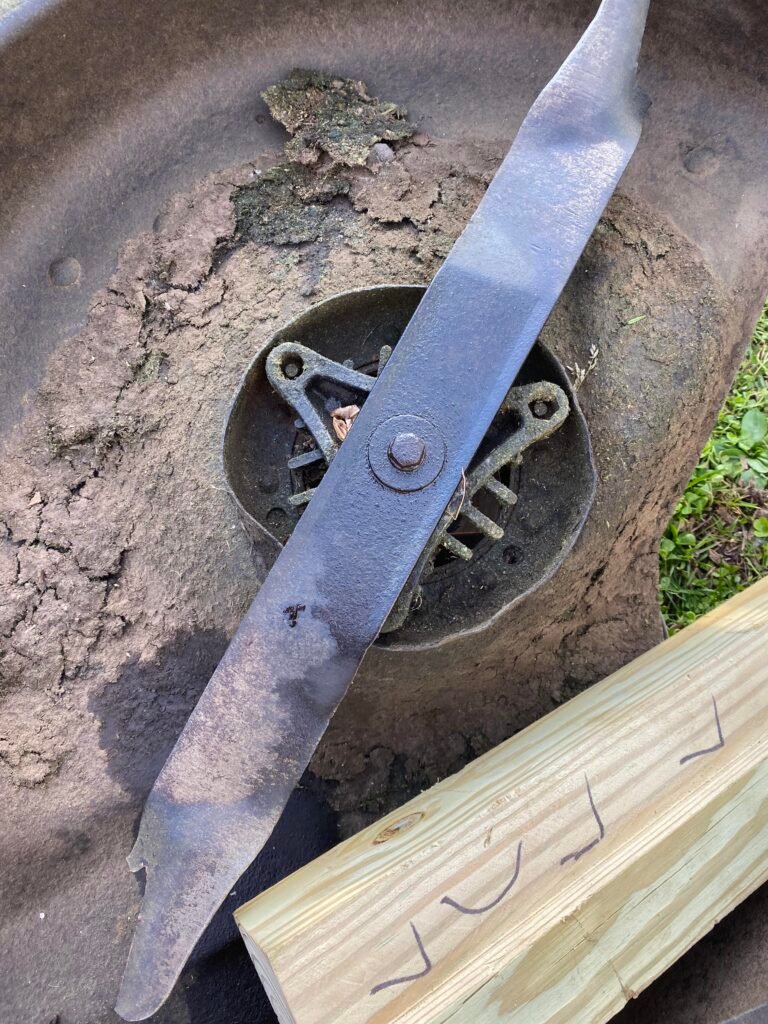
Most mower blade bolts use a standard right-hand thread. In that case, turn the bolt counterclockwise to loosen it when you face the bolt head.
However, some mower models use unusual thread designs or blade systems. Read the manual or inspect the manufacturer’s diagram before forcing the bolt. A wrong assumption about thread direction can make a stuck bolt even tighter.
The bolt head may face downward while the mower is tilted or raised. Think in terms of the bolt head’s position: counterclockwise normally loosens a standard bolt from that viewpoint.
Also check whether you are holding the correct part. Some mowers use a central blade bolt. Others use a spindle nut, washer, blade adapter, or special retaining system.
Step 2: Clean the Bolt and Apply Penetrating Oil
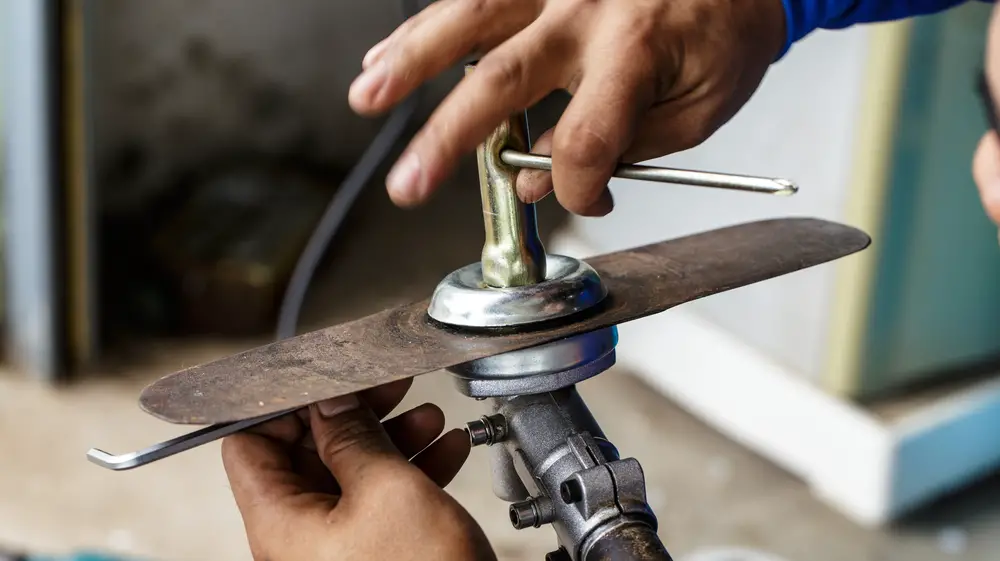
Brush loose grass, dirt, and rust from the bolt head and the area around the washer. Use a wire brush, but keep your face away from the debris.
Spray penetrating oil around the bolt and washer. Let it soak for at least 15 to 30 minutes. For heavy rust, apply it several times over several hours. Overnight soaking may help, but penetrating oil is not magic; it works best when it can reach the threads.
Do not confuse penetrating oil with ordinary motor oil. A penetrating product is made to creep into small gaps. It may still fail if the bolt is cross-threaded, bent, or seized by hardened corrosion.
A few light taps on the socket or bolt head can help the oil move into the joint. Use a small hammer and controlled taps. Do not strike the blade, spindle, or thin engine parts.
Step 3: Lock the Blade Safely
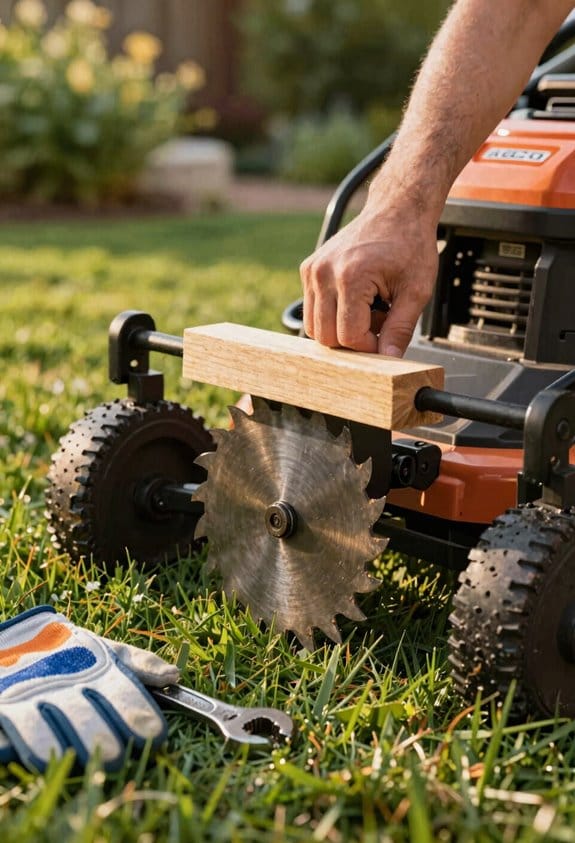
The blade must not spin while you turn the bolt. Use a solid block of wood to brace the blade against the mower deck.
Place the wood so the blade presses into it as you turn the bolt. Keep your hands away from the blade edge. Even a dull-looking mower blade can cause a serious cut.
Do not hold the blade with your hand. Do not wedge a screwdriver into the cooling fins or other engine parts. On some mowers, the blade can move suddenly when the bolt breaks loose.
A blade-holding tool can be useful if it fits your mower. Follow its instructions and keep the tool clear of the cutting edge.
Step 4: Try a Normal Ratchet First
Fit the six-point socket fully onto the bolt. Push it straight onto the head so it does not sit at an angle.
Use slow, even pressure on the ratchet. Avoid quick jerks. If the bolt begins to turn, keep the pressure steady until it loosens.
If the ratchet flexes, slips, or starts to round the bolt, stop. A longer handle may be needed, but continuing with a poor fit can destroy the bolt head.
Step 5: Use a Breaker Bar for More Leverage
A breaker bar provides more controlled leverage than a standard ratchet. It does not hammer the bolt like an impact wrench. Instead, its longer handle helps you apply more turning force by hand.
Place the socket fully on the bolt and position the bar so you can pull with both hands while keeping your body balanced. Pull gradually. Do not stand directly in line with the bar in case the socket slips.
The basic relationship is simple:
Turning force equals force applied multiplied by handle length.
For example, applying 50 pounds of force to a 2-foot breaker bar produces about 100 pound-feet of turning force. This is a hypothetical example, not a recommendation for your mower. The bolt, spindle, tool, and mower frame may not safely tolerate unlimited force.
A longer tool is not always better. Stop if the blade adapter begins to flex, the socket twists, or the bolt head starts to deform.
Step 6: Add Controlled Shock
If steady pressure does not work, controlled shock may break the rust bond.
Use a snug six-point socket and tap the breaker bar near the handle with a hammer. Use light to moderate taps. You can also tap the socket itself while it is fully seated on the bolt.
The goal is to create small vibrations, not to smash the bolt. Reapply penetrating oil and wait several minutes before trying again.
Avoid striking aluminum engine parts, the spindle housing, the blade, or the pulley. These parts can crack or bend.
Step 7: Apply Gentle Heat Only When It Is Safe
Heat can expand the metal around the bolt and help break corrosion. It should be the last step for many home repairs because mower decks and engines may contain fuel, oil, plastic parts, wiring, and grass debris.
Do not use an open flame near:
- A fuel tank or carburetor
- Fuel lines or fuel vapors
- Oil
- Battery components
- Dry grass
- Plastic guards
- Electrical wiring
If the mower cannot be made completely free of fuel hazards, skip heat. A professional repair shop can use safer equipment and better ventilation.
Never heat a sealed or pressurized part. Do not heat the blade itself. If a qualified person uses heat, the heat should be controlled and limited to the metal around the threaded joint, followed by cooling and careful removal.
The Best Removal Sequence at a Glance
Use this order because it starts with the safest and least damaging methods:
| Order | Method | Best use | Main risk |
|---|---|---|---|
| 1 | Correct six-point socket | Any stuck bolt | Low if the fit is exact |
| 2 | Penetrating oil | Rust or dirt on the threads | Waiting may be required |
| 3 | Blade brace | Blade spins during removal | Poor placement can damage parts |
| 4 | Breaker bar | Bolt needs more leverage | Excess force can break parts |
| 5 | Light tapping | Rust bond resists steady force | Heavy blows can bend components |
| 6 | Gentle heat | Severe corrosion without fuel risk | Fire, plastic, and seal damage |
| 7 | Extraction or professional repair | Rounded, seized, or broken bolt | More parts may need replacement |
The safest successful method is usually the one that removes the bolt without rounding the head or bending the blade adapter.
What to Do If the Bolt Head Is Rounded
Stop using the original socket if the corners are damaged. A loose socket will make the problem worse.
Try these options in order:
- Clean the bolt head thoroughly.
- Use a new six-point socket with a tight fit.
- Tap the socket fully onto the bolt with light hammer taps.
- Apply penetrating oil and try controlled pressure.
- Use a bolt-extraction socket designed for damaged fasteners.
- Have a repair shop remove the bolt if the extractor slips.
An extractor socket bites into the damaged outside of the bolt head. It may damage the bolt, so plan to replace the bolt after removal.
Do not weld a nut onto the bolt unless you have welding skill and can safely isolate fuel, oil, wiring, and nearby components. On some mower assemblies, welding heat can damage seals or bearings.
What to Do If the Bolt Spins but Will Not Come Out
A bolt that turns but does not back out may have damaged threads, a stripped blade adapter, or a spinning threaded insert.
Keep light outward pressure on the bolt head while turning it. A flat screwdriver placed carefully under the washer may help lift the bolt, but do not force it against the blade or deck.
If the bolt spins freely, inspect the blade adapter and spindle after removal. The bolt may have lost its clamping force, which can allow the blade to move during operation. Do not operate the mower until the retaining system is repaired.
What to Do If the Blade Spins With the Bolt
A spinning blade means the blade is not braced correctly.
Reposition a wood block so the blade presses firmly against it in the direction you are turning the bolt. Use a blade-holding tool if the mower’s design allows one.
Never use your hand, foot, a loose rag, or a thin screwdriver to stop the blade. If the blade cannot be secured without damaging the deck or spindle, stop and use a mower repair professional.
Should You Use a Pipe on the Breaker Bar?
A pipe slipped over a breaker bar can greatly increase leverage. It can also bend the tool, break the bolt, strip the spindle, or cause you to lose control.
Use only tools rated for the added force, and follow the manufacturer’s instructions. If the socket, breaker bar, or mower manual does not support this method, do not use it.
More force is not always the answer. If the fastener is cross-threaded or the spindle is damaged, extra leverage can turn a bolt problem into a spindle replacement.
Can You Use a Regular Drill or Impact Driver?
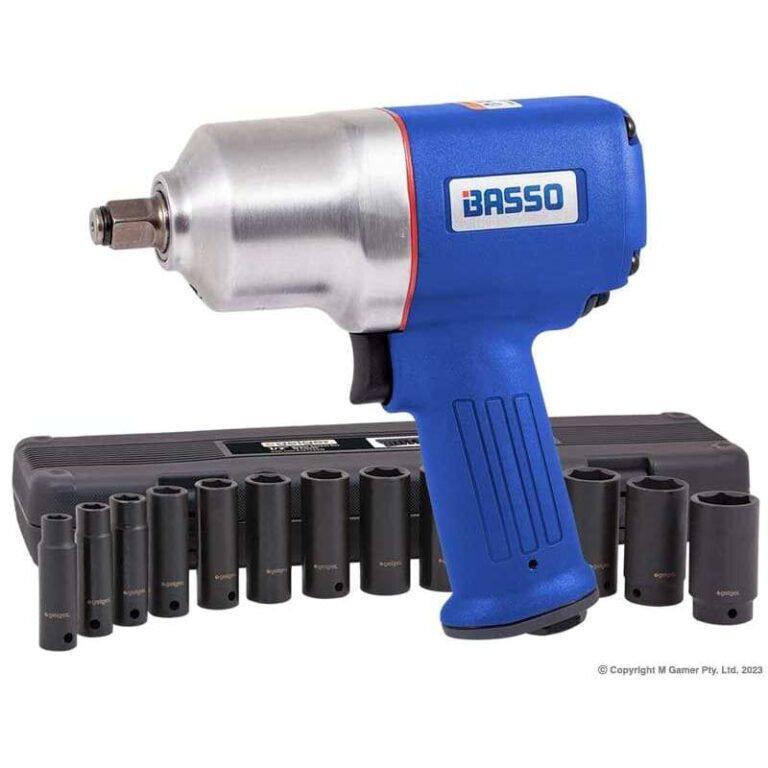
A regular drill usually does not provide the controlled torque needed for a seized mower blade bolt. A compact impact driver may loosen some smaller fasteners, but it is not the same as an impact wrench and may not fit the socket or provide enough force.
Because the goal is to remove the bolt without an impact wrench, a breaker bar is the simplest manual alternative. It gives you feedback as the bolt begins to move and reduces the chance of unexpectedly overdriving nearby parts.

Installing the Blade Again
Clean the bolt threads and inspect the blade, washer, blade adapter, and spindle. Replace any part that is cracked, bent, badly worn, or stripped.
Install the blade in the correct direction. Many blades have a marked top side, such as “bottom,” “deck,” or “grass side.” A blade installed upside down may cut poorly and can create an unsafe balance problem.
Thread the bolt by hand first. If it will not start smoothly, stop and inspect the threads. Do not use the wrench to force a cross-threaded bolt.
Tighten the bolt to the torque listed in the mower’s owner’s manual. Do not rely on a generic torque number because mower blade systems differ. Some use a standard torque value, while others use a special washer or retaining arrangement.
After tightening:
- Confirm the blade is centered.
- Check that it spins freely by hand when the mower is safely disabled.
- Make sure no tool or wood block remains under the deck.
- Reconnect the spark plug wire or battery only after the blade work is complete.
- Start the mower outdoors and listen for unusual vibration.
- Stop immediately if the mower shakes, rattles, or sounds different.
Excess vibration can indicate a bent blade, incorrect installation, damaged adapter, or an unbalanced replacement blade.

Common Mistakes to Avoid
Using the wrong socket
An almost-correct socket can round the bolt. Use the exact size and a six-point design.
Pulling toward the blade
Position your body so a slip does not send your hands into the cutting edge. Keep both hands on the tool handle when possible.
Forgetting the spark plug wire
Turning the blade can rotate engine parts. Disconnect the spark plug wire before reaching under the deck.
Using heat near fuel
Gasoline vapors can ignite even when no liquid fuel is visible. Avoid open flames unless the mower has been safely drained and the work is handled by someone qualified.
Reusing damaged hardware
A damaged blade bolt, washer, or adapter may fail to clamp the blade securely. Replace parts that no longer provide a firm, even fit.
Guessing the final torque
Too little torque can let the blade loosen. Too much can stretch the bolt or damage the spindle. Use the model-specific manual.
When You Should Stop and Get Professional Help
Stop the job if:
- The bolt head is badly rounded.
- The blade adapter moves with the bolt.
- The spindle is bent or cracked.
- The deck must be lifted but you do not have secure support.
- Fuel or oil has leaked near the work area.
- You need heat but cannot remove the fire risk.
- The mower falls or shifts while raised.
- You cannot identify the correct thread direction.
- The bolt breaks inside the spindle.
A repair shop can remove a broken or seized fastener with extraction tools while checking the spindle and blade balance. This may cost less than replacing a damaged deck, spindle, or engine component.
Frequently Asked Questions
What is the easiest way to remove a stuck mower blade bolt without an impact wrench?
Use a correctly sized six-point socket, penetrating oil, a secure wood block to stop blade movement, and a breaker bar. Apply slow, even pressure. Add light tapping only if steady pressure does not work.
Does penetrating oil loosen mower blade bolts?
It can help with rust and corrosion around the threads, especially when given time to soak. It will not fix a cross-threaded bolt, a bent spindle, or a completely damaged bolt head.
Are mower blade bolts reverse-threaded?
Most use standard right-hand threads, but mower designs vary. Check the owner’s manual before assuming that counterclockwise loosens the bolt.
Can I use WD-40 to remove a stuck blade bolt?
A general water-displacing spray may help with light surface rust, but a dedicated penetrating oil is usually more suitable for a seized threaded joint. Keep all sprays away from hot engine parts and ignition sources.
How tight should a mower blade bolt be?
Use the torque specification in the mower’s owner’s manual. The correct value depends on the model, bolt, washer, spindle, and blade system.
Why does my mower vibrate after I replace the blade?
Possible causes include an upside-down blade, a bent or unbalanced blade, a damaged blade adapter, a loose bolt, or debris under the deck. Stop the mower and inspect it before continued use.
Final Takeaway
You can remove most stuck mower blade bolts without an impact wrench by using the right six-point socket, penetrating oil, a safe blade brace, and a breaker bar. Work slowly, protect yourself from the blade, and stop before excessive force damages the bolt, spindle, or mower deck.
Once the bolt is removed, inspect the full blade mounting system and tighten the replacement or original hardware to the mower manufacturer’s specified torque.
Recent Tool Guides
 Hammer
How To Hammer Flowers Onto Paper: Easy Guide
Learn how to hammer flowers onto paper with simple steps, helpful tips, and beautiful results for...
Read Guide → Wrench
How To Use A Hex Wrench: Easy Step-By-Step Guide
Learn how to use a hex wrench correctly with simple steps, helpful tips, and common mistakes...
Read Guide → Hacksaw
How To Cut Curtain Pole With Hacksaw: Easy Guide
Learn how to cut curtain pole with hacksaw safely and neatly. Follow simple steps for accurate...
Read Guide → Wrench
How To Use A Husky Torque Wrench: Easy Guide
Learn how to use a Husky torque wrench correctly with simple steps, torque settings, and safety...
Read Guide → Hammer
How To Hold A Hammer: Safe Grip Guide
Learn how to hold a hammer with the right grip, stance, and technique for safer, more...
Read Guide → Hacksaw
How To Cut Flexible Metal Conduit With Hacksaw: Easy Guide
Learn how to cut flexible metal conduit with hacksaw safely and cleanly. Follow simple steps for...
Read Guide →