How To Store A Torque Wrench: Smart Storage Guide
The best way to store a torque wrench is to clean it, set an adjustable click wrench to its lowest marked setting, place it in its case, and keep it in a dry, temperature-stable area. Do not leave it set to a high torque value, use it as a breaker bar, or store it where moisture and heat can damage the tool.
This advice applies to most torque wrenches used in U.S. garages, workshops, and job sites. Always check the manual for your exact model, especially if you use a digital, beam-style, split-beam, or electronic torque wrench.

Why Proper Torque Wrench Storage Matters
Proper storage helps protect the wrench’s accuracy, moving parts, display, and calibration. A torque wrench is a measuring tool, not just a long-handled ratchet. Rough storage can cause damage that may not be easy to see.
A click-type torque wrench uses a spring and internal mechanism to signal when the preset torque is reached. Keeping that spring compressed for long periods may affect the tool over time. For this reason, many manufacturers instruct users to return an adjustable click wrench to its lowest marked setting before storage.
Storage also prevents common problems such as:
- Rust on the handle, square drive, or adjustment parts
- Dirt entering the adjustment mechanism
- Damage from falls or impacts
- Battery leaks in electronic models
- Loss of small accessories or adapters
- Exposure to heat, water, or harsh chemicals
- Confusion between torque units or settings
Storage does not replace calibration. A clean, well-kept torque wrench can still need calibration after heavy use, an impact, or a long service period.
What “lowest setting” means
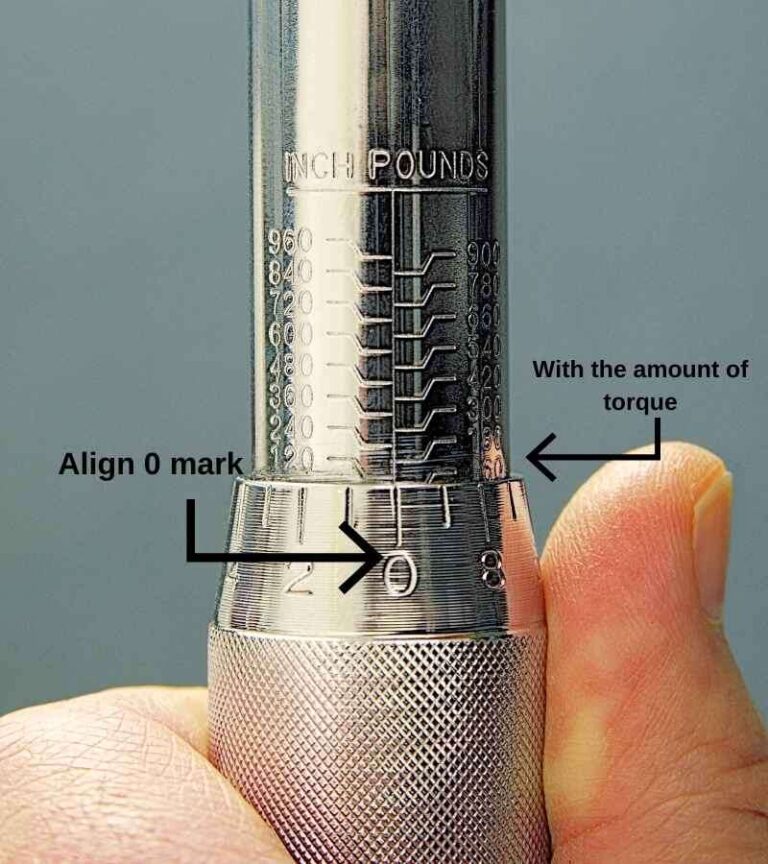
Set the wrench to the lowest value printed on its scale. Do not automatically turn the handle below that point unless the manufacturer specifically allows it.
For example, if a click torque wrench has a range of 20 to 100 foot-pounds, set it to 20 foot-pounds before storage. Do not leave it at 80 foot-pounds.
Some manufacturers use a different storage instruction. A split-beam torque wrench, for example, may not need to be unloaded like a traditional click wrench. Follow the instructions for that model rather than applying one rule to every torque wrench.

How to Store a Click-Type Torque Wrench
Follow these steps after use. They work for most adjustable click torque wrenches, but the product manual remains the final source for model-specific instructions.
1. Release the torque setting
Turn the adjustment handle down to the lowest marked setting. Unlock the handle first if your wrench has a locking ring or lever.
Turn the handle slowly. Stop at the lowest scale value. Do not force the handle past its limit.
If the wrench has both a main scale and a micrometer scale, read both scales as you adjust it. Make sure the final setting is clear and does not sit between two values.
2. Wipe the wrench clean
Use a soft, dry cloth to remove:
- Oil
- Grease
- Metal dust
- Road salt
- Dirt
- Moisture
For stubborn grime, use a small amount of mild cleaner on the cloth. Do not spray cleaner directly into the wrench. Keep liquids away from the adjustment mechanism, ratchet head, and display.
Never use abrasive pads or harsh solvents unless the manufacturer approves them. These products may remove markings or damage seals and finishes.
3. Inspect the tool
Look for signs of damage before putting the wrench away. Check the following parts:
- Handle and grip
- Torque scale
- Locking mechanism
- Ratchet head
- Square drive
- Direction switch
- Detachable accessories
- Digital screen, if fitted
Do not store a wrench that has been dropped, overloaded, bent, or exposed to heavy force without checking whether it needs inspection or calibration.
4. Protect the square drive
Remove sockets, extensions, and adapters unless the manual says otherwise. Leaving accessories attached can place stress on the drive or make the wrench harder to store safely.
A light film of suitable tool oil may help protect an exposed metal drive in a damp shop. Use only a small amount and wipe away excess oil. Do not oil a sealed mechanism unless the manufacturer provides an approved lubrication method.
5. Place it in the supplied case
Use the original hard case when possible. The case protects the wrench from impacts, dust, and accidental changes to the setting.
Place the wrench in its molded holder rather than laying heavy tools on top of it. Make sure the lid closes without pressing against the handle or ratchet head.
If you do not have the original case, use a padded drawer or tool box compartment. Avoid loose storage in a deep tool chest where the wrench can slide and strike other tools.
6. Store it in a dry, stable location
Keep the case in a clean area with low moisture and moderate temperature. A protected tool cabinet or indoor workshop shelf is usually better than an outdoor shed, truck bed, or unheated storage container.
Avoid locations near:
- Direct sunlight
- Radiators and heaters
- Welding areas
- Chemical storage
- Wash bays
- Leaking roofs
- Condensation
- Strong vibration
A stable environment matters more than a precise room temperature. The main goal is to avoid large heat changes, water, and impact.
7. Record important information
For professional or safety-critical work, record the storage date, last calibration date, and any known damage. A small label inside the case can help.
Keep the calibration certificate with the tool if one was provided. Do not assume that a certificate proves the wrench remains accurate after a drop or overload.

How to Store Different Types of Torque Wrenches
The correct storage method depends on the wrench design. The lowest-setting rule is common for click wrenches, but it is not universal.
Click-type torque wrenches
For a standard adjustable click wrench:
- Clean the wrench.
- Return it to the lowest marked setting.
- Do not force the adjustment below the range.
- Lock the handle if the model uses a locking system.
- Store it in its case.
This is the type most often found in automotive tool sets.
Split-beam torque wrenches
A split-beam wrench uses a different design from a coil-spring click wrench. Many split-beam models do not require the same unloading step because their beam mechanism works differently.
Set the wrench to a safe storage position stated in the manual. Keep the handle and beam free from pressure. Do not place heavy objects on top of the beam, and do not use the wrench as a general-purpose ratchet.
Beam-style torque wrenches
A beam torque wrench normally has no click mechanism or spring-loaded adjustment. It may not need to be set to a low value.
Store it flat or in its case so the pointer and scale cannot bend or receive an impact. Make sure the pointer does not press against another tool.
A bent pointer, damaged scale, or warped beam can make readings unreliable.
Digital and electronic torque wrenches
For a digital torque wrench:
- Turn the tool off before storage.
- Remove batteries if the manual recommends removal for long-term storage.
- Keep the display dry.
- Protect the wrench from impact.
- Store it in its case.
- Avoid leaving it in extreme heat or cold.
- Check the battery compartment for corrosion before use.
Do not assume that turning off the screen removes all battery drain. Some models retain memory or standby functions.
If the wrench uses a rechargeable battery, follow the manufacturer’s charging and long-term storage instructions. Do not leave a damaged or swollen battery in the tool.
Dial torque wrenches
Store dial-type torque wrenches in a case that protects the dial face. Keep the dial from contacting hard surfaces. A cracked lens or bent needle can make the reading difficult or impossible to trust.
Where Should You Store a Torque Wrench?
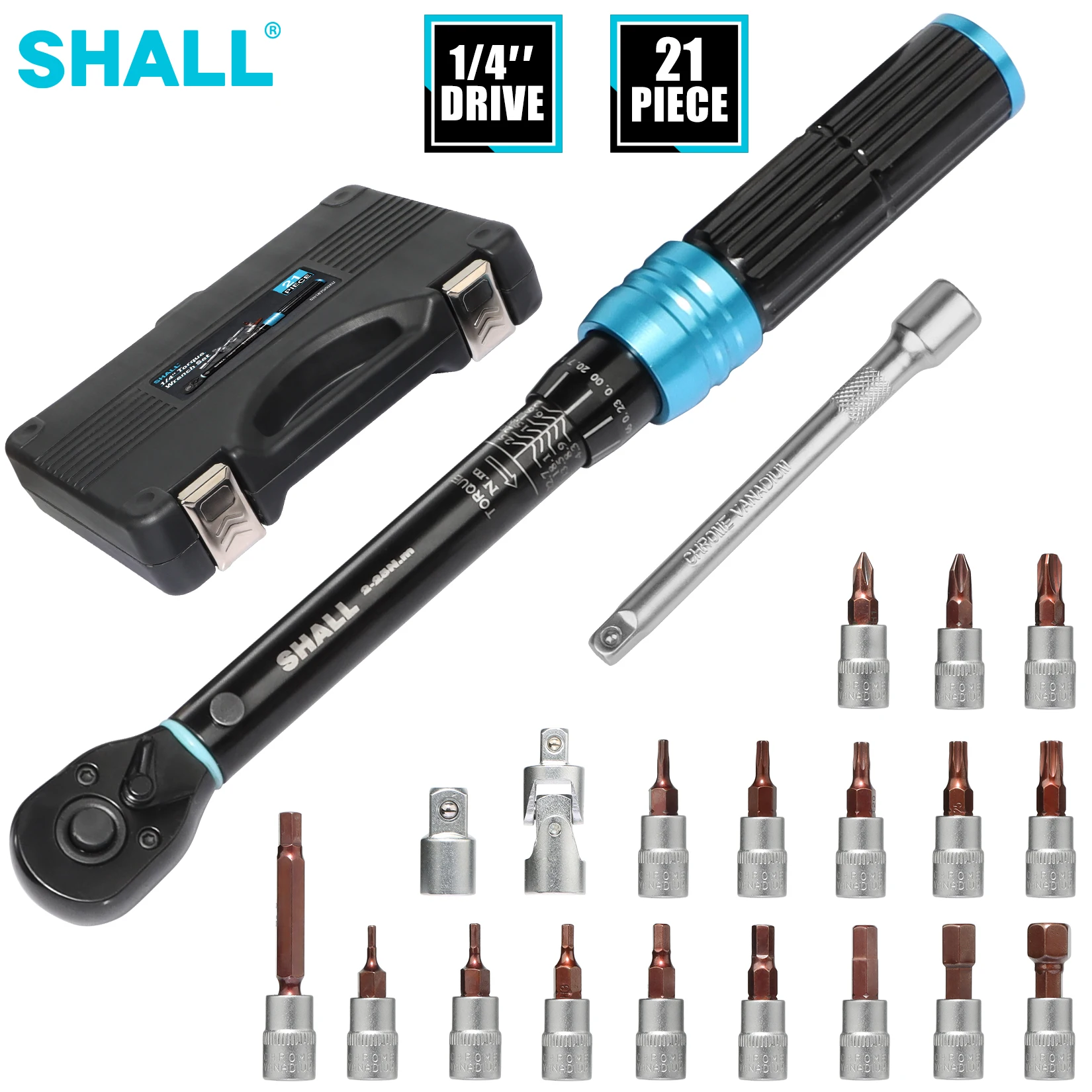
Store a torque wrench indoors in a dry tool cabinet, drawer, or protective case. The location should limit moisture, dirt, heat, sunlight, and vibration.
A home garage can work well if the wrench stays away from water and major temperature swings. If your garage becomes very humid, use a closed cabinet and consider a moisture control product nearby. Do not place loose moisture absorbers inside a case where they can leak or touch the tool.
Good storage locations
- A padded tool drawer
- The original molded case
- A clean workbench cabinet
- An indoor maintenance room
- A dry workshop shelf
- A locked tool cabinet
Poor storage locations
- An uncovered truck bed
- A damp basement
- A wet outdoor shed
- A welding cart
- A vehicle exposed to summer heat
- A tool box under heavy loose tools
- A shelf beside corrosive chemicals
Do not store a torque wrench on the floor. It can be stepped on, hit by equipment, or exposed to water and dirt.
Temperature alone does not usually damage a stored hand tool at ordinary indoor levels. The greater risk comes from condensation, rapid temperature changes, prolonged heat, and moisture trapped inside a case.

Should You Store a Torque Wrench at Zero?
Usually, no. For a click-type torque wrench, set it to the lowest value printed on the scale, not necessarily zero.
Many adjustable click wrenches have a stated range with a minimum value above zero. Turning below that value may loosen or damage the adjustment system, and it may place the tool outside its designed operating range.
For example:
| Wrench range | Typical storage setting |
|---|---|
| 20–100 ft-lb | 20 ft-lb |
| 50–250 in-lb | 50 in-lb |
| 40–200 N·m | 40 N·m |
These are hypothetical examples. Use the minimum shown on your wrench, not the values in this table.
Some tools have special instructions. A split-beam wrench may be stored differently, and an electronic wrench may have no mechanical setting to release. Check the manual before changing the setting.

How Long Can a Torque Wrench Stay in Storage?
A torque wrench can remain stored for a long time if it is clean, protected, and kept in a suitable environment. Long storage does not remove the need for inspection or calibration.
Before using a wrench that has been stored for months or years:
- Inspect it for rust, cracks, bent parts, and loose components.
- Check the scale or display.
- Confirm that the adjustment handle moves normally.
- Verify that the lock works.
- Check the battery if it is electronic.
- Review the last calibration date.
- Test or calibrate it if the service interval has passed.
Manufacturers set calibration intervals based on design, use, and policy. Some recommend a time interval, a cycle count, or whichever comes first. Follow the manufacturer’s instructions and any requirements from your workplace.
Storage does not prove accuracy. If the wrench was dropped or stored under heavy pressure, have it inspected even if it appears normal.

When Should You Recalibrate a Stored Torque Wrench?
Have a torque wrench checked or calibrated after a significant drop, overload, repair, or suspected fault. Also follow the scheduled interval in the owner’s manual or your workplace quality system.
Calibration is especially important when torque affects safety or equipment reliability. Examples include:
- Automotive wheel fasteners
- Engine assembly
- Aircraft or aerospace work
- Industrial machinery
- Pressure equipment
- Critical structural fasteners
A home user should not guess at calibration by comparing one wrench with another. Two unverified tools can show the same wrong result.
Use a qualified calibration service that can test the wrench across the range required for your work. Ask for records that identify the tool, test conditions, results, and date.
If you need a torque wrench immediately and cannot verify its condition, use a known-good, properly calibrated tool instead of relying on feel.

Common Torque Wrench Storage Mistakes
Avoid these habits because they can damage the tool or create uncertainty about its accuracy.
Leaving a click wrench at a high setting
A high setting can keep internal parts under unnecessary load during storage. Return the wrench to its lowest marked setting unless the manual gives different instructions.
Turning the handle below the minimum
Do not force the adjustment below the marked range. This can damage the mechanism or create a setting that the manufacturer did not intend.
Using the wrench to loosen fasteners
A torque wrench is designed to apply a controlled tightening force. A seized fastener may exceed the wrench’s capacity and affect its accuracy.
Use a breaker bar or suitable ratchet to loosen fasteners. Use the torque wrench for final tightening.
Storing it with a socket attached
A socket can catch on other tools or place stress on the drive. Remove it before storage unless the manufacturer specifically recommends leaving it attached.
Leaving it loose in a tool box
A loose wrench can suffer repeated impacts as drawers open and close. It can also lose small parts or have its setting changed by contact with other tools.
Spraying lubricant into the head
Liquid inside the mechanism can attract dirt or harm internal parts. Use only the lubrication method listed in the manual.
Ignoring a drop
A wrench may look fine after falling from a bench. Internal damage can still affect its readings. Inspect it and arrange calibration when in doubt.
Mixing measurement units
A setting in inch-pounds is not the same as the same number in foot-pounds or Newton-meters. Keep the wrench and its instructions clear of unit confusion.
Remember these conversions:
- 1 foot-pound equals 12 inch-pounds.
- 1 Newton-meter is about 0.738 foot-pounds.
- 1 foot-pound is about 1.356 Newton-meters.
Use a reliable conversion source or the manufacturer’s chart when changing units.

Quick Takeaways
- Clean the wrench before storage.
- Set a click wrench to its lowest marked setting.
- Do not force the adjustment below its range.
- Use the original case when available.
- Keep the tool dry and away from heat, chemicals, and impact.
- Remove batteries from electronic models when the manual calls for it.
- Store beam and split-beam models according to their own instructions.
- Inspect a wrench after a drop, overload, or long storage period.
- Follow the manufacturer’s calibration schedule.
- Use a breaker bar, not a torque wrench, to loosen seized fasteners.
FAQs About Storing a Torque Wrench
Can I leave my torque wrench set to 50 foot-pounds?
Only if 50 foot-pounds is the lowest marked setting for that wrench or the manufacturer specifically permits it. Otherwise, return an adjustable click wrench to its lowest marked value before storage.
Should I oil a torque wrench before storing it?
Usually, wipe the tool clean and keep oil away from internal parts. A very light protective film on exposed metal may help in a damp area, but follow the manufacturer’s lubrication instructions.
Can I store a torque wrench in my car?
Short-term storage may be possible, but a vehicle can experience high heat, cold, humidity, and vibration. For better protection, store the tool indoors in its case.
Does storing a torque wrench in a case keep it calibrated?
No. A case protects the tool from dirt and impact, but it does not prove accuracy. A torque wrench can need calibration because of age, heavy use, overload, or a drop.
How do I store a torque wrench for winter?
Clean and dry it, set it correctly for its design, remove batteries if required, and keep it in a dry indoor location. Avoid an unheated shed if condensation or freezing conditions are likely to affect the tool.
Conclusion
Store a torque wrench as a precision measuring tool. For most click-type models, the safe routine is simple: clean it, return it to the lowest marked setting, protect it in its case, and keep it in a dry indoor space.
Before the next use, inspect the wrench and confirm that its calibration status is suitable for the job. If it has been dropped, overloaded, or exposed to harsh conditions, have it checked before trusting it on a critical fastener.
For model-specific details, consult the manufacturer’s manual and the applicable calibration guidance, such as ASME B107.10 or ISO 6789 where relevant.
Recent Tool Guides
 Hammer
How To Hammer Flowers Onto Paper: Easy Guide
Learn how to hammer flowers onto paper with simple steps, helpful tips, and beautiful results for...
Read Guide → Wrench
How To Use A Hex Wrench: Easy Step-By-Step Guide
Learn how to use a hex wrench correctly with simple steps, helpful tips, and common mistakes...
Read Guide → Hacksaw
How To Cut Curtain Pole With Hacksaw: Easy Guide
Learn how to cut curtain pole with hacksaw safely and neatly. Follow simple steps for accurate...
Read Guide → Wrench
How To Use A Husky Torque Wrench: Easy Guide
Learn how to use a Husky torque wrench correctly with simple steps, torque settings, and safety...
Read Guide → Hammer
How To Hold A Hammer: Safe Grip Guide
Learn how to hold a hammer with the right grip, stance, and technique for safer, more...
Read Guide → Hacksaw
How To Cut Flexible Metal Conduit With Hacksaw: Easy Guide
Learn how to cut flexible metal conduit with hacksaw safely and cleanly. Follow simple steps for...
Read Guide →