What Is A Ball Peen Hammer Used For In Metalwork: Uses
Introduction
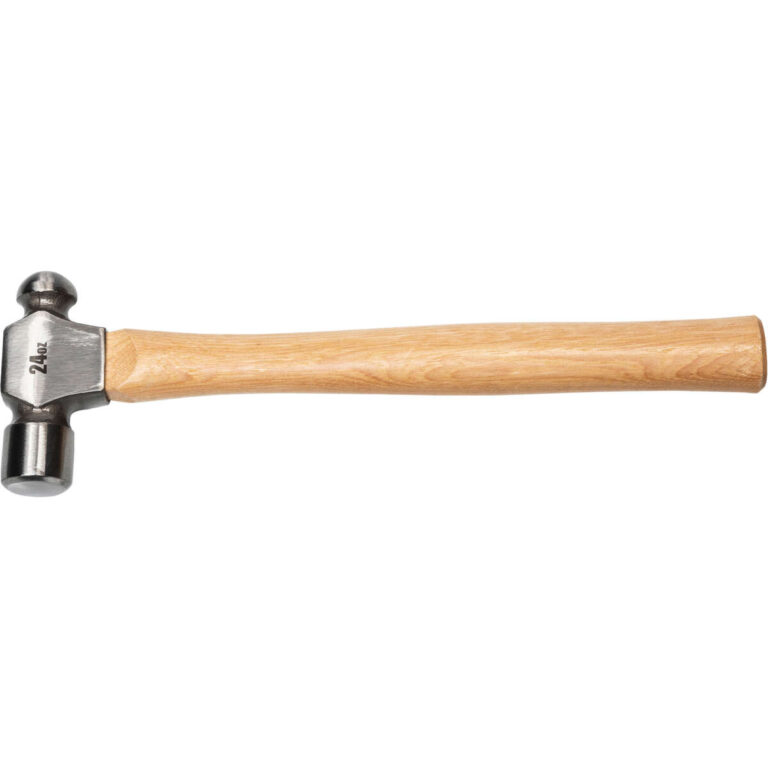
In U.S. garages, machine shops, auto repair bays, and metal fabrication shops, a ball peen hammer is used to shape, harden, and join metal. Its flat face delivers normal hammer blows. Its rounded ball end, called the peen, spreads and forms metal in small areas.
The most common uses are:
- Peening rivets
- Shaping sheet metal
- Expanding metal edges
- Closing seams
- Starting or finishing small metal repairs
- Work-hardening a metal surface
- Driving punches, drifts, and other tools when the hammer is suitable
A ball peen hammer is not the best tool for every metal job. The right hammer depends on the metal, the task, and the finish you need.

What Is a Ball Peen Hammer?
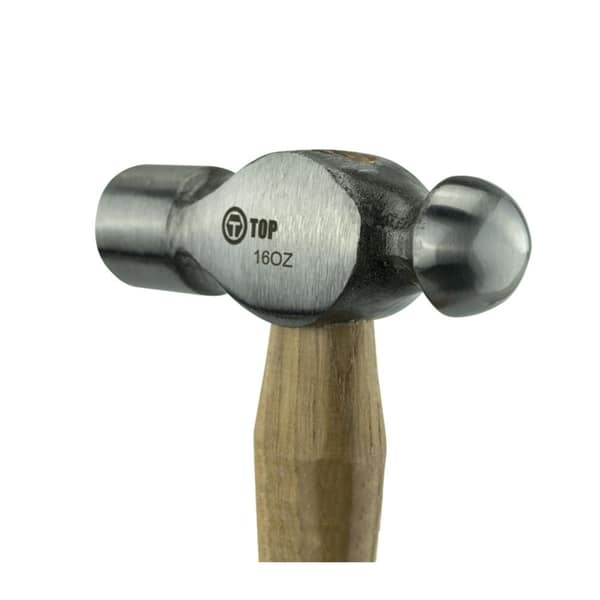
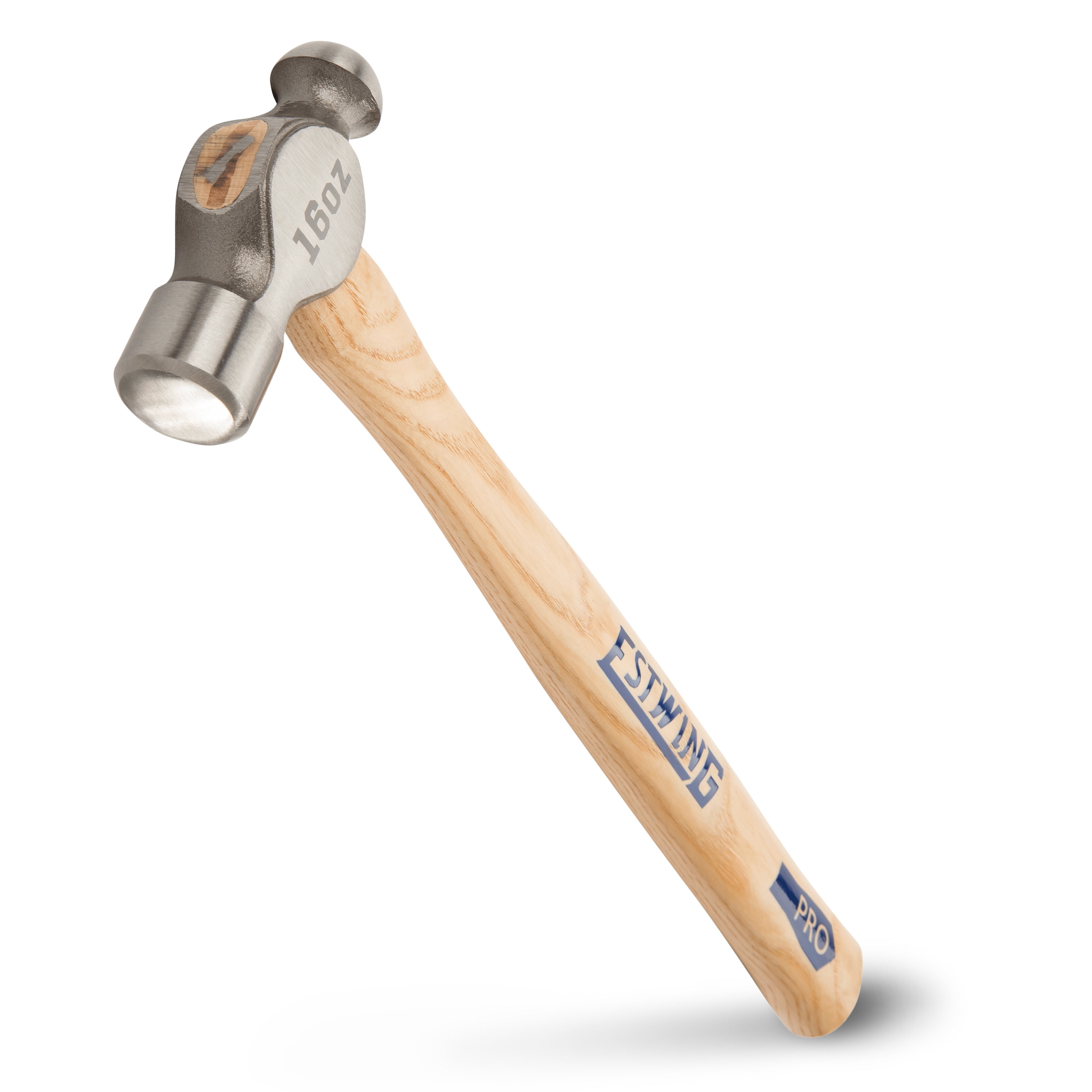
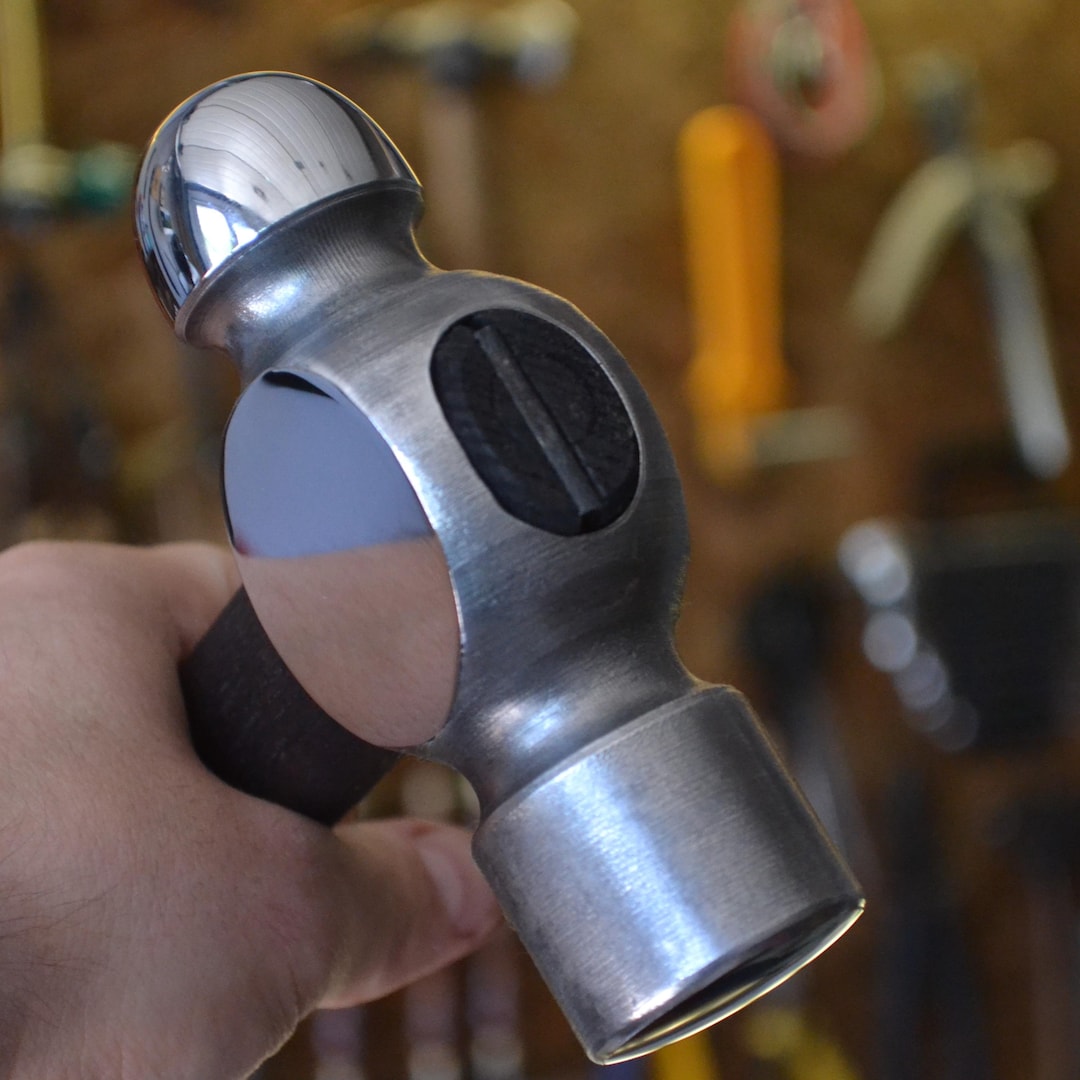
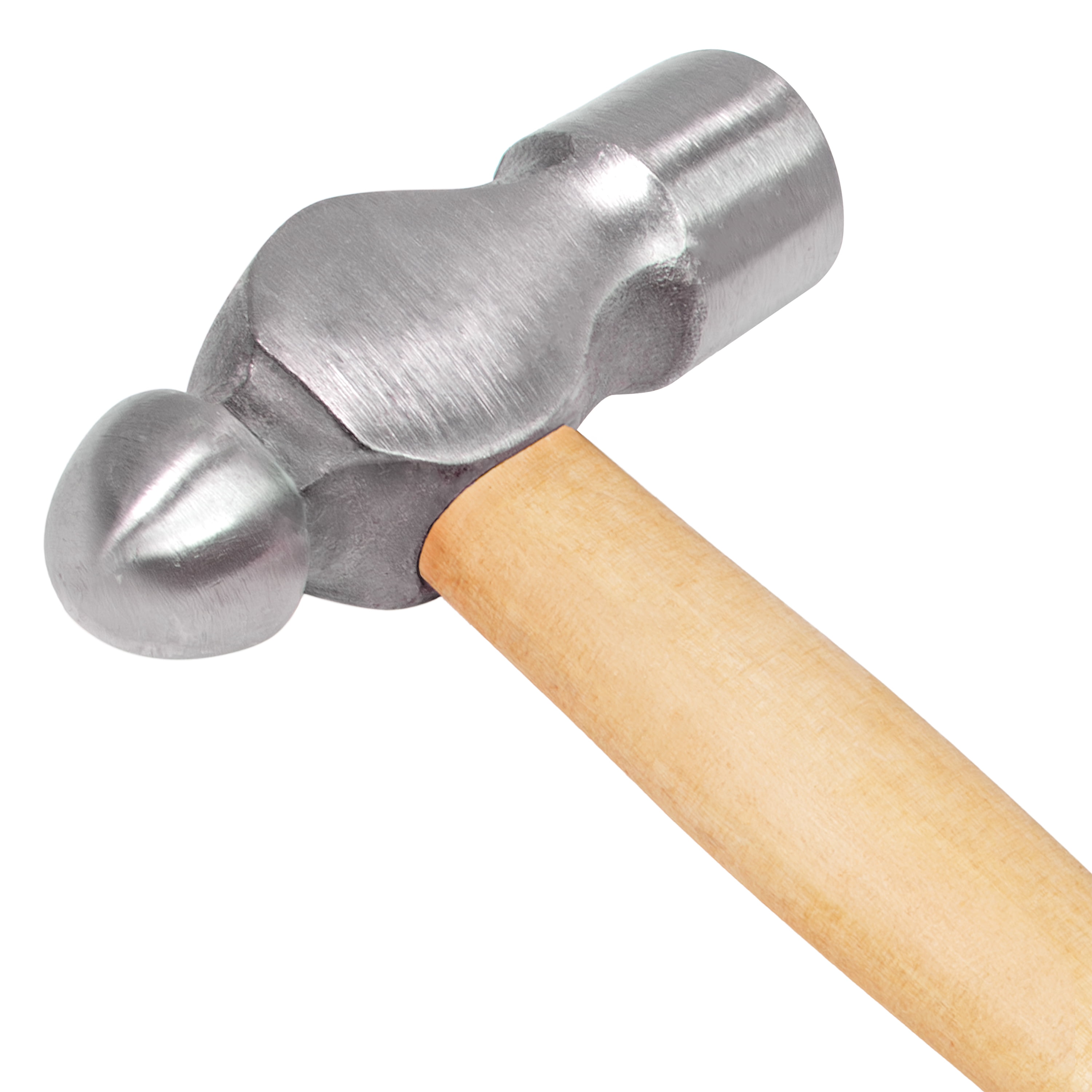
A ball peen hammer is a hand tool with two striking ends:
- Flat face: Used for general blows and for striking punches, chisels, and similar tools.
- Ball peen: A rounded end used to spread, shape, and compress metal.
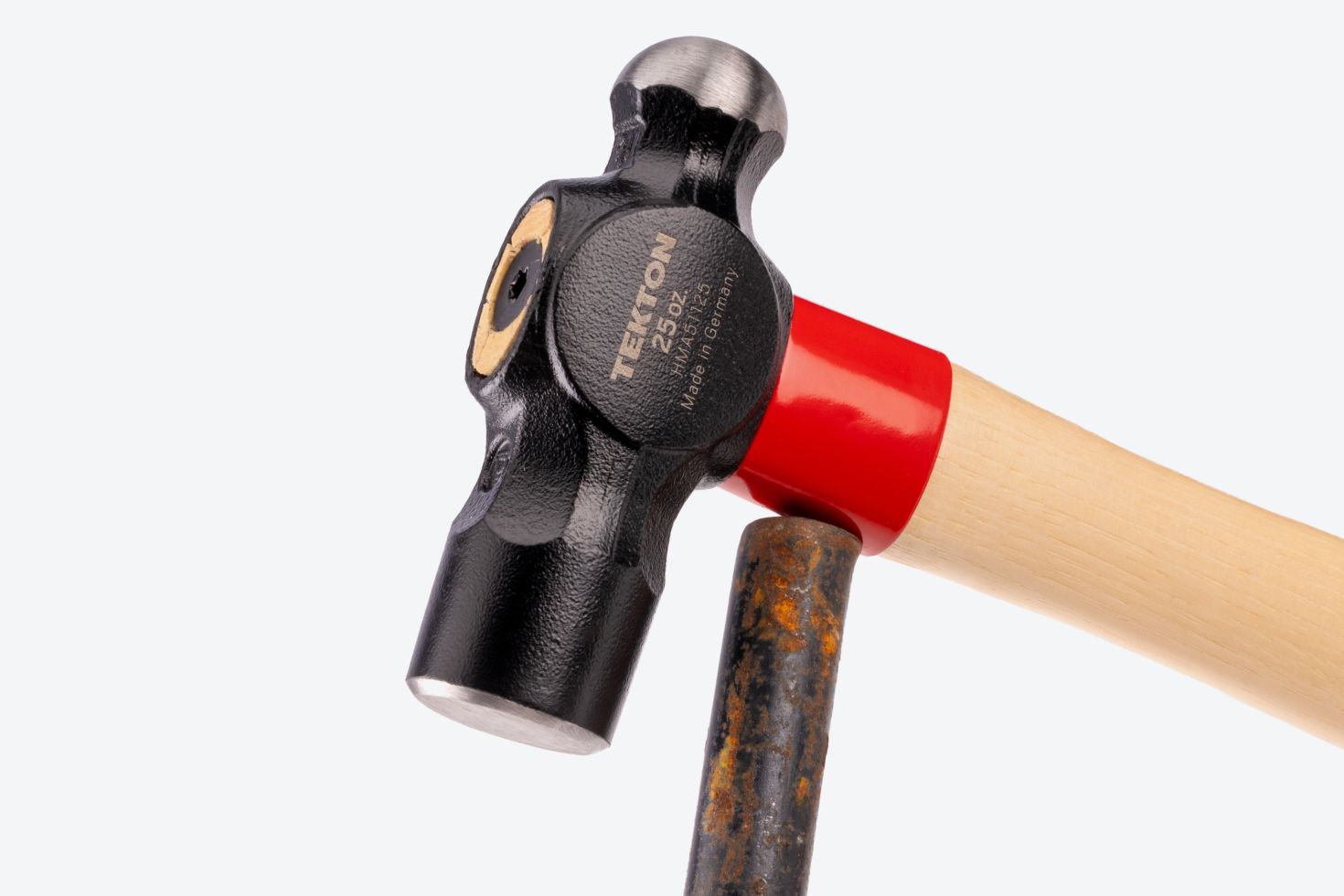
The head is often made from hardened steel. The handle may be wood, fiberglass, or another material. Common U.S. sizes range from small jeweler’s hammers to larger machinist’s hammers.
The ball end does not cut metal. Instead, it moves metal by impact. Each blow pushes a small area outward. Repeated blows can form a smooth curve, swell a rivet head, or harden the surface through cold working.
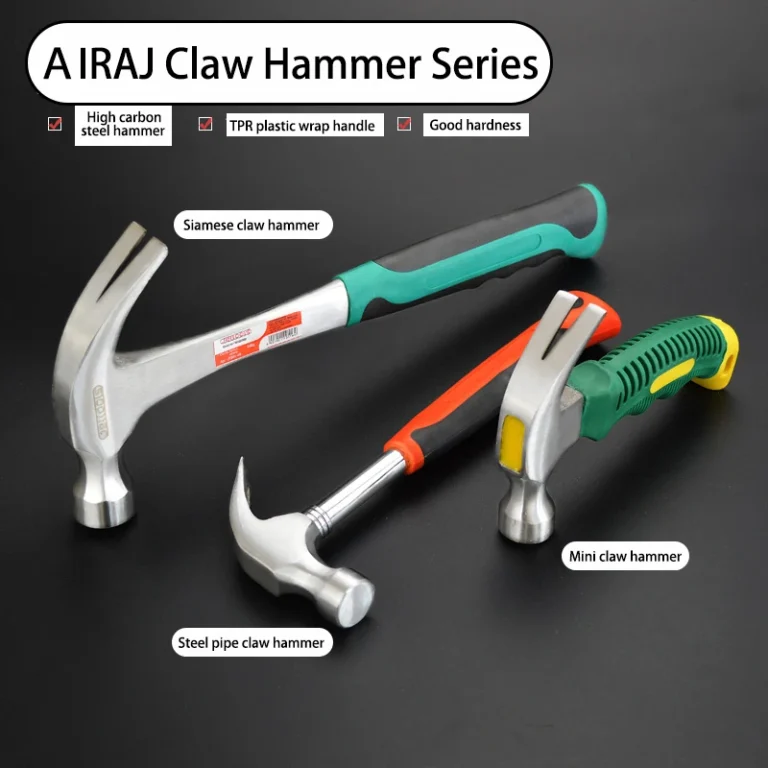
Ball peen, cross peen, and straight peen
These hammer types look similar, but their peens serve different purposes.
| Hammer type | Peen shape | Common use |
|---|---|---|
| Ball peen | Rounded ball | Riveting, shaping, and surface peening |
| Cross peen | Wedge across the handle | Drawing metal out and reaching narrow areas |
| Straight peen | Wedge in line with the handle | Similar shaping work, often in tight spaces |
| Body hammer | Broad, shaped face | Auto body repair and sheet-metal finishing |
The ball peen hammer is the usual choice when you need to spread metal in many directions. A cross peen tends to move metal along a narrower line.
What Is a Ball Peen Hammer Used for in Metalwork?
A ball peen hammer is mainly used to move small amounts of metal with controlled impact. The rounded peen is especially useful when a flat face would leave a sharp mark or move too much metal at once.
1. Peening rivets
Peening is the best-known use of a ball peen hammer. It forms the end of a rivet so the rivet fills the hole and holds two parts together.
A basic hand-riveting process works like this:
- Place the rivet through aligned holes.
- Support the factory head on a solid surface.
- Check that the exposed tail has enough length to form a head.
- Use the flat face to spread the tail.
- Use the ball peen with light, controlled taps.
- Move around the rivet instead of striking only one spot.
- Finish with light blows to round the new head.
The goal is a full, even rivet head. Do not try to form the entire head with one hard blow. Heavy blows can bend the rivet, damage the work, or mark the surrounding metal.
The exact rivet length and diameter depend on the joint. Follow the drawing, repair manual, or fastener instructions for critical work.
2. Shaping sheet metal
The ball end can shape thin steel, aluminum, copper, and other workable metals. This is useful for small repairs, custom brackets, patches, and hand-formed parts.
Place the sheet over a form, sandbag, stake, or other suitable support. Tap the metal near the area that must move. Work in small steps. Frequent checks help prevent over-forming.
A ball peen hammer can leave small marks. Use it when the work will be textured, trimmed, painted, or finished later. For a smooth visible surface, a body hammer or planishing hammer is often a better choice.
3. Expanding and closing metal edges
The rounded peen can spread the edge of a tube, ring, sleeve, or thin metal part. It can also help close a seam or tighten a joint.
This method needs care. Work around the edge in a regular pattern. If you strike one area too much, the part may become uneven or oval.
For a precision fit, measure often. A ball peen hammer can change a part quickly, but it cannot restore metal once you remove or stretch too much of it.
4. Work-hardening metal
Repeated impact can make some metals harder and less flexible. This process is called work hardening or strain hardening.
Work hardening happens because the metal’s internal structure changes as the metal is deformed. The surface may become more resistant to dents, but it may also become more brittle.
This effect is useful when a part needs a firmer surface. It can be a problem when the part must bend later. Aluminum, copper, brass, and some stainless steels respond differently, so do not assume that one technique suits every alloy.
5. Working with punches and drifts
The flat face can strike a punch, pin punch, or drift. These tools help remove pins, align holes, and drive parts into place.
Use a hammer that matches the tool and the force needed. A small ball peen hammer is common for light bench work. Larger work may call for a heavier machinist’s hammer or a purpose-built striking tool.
Never use a damaged punch with a mushroomed head. A raised rim can break off and become a sharp flying chip.
How to Use a Ball Peen Hammer for Riveting
For a small, noncritical rivet joint, use this sequence.
Before you start
You need:
- A correctly sized rivet
- A ball peen hammer
- A solid rivet set or smooth steel support
- Clamps or a way to hold the parts still
- Eye protection
- A drill or reamer if the holes need preparation
- A file or deburring tool
Make sure the holes align and have clean edges. Remove burrs before inserting the rivet.
Step 1: Support the factory head
Place the manufactured rivet head against a solid support. The support must not move during the blows.
A loose support wastes force and can bend the rivet. A hard, flat surface gives better control.
Step 2: Start with the flat face
Tap the exposed rivet tail with the flat face. This spreads the tail and creates a small upset section.
Do not start with heavy blows from the ball end. The rivet may lean before it has enough support.
Step 3: Form the head with the ball peen
Use light taps around the edge of the upset metal. Move in a circle. This gradually pushes the metal outward and downward.
Think of the process as shaping clay, not smashing a nail. The metal should move in small amounts.
Step 4: Inspect the joint
A good hand-formed rivet head should be:
- Centered over the hole
- Even around its edge
- Tight against the joined parts
- Free from deep cracks
- Free from large gaps or tilted edges
If the rivet is loose, bent, cracked, or badly off-center, replace it. Do not keep striking a poor rivet and expect it to become sound.
A simple size check
For many traditional solid-rivet jobs, the exposed tail must be long enough to form the head. The needed length varies with the rivet diameter and joint design. Use the fastener maker’s instructions or an approved repair specification rather than relying on a guess.
For decorative or light-duty work, appearance may be the main concern. For aircraft, pressure vessels, lifting equipment, vehicles, or structural parts, use the required engineering or repair standard.
How to Shape Metal With a Ball Peen Hammer
Use the ball peen to move metal in small, planned steps.
- Mark the area. Use a marker or layout dye to show where the metal must move.
- Choose a support. A sandbag gives broad support. A stake gives more local support.
- Start with light blows. Increase force only when the metal does not move enough.
- Keep the hammer moving. Repeated hits in one spot can create a deep dimple.
- Check the shape often. Compare the part with a template, straightedge, or original piece.
- Stop before the metal cracks. A dull sound, sharp crease, or visible split is a warning.
The support controls the result. A soft support lets the sheet stretch. A hard support can create a sharper bend or a more focused mark.
For thin sheet metal, a rawhide, plastic, or body hammer may reduce surface damage. For copper or aluminum, a softer-faced hammer may also be better when the final surface must remain clean.
Ball Peen Hammer vs. Other Metalworking Hammers
No single hammer fits every metalworking task.
| Task | Better hammer choice |
|---|---|
| Forming rivet tails | Ball peen hammer |
| General bench work | Ball peen or machinist’s hammer |
| Smooth sheet-metal finishing | Body or planishing hammer |
| Avoiding marks on soft metal | Rawhide, plastic, or copper-faced hammer |
| Drawing metal in a narrow line | Cross peen hammer |
| Heavy demolition | Engineer’s hammer or sledge |
| Precision jewelry work | Small chasing or riveting hammer |
A ball peen hammer is a versatile bench tool. It is not a replacement for a body hammer, dead-blow hammer, soft-face hammer, or sledgehammer.
The main trade-off is control versus surface finish. The steel ball peen gives strong, focused movement, but it can leave dimples and dents.

Choosing the Right Ball Peen Hammer
Choose the hammer by the work, not by size alone.
Hammer weight
A lighter hammer gives better control for small rivets and thin sheet. A heavier hammer delivers more energy for thicker parts, but it also increases the risk of damage.
Use the lightest hammer that can move the metal with controlled blows.
Face condition
The flat face should be smooth and free from deep chips. The ball should be round and free from cracks or sharp damage.
A damaged face can leave marks or send chips into the air. Replace a hammer with a cracked head or loose head.
Handle condition
The handle should fit tightly. A wood handle should not have major cracks or splits. Fiberglass handles should not show severe damage, exposed fibers, or loose head movement.
Do not use a hammer head that shifts on its handle.
Workpiece material
Soft metals mark easily. Hard metals may resist shaping and may crack under poor technique. If you do not know the alloy, test on scrap first.
Do not use a ball peen hammer to strike hardened bearings, hardened punches, or other brittle parts unless the tool maker allows it. Hardened surfaces can chip under impact.

Common Mistakes and How to Avoid Them
Using the ball end for every blow
The ball end is not always the best starting face. Use the flat face for general striking and for initial rivet upsetting. Use the ball end when you need to spread or shape metal.
Striking too hard
Large blows do not always produce faster work. They can bend rivets, stretch sheet metal, and create deep dents.
Use short, controlled taps. Let the support and the hammer shape the work.
Working without support
Metal moves unpredictably when it is not supported. Secure the part or place it on a stable anvil, stake, block, or other suitable surface.
Ignoring heat
Some metalwork uses heat to make metal easier to shape. Hot metal can cause severe burns and may change the material’s properties.
Use the process specified for the alloy and job. Never assume heating is safe for a coated, plated, painted, or unknown part.
Using a ball peen hammer on hardened parts
A hammer blow can chip a hardened object. The chip may travel at high speed.
Use the tool maker’s instructions. Wear eye protection, and use a safer striking method when the part is hard or brittle.

Ball Peen Hammer Safety
Wear safety glasses with side protection during hammer work. Use hearing protection when repeated impact creates loud noise.
Inspect the hammer before use. Stop if you find:
- A loose head
- A cracked handle
- A chipped striking face
- A badly mushroomed punch
- Oil or grease on the grip
- A workpiece that cannot be held securely
Keep your other hand away from the strike zone. Clamp small parts when practical. Do not hold a punch close to its striking end.
The Occupational Safety and Health Administration advises employers to maintain hand tools in safe condition and to use tools for their intended purpose. Workplace rules may also require training, guarding, and protective equipment.
For structural, pressure, lifting, automotive safety, or aircraft repairs, follow the applicable repair procedure. A hand-shaped joint that looks sound may still fail if its design, material, or fastener size is wrong.

Frequently Asked Questions
Can a ball peen hammer be used on aluminum?
Yes, but aluminum marks and deforms easily. Use light blows and test on scrap first. A soft-face hammer may be better when the surface must remain smooth.
Is a ball peen hammer the same as a riveting hammer?
They are similar, but not always identical. A ball peen hammer has a rounded peen. A riveting hammer may have a specially shaped face and may be designed for a particular riveting method. Use the tool called for by the repair instructions.
Can I use a ball peen hammer to remove a bearing?
Usually, no. A hammer blow can damage the bearing, shaft, or housing. Use the correct puller, press, or removal procedure. If a hammer is allowed, use the specified drift and support the part correctly.
What size ball peen hammer should a beginner buy?
A medium, light-to-moderate-weight hammer is useful for general bench work. The best size depends on the material and task. A smaller hammer is easier to control for small rivets and thin sheet.
Why does the ball end leave dents?
The ball end concentrates force on a small area. That focused force moves metal but also leaves a rounded mark. Use a softer or broader-faced hammer when the finish matters.
Key Takeaways
- A ball peen hammer is used to shape, spread, and harden metal.
- Its most recognized job is forming solid rivet heads.
- The flat face handles general blows and punches.
- The rounded peen moves metal in a focused area.
- Use light, controlled strikes and check the work often.
- Choose another hammer when you need a smooth finish or softer impact.
- Never use a damaged hammer or strike hard, brittle parts without the proper method.
Conclusion
A ball peen hammer is a core metalworking tool because it gives precise control over small areas. Use the flat face for general striking and the rounded peen for riveting, shaping, and surface work.
Start with the lightest practical hammer and small blows. Support the work well. Inspect both the tool and the metal as you go. For critical repairs, follow the approved procedure instead of relying on appearance alone.
References and Further Reading
- OSHA: Hand and Power Tools
- OSHA 29 CFR 1910.242: Hand and Portable Powered Tools and Equipment
- OSHA: Personal Protective Equipment
- American Society of Mechanical Engineers: Tools and Hardware Standards
Recent Tool Guides
 Hammer
How To Hammer Flowers Onto Paper: Easy Guide
Learn how to hammer flowers onto paper with simple steps, helpful tips, and beautiful results for...
Read Guide → Wrench
How To Use A Hex Wrench: Easy Step-By-Step Guide
Learn how to use a hex wrench correctly with simple steps, helpful tips, and common mistakes...
Read Guide → Hacksaw
How To Cut Curtain Pole With Hacksaw: Easy Guide
Learn how to cut curtain pole with hacksaw safely and neatly. Follow simple steps for accurate...
Read Guide → Wrench
How To Use A Husky Torque Wrench: Easy Guide
Learn how to use a Husky torque wrench correctly with simple steps, torque settings, and safety...
Read Guide → Hammer
How To Hold A Hammer: Safe Grip Guide
Learn how to hold a hammer with the right grip, stance, and technique for safer, more...
Read Guide → Hacksaw
How To Cut Flexible Metal Conduit With Hacksaw: Easy Guide
Learn how to cut flexible metal conduit with hacksaw safely and cleanly. Follow simple steps for...
Read Guide →