How To Use A Ball Peen Hammer: Easy Guide
A ball peen hammer is a small hand tool used to shape metal, set rivets, strike punches, and make controlled dents. In the United States, it is common in auto repair shops, metalworking classes, machine shops, and home garages.
To use one, hold the handle near its end, place the flat face or rounded ball end on the work, and use light, controlled blows. Support the work on a solid surface, wear eye protection, and increase force only when the material and tool can handle it.
What Is a Ball Peen Hammer?
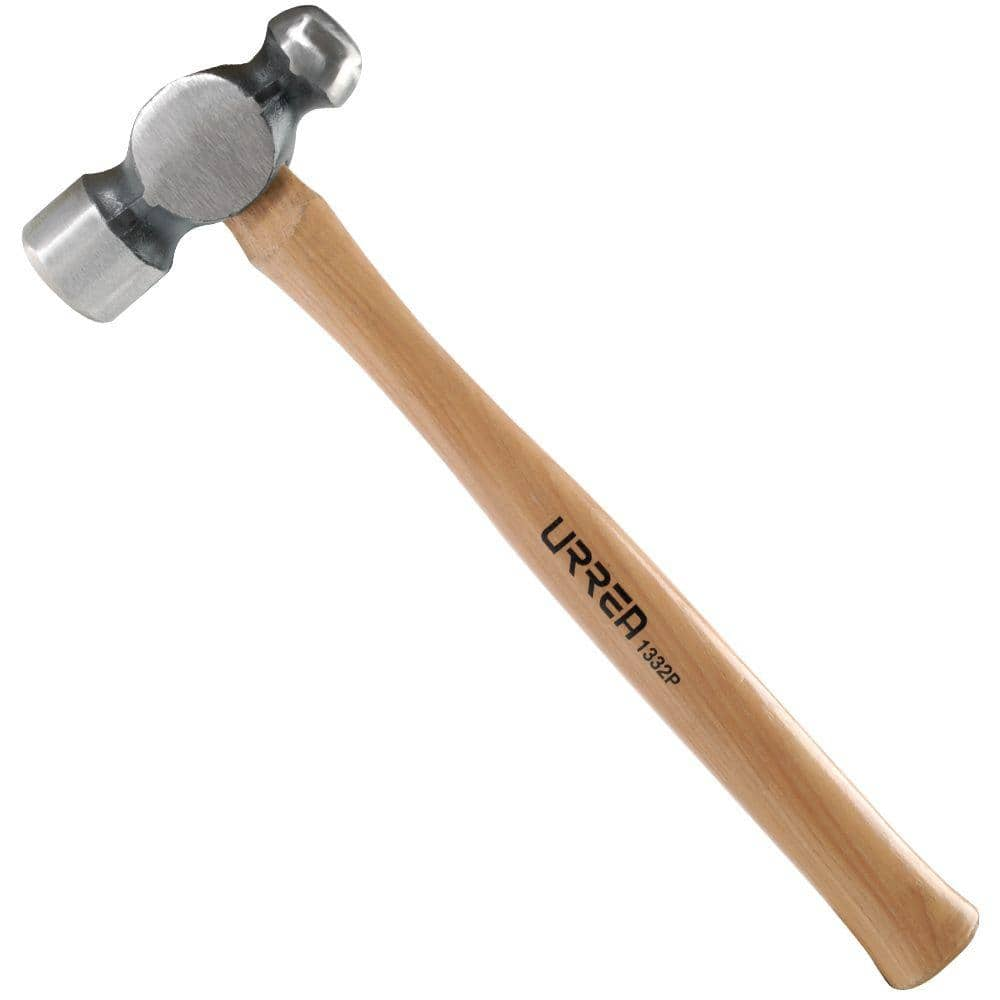
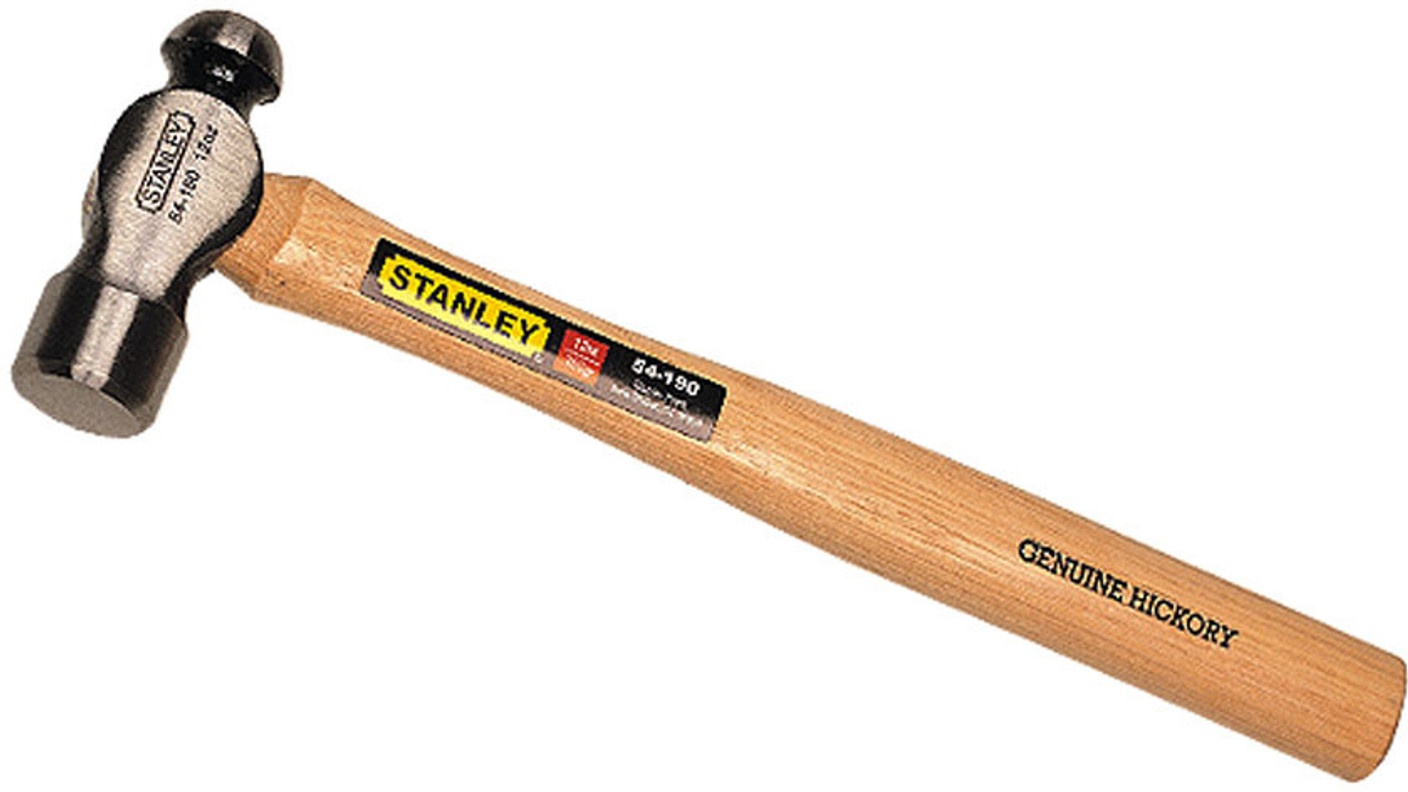
A ball peen hammer has two working ends:
- Flat face: Used for general striking, driving punches, setting rivets, and moving metal.
- Ball peen end: Used to spread rivet ends, shape metal, and make small rounded marks.
The rounded end is called the peen. It moves metal by pushing it outward. This makes it useful for forming a rivet head or creating a shallow curve in thin metal.
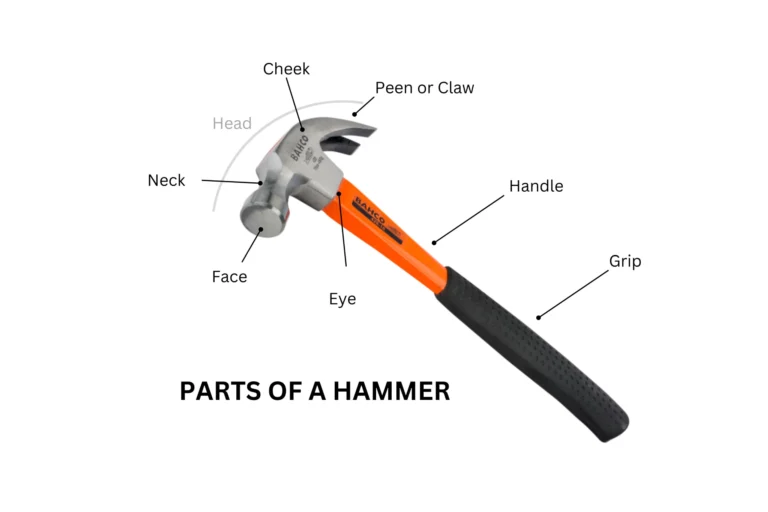
A ball peen hammer is not the same as a claw hammer. A claw hammer is made mainly for driving and pulling nails. A ball peen hammer is made mainly for metalwork and controlled impact.
Common ball peen hammer sizes
Hammer size usually refers to the weight of the metal head, not the full tool.
| Head weight | Common use |
|---|---|
| 4 to 8 ounces | Small parts, light sheet metal, small punches |
| 8 to 16 ounces | General home repair and light metalwork |
| 16 to 32 ounces | Larger rivets, heavier punches, and thicker metal |
| More than 32 ounces | Heavy work that needs more control and skill |
A heavier hammer does not always work better. It creates more force, but it also increases the risk of damaging the part, missing the target, or losing control.
Choose the Right Hammer and Work Surface
Choose a hammer that matches the size of the work. A small hammer gives better control on thin metal and small rivets. A larger hammer may be needed for thick stock, but it should not be used just to compensate for poor technique.
Before you begin, check these items:
- The hammer head is tight. The head must not move on the handle.
- The handle has no cracks or deep damage.
- The striking faces are smooth and free of large chips.
- The workpiece is supported.
- The tool you plan to strike is made for impact.
Use an anvil, steel bench block, or other purpose-made metalworking surface when shaping metal. Do not use a concrete floor as an anvil. The hard surface can damage the hammer face and send sharp chips into the air.
For work on a bench, keep the part from sliding. A vise can hold many parts, but do not clamp thin metal so tightly that it bends or marks the surface.
How to Hold a Ball Peen Hammer
Hold the handle with your dominant hand. Wrap your fingers around the grip, and place your thumb along the handle rather than across the striking path.
For most strikes, hold the hammer near the end of the handle. This gives the head more speed with less effort. For very small work, move your hand closer to the head. This reduces the swing and gives you better control.
Keep your wrist fairly straight. Let the elbow and forearm guide the motion. Do not snap the wrist hard at the point of impact.
Use this basic motion:
- Raise the hammer a short distance.
- Keep your eyes on the exact strike point.
- Bring the hammer down in a straight path.
- Let the hammer rebound slightly.
- Check the work before striking again.
Start with light taps. Several light blows are easier to control than one heavy blow. This matters when you are working near an edge, on thin sheet metal, or around a finished surface.
How to Use the Flat Face
Use the flat face when you need to drive a punch, set a rivet, or move metal with a broad impact.
Driving a punch
A ball peen hammer can strike some metal punches, such as a center punch or pin punch. First, confirm that the punch is designed for hammer use.
- Place the work on a stable surface.
- Hold the punch upright with your non-dominant hand.
- Keep your fingers below the expected path of the hammer.
- Place the flat hammer face over the punch head.
- Give the punch a light test strike.
- Check its position.
- Continue with controlled blows.
A punch that leans can slip and damage the work. If the punch head has a large mushroom-shaped edge, stop using it until it is repaired or replaced. The damaged edge can break off during impact.
Setting or flattening a rivet
The flat face can help seat a rivet before you use the ball end to form the head.
Support the rivet and the material on a solid block. Make sure the rivet is straight. Tap the rivet head lightly, then check that the sheets or parts are tight together.
Do not keep striking after the rivet is seated. Excess force can bend the rivet or distort the material.

How to Use the Ball Peen End
The ball end is used to spread metal in a controlled way. Its most common uses are:
- Forming the end of a solid rivet
- Creating a small rounded depression
- Shaping thin metal
- Expanding a pin or rivet end
- Adding texture to a metal surface
The ball end does not cut metal. It displaces metal. As the rounded surface hits the work, the metal flows away from the point of impact.
Peening a rivet
Peening means spreading the exposed end of a rivet to lock it in place.
- Place the riveted parts on a firm support.
- Check that the rivet passes through both pieces.
- Leave the correct amount of rivet material above the surface.
- Hold the ball end against the exposed rivet end.
- Use light taps around the edge of the rivet.
- Rotate the work or change your angle as needed.
- Continue until the rivet forms an even head.
- Check that the joint is tight and the rivet is not cracked.
Do not strike the center with heavy force at the start. Work around the outside so the rivet spreads evenly. An uneven rivet head may hold poorly or pull the material out of shape.
The exact amount of material needed above the joint depends on the rivet diameter, rivet type, and joint design. For structural, aircraft, brake, suspension, or pressure-related work, follow the applicable service manual or engineering specification. General hammer advice is not enough for those jobs.
Shaping thin metal
Place thin metal over a suitable form or metal block. Tap from the area that needs to move. Work slowly and check the shape often.
If the metal starts to stretch too much, wrinkle, crack, or split, stop. The metal may be too thin, too hard, or unsupported. More force will usually make the damage worse.
A Simple Practice Exercise
If you are new to metal shaping, practice on scrap mild steel rather than a finished part.
Try this exercise:
- Place a small piece of thin steel on a steel block.
- Mark a few dots with a permanent marker.
- Tap each dot with the ball end.
- Use the same force on each mark.
- Compare the size and depth of the dents.
- Repeat with lighter and heavier taps.
This teaches how impact changes with swing height, hammer weight, and surface support. It also shows why a series of light blows gives better control than one hard blow.
Do not practice on metal that may contain lead, asbestos, or an unknown coating. Older painted parts can release hazardous dust or fumes when damaged.
Safety Rules for Using a Ball Peen Hammer
Wear safety glasses with side protection whenever you strike metal. Metal chips can come from the workpiece, punch, hammer face, or support block. In a shop setting, follow the eye and face protection rules that apply to your workplace. OSHA’s general industry rule, 29 CFR 1910.133, requires suitable eye protection where flying objects may cause injury.
Use hearing protection when repeated hammering creates loud noise. Wear work gloves when they improve grip and protect against sharp edges, but keep loose material away from the striking area. Gloves do not make it safe to hold a small part close to the impact point.
Follow these rules:
- Keep your free hand out of the hammer path.
- Do not hold a punch close to its striking head.
- Do not use a hammer with a loose head.
- Do not strike a hardened steel surface unless the tool is intended for that job.
- Do not strike one hammer with another hammer.
- Do not use the hammer as a pry bar.
- Do not use it near energized electrical equipment.
- Keep bystanders away from flying chips.
- Stop if the hammer face, punch, or workpiece begins to chip.
Inspect the hammer before each use. A chipped face can send fragments away at high speed. A cracked handle can fail without warning.

Common Mistakes and How to Fix Them
Using too much force
Problem: The metal bends, dents too deeply, or cracks.
Fix: Use a lighter hammer or shorter swing. Add support under the work and make more small strikes.
Striking at an angle
Problem: The hammer slides off the target or leaves a flat-sided mark.
Fix: Keep the striking face square to the target. Use a shorter swing until your aim improves.
Working without support
Problem: The part moves instead of taking the impact.
Fix: Use a vise, anvil, bench block, or clamp. Make sure the support is stable and suited to the job.
Using the wrong end
Problem: The ball end leaves a rounded dent when you need a flat mark, or the flat face damages a rivet.
Fix: Use the flat face for broad strikes and the ball end for spreading and rounded shaping.
Ignoring a damaged punch
Problem: The punch head chips or mushrooms.
Fix: Stop work. Replace the punch or have it repaired by a qualified tool service. Do not keep striking a damaged tool.
Hitting a finished surface directly
Problem: The hammer leaves marks, scratches, or dents.
Fix: Use a proper punch, soft-faced hammer, protective pad, or another tool suited to the finish. A ball peen hammer is not a finish-safe tool.

How to Tell When the Job Is Done
The result depends on the task, but these signs usually indicate good control:
- The rivet head is even and firmly seated.
- The punch mark is centered and clean.
- The metal has the intended shape without cracks.
- The workpiece did not shift during striking.
- The hammer face did not leave unwanted marks.
- The joint remains aligned.
- No tool or metal chips are visible.
For a joint that carries weight, holds pressure, or affects vehicle safety, visual inspection alone is not enough. Use the required measurements, torque values, inspection method, or repair procedure for that application.
When a Ball Peen Hammer Is the Wrong Tool
Use a different tool when the job calls for one.
- Use a claw hammer for common nail work.
- Use a rubber or plastic mallet when you need less surface damage.
- Use a dead-blow hammer when you need reduced rebound.
- Use a brass or copper hammer when a softer striking surface is needed.
- Use a center punch when you need a precise starting mark for drilling.
- Use a press when steady force is safer and more accurate than repeated blows.
- Use a manufacturer-approved riveting tool for critical riveted structures.
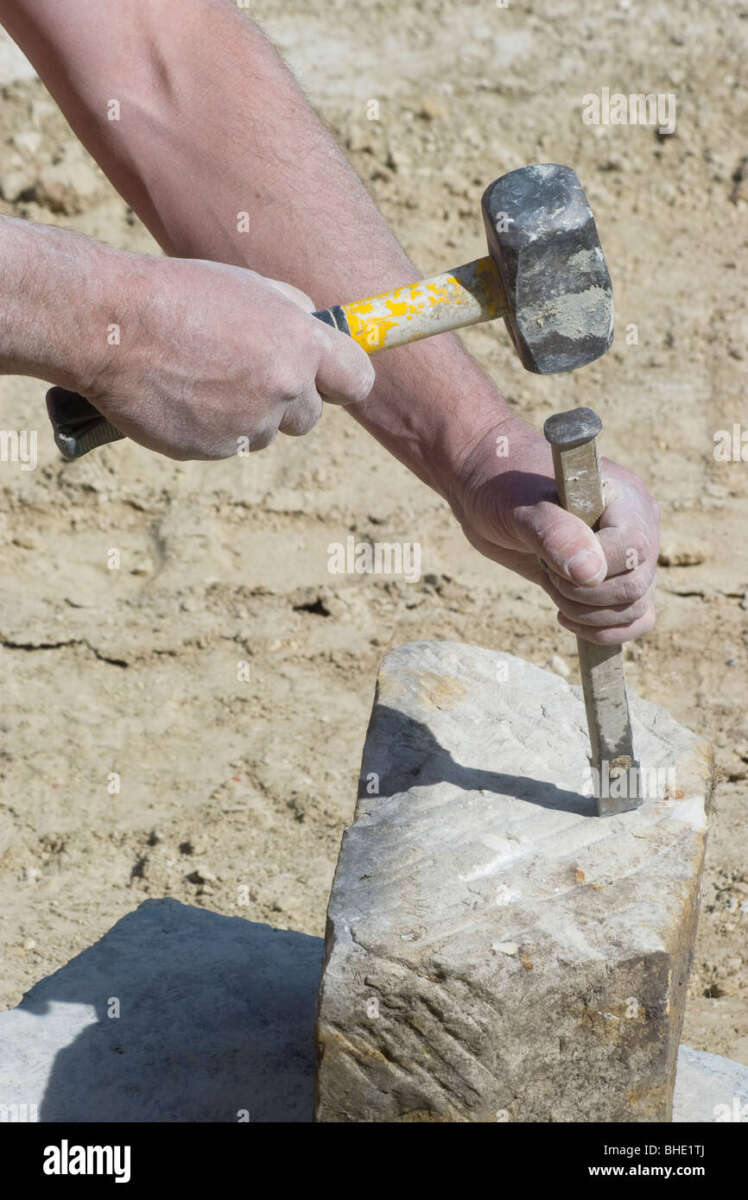
Do not use a ball peen hammer to break masonry, split hardened steel, or strike a bearing unless the tool and procedure are approved for that work. A hammer can be strong yet still be the wrong tool for the task.

Key Takeaways
- Use the flat face for general striking, punches, and seating rivets.
- Use the ball end to spread rivet ends and shape metal.
- Start with light blows and increase force slowly.
- Support the work on an anvil, bench block, or other solid surface.
- Wear safety glasses with side protection.
- Replace or repair hammers and punches with loose heads, cracks, chips, or mushroomed ends.
- Use a job-specific procedure for structural, aircraft, vehicle safety, or pressure-bearing work.
Frequently Asked Questions
Can you use a ball peen hammer on wood?
You can, but it is usually not the best choice. The hard steel face can leave deep marks and split wood. Use a claw hammer, wood mallet, or rubber mallet for most woodworking tasks.
Which side of a ball peen hammer should I use for rivets?
Use the flat face to seat or flatten a rivet. Use the ball end to spread the exposed rivet material and form a rounded head.
Can a ball peen hammer sharpen metal?
No. It can move or deform metal, but it does not sharpen an edge. Use a file, grinder, or sharpening stone designed for the material and edge.
Why is my hammer leaving chips?
The hammer face, punch, workpiece, or support may be chipped or too hard for the impact. Stop work, inspect every striking surface, and replace damaged tools. Wear eye protection during inspection and use.
How hard should I hit?
Use the least force that produces the needed result. Begin with light taps, check the work, and increase the swing in small steps. The right force depends on the hammer weight, material, support, and task.
Conclusion
A ball peen hammer works best when you use it as a controlled metalworking tool, not as a general-purpose club. Choose the correct end, support the work, strike squarely, and inspect the result often.
For a safe next step, practice light taps on scrap mild steel. Once you can control the mark and force, move to the specific job while following the repair or manufacturing instructions for that part.
Recent Tool Guides
 Hammer
How To Hammer Flowers Onto Paper: Easy Guide
Learn how to hammer flowers onto paper with simple steps, helpful tips, and beautiful results for...
Read Guide → Wrench
How To Use A Hex Wrench: Easy Step-By-Step Guide
Learn how to use a hex wrench correctly with simple steps, helpful tips, and common mistakes...
Read Guide → Hacksaw
How To Cut Curtain Pole With Hacksaw: Easy Guide
Learn how to cut curtain pole with hacksaw safely and neatly. Follow simple steps for accurate...
Read Guide → Wrench
How To Use A Husky Torque Wrench: Easy Guide
Learn how to use a Husky torque wrench correctly with simple steps, torque settings, and safety...
Read Guide → Hammer
How To Hold A Hammer: Safe Grip Guide
Learn how to hold a hammer with the right grip, stance, and technique for safer, more...
Read Guide → Hacksaw
How To Cut Flexible Metal Conduit With Hacksaw: Easy Guide
Learn how to cut flexible metal conduit with hacksaw safely and cleanly. Follow simple steps for...
Read Guide →