What Is The Purpose Of A Ball Peen Hammer: Uses Explained
Introduction
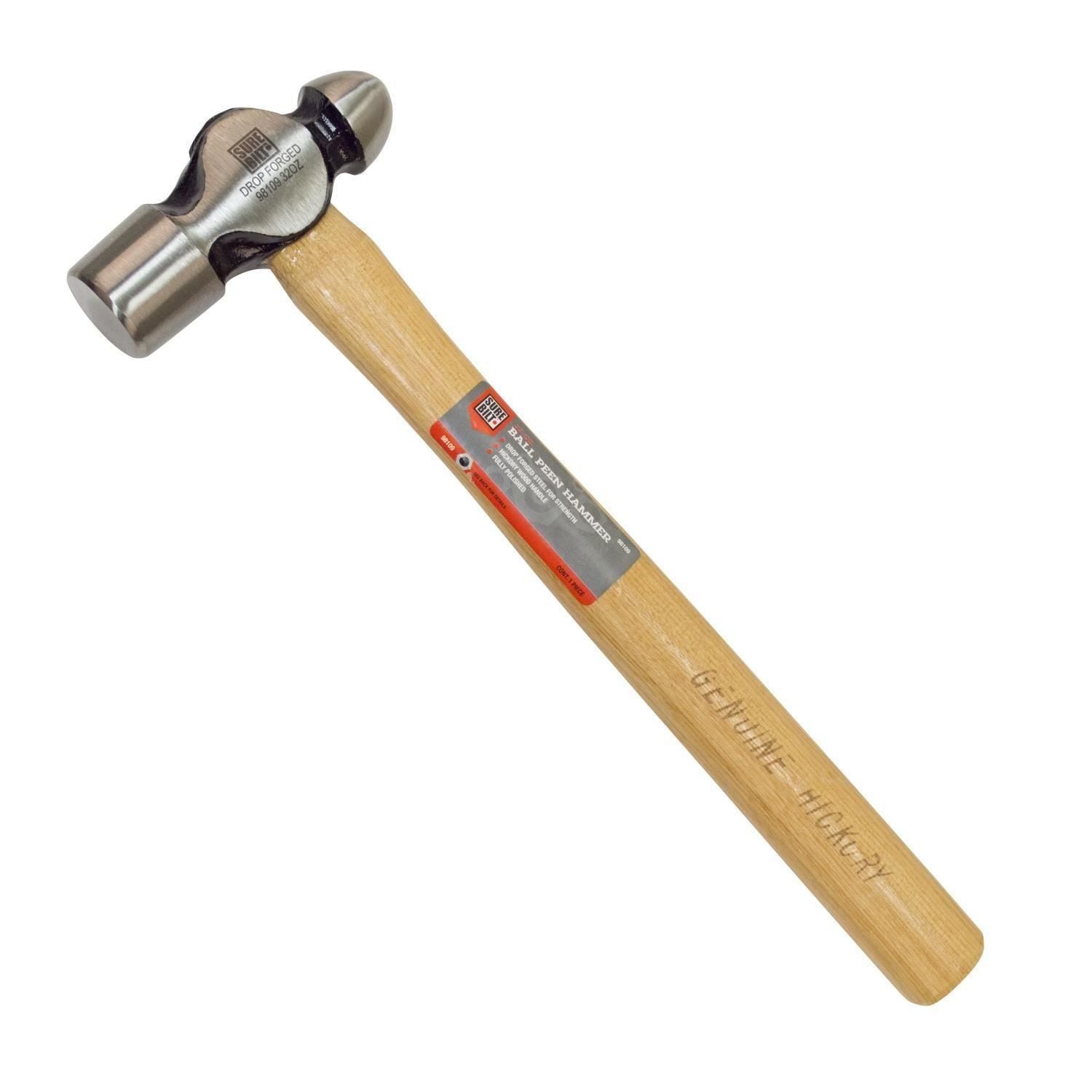
In U.S. workshops, machine shops, garages, and metalworking classes, a ball peen hammer is used mainly to shape metal, set rivets, and strike tools such as punches and chisels. Its flat face delivers a normal hammer blow. Its rounded ball end helps spread, round, and form metal.
Unlike a claw hammer, a ball peen hammer is made for metalwork rather than pulling nails or framing lumber. The right size depends on the job, the material, and the amount of control you need.

What Is a Ball Peen Hammer?
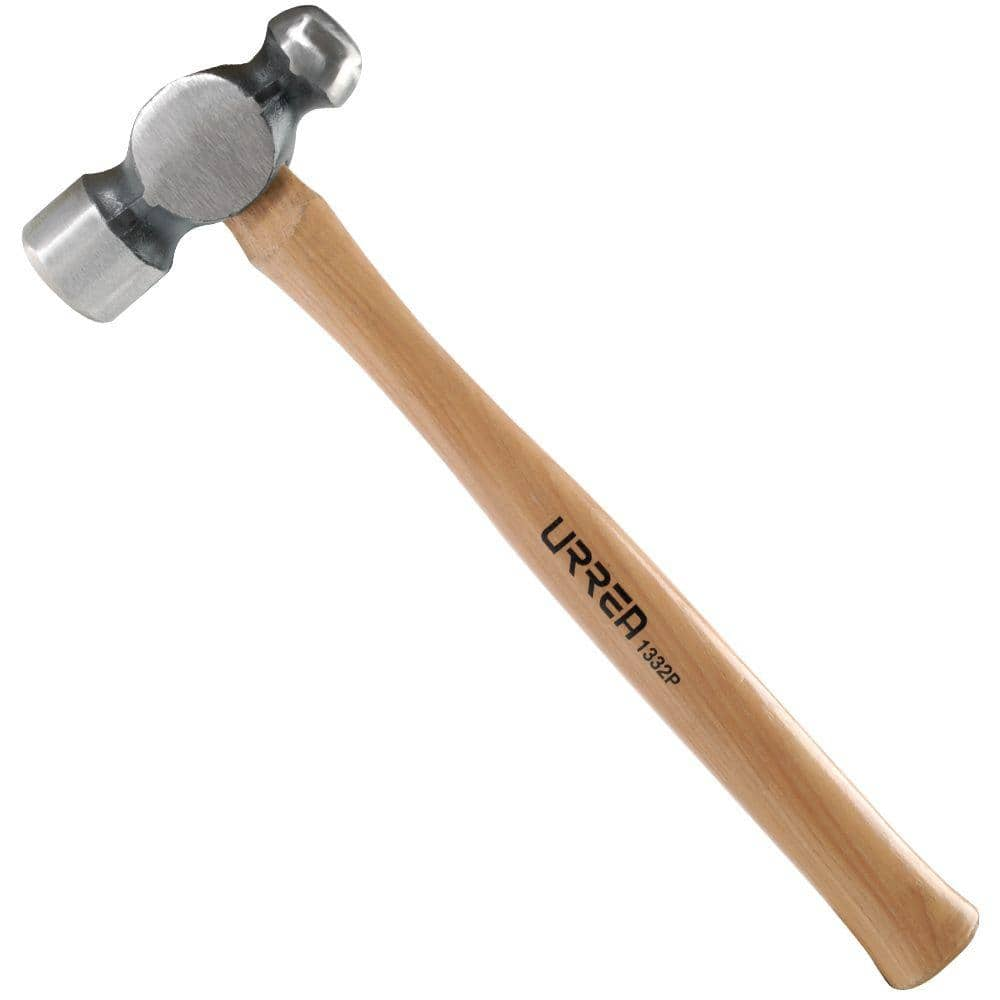
A ball peen hammer is a hand tool with two working ends:
- Flat face: Used for general striking and driving metalwork tools.
- Ball peen end: A rounded end used to shape and spread metal.
- Head: Usually made from hardened steel.
- Handle: Commonly made from wood, fiberglass, or another strong material.
The word peen means to shape or work metal by repeated hammer blows. A ball peen hammer is also called a machinist’s hammer or engineer’s hammer.
The rounded end is not designed to cut. Instead, it moves metal outward as it hits. This makes it useful for forming rivet heads, rounding edges, and creating shallow curves in softer metals.

What Is the Main Purpose of a Ball Peen Hammer?
The main purpose of a ball peen hammer is to perform controlled metalwork. It is especially useful for these tasks.
1. Setting and shaping rivets
A ball peen hammer can form the end of a rivet after the rivet passes through two or more pieces of metal. The ball end spreads the rivet shank and helps create a rounded head.
A simple riveting process looks like this:
- Place the rivet through aligned holes.
- Support the factory-made rivet head on a solid surface.
- Use light blows on the other end.
- Start with the flat face if you need to upset the rivet.
- Use the ball end to round and shape the new head.
- Check that the joint is tight and that the metal is not cracked.
Use small, controlled blows. Heavy hits can bend the rivet, damage the work, or loosen the joint.
2. Shaping and forming metal
The ball end can stretch and move metal in a small area. This helps with:
- Rounding the edge of a metal part
- Forming a shallow curve
- Making small dents or dimples by design
- Adjusting thin sheet metal
- Creating texture on suitable metal surfaces
A ball peen hammer does not replace a sheet-metal forming tool or a power press. It works best for small jobs where the user needs direct control.
3. Striking punches and chisels
The flat face is useful for striking metal punches, pin punches, and cold chisels that are made for hammer use. For example, you might use it to:
- Drive out a stubborn pin
- Start a center punch mark
- Cut a suitable piece of cold metal with a rated cold chisel
- Align or move a metal part with a punch
Always match the hammer to the tool. Do not strike a punch or chisel with a damaged head, and do not use a ball peen hammer on a tool that the maker says should not be struck.
4. Peening metal parts
peening means using hammer blows to move or compress metal. In some repairs, peening can help secure a joint, reduce looseness, or shape a fastener.
This task requires care. Peening is not a universal repair method. A part may crack, harden, warp, or lose its correct fit if you remove too much material or use excessive force.
How Does the Ball End Work?
The ball end concentrates force on a small contact area. When it strikes a softer metal, the metal flows away from the impact point. Repeated blows can spread the material and create a rounded shape.
The result depends on several factors:
- Metal type: Softer metals form more easily than hardened steel.
- Metal thickness: Thin metal can bend or stretch quickly.
- Hammer size: A larger head delivers more force but gives less control.
- Blow strength: Light blows allow gradual shaping.
- Support surface: A firm anvil or suitable steel surface supports the work.
- Strike angle: A centered hit gives a more even result.
Think of the ball end as a small metal forming tool. It moves material rather than simply driving an object downward.
Do not expect the ball end to make a perfect sphere or smooth finish in one blow. Skilled work comes from many light hits, frequent checks, and proper support under the workpiece.

How to Use a Ball Peen Hammer Safely
Use a ball peen hammer only after checking the tool, the workpiece, and the area around you.
Before you start
Check the following:
- The hammer head is firmly attached.
- The handle has no cracks, splits, or loose areas.
- The striking faces are free from deep chips.
- The workpiece is supported on a stable surface.
- No one is within the swing path.
- You have eye protection with side coverage.
Wear hearing protection when repeated blows create loud impact noise. Gloves may protect your hands from sharp metal edges, but they do not replace a secure grip or eye protection.
Use controlled blows
Hold the handle near its end for more force or closer to the head for better control. Start with light blows. Let the hammer do the work rather than swinging as hard as possible.
Keep the hammer face square to the work when using the flat end. When using the ball end, use a controlled angle and check the shape often.
Stop when the tool shows damage
Stop using the hammer if you see:
- A loose head
- A cracked or split handle
- Deep chips in the striking face
- Severe mushrooming around the face
- A bent or damaged ball end
A damaged striking tool can send metal fragments into the air. Replace it or have it properly repaired. Do not grind away damaged areas unless you understand the tool’s heat treatment and the repair method.
Choosing the Right Ball Peen Hammer Size
Choose the smallest hammer that can complete the job without excessive effort. A small head gives better control for light sheet metal and small rivets. A larger head supplies more force for heavier parts and larger fasteners.
| Approximate hammer class | Best suited for | Main trade-off |
|---|---|---|
| Small | Light metalwork, small rivets, pins, and precise shaping | Less striking force |
| Medium | General shop work and common riveting tasks | Balanced control and force |
| Large | Heavy fasteners and thicker metal | More force, but greater risk of damage |
Manufacturers may list hammer weight by the head alone or by the complete tool. Check the product specification before comparing sizes.
The handle material also matters:
- Wood: Light and comfortable, but it can split or loosen.
- Fiberglass: Often resists splitting and can reduce some vibration.
- Steel or composite designs: May be strong, but grip comfort and vibration control vary.
A heavier hammer is not automatically better. If the tool tires your arm or causes you to lose control, it is too large for that task.

Ball Peen Hammer vs. Other Hammers
A ball peen hammer is one of several hammer types. Each has a different purpose.
Ball peen hammer vs. claw hammer
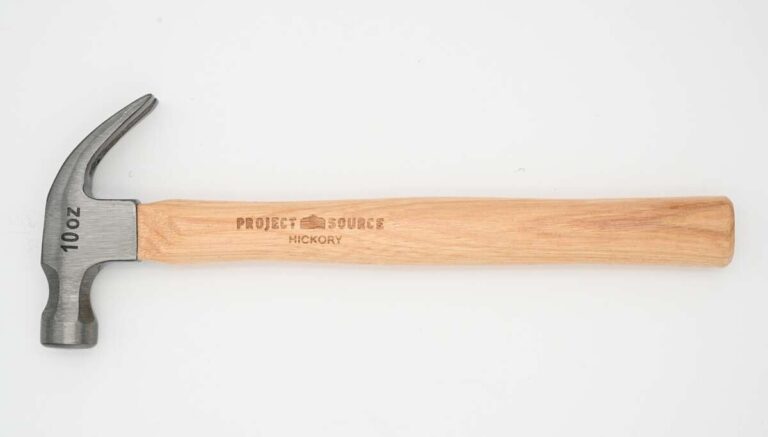
A claw hammer is made mainly for driving and pulling nails. Its curved claw can remove nails and help with light prying.
A ball peen hammer is made mainly for shaping metal and striking metalwork tools. Its ball end is not a safe substitute for a nail-pulling claw.
Ball peen hammer vs. cross peen hammer
A cross peen hammer has a narrow wedge-shaped end. It can spread metal in a more focused line and may help with blacksmithing or forming small metal sections.
A ball peen hammer spreads metal around a rounded point. It is often more useful for rivets and rounded shaping.
Ball peen hammer vs. dead blow hammer
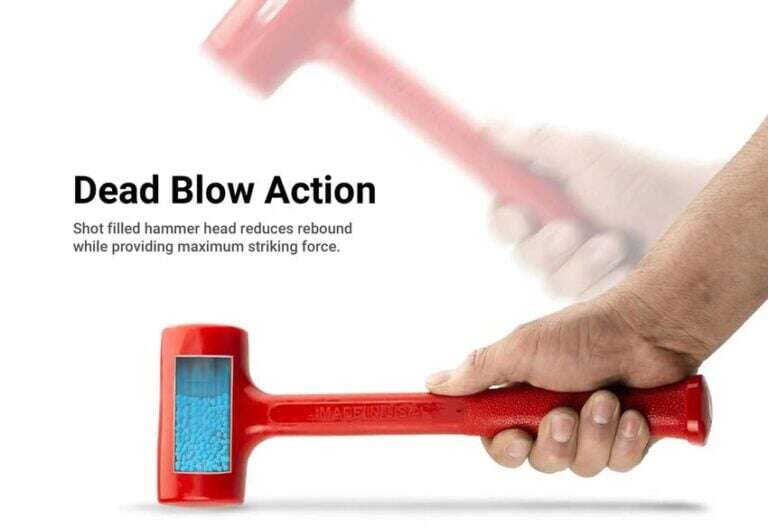
A dead blow hammer reduces bounce and limits surface damage during alignment or assembly work. It is useful when you need to move a part without leaving strong marks.
A ball peen hammer delivers a hard, concentrated impact. It is better for shaping metal, but it can mark or dent finished surfaces.
Ball peen hammer vs. rubber mallet
A rubber mallet provides softer blows for assembling parts, fitting panels, or adjusting surfaces that could be scratched.
A ball peen hammer is much harder and more focused. Do not use it on finished surfaces unless marks are acceptable or you are using a suitable protective method.

Common Mistakes to Avoid
The most common mistake is using a ball peen hammer as a general-purpose hammer. It can drive some fasteners, but its shape and hardness make it a poor choice for many household tasks.
Avoid these errors:
- Using the ball end to drive nails: The curved end can slip and damage the work.
- Striking hardened surfaces: Hard-on-hard impact can cause dangerous chips.
- Using too much force: Heavy blows can bend parts and ruin rivets.
- Working without eye protection: Small metal fragments can travel quickly.
- Hitting a damaged punch or chisel: The struck tool may break apart.
- Using the hammer as a pry bar: The head and handle are not designed for prying.
- Hammering without firm support: The workpiece may move, bounce, or deform.
- Ignoring the handle: A loose head can come off during a swing.
If the job involves a load-bearing, pressure-containing, brake, suspension, or safety-critical part, follow the repair procedure for that part. A hammer cannot correct a design problem or replace a required repair method.

How to Maintain a Ball Peen Hammer
Good maintenance is simple. Keep the hammer clean and dry. Wipe away oil, metal dust, and moisture after use.
Store it where the head will not strike other tools. Inspect the handle and head before each use. If the head is loose, remove the tool from service until it is repaired correctly or replaced.
Do not heat the hammer head with a torch. Excess heat can change the hardness of the steel and reduce its intended performance. Also avoid altering the ball end with an unplanned grinding job.
A clean, undamaged hammer gives better control and lowers the chance of a fragment or loose head causing an injury.

Key Takeaways
- A ball peen hammer is mainly a metalworking tool.
- Its flat face strikes punches, chisels, pins, and other suitable tools.
- Its rounded ball end spreads and shapes metal.
- Common uses include setting rivets, peening parts, and forming small metal sections.
- Use light, controlled blows and support the work on a stable surface.
- Wear eye protection and remove damaged hammers from service.
- Choose the hammer size based on the workpiece, fastener, and level of control required.
FAQs About Ball Peen Hammers
Can you use a ball peen hammer for nails?
You can drive some nails with the flat face, but a claw hammer is usually the better tool. A ball peen hammer lacks a claw for pulling nails, and its metalworking design may leave marks.
What is the ball end of a ball peen hammer used for?
The ball end is used to spread, round, and shape metal. It is especially common when forming the end of a rivet or peening a metal part.
Can a ball peen hammer break metal?
It can help break or cut some metal when used with a suitable cold chisel. The hammer alone is not a cutting tool. Do not strike hardened metal or an unsuitable tool because fragments may break away.
What size ball peen hammer should a beginner buy?
A medium, general-purpose model is often a practical starting point for basic shop work, small repairs, and common riveting tasks. Choose a lighter hammer if control and precision matter more than force.
Is a ball peen hammer safe for automotive work?
It can be useful for suitable automotive tasks, such as driving approved punches or shaping certain metal parts. Do not use it on safety-critical components unless the service procedure specifically calls for it.
Conclusion
The purpose of a ball peen hammer is to deliver controlled impact for metalwork. The flat face strikes suitable punches, chisels, and pins. The rounded ball end shapes metal, spreads rivets, and performs peening work.
Choose the correct size, support the work firmly, use light blows first, and wear eye protection. For a simple next step, inspect the hammer for damage and match its size to the metalwork task before you begin.
Recent Tool Guides
 Hammer
How To Hammer Flowers Onto Paper: Easy Guide
Learn how to hammer flowers onto paper with simple steps, helpful tips, and beautiful results for...
Read Guide → Wrench
How To Use A Hex Wrench: Easy Step-By-Step Guide
Learn how to use a hex wrench correctly with simple steps, helpful tips, and common mistakes...
Read Guide → Hacksaw
How To Cut Curtain Pole With Hacksaw: Easy Guide
Learn how to cut curtain pole with hacksaw safely and neatly. Follow simple steps for accurate...
Read Guide → Wrench
How To Use A Husky Torque Wrench: Easy Guide
Learn how to use a Husky torque wrench correctly with simple steps, torque settings, and safety...
Read Guide → Hammer
How To Hold A Hammer: Safe Grip Guide
Learn how to hold a hammer with the right grip, stance, and technique for safer, more...
Read Guide → Hacksaw
How To Cut Flexible Metal Conduit With Hacksaw: Easy Guide
Learn how to cut flexible metal conduit with hacksaw safely and cleanly. Follow simple steps for...
Read Guide →