What Are Hammer Handles Made Of: Materials Explained
Hammer handles in the United States are mainly made from hickory wood, fiberglass, steel, or composite materials. The best material depends on the hammer’s job, the force it must handle, the user’s grip, and the amount of vibration control needed.
A traditional claw hammer often has a hickory handle. Many modern framing and demolition hammers use fiberglass or steel. Some models combine a rigid core with a rubber or thermoplastic grip for comfort and control.
The Main Materials Used for Hammer Handles
Each handle material has a different balance of strength, shock absorption, weight, cost, and repairability.
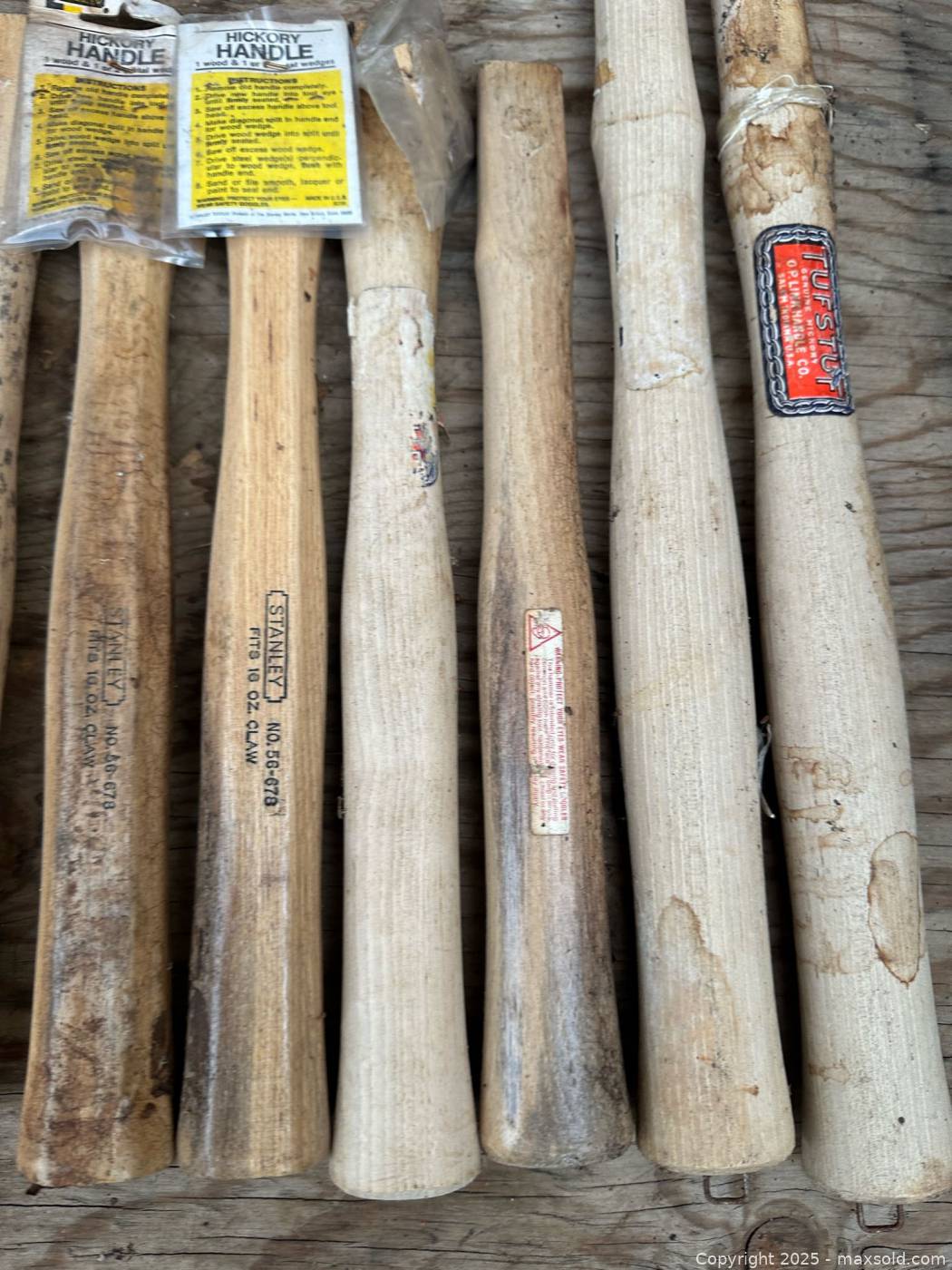
Hickory wood
Hickory is the classic material for hammer handles. It is strong, tough, and able to absorb some of the shock that travels through the tool when it strikes a hard surface.
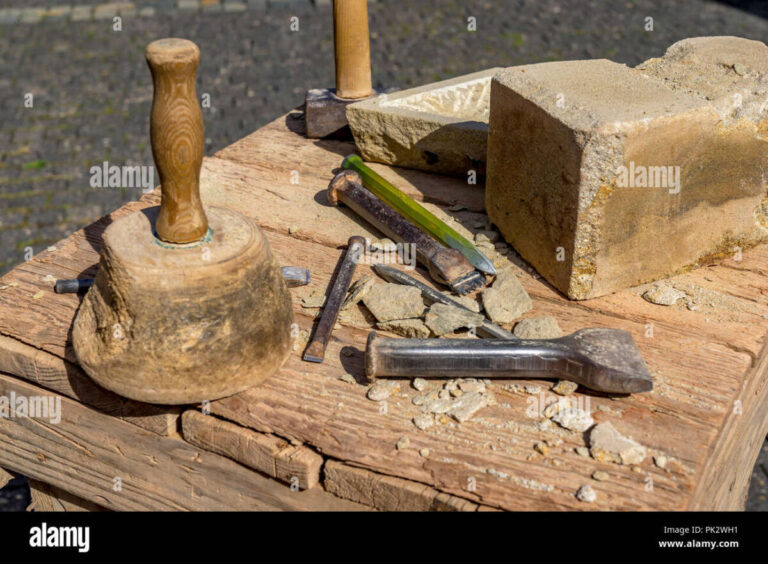
Many American-made replacement handles use hickory because the wood has a good strength-to-weight balance. A well-fitted hickory handle can also be replaced if it becomes damaged.
Common benefits include:
- Good shock absorption
- Comfortable feel in the hand
- Low weight compared with steel
- Easy replacement on many traditional hammers
- Natural flex under impact
Hickory is not indestructible. It can split, dry out, swell, or loosen if it is poorly fitted or exposed to harsh conditions. A wood handle with cracks, deep dents, or a loose head should be removed from service.
Ash wood
Ash has also been used for tool handles, including some hammers. It is light, springy, and easy to shape.
Ash can provide a comfortable grip and useful impact control. However, many users prefer hickory for heavy striking tools because hickory is widely regarded as the more durable traditional choice for this purpose.
Ash handles still appear in some tools and replacement-handle markets. Their quality depends on the wood grade, grain direction, moisture level, and how well the handle fits the hammer head.
Fiberglass
Fiberglass handles contain glass fibers set in a resin. The fibers provide strength, while the resin holds them in a solid handle.
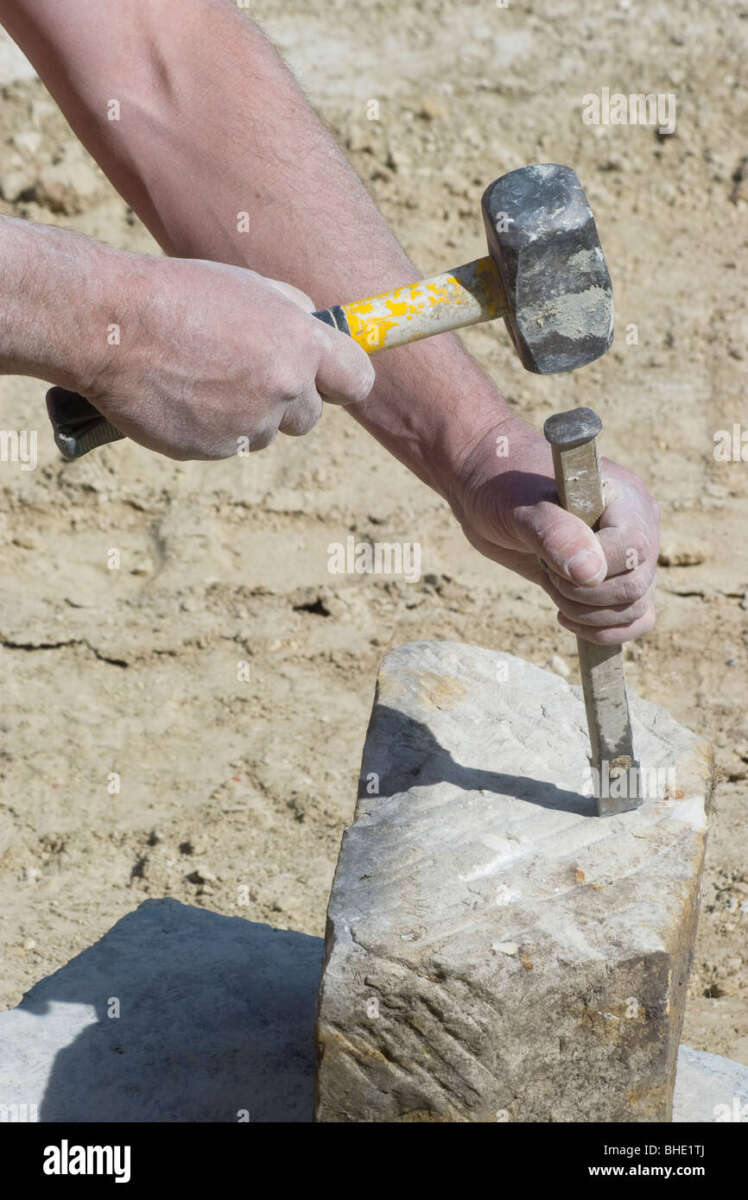
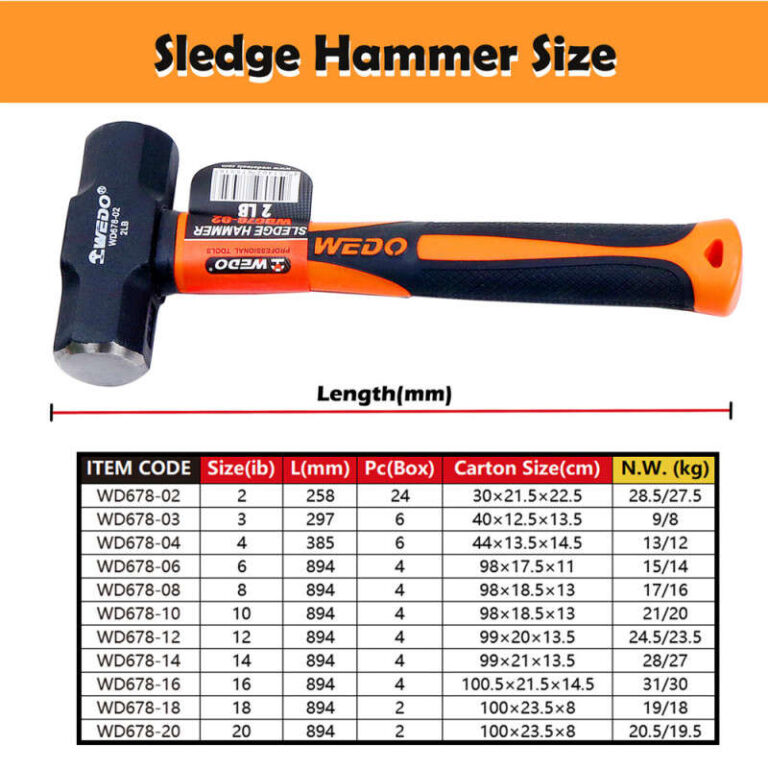
Fiberglass is common in household hammers, mechanic’s hammers, sledgehammers, and other tools that need a strong handle with less maintenance than wood.
Typical advantages include:
- Resistance to moisture and rot
- Good strength
- Less risk of splitting than wood
- Low maintenance
- A consistent manufactured shape
Fiberglass does not mean the handle cannot fail. A hard impact, deep cut, heat damage, or repeated abuse can weaken it. A fiberglass handle with exposed fibers, bulges, cracks, or a loose head should be replaced.
Steel
Some hammers have a steel handle or a one-piece steel body. In this design, the head and handle may be forged as one piece.
Steel handles are strong and well suited to heavy work. They are common in sledgehammers, drilling hammers, masonry hammers, and some professional striking tools.
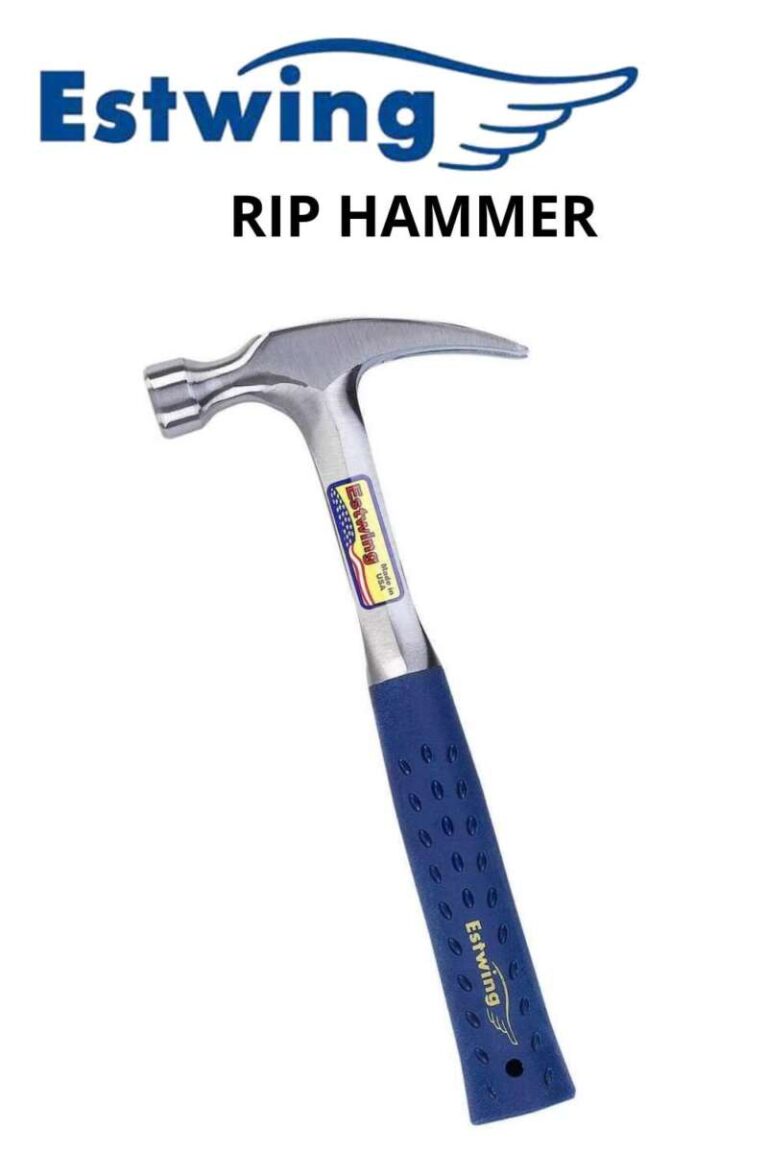
Their main drawback is vibration. Steel transmits more impact energy to the user than wood or a well-designed composite handle. For that reason, steel-handled hammers often use a rubber, plastic, or elastomer sleeve around the grip.
A soft grip may improve comfort, but it does not erase the vibration produced by the steel core.
Composite materials
A composite hammer handle may use several materials together. For example, a tool may have a fiberglass or polymer core, a rigid head connection, and a rubber outer grip.
Some composite handles are reinforced with glass fibers, carbon fibers, or other materials. The exact construction differs by manufacturer and tool type.
Composite handles can offer:
- Strong head retention
- Lower weight
- Better grip comfort
- Resistance to water and chemicals
- Reduced vibration compared with bare steel
“Composite” is a broad term. It does not describe one standard material or guarantee better performance. Look at the tool’s stated construction and inspect the handle for damage.
Rubber and thermoplastic grips
Rubber, thermoplastic rubber, and similar plastics usually form the outer grip, not the main structural handle. They help the user hold the tool and may reduce the feel of vibration.
A rubber grip can also help when the user’s hands are sweaty or when the tool is used for long periods. It may tear, harden, become slippery, or separate from the handle with age.
The grip should not be used to hide damage below it. If the handle bulges, bends, cracks, or feels loose, replace the tool even if the outer grip looks intact.
Why Hammer Handle Material Matters
The handle material affects how the hammer feels, how long it may last, and how much shock reaches the user.
A hammer does not only transfer force into the nail or workpiece. Some energy also travels back through the head and handle. The handle material, shape, length, grip, and striking technique all affect how much of that energy the user feels.
Shock absorption
Wood usually provides more natural flex than steel. Fiberglass can also help manage shock, depending on its construction and the grip design.
Steel is rigid. It can be useful when maximum durability is needed, but it may feel harsher during repeated strikes.
No handle material removes impact completely. Safe technique, the correct hammer for the job, and regular breaks still matter.
Strength and durability
A handle must withstand bending, impact, and repeated loading. A strong material alone is not enough.
The head-to-handle connection is also critical. A sound wooden handle can fail if the eye is poorly fitted. A strong fiberglass handle can fail if it is cut or damaged. A steel handle can still bend or crack after severe misuse.
Durability depends on the entire tool, not just the material name printed on the package.
Weight and balance
Steel and heavy composite handles can add weight. That may help with powerful strikes, but it can also cause fatigue during long use.
Wood handles are often lighter and may give a traditional hammer a balanced feel. Fiberglass can provide a middle ground.
The right balance depends on the work. A light claw hammer may be easier to control for driving finish nails. A heavier sledgehammer may be better for breaking masonry, but only when the user can control it safely.
Grip and control
A handle should fit the user’s hand and allow a firm grip without excessive squeezing. A handle that is too smooth can slip. One that is too soft or heavily textured may create hot spots during long use.
Handle length also changes control. A longer handle can increase swing speed and leverage, while a shorter handle can improve precision in tight spaces.
Choose the handle based on the task, not only on the material.

Hickory vs. Fiberglass vs. Steel Hammer Handles
The table below gives a general comparison. Actual performance varies with the tool’s design, size, quality, and condition.
| Handle material | Shock feel | Moisture resistance | Repairability | Common uses |
|---|---|---|---|---|
| Hickory wood | Low to moderate | Moderate | Often replaceable | Claw hammers, carpenter’s hammers, machinist’s hammers |
| Ash wood | Moderate | Moderate | Often replaceable | Light and general-purpose striking tools |
| Fiberglass | Moderate | High | Usually replaced as a unit | Household, mechanic’s, and sledgehammers |
| Steel | High unless cushioned | High | Usually replaced as a unit | Heavy-duty, masonry, and one-piece hammers |
| Composite | Low to moderate, depending on design | Often high | Usually replaced as a unit | Professional and specialty hammers |
Choose wood when repairability matters
A wood handle is a practical choice when you want a traditional feel and the option to replace the handle. Many wood-handled hammers have a separate head and handle.
Replacement requires care. The new handle must fit the hammer eye correctly, and the head must be secured with the proper wedge system. If the head remains loose, do not use the hammer.
Choose fiberglass when you want low maintenance
Fiberglass is useful for people who work around moisture or prefer not to maintain a wood handle. It is common in general-purpose tools and heavy striking tools.
It does not usually offer the same simple replacement process as a traditional wood handle. Once the handle or head connection is damaged, replacing the entire tool is often the safer option.
Choose steel when maximum structural strength is the priority
Steel handles suit demanding work where the tool may face severe impact. A one-piece steel hammer has no separate wooden handle to loosen at the head connection.
The trade-off is comfort and vibration. Use a steel-handled tool only when its weight, grip, and impact level match the task.

How to Tell What a Hammer Handle Is Made Of
You can usually identify the material by looking at the handle, the grip, and the area below the hammer head.
Signs of a wood handle
A wood handle normally shows:
- Visible grain
- A warm, natural color
- A slightly tapered shape
- A separate head fitted over the handle
- A wooden or metal wedge near the top
Do not rely only on color. Some synthetic handles are molded to resemble wood.
Signs of a fiberglass handle
Fiberglass handles often have a smooth molded surface. They may be black, gray, yellow, orange, or another solid color.
If the surface is damaged, you may see thin fibers. Do not handle exposed fibers with bare skin. Replace the tool instead of sanding or wrapping over the damage.
Signs of a steel handle
A steel handle may feel cold and rigid. A magnet can attract it, but this is not always a useful test because some tools have only a steel head with a different handle material.
A one-piece steel hammer usually has a continuous forged or molded metal form from the head into the handle. A rubber sleeve may cover much of the handle.
Check the manufacturer’s specifications
The most reliable way to identify the material is to check the tool’s packaging, model page, or instruction sheet. Product descriptions may distinguish between:
- Hickory handle
- Fiberglass handle
- Steel core
- Forged steel construction
- Glass-filled nylon
- Thermoplastic grip
- Composite handle
If the information is unclear, treat the tool cautiously. Do not cut through a grip or coating to identify the core.

Are Wooden Hammer Handles Better Than Fiberglass Handles?
Neither material is best for every user. Hickory offers a natural feel, useful shock absorption, and the possibility of handle replacement. Fiberglass offers low maintenance and good resistance to moisture and splitting.
A wood handle may suit a carpenter who values balance and repairability. A fiberglass handle may suit a homeowner who wants a durable general-purpose hammer that can be stored in a garage or shed.
The condition of the handle matters more than a simple material comparison. A damaged hickory handle is unsafe, and a damaged fiberglass handle is unsafe. Replace either one when it shows serious defects.
When a wooden handle may be the better choice
Consider wood when:
- You want to replace the handle instead of the entire tool
- You prefer a natural grip
- You value low vibration
- You can store the tool in a reasonably dry place
- You inspect the handle often
When fiberglass may be the better choice
Consider fiberglass when:
- The tool may face moisture
- You want little handle maintenance
- You prefer a molded grip
- You use the hammer for general repairs
- You do not plan to fit replacement handles

How to Inspect a Hammer Handle Safely
Inspect the hammer before each use, especially when the tool is used for heavy work.
- Check the head. Make sure it is not cracked, chipped, mushroomed, or loose.
- Check the handle. Look for cracks, cuts, bends, dents, swelling, and soft spots.
- Check the connection. A wooden head should not move on the handle. A fiberglass or steel handle should not shift inside its grip.
- Check the grip. Replace the tool if the grip is torn, loose, hardened, or slippery.
- Check the striking face. Do not use a hammer with a badly damaged or dangerously mushroomed face.
- Use the correct tool. Never use a claw hammer, ball-peen hammer, or sledgehammer for a job it was not designed to perform.
Do not try to repair a cracked handle with tape, glue, wire, or a sleeve. These fixes can hide damage without restoring the handle’s strength.
Wear suitable eye protection when striking metal, stone, concrete, or other materials that may chip. Keep other people away from the swing path and from flying fragments.

Can You Replace a Hammer Handle?
You can replace many traditional wood handles, but not every hammer is designed for repair.
A replacement is possible when the hammer head has a separate handle and the head is still sound. The new handle must match the size and shape of the head’s eye. It also needs to be seated and wedged correctly.
Do not replace a handle if:
- The hammer head is cracked
- The eye is stretched or damaged
- The head has severe mushrooming
- The replacement handle does not fit properly
- You cannot secure the head firmly
- The tool is a sealed or one-piece design
Replacing a wooden handle involves removing the old handle, fitting the new one, seating the head, and securing it with the correct wedge. If the head is loose after fitting, stop. A qualified tool repair professional or an experienced hardware specialist can assess the fit.
Fiberglass and steel handles are generally not practical for home replacement. In those cases, replacing the entire hammer is usually safer.

Common Mistakes to Avoid
Choosing by handle material alone
A material label does not tell you the whole story. Handle shape, length, head weight, grip design, and head attachment all affect performance.
Using a damaged hammer
A small crack can grow under repeated impact. Do not keep using a hammer because the damage seems minor.
Striking hardened steel with the wrong hammer
Hard materials can cause chips or fragments to fly from the striking face. Use a tool intended for the material and wear eye protection.
Using a hammer as a pry bar
A hammer handle is not automatically a pry bar. Prying can bend, split, or weaken the handle.
Leaving wood handles in poor storage conditions
Long exposure to water, extreme dryness, or heat can damage wood. Store wood-handled tools in a dry place away from direct heat.

Key Takeaways
- Most hammer handles are made from hickory, ash, fiberglass, steel, or composite materials.
- Hickory is valued for shock absorption, balance, and replaceability.
- Fiberglass offers strength and low maintenance.
- Steel provides high structural strength but can transmit more vibration.
- Rubber and plastic usually form the outer grip, not the main handle.
- Replace any hammer with a cracked, bent, loose, split, or badly damaged handle.
- Choose the handle material based on the work, tool balance, maintenance needs, and safety—not material name alone.
Frequently Asked Questions
What is the best wood for a hammer handle?
Hickory is the most common traditional choice for many hammer handles because it is tough, resilient, and good at absorbing impact. Ash is another handle wood, but hickory is often preferred for demanding striking tools.
Are fiberglass hammer handles safe?
A sound fiberglass handle can be safe for its intended use. Inspect it for cracks, cuts, exposed fibers, bulges, and movement at the head. Replace it if any serious damage appears.
Do steel hammer handles reduce vibration?
Bare steel usually transmits more vibration than wood. A rubber or elastomer grip may improve comfort, but it does not remove the impact produced by the hammer.
Can a hammer handle be made from oak?
Oak is strong, but strength alone does not make a wood ideal for a hammer handle. Handle wood must also manage shock and resist splitting. Use a replacement handle made for the specific hammer rather than shaping an unsuitable piece of lumber.
How long should a hammer handle last?
There is no fixed service life. A handle may last for many years under light use or fail sooner under heavy impact, poor storage, or misuse. Inspect it before each use and replace it at the first sign of unsafe damage.
Conclusion
Hammer handles are made from several materials, but hickory, fiberglass, and steel are the main choices in the U.S. market. Hickory offers a traditional feel and simple replacement. Fiberglass provides low maintenance and strong everyday performance. Steel supports heavy-duty work but may transmit more vibration.
The safest choice is the handle that fits the hammer’s intended job and remains in good condition. Inspect the handle and head before use, and replace the tool when damage affects its strength or grip.
Recent Tool Guides
 Hammer
How To Hammer Flowers Onto Paper: Easy Guide
Learn how to hammer flowers onto paper with simple steps, helpful tips, and beautiful results for...
Read Guide → Wrench
How To Use A Hex Wrench: Easy Step-By-Step Guide
Learn how to use a hex wrench correctly with simple steps, helpful tips, and common mistakes...
Read Guide → Hacksaw
How To Cut Curtain Pole With Hacksaw: Easy Guide
Learn how to cut curtain pole with hacksaw safely and neatly. Follow simple steps for accurate...
Read Guide → Wrench
How To Use A Husky Torque Wrench: Easy Guide
Learn how to use a Husky torque wrench correctly with simple steps, torque settings, and safety...
Read Guide → Hammer
How To Hold A Hammer: Safe Grip Guide
Learn how to hold a hammer with the right grip, stance, and technique for safer, more...
Read Guide → Hacksaw
How To Cut Flexible Metal Conduit With Hacksaw: Easy Guide
Learn how to cut flexible metal conduit with hacksaw safely and cleanly. Follow simple steps for...
Read Guide →