What Is A Curved Claw Hammer Used For: Complete Guide
A curved claw hammer is a hand tool used in the United States for driving nails and pulling them back out. Its curved, split claw gives you leverage when removing nails from wood. The flat face drives nails, while the claw handles removal, prying, and light separation work.
It is a common tool for home repairs, carpentry, trim work, framing, fence repairs, and general maintenance. For most homeowners, a curved claw hammer is the best all-purpose hammer to keep in a basic toolbox.
Introduction
A curved claw hammer has two working ends:
- A flat striking face for driving nails.
- A curved, V-shaped claw for pulling nails and lifting small pieces of wood.
The curved claw works like a small lever. When you rest it against a board and pull the handle, the claw transfers more force to the nail than your hand could create alone. This makes nail removal faster and puts less strain on your fingers.
The tool is useful, but it is not a replacement for every type of hammer. A framing hammer is better for large construction jobs. A finish hammer is better when you want to reduce marks on delicate trim. A pry bar is safer and stronger for heavy demolition.

What Does a Curved Claw Hammer Look Like?
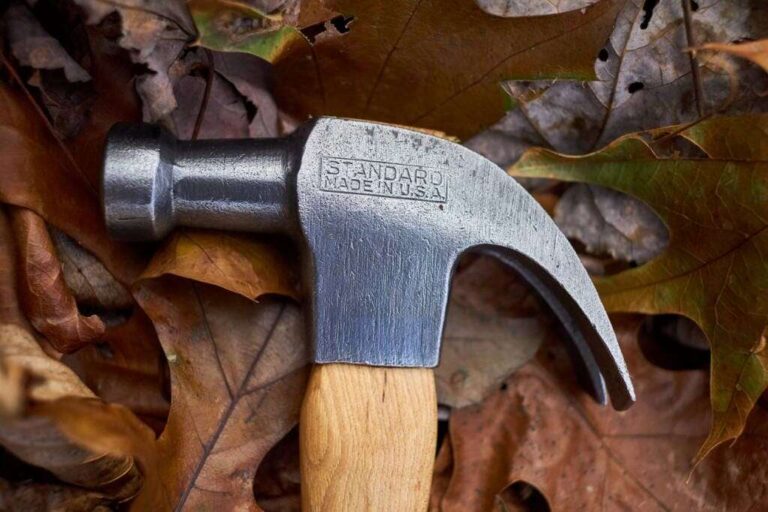
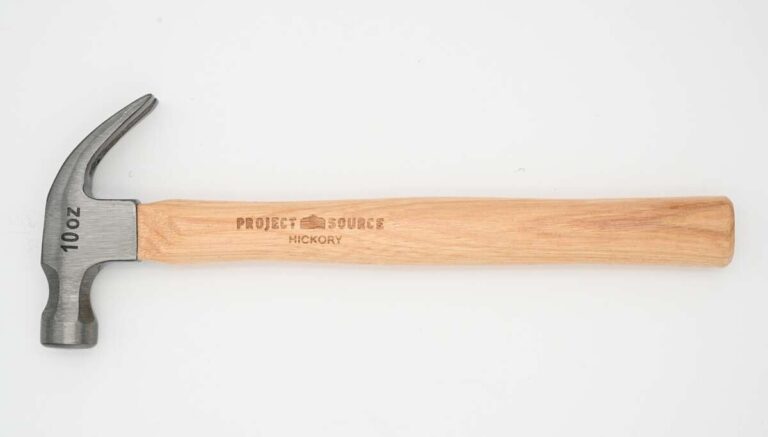
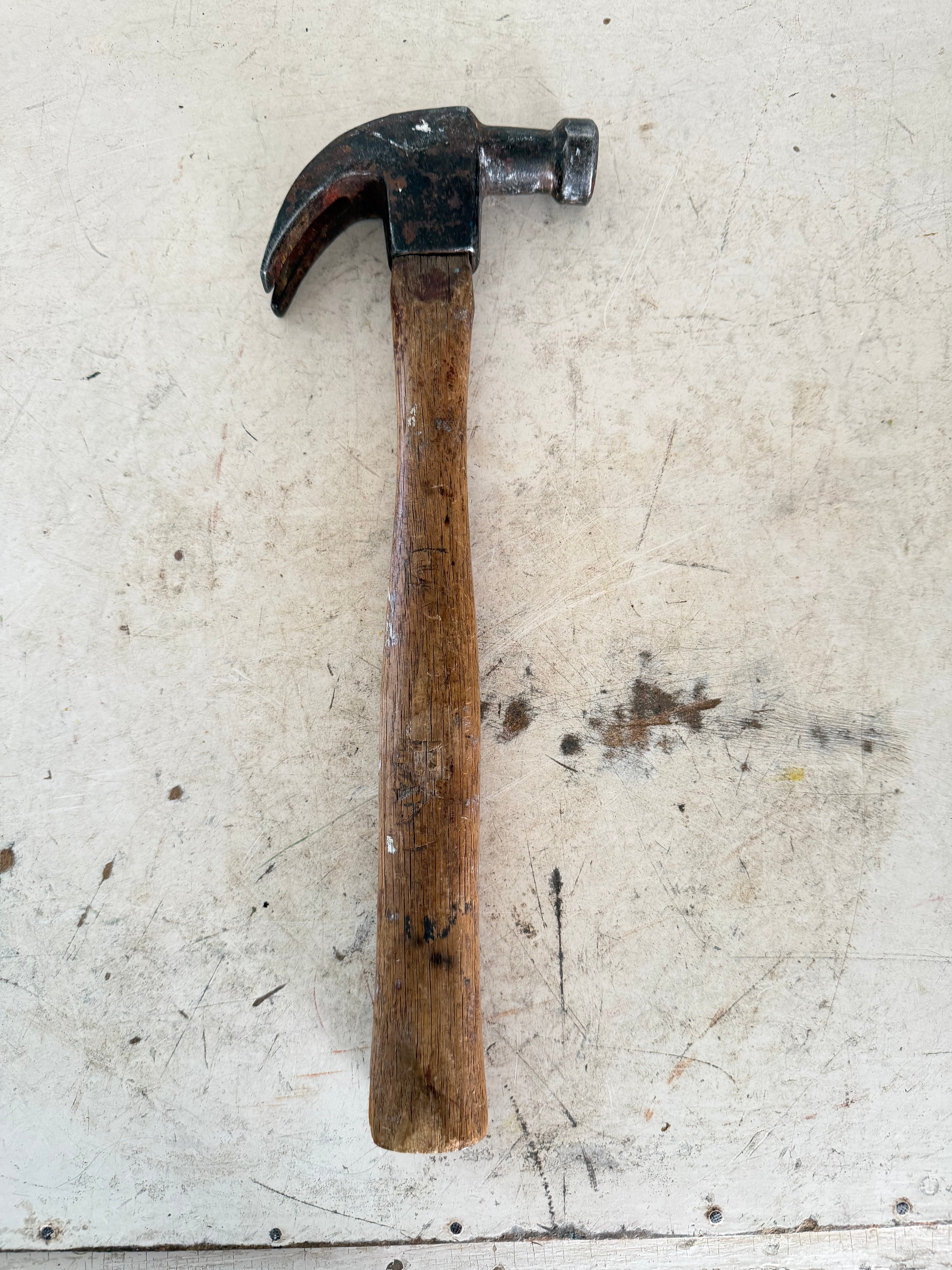
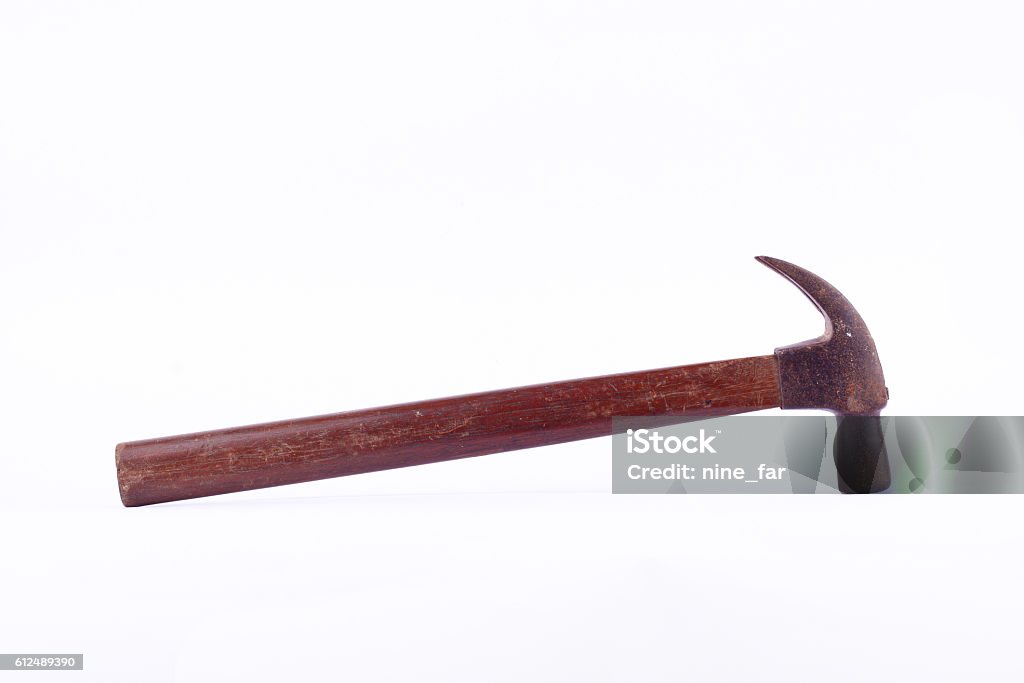
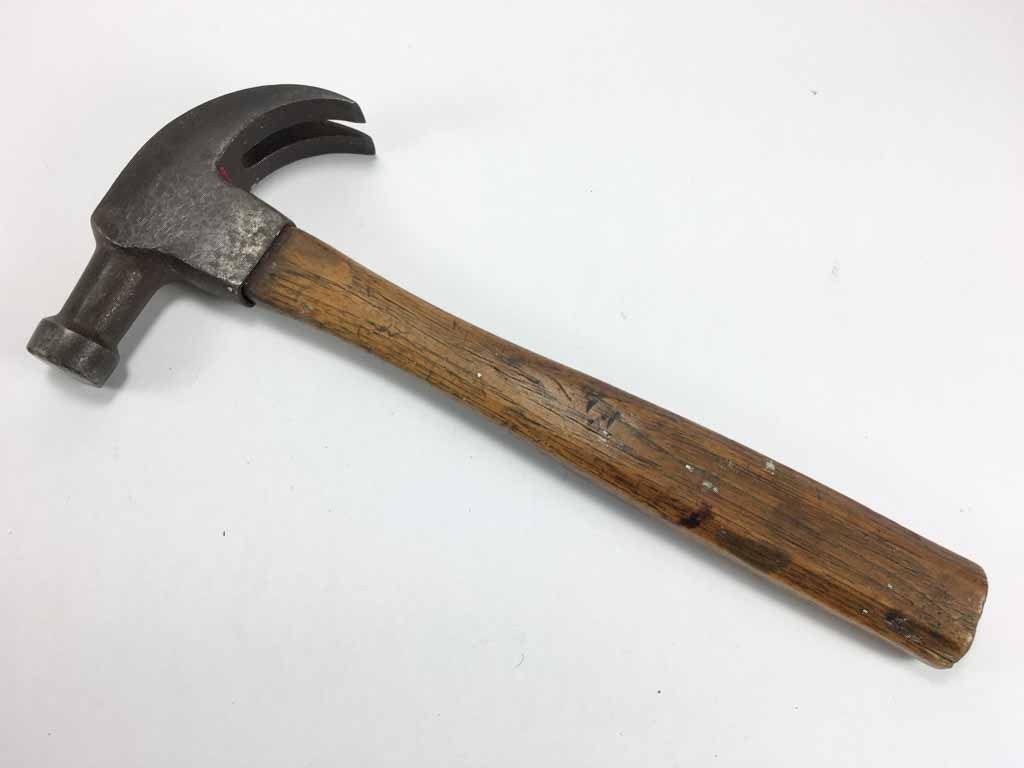
A curved claw hammer has a head, handle, striking face, and claw. Each part has a different job.
Striking face
The striking face is the flat end of the metal head. It hits the nail head and pushes the nail into wood or another suitable material.
Hammer faces may be:
- Smooth: Better for finish work because they leave fewer marks.
- Textured or milled: Helps reduce slipping on the nail head but can leave more visible dents.
- Large: Easier to aim with during rough work.
- Small: More precise for trim and light carpentry.
Curved claw
The claw is split into two pointed sections. The gap lets the claw slide around the nail shank.
A curved claw provides leverage. You place the claw under the nail head, then pull the handle toward the surface. The curve helps lift the nail with less hand force.
Handle
Handles may be made from:
- Hickory or another hardwood
- Fiberglass
- Steel with a rubber or polymer grip
- Composite materials
A wood handle can feel comfortable and absorb some vibration. Fiberglass and steel handles can offer strong impact resistance, but they may transmit more shock to your hand, depending on the design.
Neck and head
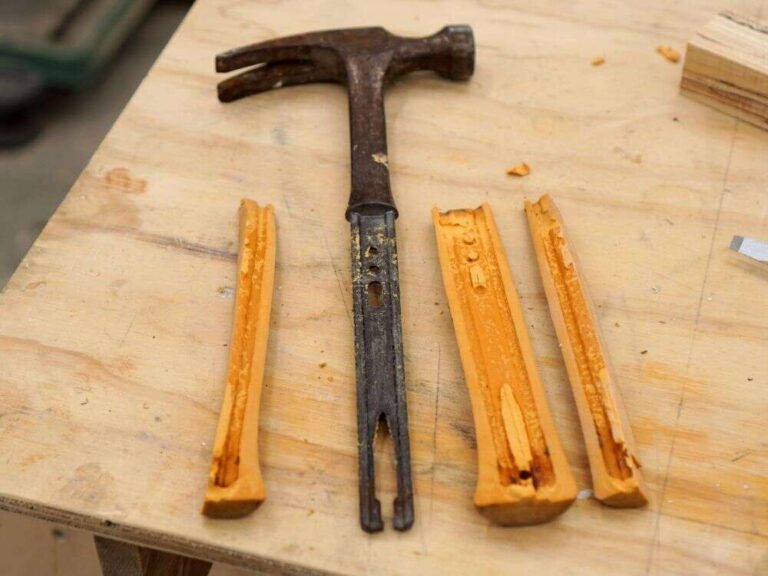
The neck connects the head to the handle. The head must stay firmly attached. A loose hammer head can fly off during a swing and cause serious injury.
Before use, check for:
- Cracks in the head
- A loose handle
- Splits in a wood handle
- Damage to the claw
- Sharp edges or mushroomed metal
- A worn or slippery grip
What Is a Curved Claw Hammer Used For?
A curved claw hammer is mainly used to drive nails, remove nails, and perform light prying tasks.
1. Driving nails
The most basic use is driving nails into wood. You can use it for:
- Hanging picture frames
- Attaching small brackets
– Building simple wood projects - Repairing fences
- Installing light trim
- Securing boards
- General home maintenance
Choose a nail that fits the material and task. A hammer does not make an unsuitable nail safe or effective.
To drive a nail, hold it near the point, set it on the surface, and use light taps until it stands on its own. Then move your fingers away and use controlled swings.
2. Pulling nails
The curved claw is designed for nail removal. Slide the claw under the nail head and pull the handle back. The wood surface acts as a support point while the claw lifts the nail.
If the nail head is buried, expose it first with a small pry tool or the edge of the claw. Do not force the claw into a board if doing so may split the wood.
For a stubborn nail:
- Grip the nail as close to the wood as possible.
- Rock the hammer gently instead of jerking it.
- Place a scrap block under the claw to protect the surface.
- Pull from more than one direction if needed.
- Stop if the nail begins to bend or the claw starts to slip.
3. Removing nails with less surface damage
The curved claw can pull a nail while the wood supports the tool. However, the claw may leave a dent.
Place a thin piece of scrap wood between the claw and the finished surface. This spreads the load and reduces damage. A dedicated nail puller may work better when the surface must remain clean.
4. Light prying and lifting
You can use the claw for small prying tasks, such as:
- Lifting a narrow board
- Separating lightly joined wood
- Opening a small gap
- Removing thin trim
- Pulling staples or small fasteners
Use care. The claw is made mainly for nails, not heavy demolition. Excessive side force can bend or break it.
5. Breaking light materials
Some people use a hammer to break thin wood, drywall, or other light materials during repairs. A curved claw hammer may help with small jobs, but this is not its main purpose.
For demolition, use a tool made for the force involved. A wrecking bar, pry bar, or demolition hammer gives better control and keeps the claw from being damaged.
How Does the Curved Claw Create Leverage?
The claw works as a first-class lever. The wood surface acts as the support point, the nail is the load, and your hand applies force through the handle.
The longer the handle, the more leverage you can create. A longer handle may pull a nail with less effort, but it can feel less precise in tight spaces. A shorter handle gives better control but may require more force.
The curve also changes the angle as you pull. This motion helps lift the nail instead of forcing the claw straight up. It is one reason a curved claw often works better for nail pulling than a flat, straight claw.
The claw cannot create unlimited force. If a nail is rusted, deeply embedded, or attached to a large board, use a larger nail puller or pry bar. More force is not always better. Too much force can split the wood, bend the nail, or damage the tool.
Curved Claw Hammer vs. Straight Claw Hammer
The main difference is the shape and intended use of the claw.
| Feature | Curved claw hammer | Straight claw hammer |
|---|---|---|
| Claw shape | Swept into a curve | More direct and nearly straight |
| Nail pulling | Easy for common nail removal | Useful for pulling and prying |
| Leverage | Strong for general nail work | Better for some direct prying tasks |
| Surface control | Often easier on ordinary wood | May enter gaps more easily |
| Common users | Homeowners, carpenters, repair workers | Framers, roofers, demolition workers |
| Best role | General-purpose work | Framing, prying, and heavier tasks |
A curved claw hammer is usually the better first hammer for a home toolbox. A straight claw hammer may suit framing or demolition work, where the claw needs to enter narrow gaps or provide more direct prying action.
The choice also depends on the hammer’s weight, handle, face, and balance. Claw shape alone does not determine performance.
Curved Claw Hammer vs. Other Hammers
Different hammers serve different jobs. Choosing the right one can protect the material and reduce fatigue.
Finish hammer
A finish hammer is made for trim, cabinetry, and other work where visible marks matter. It often has a smooth face and a lighter head.
Use a finish hammer when:
- You work with thin trim.
- You need accurate nail placement.
- You want to reduce dents.
- The material is easy to damage.
Framing hammer
A framing hammer is built for larger nails and repeated strikes during wood framing. It may have a heavier head, longer handle, and textured face.
Use one for:
- Wall framing
- Deck construction
- Large timber work
- Repeated construction tasks
A framing hammer may be too aggressive for delicate trim.
Ball-peen hammer
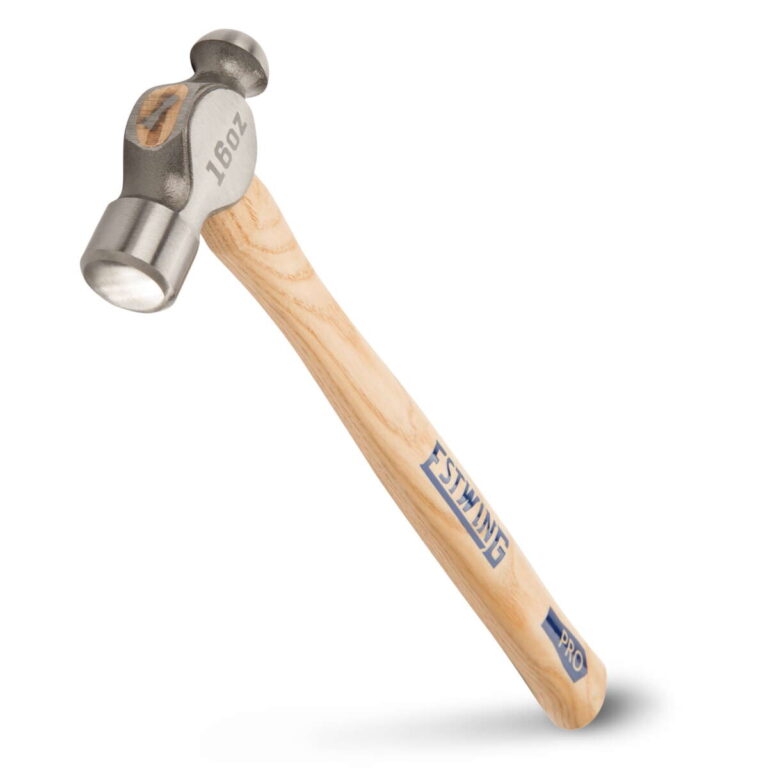
A ball-peen hammer has a rounded peen instead of a claw. It is used mainly for shaping metal, setting rivets, and striking metal tools.
It is not a substitute for a claw hammer when you need to remove nails.
Rubber or soft-face hammer
A soft-face hammer delivers force with less risk of scratching or denting a surface. It is useful for assembling parts and adjusting materials that could be damaged by steel.
It will not pull nails like a curved claw hammer.
Sledgehammer
A sledgehammer is made for heavy breaking and driving work. It is far too large for most nail tasks and can cause severe damage if used on small projects.
How to Use a Curved Claw Hammer Safely
Safe use starts with the right hammer and a stable work area. The Occupational Safety and Health Administration advises workers to keep hand tools in good condition and use them for their intended purpose. The OSHA hand and power tools guidance provides general workplace safety information.
To drive a nail
- Choose a hammer that matches the nail and material.
- Place the work on a stable surface.
- Hold the nail near its upper end.
- Tap the nail lightly until it stands.
- Move your fingers away.
- Strike with controlled swings.
- Stop before the nail is fully buried if you need to protect the surface.
- Use a nail set for the final depth when working on finished trim.
Wear eye protection when striking hard materials or when chips may fly. Keep your other hand away from the striking path.
To pull a nail
- Check the area for hidden wires, pipes, or fragile materials.
- Slide the claw under the nail head.
- Keep your body balanced.
- Pull the handle toward the surface in a controlled motion.
- Use a scrap wood block under the claw if the surface may dent.
- Stop if the claw slips or the nail begins to bend.
- Switch to a nail puller or pry bar when more force is needed.
Never strike the claw with another hammer unless the tool maker specifically allows it. The claw may chip, deform, or send metal fragments into the air.
Personal protective equipment
For many small indoor tasks, safety glasses are the key protection. Gloves can help with splinters and sharp nails, but they do not replace good grip or careful hand placement.
Use hearing protection when hammering for long periods or working in a loud construction area. Wear sturdy shoes when handling boards, nails, or demolition debris.
Common Mistakes to Avoid
Using the claw as a pry bar
The claw can handle light prying, but it is not designed for every lifting job. Heavy side loads can bend the claw or loosen the head.
Striking the hammer with another tool
This can damage the metal and create flying fragments. Use a larger hammer or pry tool made for the job.
Using a damaged hammer
A cracked handle or loose head is a serious hazard. Remove the hammer from service until it is properly repaired or replaced.
Hitting nails at an angle
An angled strike can glance off the nail head. It may damage the surface or send the hammer toward your hand.
Keep the striking face square to the nail head. Use smaller, controlled swings when accuracy matters.
Pulling without protecting finished wood
The claw can leave a crescent-shaped dent. Use a scrap block or choose a nail puller designed for low-damage removal.
Choosing a hammer that is too heavy
A heavy hammer can drive large nails well, but it can also cause fatigue and poor control. For routine household work, a moderate weight is often easier to handle than a framing hammer.
How to Choose a Curved Claw Hammer
Choose the hammer by matching its weight, face, handle, and balance to the work.
Weight
A lighter hammer is easier to control and works well for small nails and light repairs. A heavier hammer delivers more force but may tire your arm.
Common household choices often fall in the medium-weight range, but the best weight depends on your strength, grip, and task. Manufacturers may list head weight differently, so compare the stated specifications carefully.
Face type
Choose a smooth face for trim and visible work. Choose a textured face when nail-head slipping is a concern and surface marks are acceptable.
Handle material
Wood handles may offer a traditional feel and natural vibration absorption. Fiberglass and composite handles may resist splitting. Steel handles can be durable but may transmit more vibration.
No handle material removes the need to inspect the tool.
Balance
A well-balanced hammer should feel stable during both the backswing and the strike. Hold it near the end of the handle and make a few slow practice motions before buying when possible.
Claw angle
A more strongly curved claw can offer useful leverage for nail removal. A flatter claw may enter narrow spaces more easily. Think about whether you remove common nails or do more prying and demolition.
Can You Use a Curved Claw Hammer on Concrete or Metal?
A standard curved claw hammer is mainly intended for nails and wood. Do not assume it is safe for striking concrete, masonry, hardened steel, or other very hard materials.
Hard surfaces can damage the hammer face or cause chips to break away. Use a tool made for the material, such as a masonry hammer, machinist’s hammer, cold chisel, or other suitable tool.
A claw hammer may also damage metal parts if used as a general-purpose metalworking hammer. Match the hammer to the job instead of relying on weight alone.
Frequently Asked Questions
Is a curved claw hammer good for home use?
Yes. It is one of the most useful general-purpose hammers for a home toolbox. It can drive common nails, remove nails, and handle light prying.
What is the difference between a curved claw and a rip claw?
A curved claw is rounded and usually gives strong leverage for pulling nails. A rip claw, often called a straight claw, is more direct and may work better for framing, prying, and entering narrow gaps.
Can a curved claw hammer remove screws?
Usually, no. A claw may pull a screw only if the screw head is exposed enough to catch. Use a screwdriver or drill to remove screws. Forcing the claw under a screw can damage the wood or tool.
Can a curved claw hammer remove staples?
It can remove some large staples if the claw fits under them. For small staples, a staple remover or end-cutting pliers may give better control and cause less damage.
How do you keep a curved claw hammer from damaging wood?
Place a scrap block between the claw and the wood. Pull slowly, keep the claw fully engaged, and use a dedicated nail puller when the surface must stay clean.
When should you replace a curved claw hammer?
Replace or repair the hammer when the head is loose, the handle is cracked, the claw is bent, or the striking face has dangerous damage. Do not keep using a tool that can fail during a swing.
Key Takeaways
- A curved claw hammer drives nails and pulls them out.
- Its curved claw works as a lever and gives strong nail-removal power.
- It is a practical choice for home repairs, carpentry, trim, and light construction.
- Use a scrap wood block to reduce dents when pulling nails.
- Do not use it for heavy demolition, hard metal, or masonry unless the manufacturer specifically permits that use.
- Inspect the hammer before each job and wear eye protection when chips or fragments may fly.
Conclusion
A curved claw hammer is a versatile tool for driving nails, removing fasteners, and handling light prying work. Its curved claw gives it useful leverage, while its flat face makes it suitable for everyday repairs.
For most U.S. homeowners, a medium-weight curved claw hammer with a secure handle and smooth face is a practical starting point. Choose a heavier framing hammer, finish hammer, pry bar, or nail puller when the material, force, or surface requires a more specialized tool.
Recent Tool Guides
 Hammer
How To Hammer Flowers Onto Paper: Easy Guide
Learn how to hammer flowers onto paper with simple steps, helpful tips, and beautiful results for...
Read Guide → Wrench
How To Use A Hex Wrench: Easy Step-By-Step Guide
Learn how to use a hex wrench correctly with simple steps, helpful tips, and common mistakes...
Read Guide → Hacksaw
How To Cut Curtain Pole With Hacksaw: Easy Guide
Learn how to cut curtain pole with hacksaw safely and neatly. Follow simple steps for accurate...
Read Guide → Wrench
How To Use A Husky Torque Wrench: Easy Guide
Learn how to use a Husky torque wrench correctly with simple steps, torque settings, and safety...
Read Guide → Hammer
How To Hold A Hammer: Safe Grip Guide
Learn how to hold a hammer with the right grip, stance, and technique for safer, more...
Read Guide → Hacksaw
How To Cut Flexible Metal Conduit With Hacksaw: Easy Guide
Learn how to cut flexible metal conduit with hacksaw safely and cleanly. Follow simple steps for...
Read Guide →