
Many common hand tools are still made in the USA, including hammers, pliers, wrenches, and screwdrivers.
I’ve worked with tools for years and I know where quality matters. This article explains what hand tools are made in the USA and why that matters. I’ll show which tools are commonly manufactured domestically, how to check for true U.S.-made items, buying tips, and maintenance advice. Expect real-world examples and clear steps you can use when shopping or building your kit.
Overview: what hand tools are made in the usa and why it matters
Many hand tools are made in the USA. Toolmakers in the U.S. still forge, machine, and finish a wide range of hand tools. These include striking tools, cutting tools, pliers, wrenches, and precision instruments.
Why does this matter? Made-in-USA tools often have higher quality control. They can offer better warranties and easier repair or replacement. They also support local jobs and reduce shipping time for parts.
Short answer to a common question about what hand tools are made in the usa:
What you buy from American factories tends to be robust, consistent, and backed by local service.
Two quick PAA-style questions:
Q: Are all tools from U.S. brands made in the USA?
A: No. Many brands make some parts overseas. Always check the label or company info.
Q: Are U.S.-made tools more expensive?
A: Often yes, but you usually get better durability and local service. Cost per year of use can be lower.
Top hand tools made in the USA
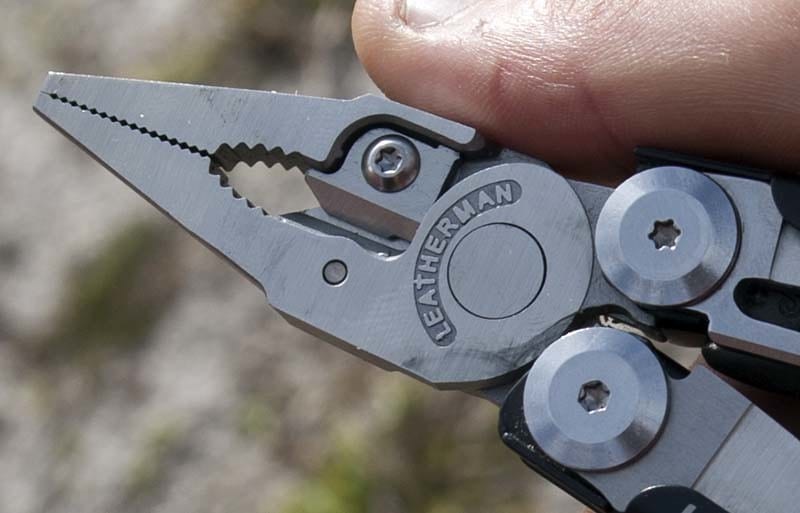
Here are the main categories of hand tools that are often made in the USA. I list common examples and why U.S. production is common for each.
- Hammers and striking tools
Many hammers, sledge hammers, and mallets are forged and finished in the U.S. The steel and forging process are often kept local to control toughness and temper. - Pliers and hand cutters
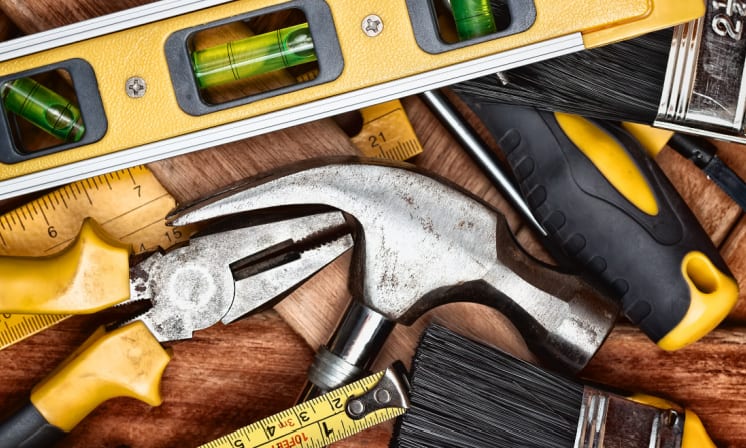
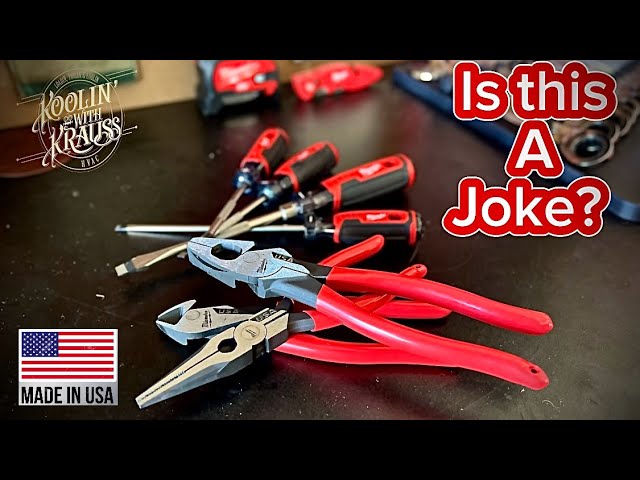
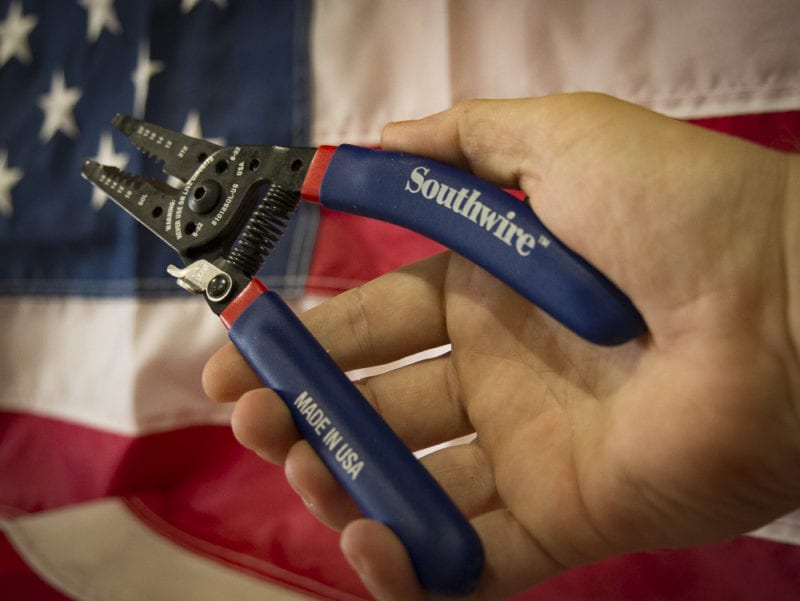
Many pliers and snips are machined and heat treated in U.S. plants. These tools need tight quality control for jaws and springs. - Wrenches and ratchets
Sockets, wrenches, and some ratchets are still made domestically. Precision forging and chrome finishes are common reasons for U.S. production. - Screwdrivers and nut drivers
High-end screwdrivers and insulated electrician tools are often made in the USA. Heat-treated shafts and molded handles are done locally. - Chisels, punches, and cold chisels
These are forged and tempered in U.S. shops. Heat treatment is key and easier to control close to design teams. - Handsaws and woodworking planes
Some premium handsaws and wooden-bodied planes are crafted in the U.S. by small shops with craft skills. - Measuring tools and levels
Many spirit levels, tape measures, and squares have models made in the USA to meet strict calibration needs. - Files, rasps, and sharpening stones
Many of these are produced domestically to meet standards for grit, hardness, and durability.
Examples matter. I’ve used U.S.-made hammers and pliers that kept shape after heavy use. That kind of real-world proof is why many pros choose American-made tools.

How to verify that a hand tool is truly made in the USA
Labels can be unclear. Here are steps to confirm origin.
- Look for "Made in USA" marks
This is the first sign. But read fine print. Some items have final assembly in the U.S. with foreign parts. - Check company site details
Manufacturers often list which lines are domestic. Look for factory locations and product pages. - Read the packaging and product numbers
Lot codes and model numbers sometimes reveal origin. Retail pages often list country of manufacture. - Contact the manufacturer directly
A quick email or phone call will clarify whether the tool is fully made in the USA or only assembled there. - Seek third-party verification
Industry tests, trade groups, and certification marks can back up claims.
When I needed true U.S.-made tools, I called the maker and asked about raw steel origin and where heat treatment happened. The answers mattered.
Why U.S.-made hand tools can be better — and when they might not be
Benefits
- Higher quality control
Short runs and local oversight help catch defects early. - Better warranty service
Repairs and replacements move faster with local support. - Stronger supply chain ties
Faster access to replacement parts and custom orders. - Job support and ethics
Buying local supports skilled trades and factory jobs.
Limitations
- Higher cost
Labor and compliance raise prices for U.S. tools. - Limited variety
Some niche tools or very cheap models are mostly imported. - Mixed sourcing
Even U.S.-made tools may use foreign steel or parts.
I once chose a U.S.-made ratchet for its lifetime warranty. It lasted longer than cheaper imports and the company honored the repair quickly.
Buying tips: how to choose U.S.-made hand tools that last
Use these steps when shopping.
- Define your needs
Know the tasks you do most. Buy tools that match the work. - Prioritize core tools
Spend more on hammers, pliers, and wrenches you use daily. - Inspect materials and finish
Look for forged heads, clean machined surfaces, and firm handle bonds. - Check warranty and service
Prefer brands with clear repair or replacement policies in the U.S. - Buy from specialty stores or trusted dealers
They often stock verified U.S.-made lines and can advise on differences. - Start a quality core kit
Invest in a few good U.S.-made pieces rather than many low-cost tools.
When I built my kit, I spent more on a few key tools. That choice saved money in the long run.

Care and maintenance for U.S.-made hand tools
Caring for tools extends life. These are simple, high-impact steps.
- Keep tools clean
Wipe off dirt and oil after use. Rust is the main killer. - Oil moving parts
Pivots and ratchets last longer with a drop of oil. - Store properly
Use racks, shadow boards, or a toolbox to avoid damage. - Sharpen and dress edges
Keep chisels, planes, and blades sharp for safer use. - Follow manufacturer guidance
Use recommended lubricants and avoid overloading tools.
My rule: clean and store tools after each job. It adds minutes but saves years.

Common myths about what hand tools are made in the usa
Myth: All tools from U.S. brands are made in the USA.
Fact: Many brands have mixed sourcing. Some models are domestic; others are not.
Myth: U.S.-made tools always cost more but never fail.
Fact: They can cost more, but failure still happens. Quality control reduces, not eliminates, defects.
Myth: Imported tools are always low quality.
Fact: Many imports are good value. Some foreign factories produce excellent tools. Check the specs and reviews.
Frequently Asked Questions of what hand tools are made in the usa
What are some trusted U.S. brands that make hand tools?
Several reputable U.S. brands produce many hand tools domestically. Look for makers with long histories and clear product origin statements.
How can I tell if a wrench or socket is made in the USA?
Check the tool stamp, packaging, and product page. Contact the maker if the origin is not clear.
Are insulated electrician tools made in the USA?
Yes, many insulated tools are made in the USA to meet safety standards. Verify the safety ratings and origin before buying.
Do U.S.-made tools come with better warranties?
Often they do. Many U.S. makers offer strong warranties and local repair options, which can simplify service.
Is it worth paying more for U.S.-made hand tools?
If you use tools daily or need durable gear, paying more often makes sense. For light or infrequent use, value imports can be fine.
Can I repair U.S.-made tools myself?
Yes, many hand tools are easy to repair or maintain. For complex repairs, contact the manufacturer or a local shop for parts and guidance.
Conclusion
Buying tools made in the USA can mean better control over materials, higher durability, and stronger support. You now know what hand tools are made in the USA, how to confirm origin, and how to choose and care for them. Start by building a small core kit of U.S.-made essentials and add items as you work. That choice pays off in fewer failures and less frustration.
Take action: inspect your current tool set, mark which pieces are truly U.S.-made, and invest in one quality replacement this month. If this guide helped, leave a comment or share your experience with U.S.-made tools.